






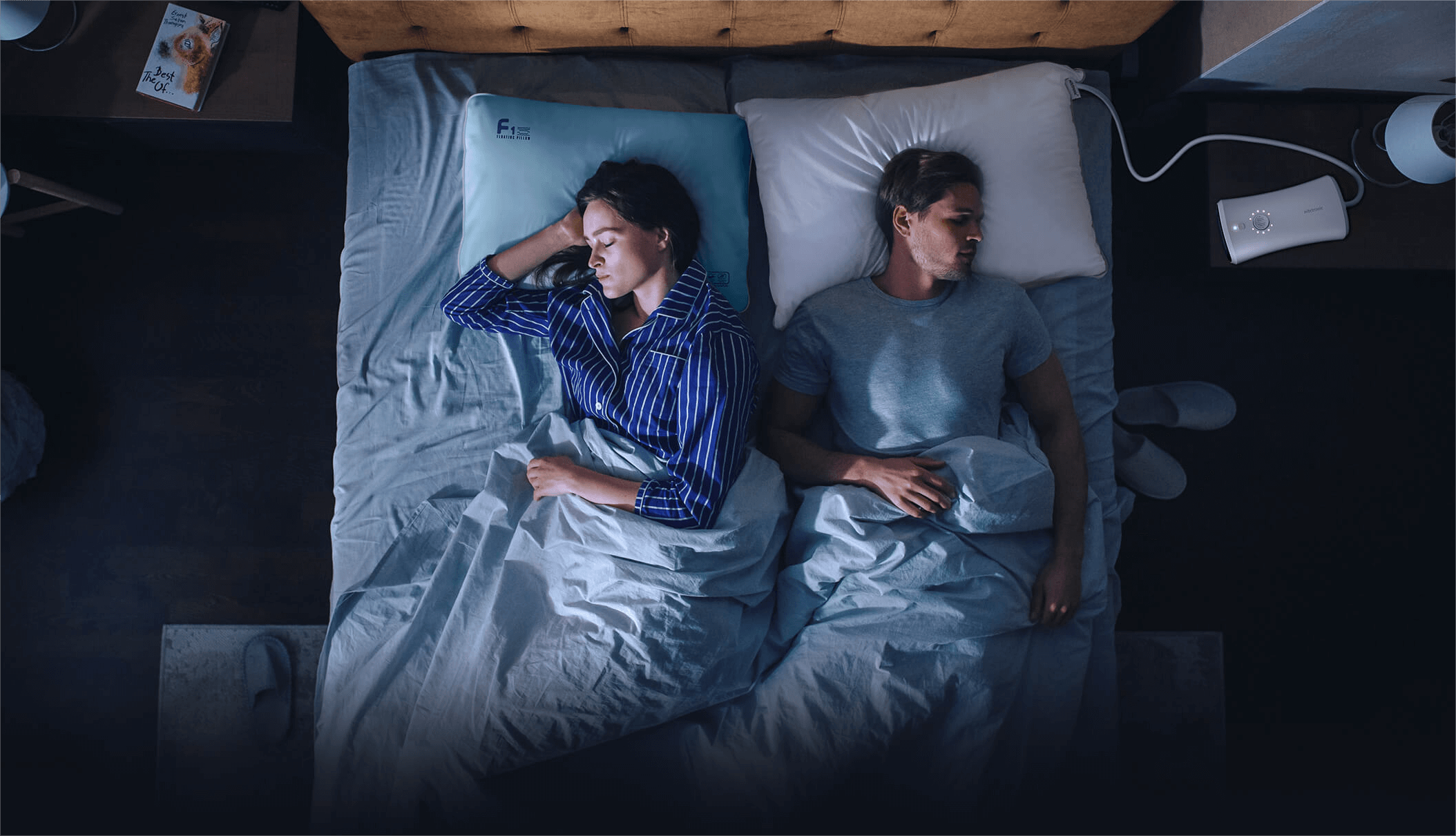
Many people roll from their back to their side during sleep. If you are comparing anti-snore pillows, ask whether a pillow remains comfortable when you move, not simply whether it is labeled for one position. Its fit, your mattress, and the cause of snoring all matter. No pillow can promise the same result for everyone.
Notice your actual sleep pattern
You may begin on your side but wake on your back. Your head may drift toward a pillow edge while your shoulder sinks farther into a soft mattress. Each change can alter the height that feels supportive. A brief test at bedtime cannot capture every overnight position.
For several mornings, note where you remember waking, any neck discomfort, and what a bed partner noticed about snoring. This is a comfort log, not a medical test. It gives you a clearer picture of the positions your pillow needs to accommodate.
Fixed support or responsive adjustment?
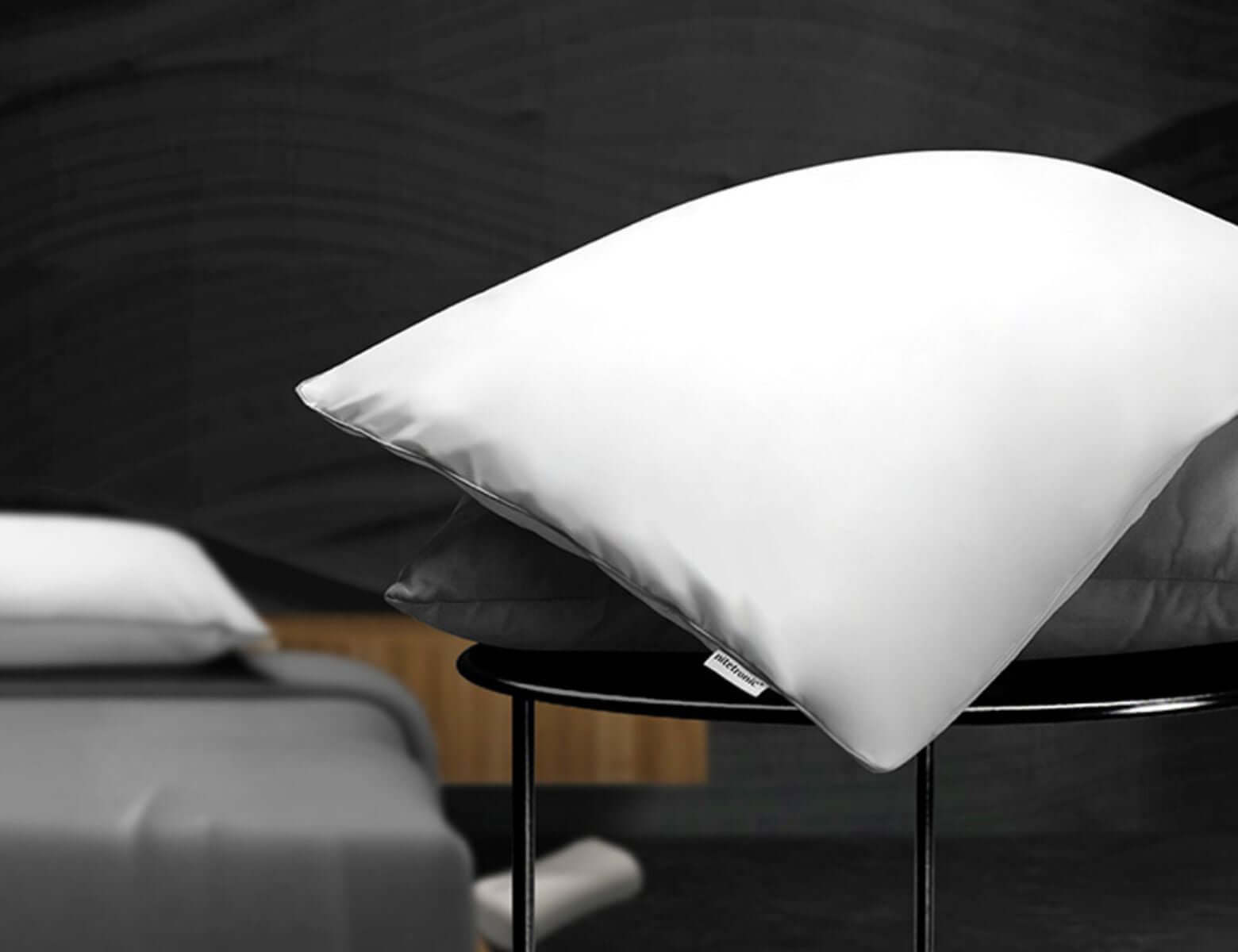
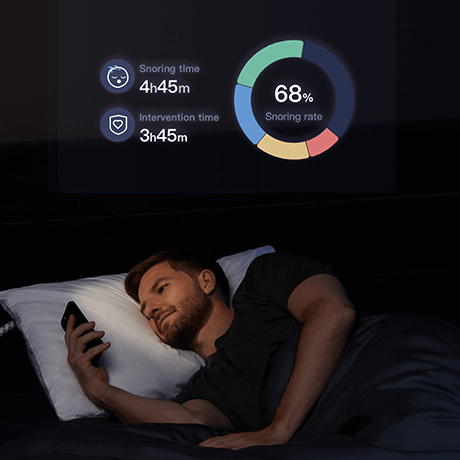
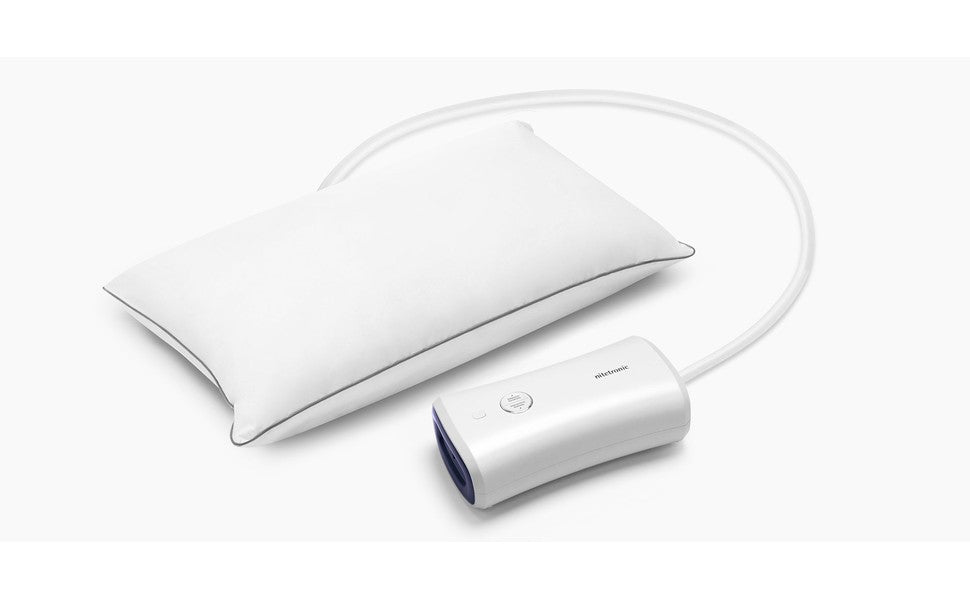
A conventional shaped pillow offers consistent support. A responsive anti-snore pillow is intended to react when snoring is detected. Nitetronic's A1 AI Anti-Snore Pillow and Z6 Smart Anti-Snore Pillow take a pillow-level approach, but their features and setup differ. Read each product page rather than assuming every smart pillow works identically.
An active feature does not replace comfort. The pillow should still feel right when it is not adjusting. Consider its surface, size, and support in both your starting position and the one in which you often wake.
Five practical checks for people who roll over
- **Try your back and side.** In each position, notice whether your head feels pushed too high or allowed to drop too low.
- **Check the edges.** If you move across the bed, comfort away from the pillow's center matters.
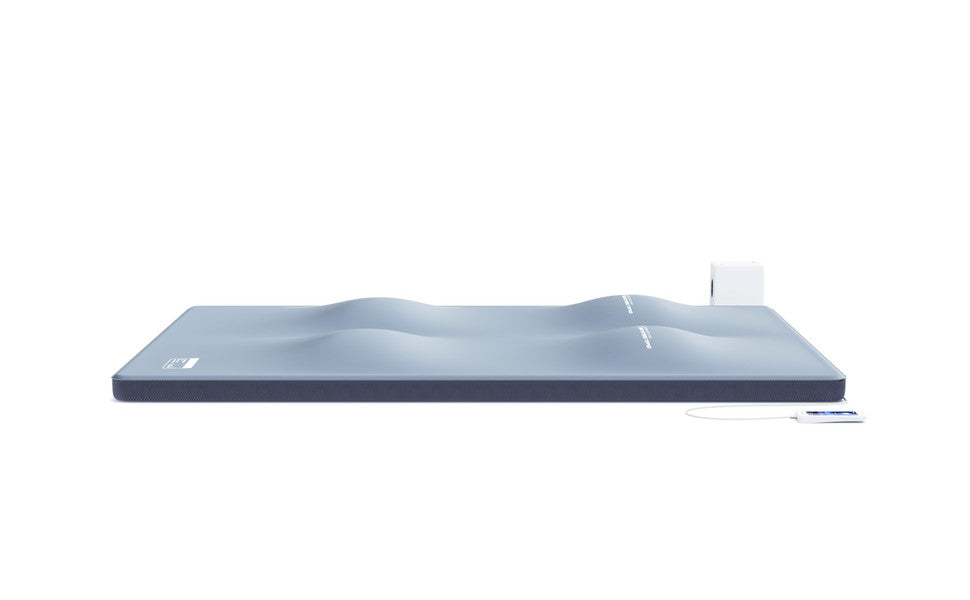
- **Consider the mattress.** A soft mattress lets your shoulder sink farther, changing the pillow height that feels right on your side.
- **Plan the bedside layout.** Check controller, cable, and power placement and follow the product's safety instructions.
- **Separate comfort from sound.** Track neck comfort, awakenings, and partner observations across several nights. One quieter night is not a reliable pattern.
These checks also help with ordinary pillows. They can reveal a simple fit issue before you attribute every change to the anti-snore function.
Keep medical expectations realistic
Snoring has different possible causes. A pillow cannot diagnose them, rule out sleep apnea, or replace prescribed treatment. If someone notices breathing pauses or gasping, or you experience persistent daytime sleepiness, speak with a healthcare professional. The National Heart, Lung, and Blood Institute lists these among possible sleep-apnea symptoms.
The practical buying question is: does this pillow suit the way you actually move during sleep, and is its response comfortable for you?
FAQ
Must I remain on my back for an anti-snore pillow to help?
Not necessarily, but comfort and response can vary with position. Follow the specific model's instructions and assess it in your usual positions.
Why does a pillow feel different on my side?
Your shoulder and mattress change the distance between your head and the bed. A height that feels right on your back may feel too high or too low on your side.
Should I judge it after one night?
One night may reveal immediate discomfort, but sleep conditions vary. Assess comfort and partner observations over several nights, within the product's return guidance.
Can a smart pillow treat sleep apnea?
No. Consumer pillows are not substitutes for diagnosis or prescribed treatment. Seek medical advice if symptoms suggest a breathing disorder.

Leave a comment
This site is protected by hCaptcha and the hCaptcha Privacy Policy and Terms of Service apply.