







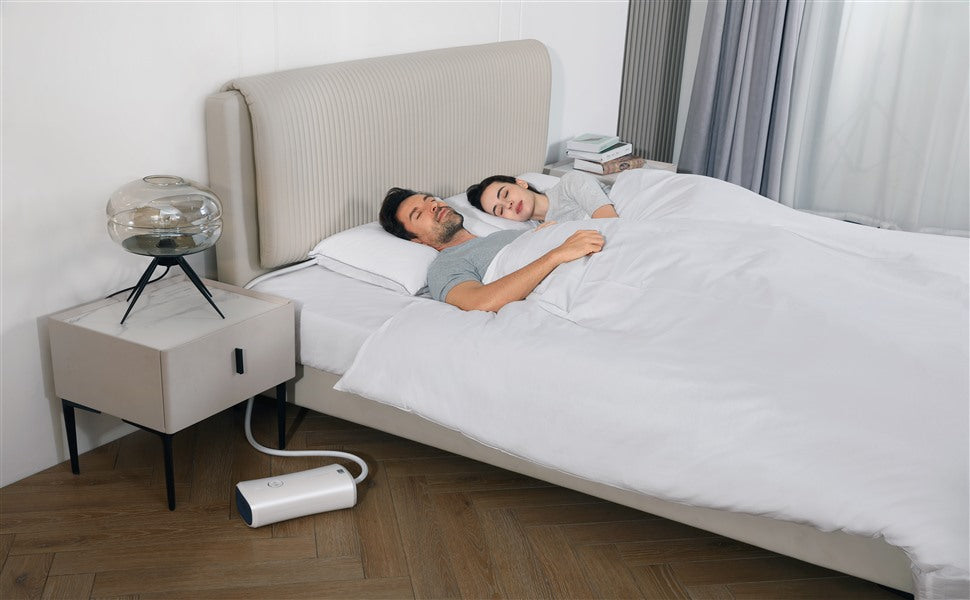
Side sleeping is often discussed in conversations about snoring, but simply turning onto your side does not guarantee a comfortable or quiet night. The pillow still needs to support the space between your shoulder and head, stay stable when you move and avoid forcing your neck into an awkward angle.
If you are comparing an anti-snore pillow for side sleepers, focus on fit before marketing claims. The following seven checks can help you evaluate a pillow more consistently while keeping expectations realistic.
1. Check the shoulder-to-head gap
When you lie on your side, your shoulder creates a larger gap between the mattress and your head than it does when you lie on your back. A pillow that is too low may let your head tilt toward the mattress. One that is too high may push your head upward and create neck pressure.
Your mattress also matters. A shoulder sinks farther into a soft mattress, which can reduce the pillow height you need. On a firm mattress, the same sleeper may require more loft. This is why a pillow that feels right in a showroom can feel different at home.
As a simple check, ask someone to look at your head and neck from behind while you are lying naturally on your side. The goal is a comfortable, neutral-looking line rather than a dramatic upward or downward bend.
2. Test whether the pillow stays stable
A supportive shape is useful only if it remains under your head. Some sleepers gradually slide toward the edge of a pillow, especially when the surface is very smooth or the contour does not match their shoulder position.
During a short home test, note whether you wake with your head in the center, on the edge or partly off the pillow. Also check whether you repeatedly pull the pillow back into place. Frequent repositioning may be a sign that the height, width or surface feel is not a good match.
3. Leave room for natural movement
Many people are not exclusively side sleepers. They may start on one side, roll onto their back and return to the other side. A pillow should allow those normal movements without making you feel trapped in one position.
If you are a combination sleeper, evaluate the pillow in every position you commonly use. A tall side-sleeping setup may feel uncomfortable when you roll onto your back. An adjustable design can be helpful because it lets you test smaller changes instead of committing to one fixed height.
4. Separate comfort support from medical treatment
An anti-snore pillow is a consumer sleep-support product. Its purpose may include improving comfort or supporting a position that is less associated with snoring for some users. It cannot diagnose the cause of snoring, guarantee a result or replace prescribed treatment.
Snoring can have several contributing factors, including sleep position, nasal congestion, alcohol, sleep deprivation and obstructive sleep apnea. Seek qualified medical advice if snoring is accompanied by breathing pauses, choking or gasping, significant daytime sleepiness, morning headaches or other concerning symptoms. A pillow is not a substitute for CPAP, an oral appliance or other care prescribed by a clinician.
5. Look at how the pillow responds to snoring
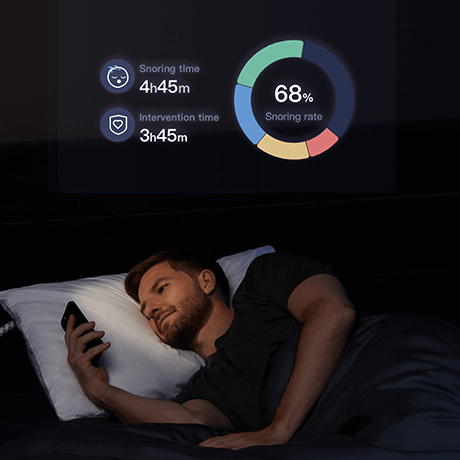
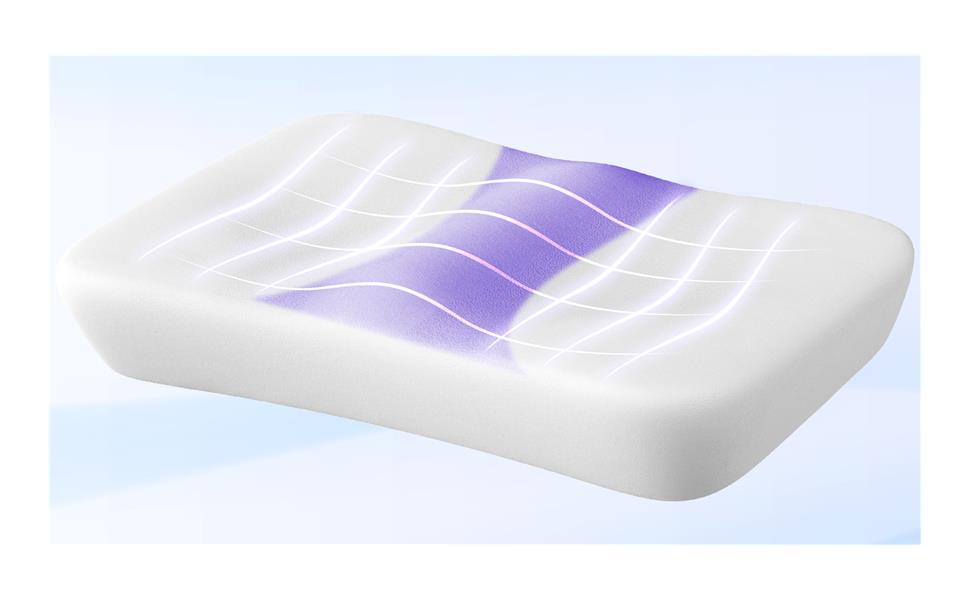
Anti-snore pillows do not all work in the same way. Some use a fixed contour or wedge. Others provide adjustable height. Smart pillows may detect snoring and respond with gentle changes intended to encourage a change in head position without requiring the user to wake fully.
When comparing products, ask practical questions:
- Does the response depend on an app or phone?
- Can sensitivity or response intensity be adjusted?
- Is the movement subtle enough for normal sleep?
- Does the pillow remain comfortable when the smart function is not active?
- Can you use and clean the pillowcase easily?
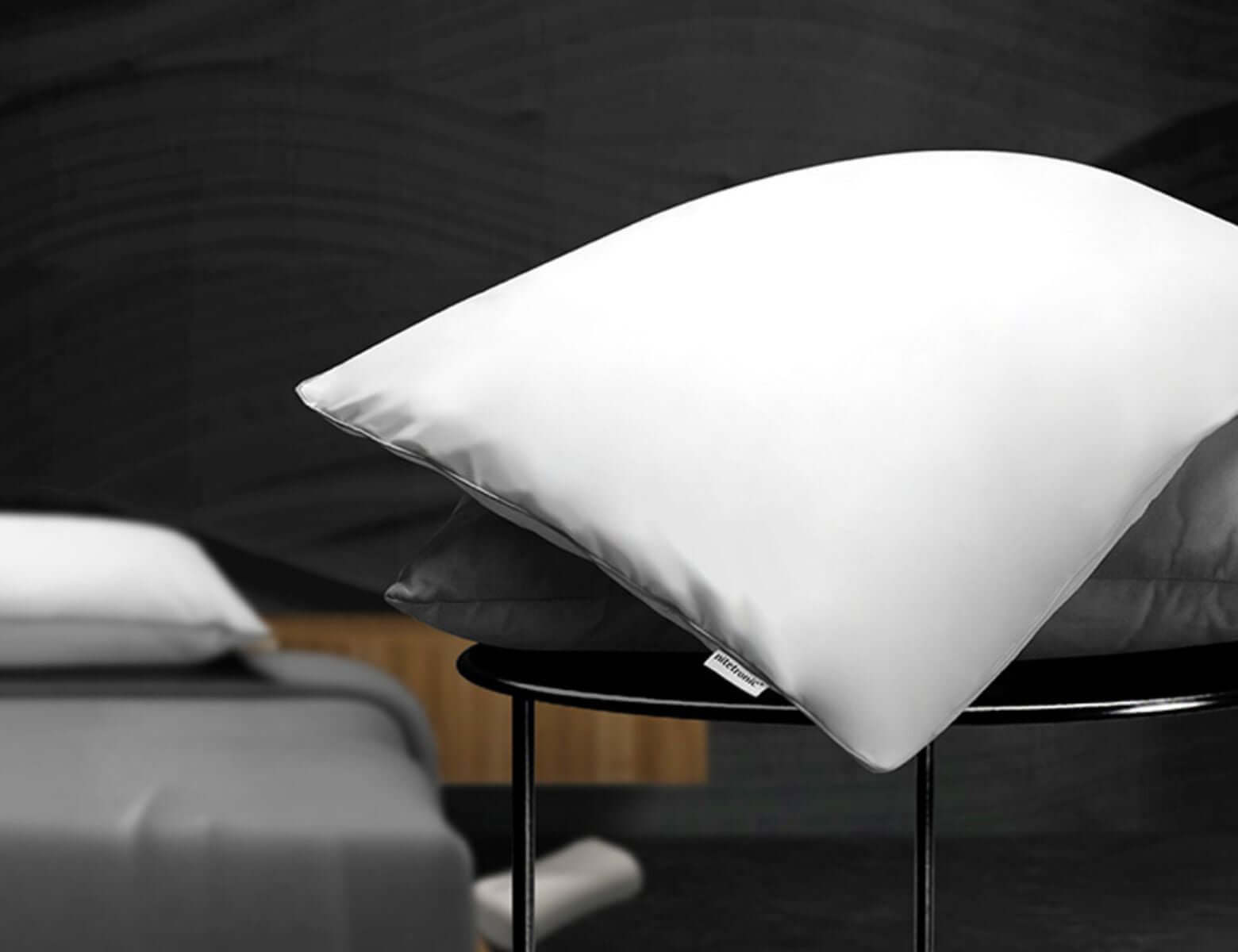
The Nitetronic Z6 Smart Anti-Snore Pillow is one example of a responsive air-chamber design intended to provide gentle position-based support when snoring is detected. Individual results vary, and product fit should be evaluated alongside comfort.
6. Run a multi-night test
One night is rarely enough to judge a pillow. Sleep position, congestion, fatigue, alcohol, late meals and room conditions can all change from night to night. A structured test gives you more useful information.
Try this simple approach:
- Use your current pillow for two or three baseline nights.
- Record your starting position, morning neck comfort and any partner-reported snoring.
- Test the new pillow for at least five nights without changing several other sleep variables at once.
- Note whether you remain comfortable on both sides and when briefly lying on your back.
- Compare the overall pattern rather than choosing the single best or worst night.
If you use a consumer sleep app, keep the phone placement and settings consistent. App recordings may help reveal trends, but they are not medical measurements and cannot diagnose sleep apnea.
For a more detailed method, follow our 14-night pillow testing guide.
7. Match the design to your main sleep position
Some pillows are designed around a specific sleeping position. A side sleeper may prefer a shape that provides room for the shoulder and stable head support. A back sleeper may need a lower profile that does not push the chin toward the chest.
If you spend most of the night on your side, compare position-specific options such as the Nitetronic Z10 Side-Sleeping Anti-Snore Pillow. If you change positions frequently, prioritize a design that remains comfortable across those movements rather than choosing only from a product label.
A practical buying checklist
Before purchasing, confirm that you can answer yes to most of these questions:
- The pillow height matches my shoulder width and mattress firmness.
- My neck feels comfortable on both my usual side and my alternate position.
- The pillow stays under my head when I move.
- I understand how the snoring-response feature works.
- The product can be adjusted or returned if the fit is not right.
- The pillowcase and care process fit my routine.
- I understand that the pillow is for consumer sleep support, not diagnosis or treatment.
The bottom line
The best anti-snore pillow for a side sleeper is not automatically the tallest or most aggressively shaped option. It is the one that fits the shoulder-to-head gap, stays comfortable through normal movement and can be tested over several comparable nights. Treat product features as part of a broader sleep setup, and seek professional advice when symptoms suggest a breathing disorder rather than ordinary snoring.
Frequently asked questions
Is side sleeping always better for snoring?
Not always. Some people snore less on their side, but snoring has multiple possible causes. Position is only one factor, and a change in position cannot guarantee a result.
How high should a side-sleeper pillow be?
There is no universal height. The required loft depends on shoulder width, body shape, mattress firmness and personal comfort. Aim for a neutral, comfortable head-and-neck position.
Can an anti-snore pillow replace CPAP?
No. A consumer pillow cannot replace CPAP or other prescribed treatment. Speak with a qualified professional before changing treatment for obstructive sleep apnea.
How many nights should I test a pillow?
Five to fourteen nights is a practical range. Keep other variables as consistent as possible and compare comfort and snoring patterns across several nights.
What if I switch between side and back sleeping?
Test the pillow in both positions. Combination sleepers may benefit from adjustable height or a design that supports movement without forcing one fixed posture.

Leave a comment
This site is protected by hCaptcha and the hCaptcha Privacy Policy and Terms of Service apply.