






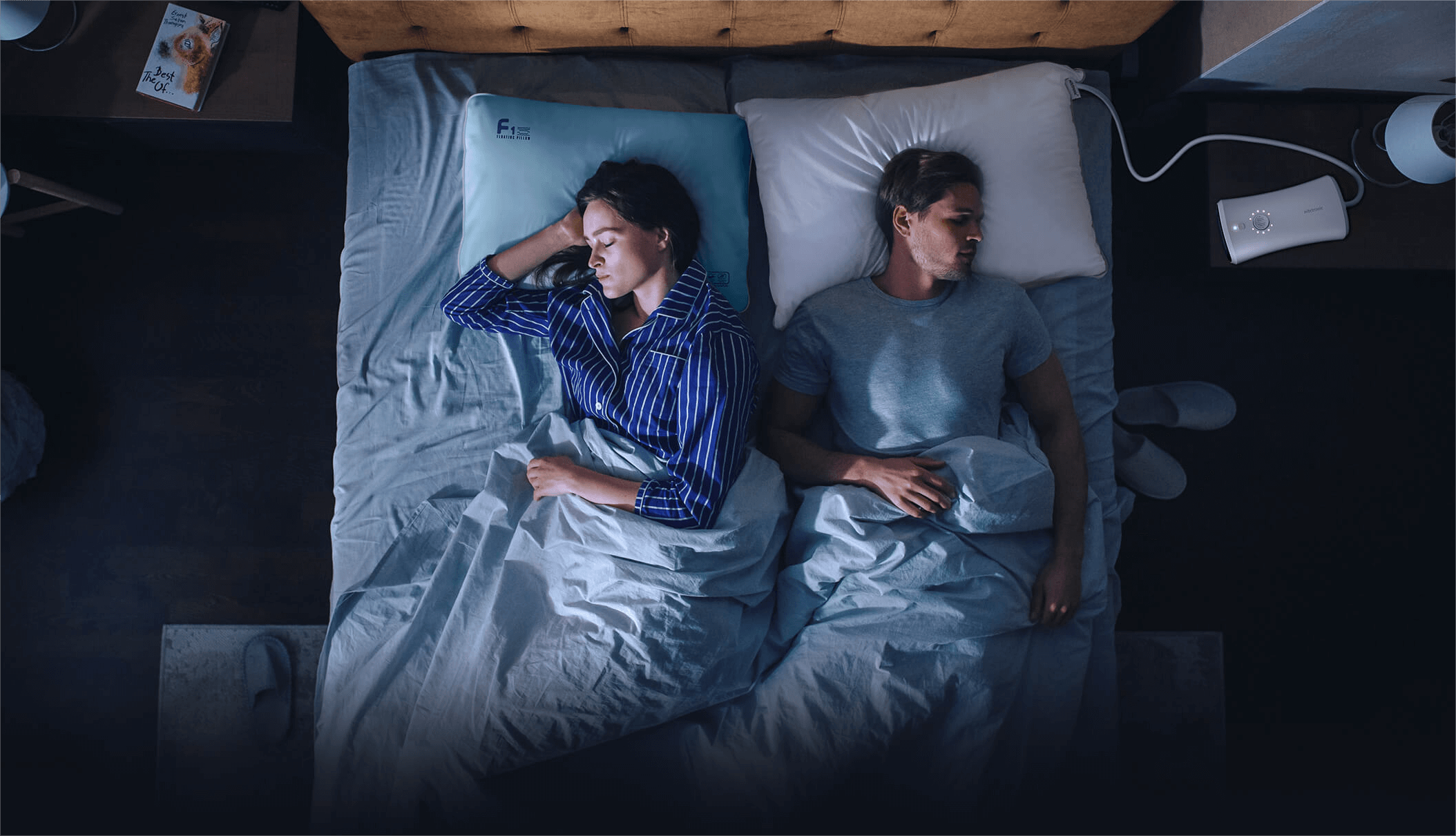
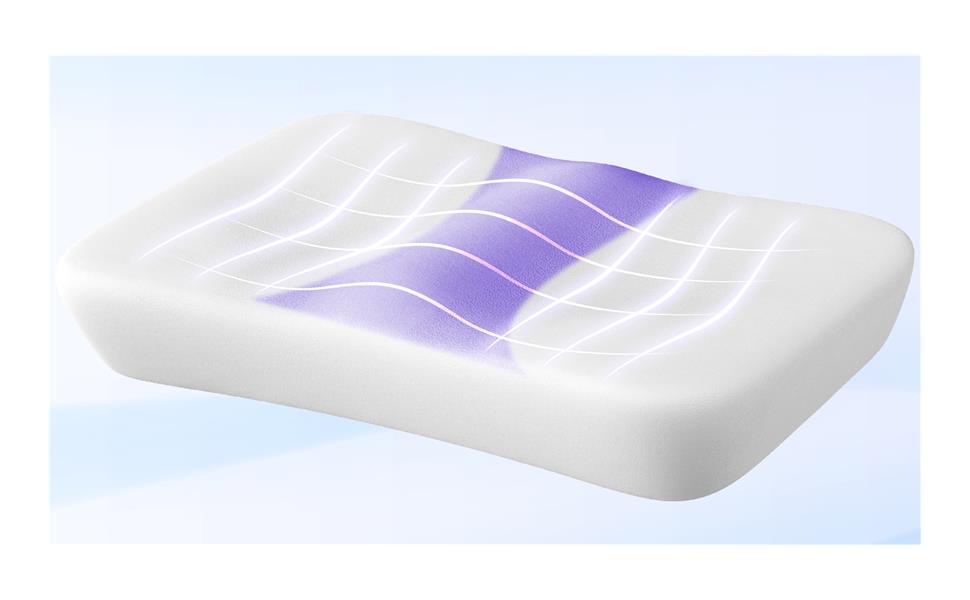
When a person snores, the first instinct is often to buy a firmer or more dramatic pillow. In practice, pillow height—or “loft”—is usually a better place to start. A pillow that leaves the head too low or pushes it too high can make the neck feel unsupported, interrupt sleep and make it harder to judge whether any snoring support is helping.
There is no single correct height for every sleeper. The useful goal is a comfortable, neutral head-and-neck position that matches your body, mattress and usual sleep position. Here is a practical way to test it.
Why pillow height can matter
Pillow height affects how the head rests in relation to the neck and shoulders. On a side sleeper, a very low pillow may allow the head to tip down toward the mattress. A very high pillow can push the head up or strain the neck. Back sleepers have a different set of needs, because their shoulder gap is smaller and the chin should not be pushed toward the chest.
For some people, snoring changes with head or sleep position. That does not mean a particular height will solve every case of snoring. It means fit is worth testing carefully before assuming that a product's feature list is the answer.
Start with your normal sleeping position
Side sleepers
Side sleepers generally need enough support to fill the space between the shoulder and the head while keeping the neck comfortable. Mattress firmness changes the calculation: a shoulder sinks farther into a soft mattress, so the required pillow height may be lower than on a firm mattress.
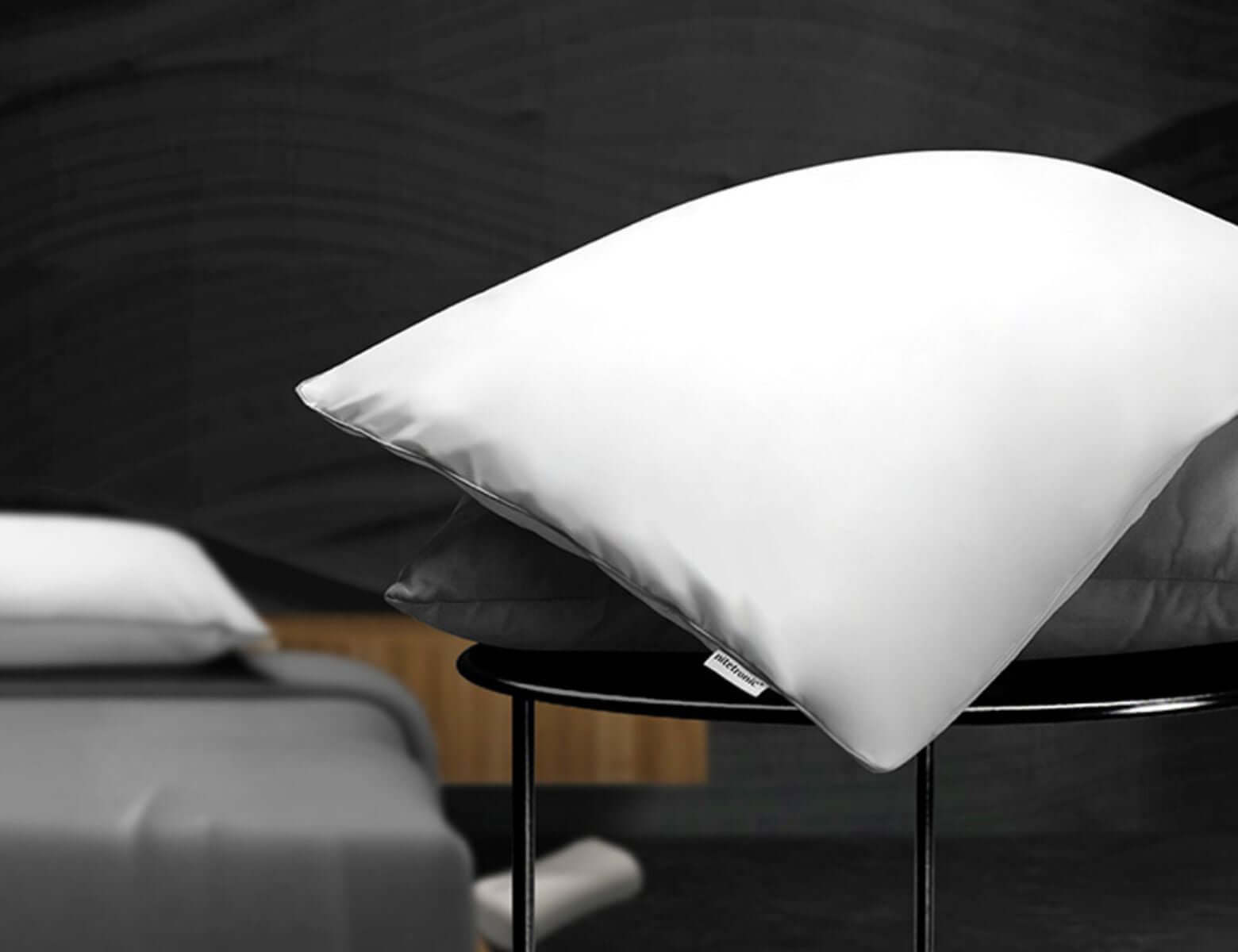
If you mainly sleep on your side, a shaped product such as the Nitetronic Z10 Side-Sleeping Anti-Snore Pillow may be a useful option to compare. Its suitability still depends on personal comfort, body shape and the rest of the sleep setup.
Back sleepers
Back sleepers usually need less height than side sleepers. The aim is to avoid having the chin pressed down toward the chest while still supporting the natural curve of the neck. If you wake with neck stiffness or feel that your head is pitched forward, reduce loft or reassess the pillow's shape.
Combination sleepers
Combination sleepers need a compromise. Look for a design that stays comfortable when you turn rather than one that only works in a single, perfectly staged position. Adjustable height can be useful when you are uncertain where to begin.
A five-night loft test
Avoid judging a pillow after one night. Use a short, repeatable test instead.
- **Choose a baseline.** Spend two nights with your current comfortable setup and note neck comfort, sleep position and any reported snoring.
- **Change only height.** Do not change pillowcase, mattress topper, app settings and sleep schedule at the same time.
- **Use small adjustments.** If your pillow allows inserts or layers, change one layer rather than making a large jump.
- **Check morning signals.** Note neck tension, shoulder pressure, headaches, repeated waking and whether you moved away from the pillow overnight.
- **Compare similar nights.** Congestion, alcohol, late meals, stress and room temperature can all influence sleep and snoring. Look for a pattern, not a single “best” score.
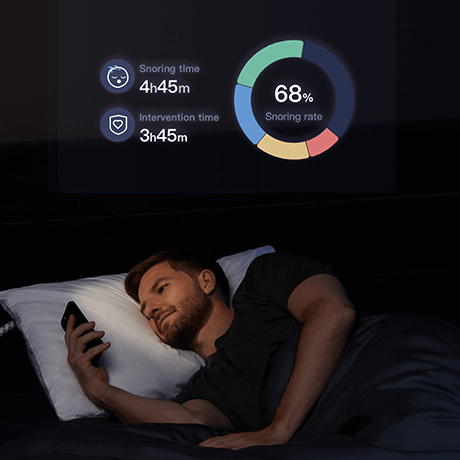
If you use a consumer sleep app, keep the phone placement and settings unchanged during the test. The results can help you spot trends, but they do not diagnose a breathing disorder.
Signs your pillow may be too high
Common clues include:
- Your chin feels pushed toward your chest when you lie on your back.
- You wake with upper-neck stiffness or jaw tension.
- Your shoulder is compressed or your ear feels pressured when you lie on your side.
- You keep moving to the edge of the pillow during the night.
- The pillow looks tall, but you do not feel settled or supported.
Signs it may be too low
You may need more support when:
- Your head drops toward the mattress while side sleeping.
- You tuck an arm, hand or extra pillow under your head for height.
- Your neck feels stretched rather than supported.
- You wake after repeatedly re-positioning the pillow.
These signs are guides, not a diagnosis. Persistent pain, numbness or worsening symptoms are reasons to stop experimenting and seek appropriate professional advice.
Do not turn a pillow test into a medical test
Pillow changes can support comfort and may be relevant for position-related snoring. They cannot diagnose or treat obstructive sleep apnea. Do not rely on a consumer sleep product alone if you notice breathing pauses, choking or gasping, severe daytime sleepiness, morning headaches or persistent loud snoring.
For a broader comparison method, see our 14-night pillow testing guide. You can also use the Nitetronic Snoring Quiz to start a product-fit conversation.
The bottom line
The ideal pillow height is the one that keeps you comfortable enough to use it consistently. Start with your usual position, make one small change at a time and compare several similar nights. If snoring appears related to sleep position, a well-fitted pillow may be part of a practical sleep setup—but it is not a substitute for medical assessment when symptoms suggest a breathing problem.
Frequently asked questions
What pillow height is best for snoring?
There is no universal height. The best starting point depends on your main sleep position, shoulder width, body shape and mattress firmness. Aim for comfort and neutral head-and-neck support rather than the tallest pillow.
Should side sleepers use a higher pillow?
Often, but not always. Side sleepers usually need enough height to fill the shoulder-to-head gap. A softer mattress may reduce the height needed because the shoulder sinks farther in.
Can a higher pillow stop snoring?
Not reliably. Pillow height may help some people whose snoring changes with position, but snoring has multiple possible causes and no pillow can guarantee a result.
How long should I test a new pillow height?
Five to fourteen nights is a practical range. Keep other variables steady, track comfort as well as reported snoring, and change one setting at a time.
Can a pillow replace CPAP or other prescribed treatment?
No. A consumer pillow is not a replacement for CPAP, an oral appliance or other prescribed care. Speak with a qualified professional about symptoms such as breathing pauses, gasping or significant daytime sleepiness.

Leave a comment
This site is protected by hCaptcha and the hCaptcha Privacy Policy and Terms of Service apply.