








A regular pillowcase may fit over some smart pillows, but “it fits” is not the same as “it works correctly.” Sensors, moving support zones, unusual shapes, hoses, ports, and control panels can all change what a pillowcase needs to do.
The best cover protects the pillow without restricting its intended movement, blocking ventilation, or placing pressure on connections.
Why smart-pillow fit is different
Traditional pillows are usually soft, compressible rectangles. Smart pillows may have:
- contoured or asymmetrical shapes;
- moving air chambers;
- embedded sensors;
- buttons, charging ports, or control panels;
- hoses connecting to an external unit;
- removable technical covers.
A case that is too small can compress these features. One that is too loose may bunch under the head or interfere with a sensor surface.
When a standard pillowcase may work
A standard case may be suitable when:
- its internal dimensions comfortably exceed the pillow’s length and width;
- the fabric stretches without creating strong tension;
- the open end does not press against a hose or connector;
- it does not cover controls that need to remain accessible;
- the manufacturer permits an additional case.
Test the pillow’s normal adjustment after fitting the case. The cover should lie smoothly while allowing the pillow to return to its normal shape.
When a model-specific case is the safer choice
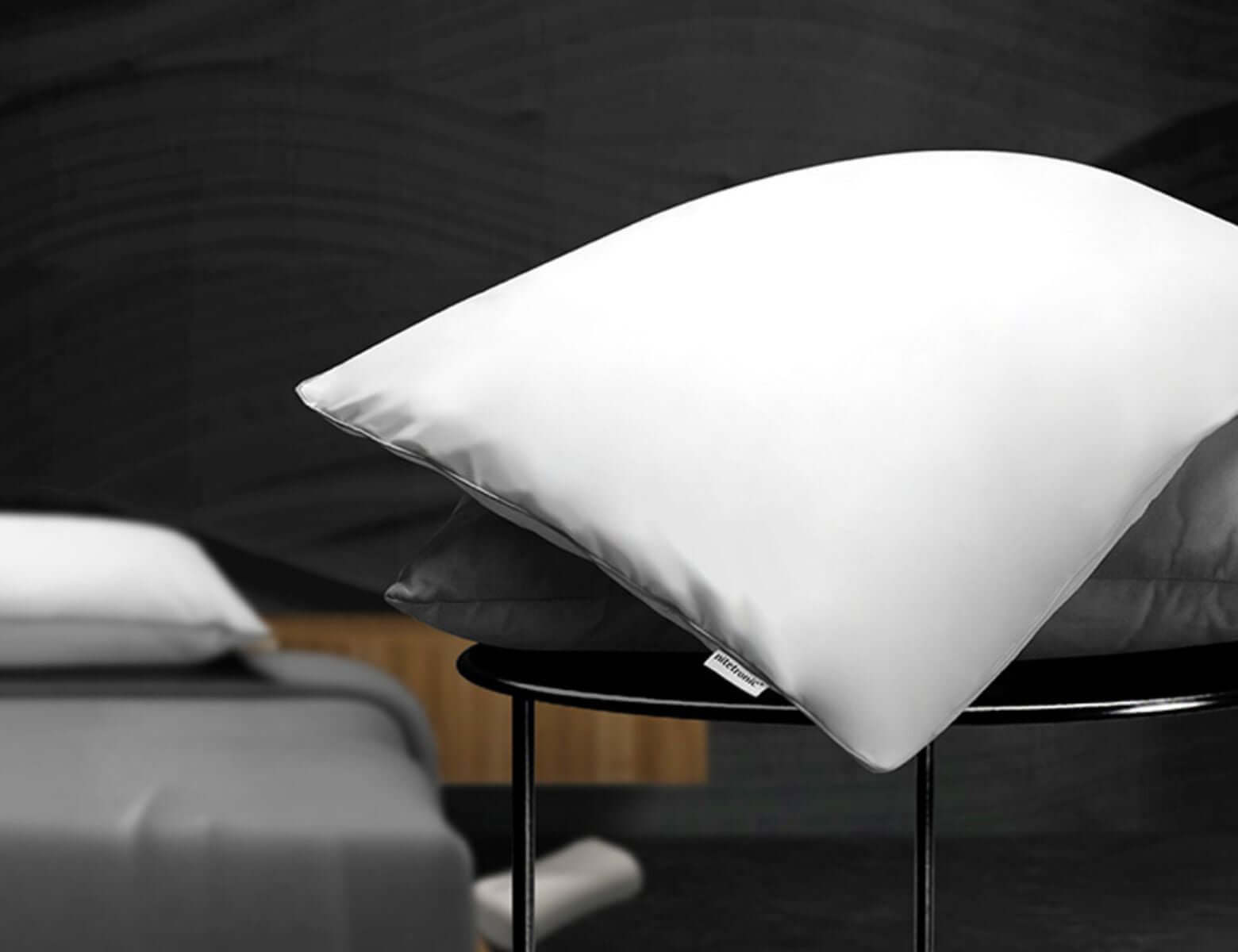
A dedicated pillowcase is useful when the product has a custom outline, integrated movement, or a connection point that needs a correctly placed opening.
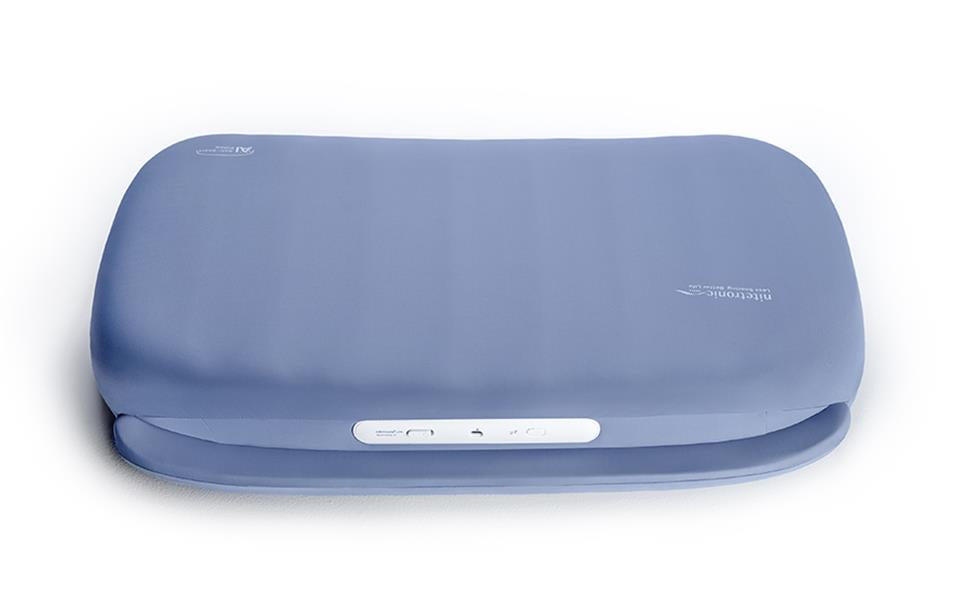
The Nitetronic A1 AI Anti-Snore Pillow, for example, has a compact shaped body with responsive support zones. A case designed for its dimensions avoids excess compression and keeps the intended sleep surface smooth.
A model-specific case may also provide:
- correctly positioned seams;
- adequate stretch around moving areas;
- access to charging or control points;
- fabric selected for the product’s surface and motion;
- a neater fit with less bunching.
Four fit checks before sleeping
1. Check length, width, and depth
Measure all three dimensions. Pillowcase labels often emphasize length and width, but a thick smart pillow also needs enough depth.
2. Inspect the seams
Make sure a seam is not pulled tightly across an air chamber, moving panel, button, or sensor zone. Stress concentrated on one edge can restrict movement and shorten fabric life.
3. Check every connection
Hoses and cables should leave the pillow without sharp bends. Do not route them beneath the sleeper or trap them between the mattress and bed frame.
4. Run a functional test
Turn on the pillow and check its normal movement with nobody lying on it, following the manual. Stop if the case pulls, twists, blocks motion, or presses a control.
Fabric: stretch, breathability, and friction
Stretch
A small amount of multi-directional stretch can help a case follow a contoured surface. Too little stretch may compress the pillow; extreme looseness may create wrinkles.
Breathability
Fabric and weave influence airflow and moisture comfort. A heavy waterproof layer may protect against spills but can feel warmer and may restrict ventilation or movement.
Friction
Very slippery fabric can shift during the night, while rough fabric may pull against a moving surface. A smooth, stable knit is often easier to keep in place.
Seams and closures
Hidden zippers or envelope closures should sit away from the face and avoid pressing into technical components. Close zippers before washing to reduce snagging.
Pillowcase versus protector
A pillowcase is the sleep-facing textile layer and is changed frequently. A protector adds another barrier against sweat, oils, or minor spills.
Using both adds thickness and tension. Before layering them:
- confirm the protector is allowed;
- check that the pillow can still move normally;
- make sure ventilation is not blocked;
- avoid tightly fitted waterproof covers unless specifically recommended.
More protection is not automatically better if it prevents the product from functioning as designed.
How to wash a smart-pillow case
Always follow the care label. A typical routine for a removable washable case is:
- Power off and disconnect the pillow as instructed.
- Remove only components identified as removable.
- Close zippers and fasteners.
- Use the labeled water temperature and wash cycle.
- Avoid bleach, softener, or high heat unless permitted.
- Dry completely before refitting.
Never put the complete smart pillow, sensors, air system, battery, cable, or controller in a washer unless the manufacturer explicitly says it is washable.
For broader maintenance guidance, see Smart Pillow Care: How to Clean, Protect, and Store the System.
How many spare cases are useful?
Two cases are practical for most households: one on the pillow and one available during washing. A third may help in humid climates, for frequent travelers, or when the cover needs extra drying time.
If buying a spare, verify the exact pillow model. Cases for different generations may look similar but have different dimensions, seams, or openings.
Warning signs of a poor fit
Remove the case and reassess if you notice:
- the pillow stays compressed when not in use;
- air chambers move unevenly;
- fabric pulls tightly across a control area;
- a hose or cable bends sharply;
- the case repeatedly twists or slides;
- new noise appears during adjustment;
- seams leave uncomfortable pressure marks.
Do not force a smaller case onto the pillow.
Frequently asked questions
Can I use a queen pillowcase on a smart pillow?
Possibly, if its dimensions, depth, and stretch allow a smooth fit without restricting movement or covering connections. Check the product manual first.
Does a tight pillowcase stop a smart pillow from working?
It can restrict moving zones, compress the shape, or stress seams and connectors. Run a functional check after fitting any new case.
Can I use a waterproof protector?
Only when the manufacturer allows it and the protector does not block movement or ventilation. Waterproof layers may also feel warmer.
How often should I wash the case?
Follow the care label and adjust for perspiration, climate, allergies, and personal preference. Keep the case completely dry before refitting it.
Are A1, Z6, and Z1 pillowcases interchangeable?
Do not assume they are. Verify the exact model, size, seam placement, and connection openings before ordering.
The bottom line
Some smart pillows can use a carefully chosen standard case, but custom-shaped or moving systems often benefit from a model-specific cover. Prioritize correct dimensions, gentle stretch, clear connections, ventilation, and normal device movement. The case should protect the pillow—not fight the technology inside it.


Leave a comment
This site is protected by hCaptcha and the hCaptcha Privacy Policy and Terms of Service apply.