






Smart mattress pad, smart mattress topper, and smart mattress cover are often used as if they mean the same thing. They do not. The label can describe anything from a thin sensor layer to a substantial comfort system with massage, warming, or adjustable air support.
The easiest way to compare them is to ignore the marketing name at first and ask three questions: How thick is it? What does it change? What must be connected or maintained?
Mattress cover or protector
A mattress cover is usually the thinnest layer. Its main jobs are to protect the mattress surface, improve hygiene, or hold embedded sensors close to the sleeper.
What it may do
- Protect against sweat, dust, or minor spills.
- Add a washable surface.
- Hold basic sleep-tracking sensors.
- Provide a fitted attachment around the mattress.
What it usually does not do
- Significantly change mattress firmness.
- Provide deep cushioning.
- Create strong massage or adjustable support.
A smart cover suits shoppers who are happy with their mattress feel and mainly want monitoring or protection with minimal added thickness.
Mattress pad
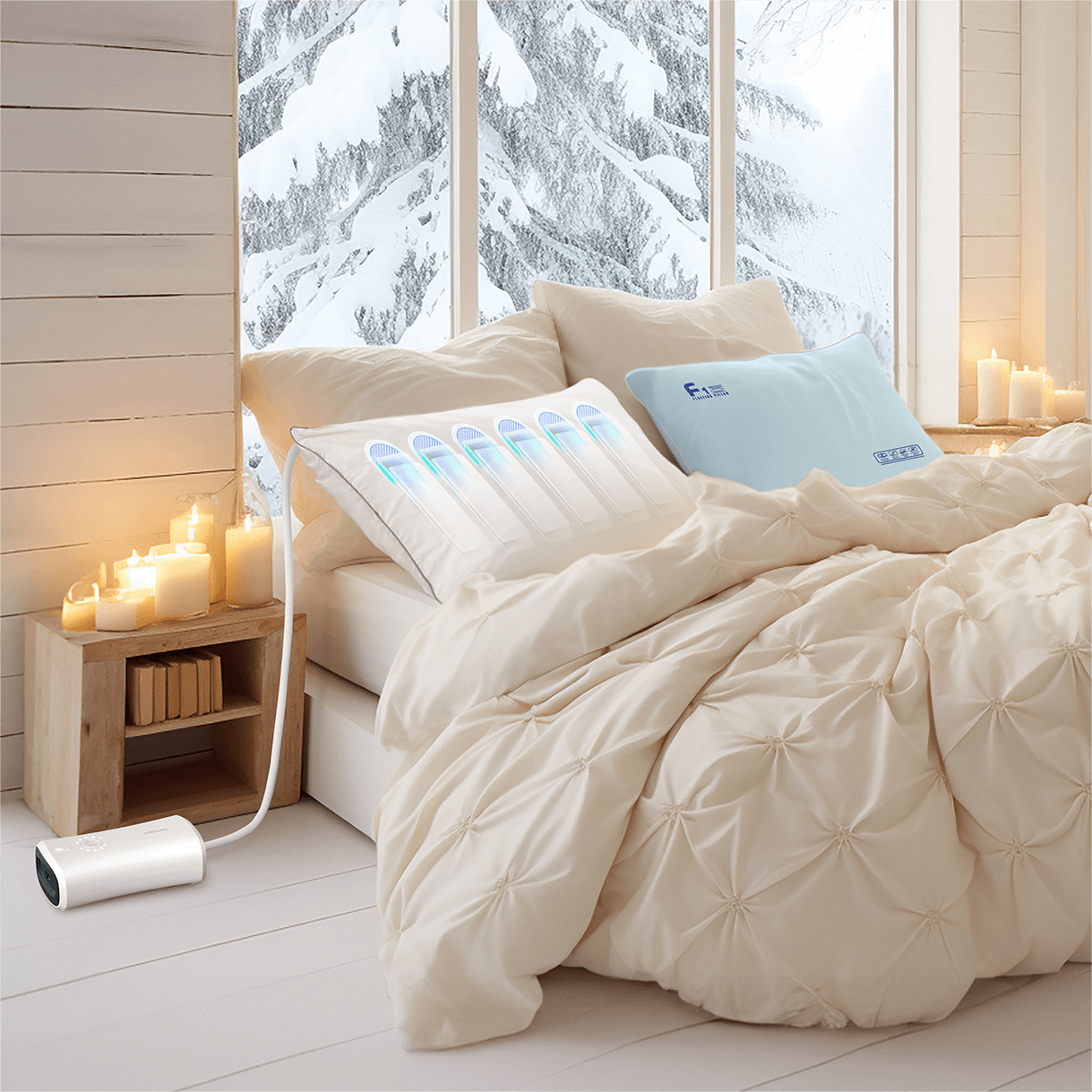
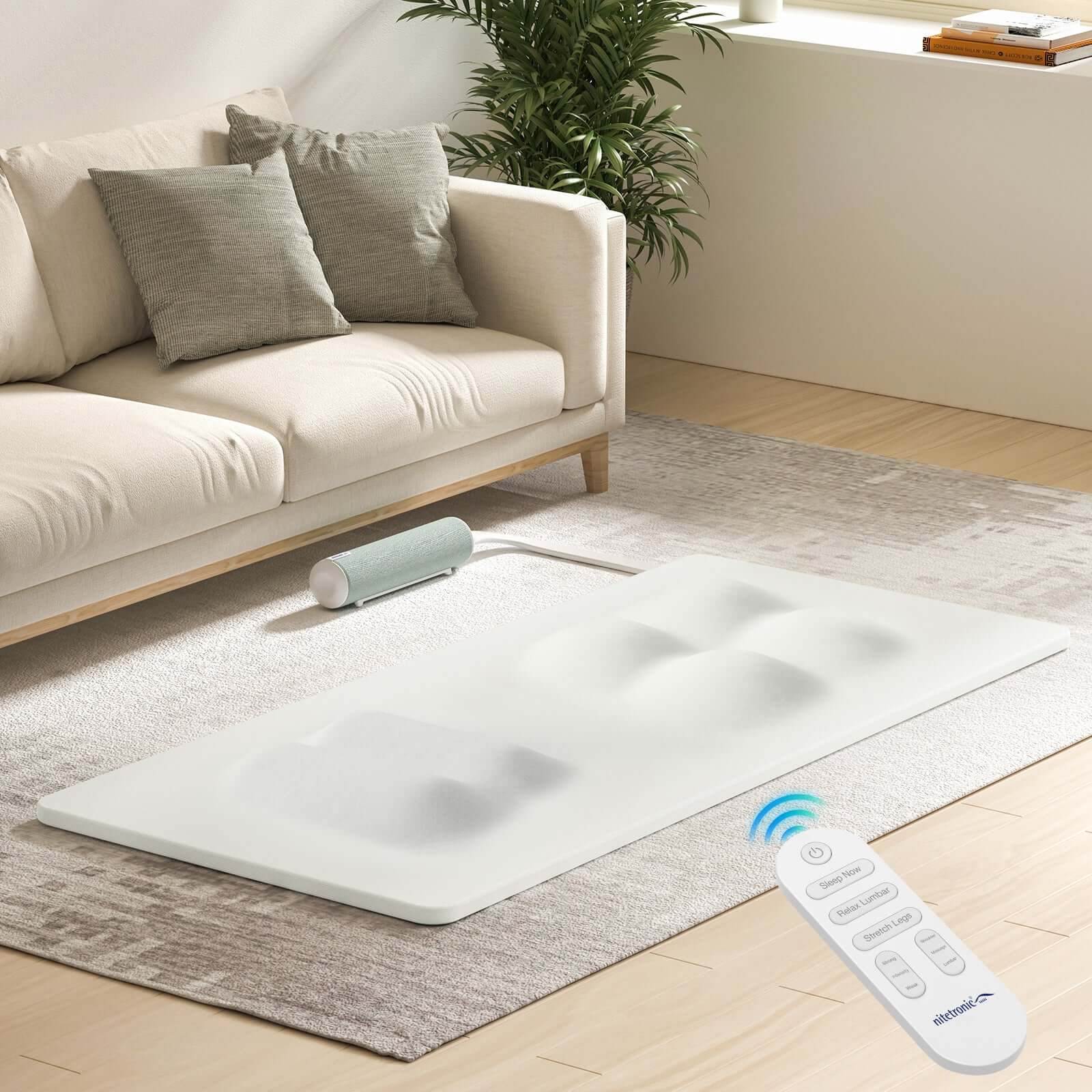
A mattress pad sits between a thin protector and a thick topper. Traditional pads add light cushioning, while smart versions may include warming zones, sensors, vibration, or air-driven movement.
What it may do
- Add modest comfort without replacing the mattress feel.
- Provide heating or other powered functions.
- Track selected sleep-related signals.
- Offer gentle movement, massage, or targeted support.
Practical considerations
- Powered pads need cable and controller placement.
- Embedded components can restrict washing methods.
- The pad must remain flat and secure beneath the sheet.
- Added hardware may be noticeable to sensitive sleepers.
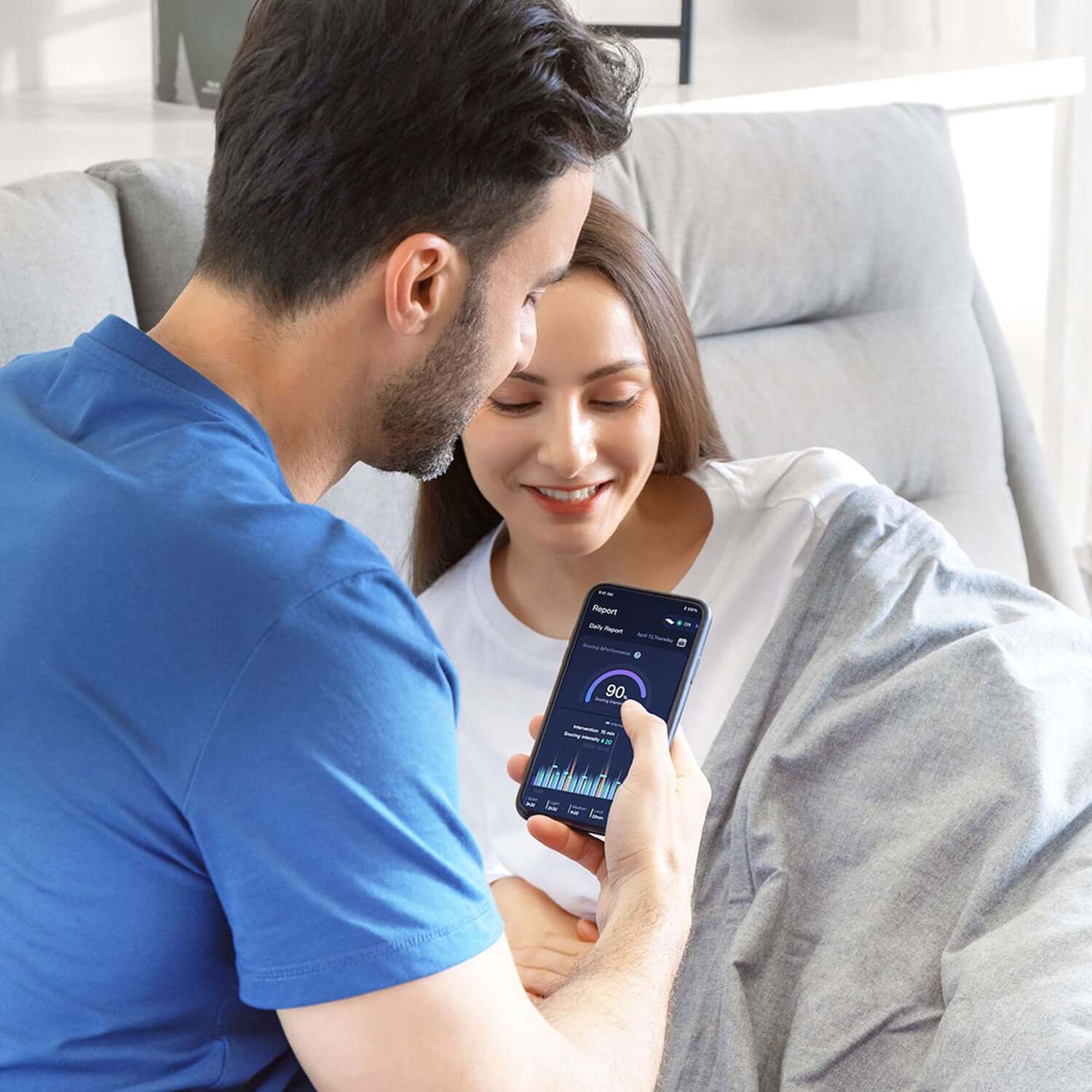
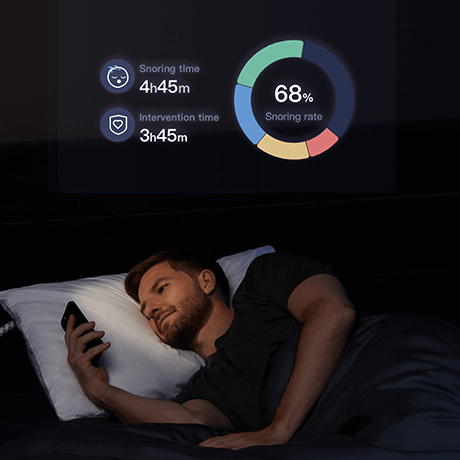
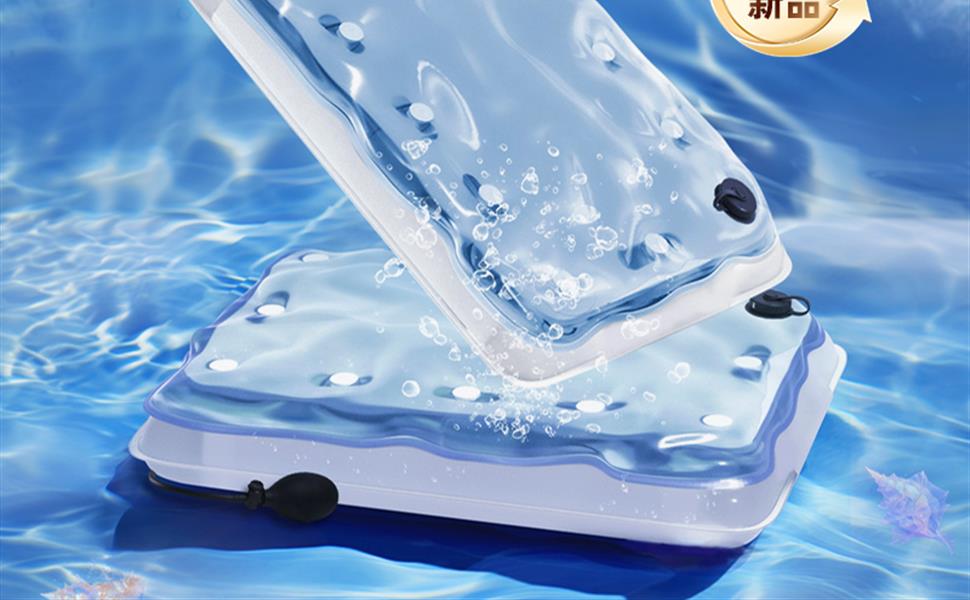
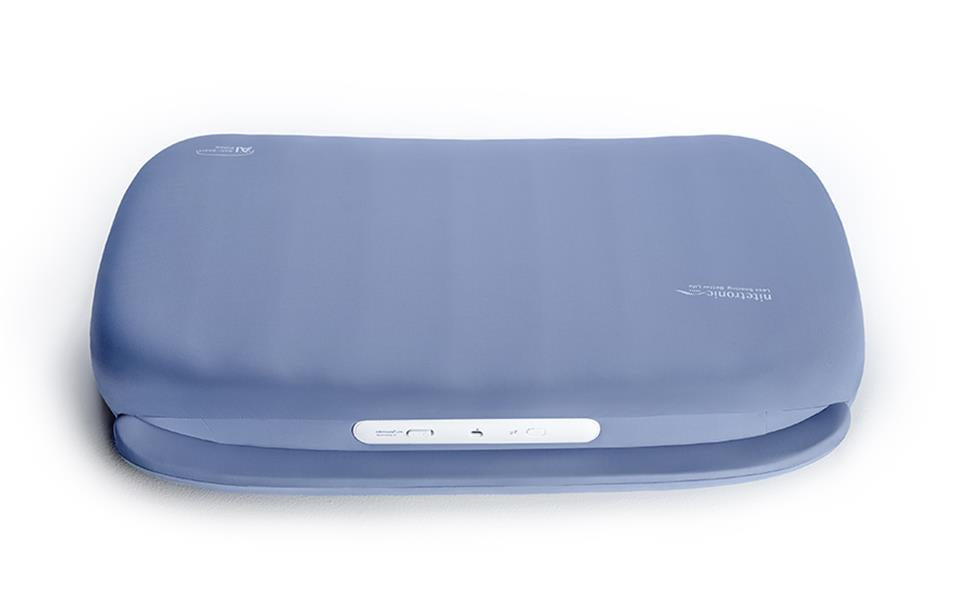
The Nitetronic G1 Smart Massage Mattress Pad is a more substantial smart pad. It combines air-driven massage zones, warming, sensor-based sleep tracking, app features, and a wired controller. Its care instructions specify spot cleaning rather than machine washing.
Mattress topper
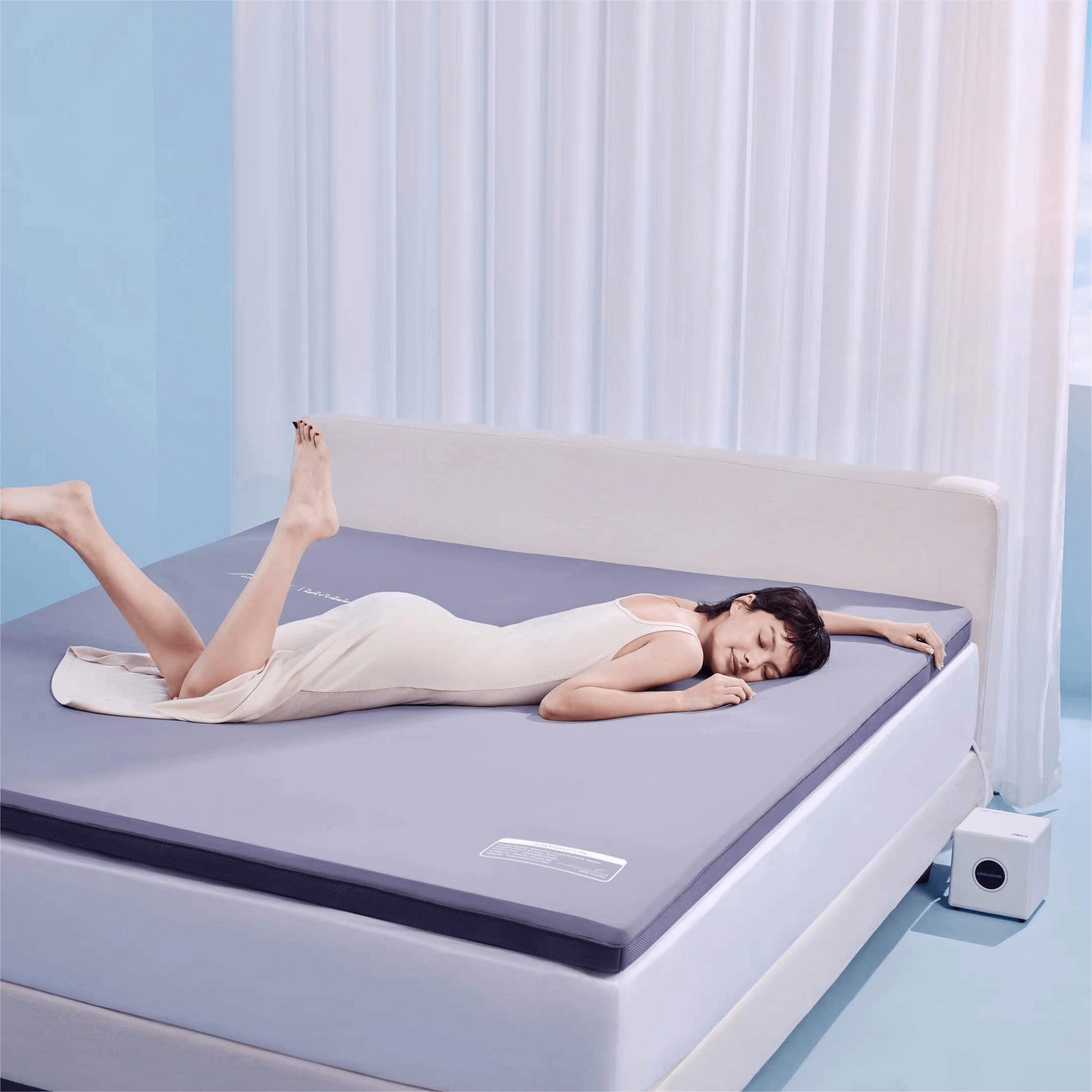
A topper is generally the thickest removable layer. Its primary purpose is to change how the bed feels by adding cushioning, pressure distribution, firmness, or support.
Smart toppers may add powered air chambers, heating, cooling, or massage, but thickness remains an important distinction.
What it may do
- Create a noticeable comfort change.
- Add foam, latex, fiber, or air-based support.
- Extend the usable comfort of a mattress that is still structurally sound.
- Include active temperature or massage features.
What it cannot fix
A topper cannot repair a deeply sagging, broken, or structurally failed mattress. Adding technology on top of a damaged foundation may conceal the problem briefly without correcting it.
Why product names overlap
There is no universal naming standard that every retailer follows. One brand may call a 2-inch product a pad, while another calls a much thinner layer a topper.
Compare measurable details instead:
- total thickness;
- material layers;
- attachment method;
- weight;
- power requirements;
- removable and washable components;
- heating, cooling, massage, or tracking functions;
- supported mattress sizes.
The feature list tells you more than the category name.
Side-by-side comparison
| Layer | Typical thickness | Main purpose | Likely smart features | Biggest tradeoff |
| --- | --- | --- | --- | --- |
| Cover/protector | Thin | Protection or sensing | Basic tracking, alerts | Minimal comfort change |
| Pad | Thin to medium | Light comfort plus functions | Warming, sensors, massage | More complex cleaning |
| Topper | Medium to thick | Noticeable feel change | Air support, temperature, massage | Bulk, weight, and storage |
Choose based on the problem you want to solve
“I like my mattress, but I want basic tracking”
A thin smart cover may be enough. Check whether it tracks the information you actually use and whether its app requires a subscription.
“I want warming, massage, or gentle movement”
A smart pad is often the most direct fit. Review noise, controller placement, cable routing, and how the internal components feel beneath the sheet.
“My mattress feels too firm”
A topper may provide a more noticeable comfort change. Choose material and thickness first, then evaluate whether smart features add enough value.
“My mattress is sagging”
Inspect the mattress foundation and structure before buying an add-on layer. A cover, pad, or topper is not a structural repair.
Questions to ask before buying
Will it fit the mattress and fitted sheet?
Measure mattress width, length, and height. A thick topper or smart pad may require deep-pocket sheets.
Where will the controller go?
Powered systems may use a bedside controller, floor unit, power supply, or phone app. Plan cable routing so cords are not pinched or placed where someone can trip.
How is it cleaned?
Do not assume the complete product is washable. Check whether the cover detaches, which parts can be machine washed, and whether the main layer is spot-clean only.
What happens without the app or internet?
Determine whether essential functions work from physical controls, whether an account is required, and whether any features depend on a subscription.
Will it disturb a partner?
Ask whether warming, massage, air movement, or firmness can be controlled by side. Also consider operating sound and movement transfer.
What data does it collect?
Review the product’s privacy policy, account settings, retention terms, and export or deletion options before enabling tracking.
A seven-night fit test
Once installed, keep the test simple:
- Use the same sheet and bedding each night.
- Begin with the lowest comfortable massage or warming setting.
- Record setup time, noise, and controller convenience.
- Note whether the layer shifts or bunches.
- Rate comfort at bedtime and in the morning.
- Check whether the feature you bought is actually used.
- Stop using the product if it becomes damaged, overheats, or causes discomfort.
For a broader introduction to smart sleep surfaces, read AI Mattress Technology: What Smart Mattress Pads Actually Track and Adjust.
Frequently asked questions
Is a mattress pad the same as a topper?
Usually not. A topper is generally thicker and changes the bed feel more noticeably, while a pad is thinner and often adds lighter comfort or specific functions. Retailer terminology varies, so compare specifications.
Can a smart pad replace a mattress?
No. It is an add-on layer and still depends on a supportive mattress and foundation.
Are smart mattress pads machine washable?
Some removable covers may be washable, but powered layers usually are not. Follow the exact care label and disconnect components only as instructed.
Do all smart mattress layers require an app?
No. Some use physical controls, some combine an app and controller, and others depend heavily on a connected account. Check which functions remain available offline.
Can sleep-tracking data diagnose a disorder?
Consumer tracking may show patterns, but it does not replace professional evaluation or a clinical sleep study.
The bottom line
Choose a cover for protection or minimal sensing, a pad for lighter comfort plus powered functions, and a topper for a larger change in mattress feel. Because category names overlap, compare thickness, construction, controls, care, and actual features before deciding which smart layer belongs on your bed.

Leave a comment
This site is protected by hCaptcha and the hCaptcha Privacy Policy and Terms of Service apply.