




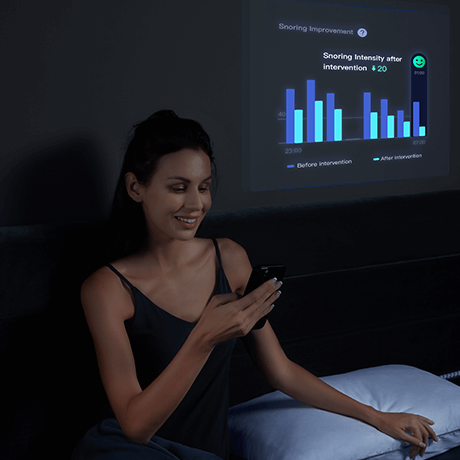
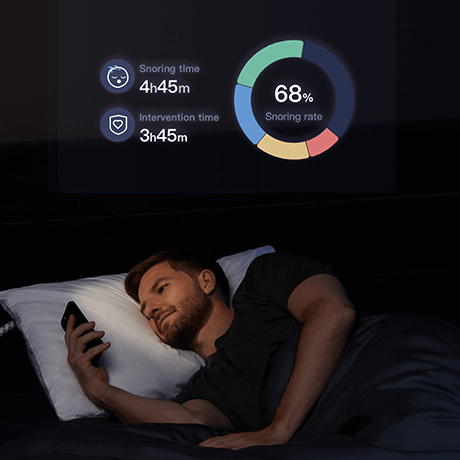
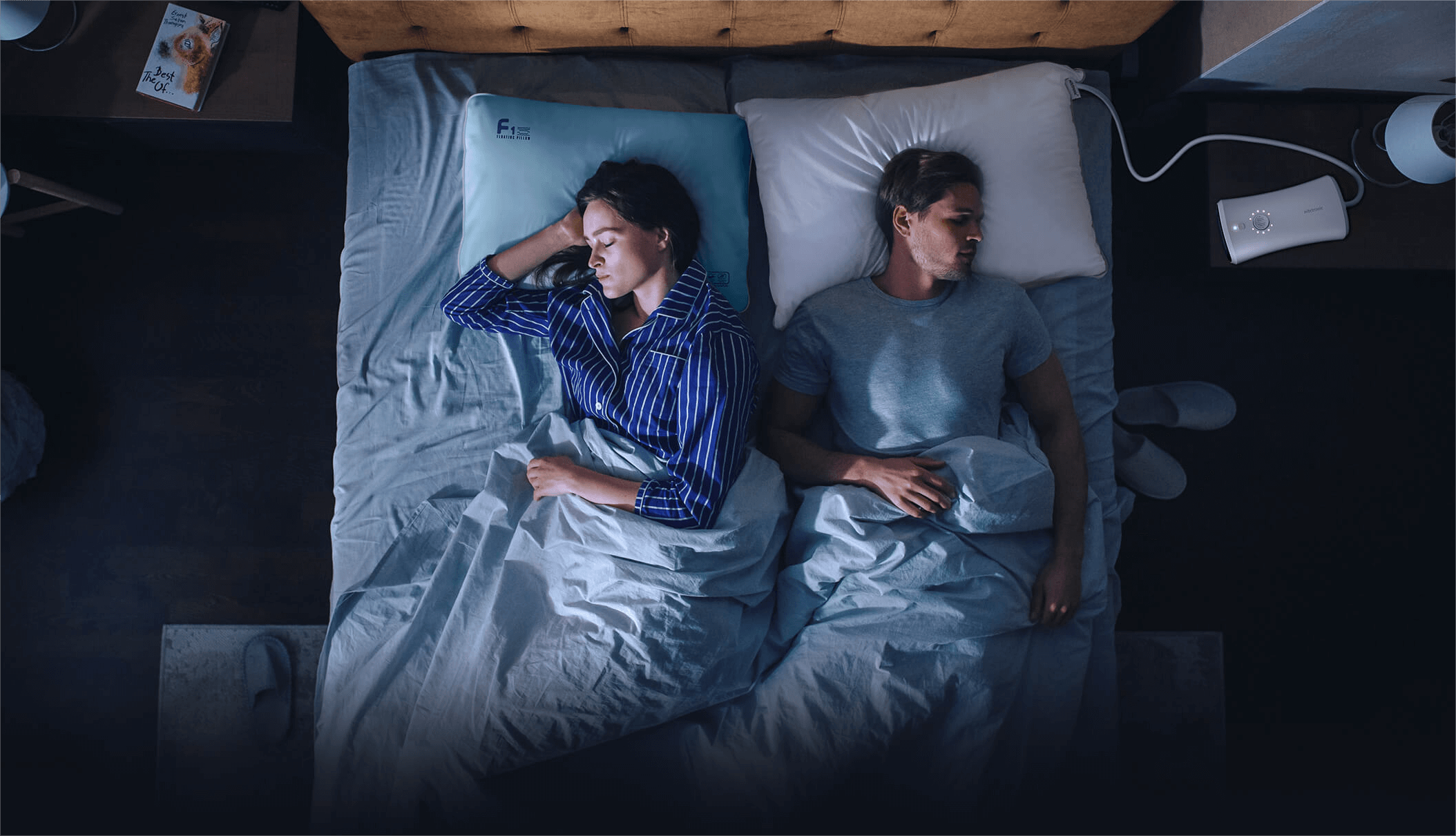

If you are trying a pillow to reduce snoring, one quiet night does not tell you very much. Snoring naturally changes with sleep position, congestion, alcohol, fatigue, room noise and even where a phone is placed. A better approach is to compare several nights under similar conditions and look for a consistent pattern.
This 14-night plan helps you evaluate comfort, setup and snoring trends without treating a consumer pillow or app as a medical test.
Before night one: define what you are testing
Choose one primary question. For example:
- Is the pillow comfortable enough to use through the night?
- Does it help you spend less time snoring when you sleep on your back?
- Does your partner notice fewer or shorter snoring episodes?
- Does a smart pillow respond without waking you?
Do not change the pillow, mattress topper, bedtime routine and app settings all at once. When several variables change together, the result is difficult to interpret.
Nights 1–3: establish a baseline
If practical, record three ordinary nights before changing your setup. Note bedtime, wake time, main sleep position, congestion, alcohol, unusual fatigue and whether a partner or pet shared the room.
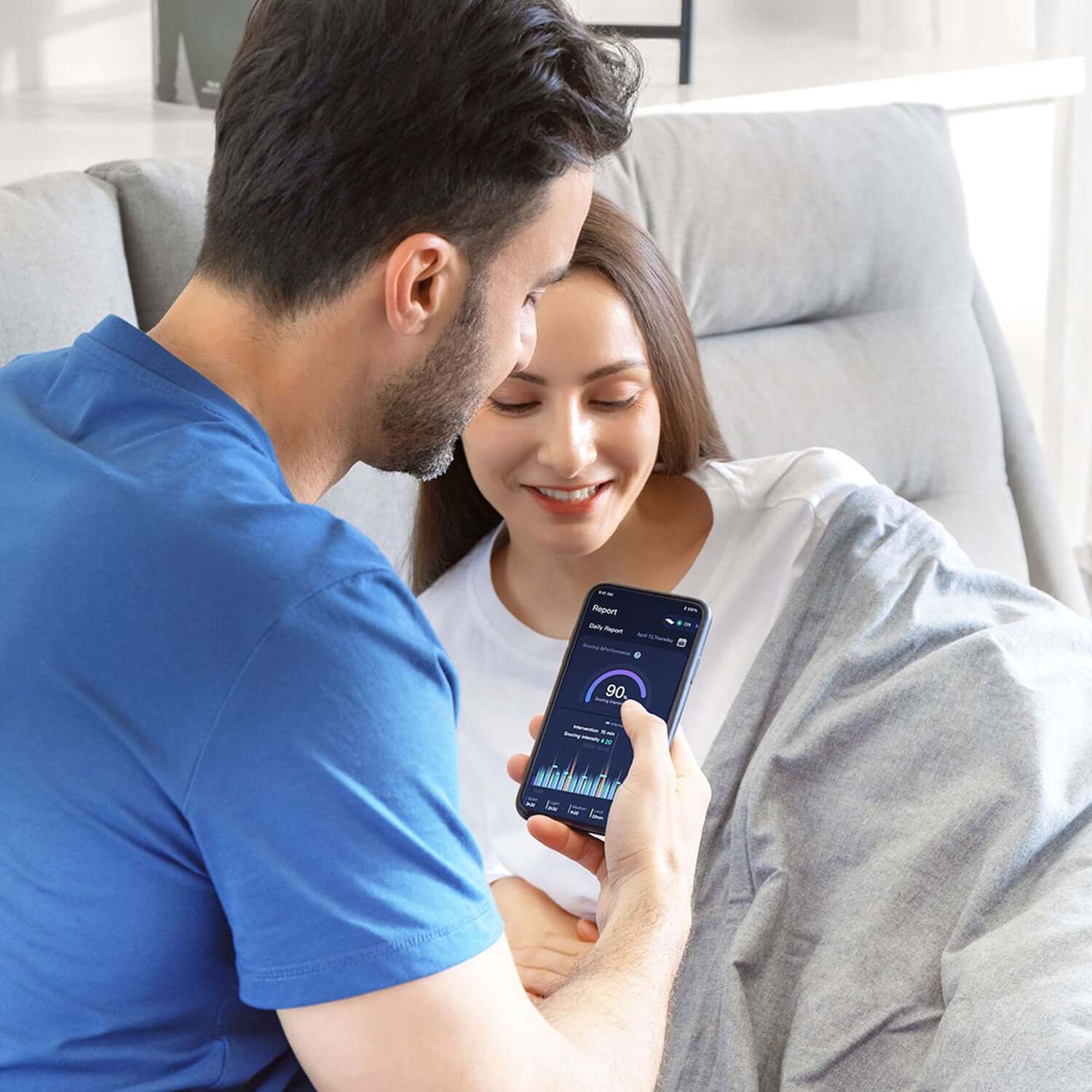
A phone app can provide a useful trend, but it may also capture a partner, traffic, a fan or television. Keep the recording device in the same place each night and use the same sensitivity setting.
Persistent loud snoring with breathing pauses, choking, gasping, morning headaches or marked daytime sleepiness needs professional medical assessment. A pillow cannot diagnose or treat obstructive sleep apnea.
Nights 4–6: focus on fit and orientation
Set up the pillow according to its instructions. Check which edge supports the neck, whether a height pad is approved and whether the pillowcase allows the surface to move freely.
Keep your shoulders and head in the intended position. A pillow that is too high can push the chin toward the chest. A pillow that is too low may leave the neck unsupported, especially for a side sleeper.
Our guides to smart anti-snore pillow setup and head placement explain the basic checks in more detail.
Nights 7–10: keep the routine stable
Use the same pillow height and sensitivity for several nights. Record a few simple observations each morning:
- Comfort on a 1–5 scale
- Whether you woke because of the pillow
- Approximate time spent on your back or side
- Snoring duration or frequency from the same recording method
- A partner's observation, if available
The goal is not to chase the lowest score every night. Look for a direction that repeats without sacrificing comfort or sleep continuity.
Nights 11–14: make one controlled adjustment
If the pillow feels comfortable but the trend is unclear, change only one approved setting. This might be a height pad, intervention sensitivity or pillow position on the mattress. Keep everything else as stable as possible.
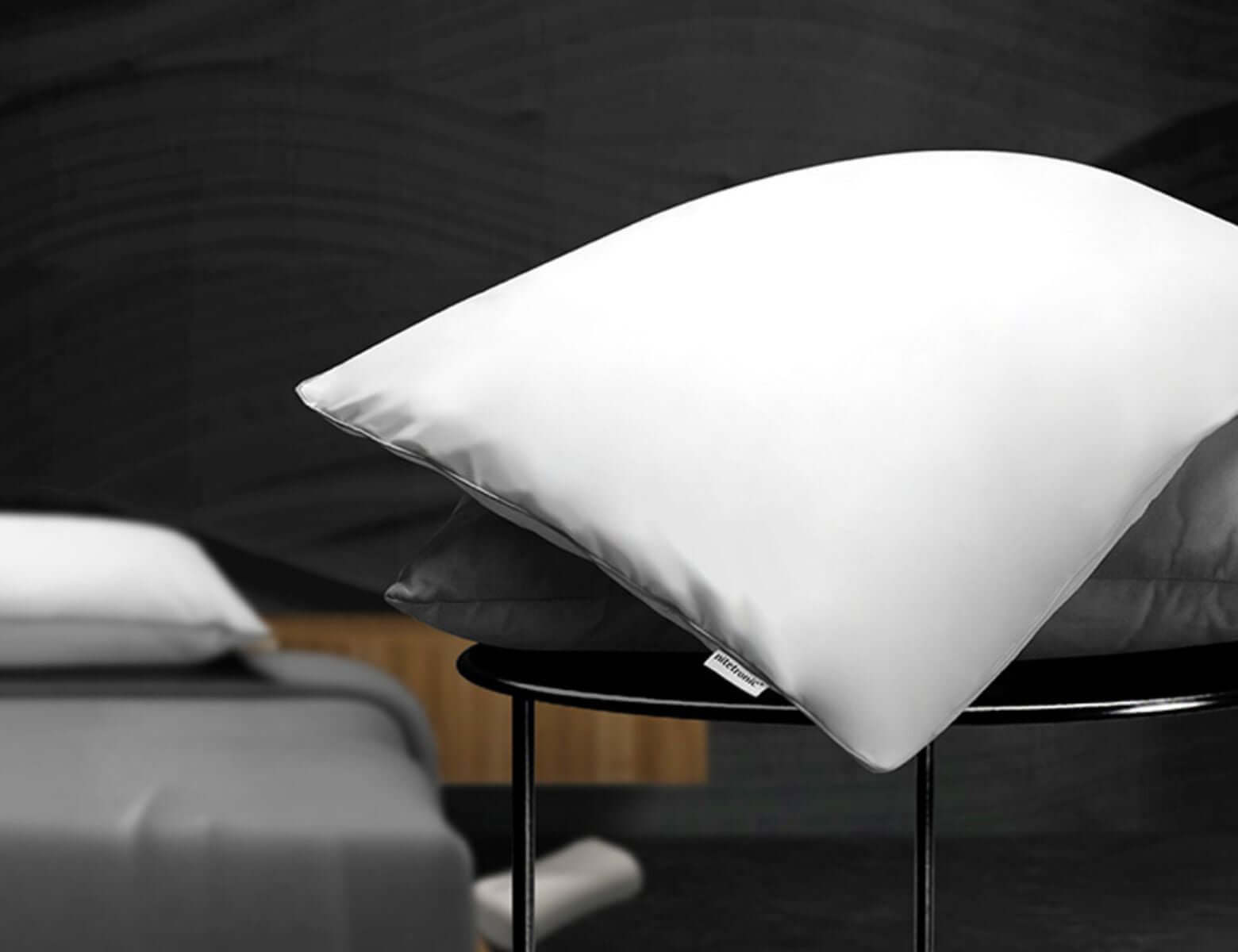
The Nitetronic Z6 Smart Anti-Snore Pillow uses sound and head-position sensing with adjustable air chambers. The Nitetronic A1 AI Anti-Snore Pillow also provides app-based sleep information. For either model, follow the product instructions and use approved accessories rather than adding an ordinary pillow underneath.
How to read the result
A promising result should appear across several nights, not only once. Compare the median or typical night from each phase rather than the single best score.
Consider the test useful when:
- comfort remains acceptable;
- setup is consistent;
- snoring measures improve on several comparable nights;
- a partner notices a similar change;
- the pillow does not repeatedly disturb sleep.
If recordings improve but comfort worsens, the setup still needs attention. If comfort improves but snoring does not, the pillow may still be useful for sleep support, but the anti-snoring result is not established.
Common reasons the comparison becomes unreliable
- Moving the recording phone between the nightstand and bed
- Comparing a congested night with a normal night
- Changing height and sensitivity together
- Using different pillowcases that alter the contour
- Judging the product after only one or two nights
- Treating an app score as a clinical diagnosis
FAQ
How many nights should I test an anti-snore pillow?
Fourteen nights provides a practical first comparison. Some sleepers need longer to adapt, but discomfort, numbness, pain or repeated sleep disruption should not be ignored.
Should I choose the highest intervention setting first?
No. Begin with the manufacturer's recommended setting. A stronger response is not automatically more effective and may reduce comfort.
Can I use a snoring app to prove that the pillow works?
An app can show trends, but it cannot prove a medical outcome. Microphone placement, room noise and another sleeper can affect recordings.
What if my partner reports an improvement but the app does not?
Check whether the phone position or sensitivity changed. Continue for several comparable nights and consider both observations rather than relying on one measure.
Does a pillow replace sleep-apnea treatment?
No. Anyone with suspected or diagnosed sleep apnea should follow advice from a qualified clinician and continue prescribed treatment.
The practical takeaway
To test a pillow to reduce snoring, keep the setup stable, track several comparable nights and change one variable at a time. Comfort and uninterrupted sleep matter alongside any change in snoring. Use consumer data as a trend, not a diagnosis.

Leave a comment
This site is protected by hCaptcha and the hCaptcha Privacy Policy and Terms of Service apply.