



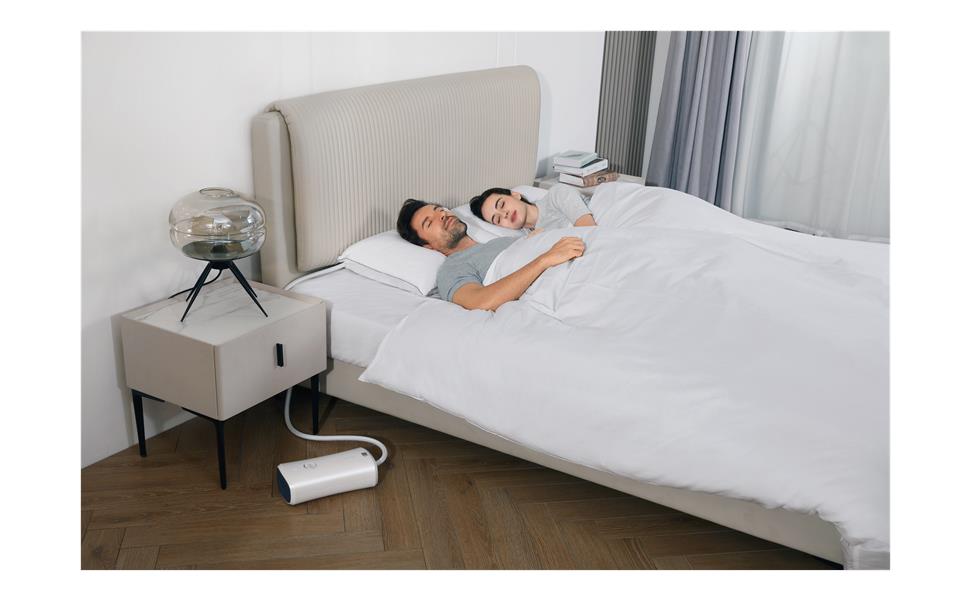
The phrase “smart pillow” can mean very different things. Some pillows include sensors that record sleep information. Others change height, temperature or support. For people who snore, the most useful question is not whether a pillow is smart—it is what it does during the night, how comfortably it fits, and what its data can and cannot tell you.
This guide explains the main types of smart pillows, how responsive anti-snore models work, and how to test one responsibly at home.
What makes a pillow smart?
A smart pillow is a consumer sleep product with one or more technology features beyond conventional foam, filling or contouring. Depending on the model, it may include sensors, a companion app, responsive air chambers, adjustable support or connectivity for reviewing sleep trends.
Those features can be useful, but they do not turn a pillow into a medical device. A consumer product may help you observe habits or support comfortable positioning; it cannot diagnose sleep apnea or replace prescribed treatment.
Two common smart-pillow approaches
1. Tracking-focused pillows
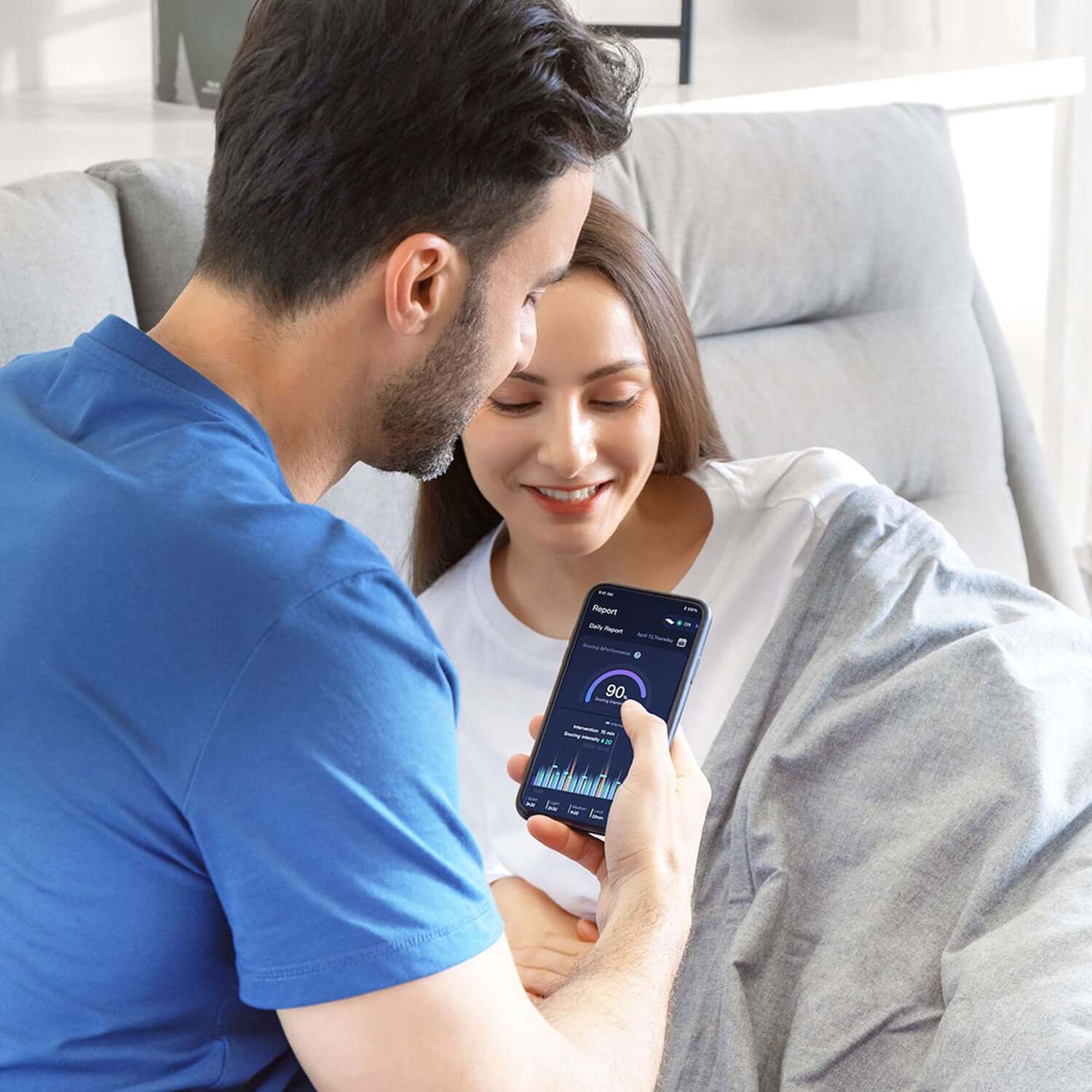
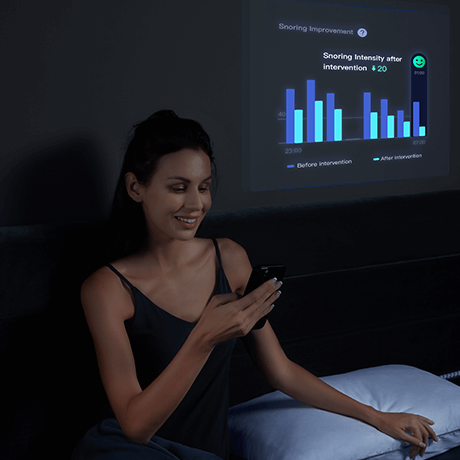
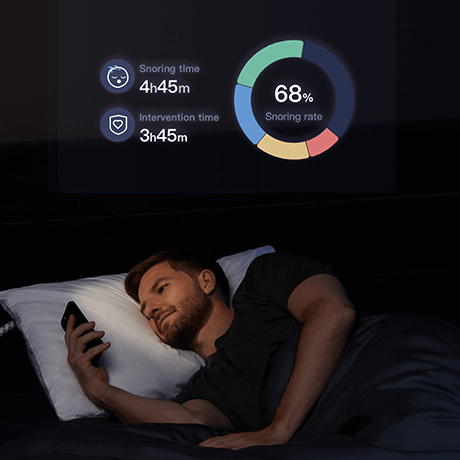
Some products focus on recording movement, sound or sleep timing. Their value is usually in pattern awareness. You may notice, for example, that nights with congestion, late meals or back sleeping tend to coincide with more reported snoring.
Treat these results as clues rather than conclusions. Phone placement, room noise, a partner’s snoring and app settings can affect recordings. A useful app helps you compare similar nights over time instead of reacting to a single score.
2. Responsive support pillows
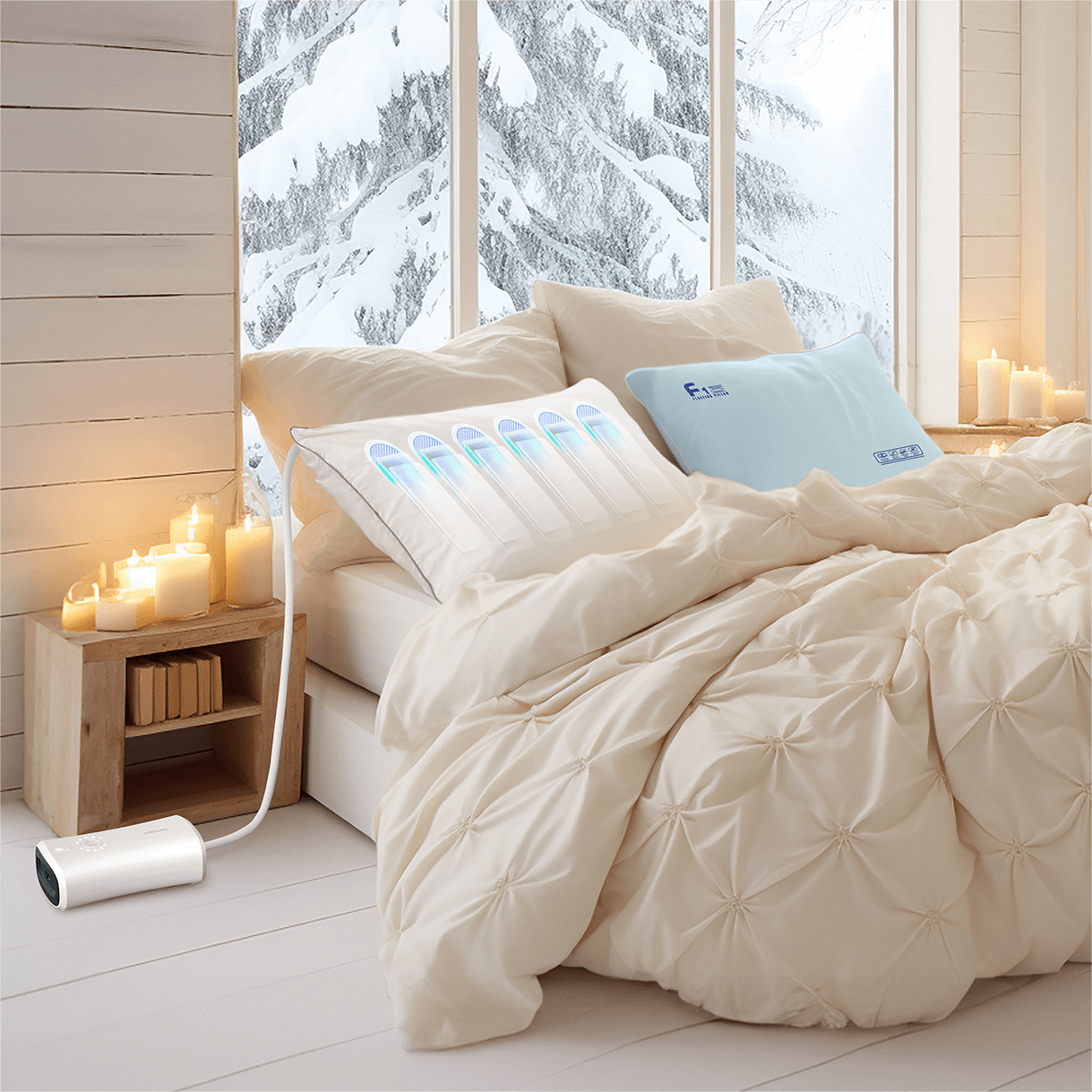
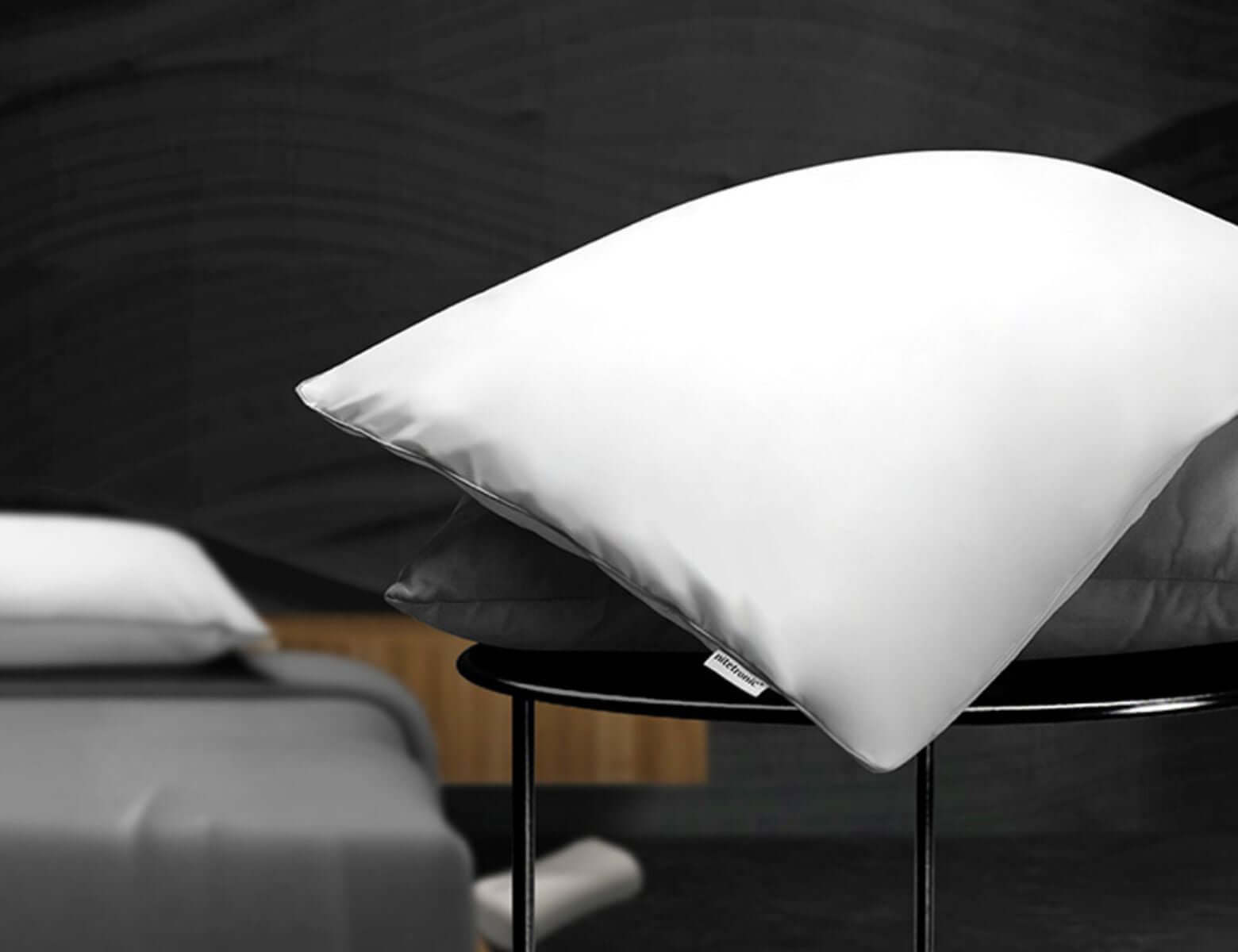
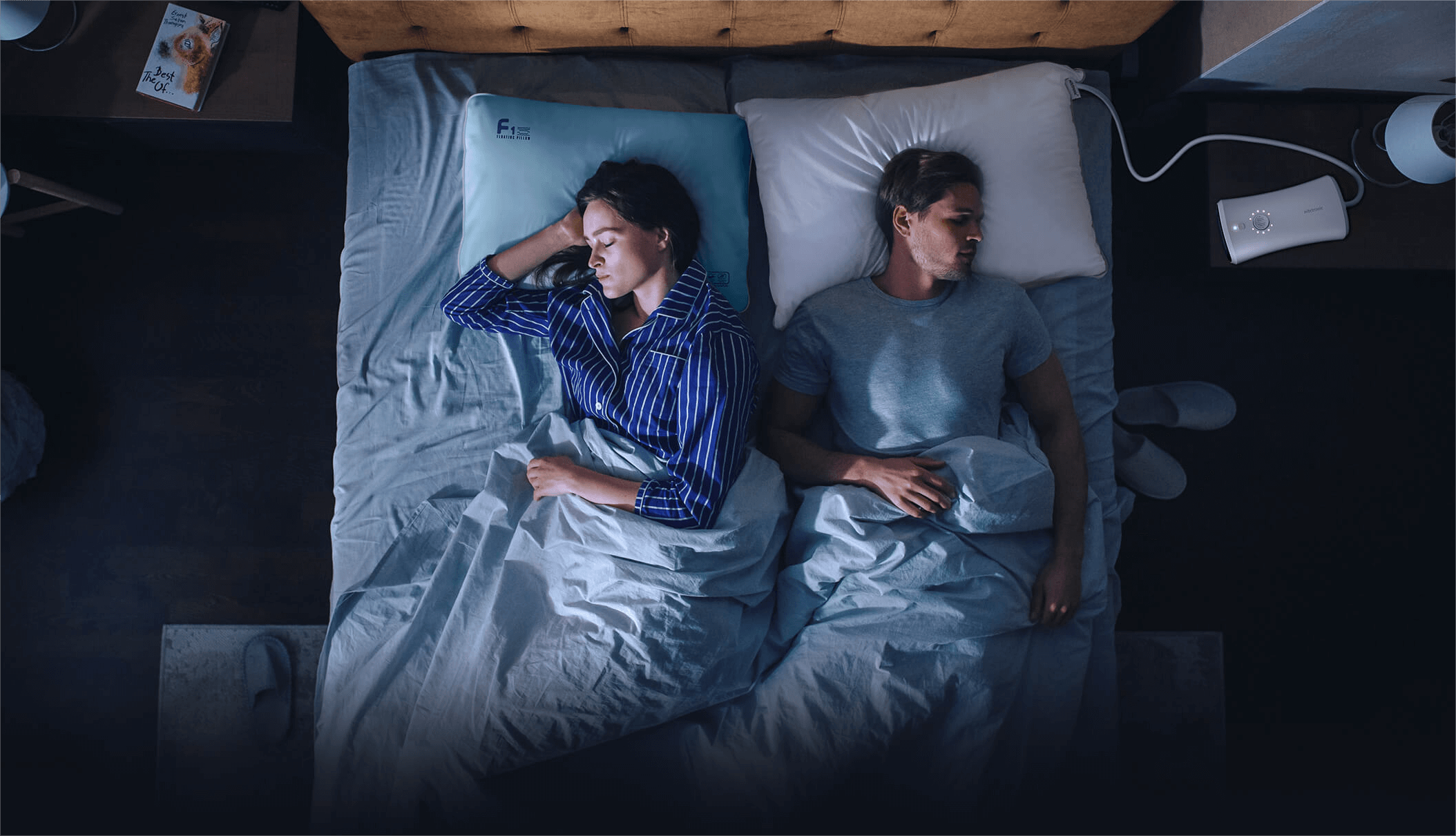
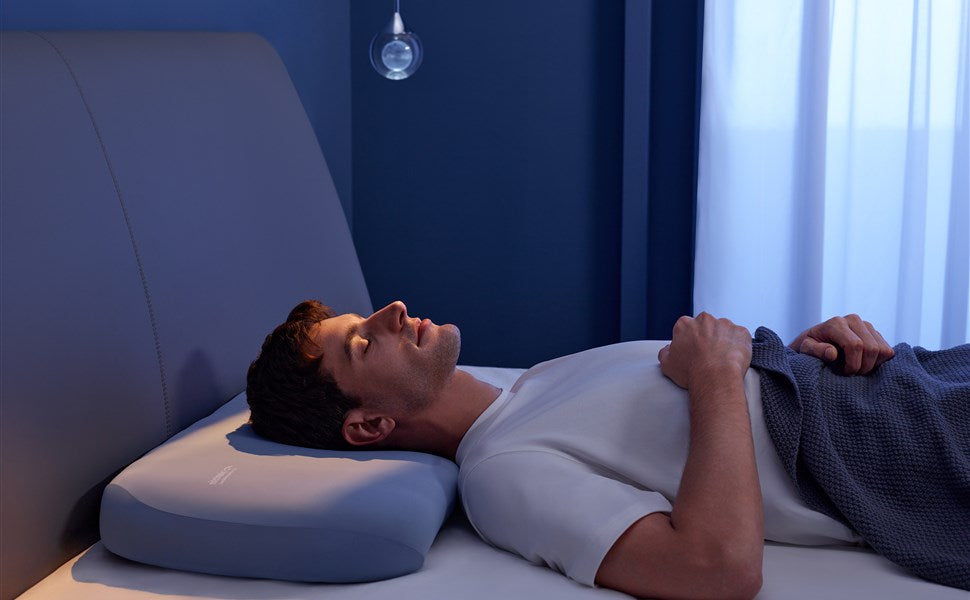
Other products combine sensing with a physical response. The Nitetronic Z6 Smart Anti-Snore Pillow uses sound and position sensing with adjustable air chambers intended to encourage a gentle head-position change when snoring is detected. The Nitetronic A1 AI Anti-Snore Pillow is designed around a similar responsive approach.
The goal is not to force a rigid sleep position. A well-fitted responsive pillow should support a subtle adjustment while preserving normal comfort and movement. Results vary because snoring can have many contributing factors.
Can a smart pillow help with snoring?
It may be useful when snoring is linked to head or sleep position. Many people snore more while lying on their back, after a disrupted routine or when their usual pillow leaves the neck unsupported. A responsive pillow may be worth testing if position changes appear to affect the sound.
It is less appropriate to rely on a pillow alone when there are breathing pauses, choking or gasping, persistent loud snoring, morning headaches, severe daytime sleepiness or other concerning symptoms. In those situations, seek advice from a qualified healthcare professional.
How to choose a smart pillow
Before purchasing, compare the practical details—not just a feature list.
- **Fit and height:** Check how the pillow suits your shoulder width, preferred sleep position and mattress firmness.
- **Response style:** Decide whether you want sleep tracking only or a pillow that can make a gentle adjustment during the night.
- **Nighttime disruption:** Review pump noise, lights, notifications and whether settings can be adjusted gradually.
- **App usefulness:** Look for readable trends and controls, not only a single score.
- **Trial and return policy:** Give your body enough time to adapt before deciding whether the pillow works for your routine.
- **Care and setup:** Confirm pillowcase compatibility, charging or power requirements, and cleaning instructions.
A fair two-week home test
The first quiet night can be encouraging, but it is not enough to judge a sleep product. Snoring changes with congestion, alcohol, stress, sleep debt and room conditions. Try a simple comparison instead.
- Record several baseline nights with your usual pillow.
- Keep bedtime, room setup and measurement method as consistent as practical.
- Start at a comfortable pillow height and conservative sensitivity setting.
- Change only one setting at a time.
- Note both snoring trends and morning comfort.
- If you share a bed, ask your partner to record disturbance separately.
For a fuller setup, see our 14-night pillow testing guide and Snoring Quiz.
Smart pillow data: useful, but not diagnostic
Sleep data can help you ask better questions: Did the reported snoring change after adjusting height? Are there repeated patterns on back-sleeping nights? Is the response comfortable enough to use consistently?
It cannot confirm the cause of snoring, rule out a breathing disorder or determine whether medical treatment is needed. If symptoms are persistent or concerning, do not delay professional evaluation because an app reports a better night.
The bottom line
The best smart pillow is one that you can use comfortably and consistently. For position-related snoring, a responsive design may offer more than static support alone, while a tracking-focused pillow can help reveal patterns worth discussing or testing.
Choose realistic claims, use a multi-night trial and keep medical concerns separate from consumer sleep tracking. That combination gives you a clearer view of whether the pillow supports better rest in your own bedroom.
Frequently asked questions
What is a smart pillow?
A smart pillow is a consumer pillow with technology features such as sensors, sleep tracking, adjustable support or responsive air chambers. Features vary by model.
Can a smart pillow stop snoring?
No pillow can guarantee that snoring will stop. A responsive or position-supporting pillow may help some people when head or sleep position contributes to their snoring.
Are smart pillow apps medically accurate?
They can be useful for spotting personal trends, but they are not diagnostic tests. App results should not replace a clinical evaluation.
Is a smart pillow suitable for sleep apnea?
A consumer smart pillow does not diagnose or treat sleep apnea and should not replace CPAP, an oral appliance or other prescribed care. Seek medical advice for breathing pauses, gasping or persistent symptoms.

Leave a comment
This site is protected by hCaptcha and the hCaptcha Privacy Policy and Terms of Service apply.