



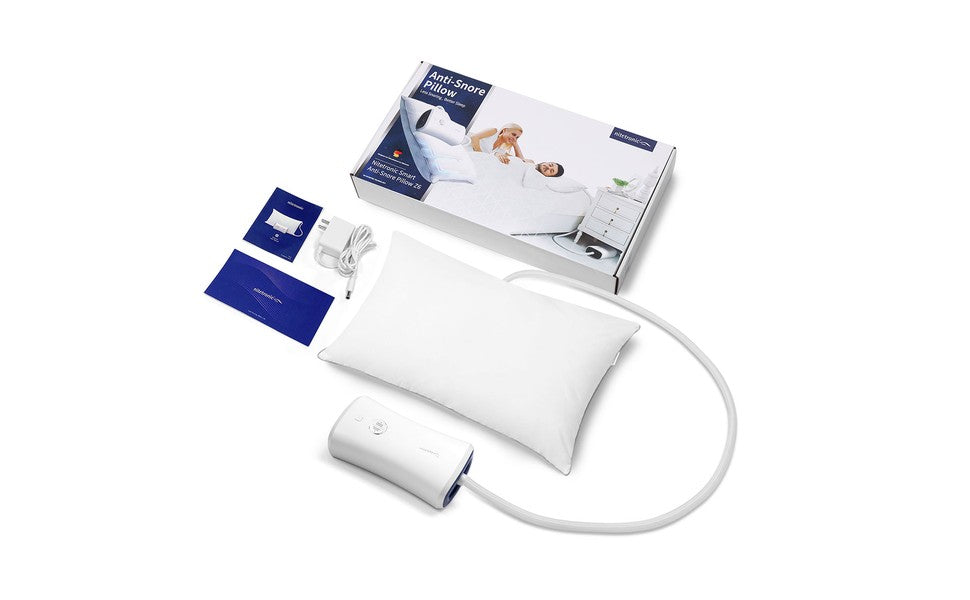
A smart pillow has more to consider than a standard pillow: fit, power, cables or hoses, optional app features, and what you expect from the first report. Setting it up calmly can make the first night more comfortable and the observations more useful. This checklist is for consumer sleep products, not for diagnosing a medical condition. Always follow the instructions for your exact model.
Before bedtime: check what belongs together
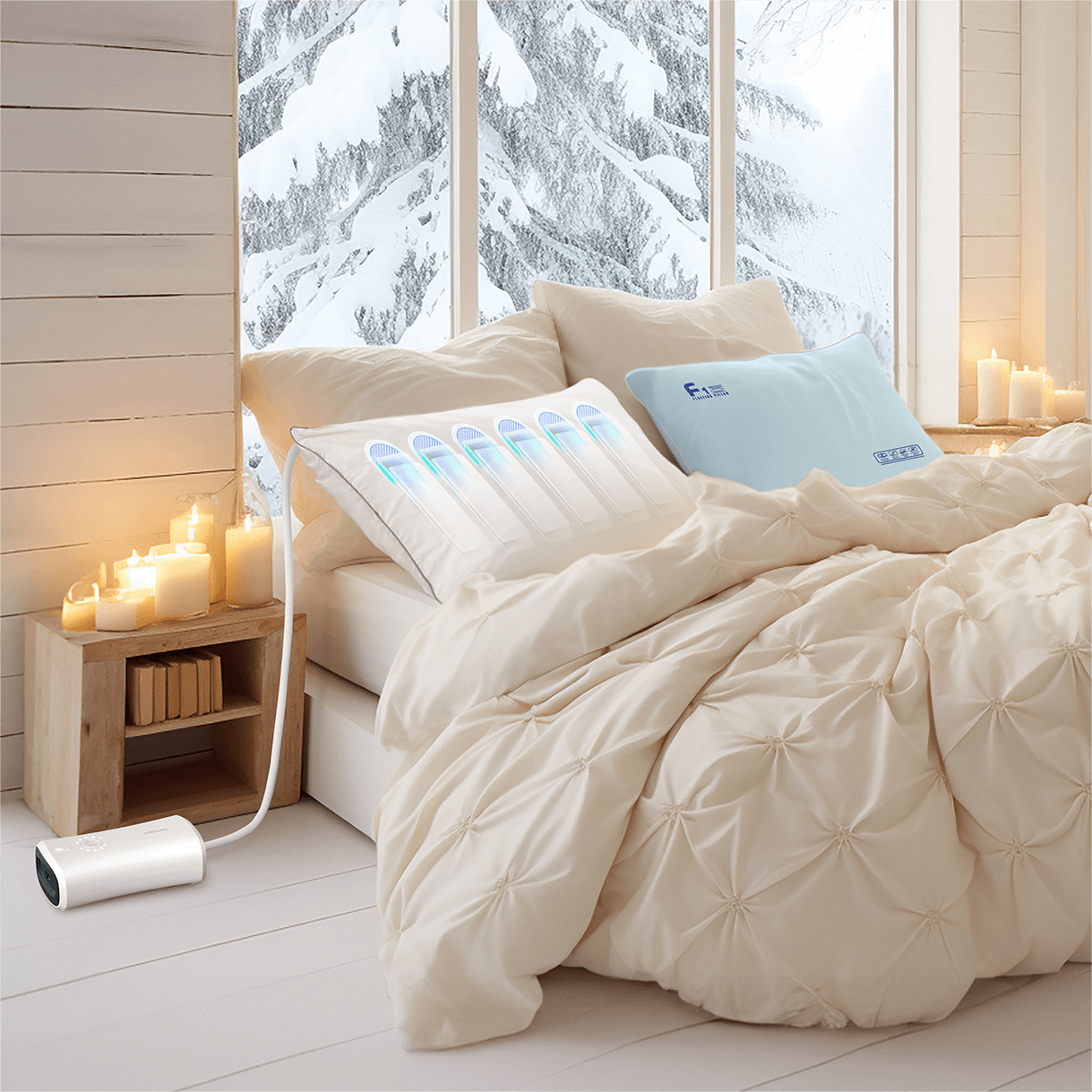
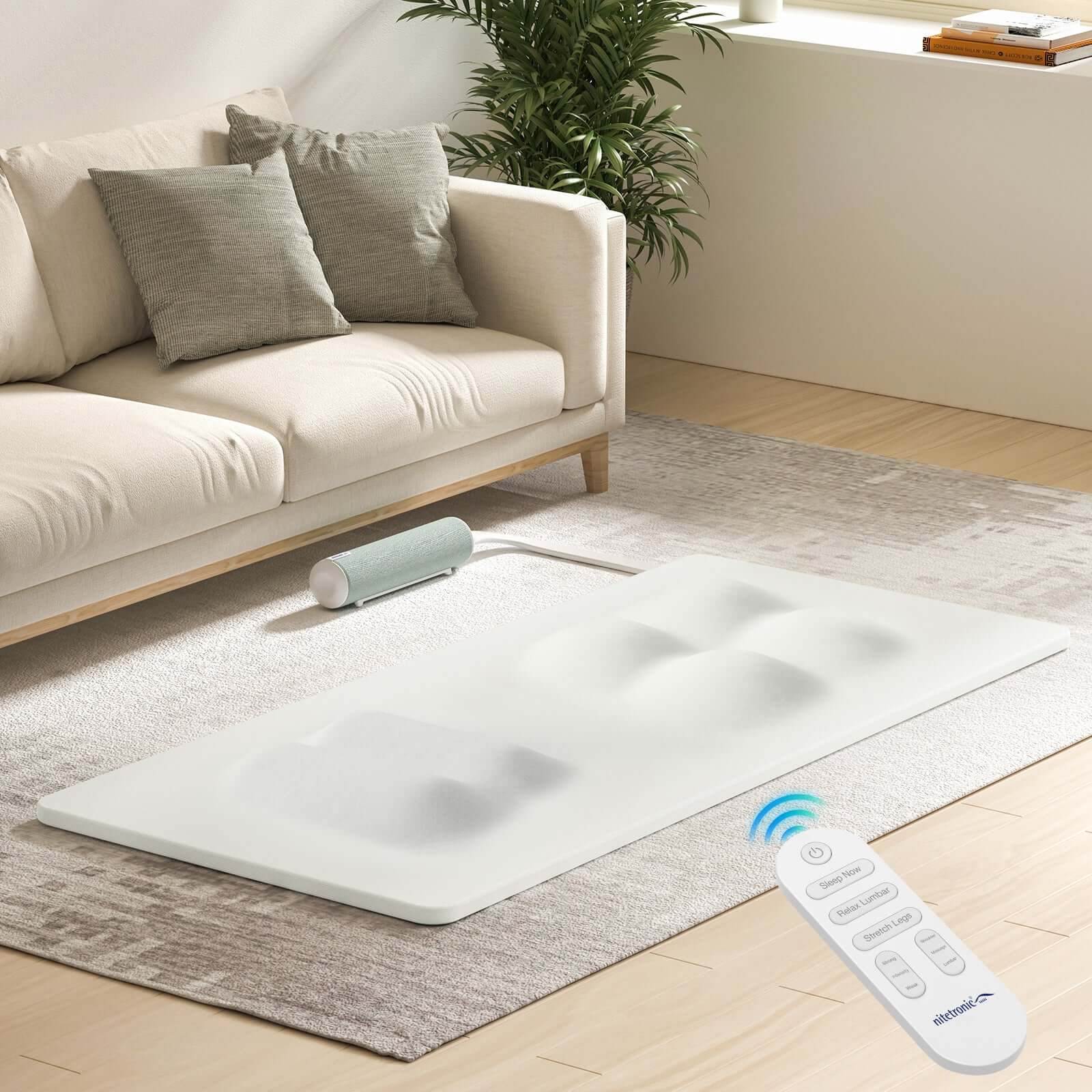
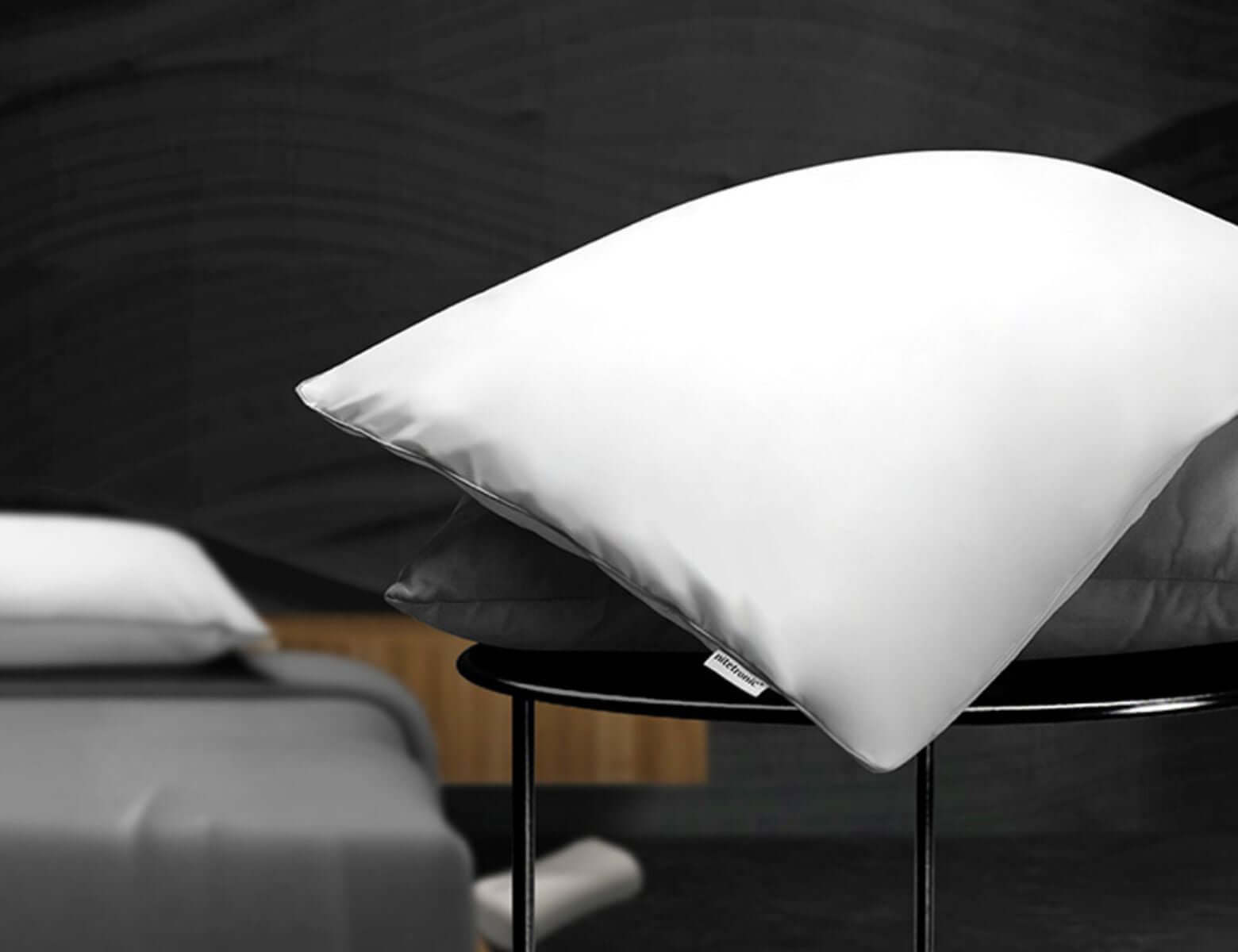
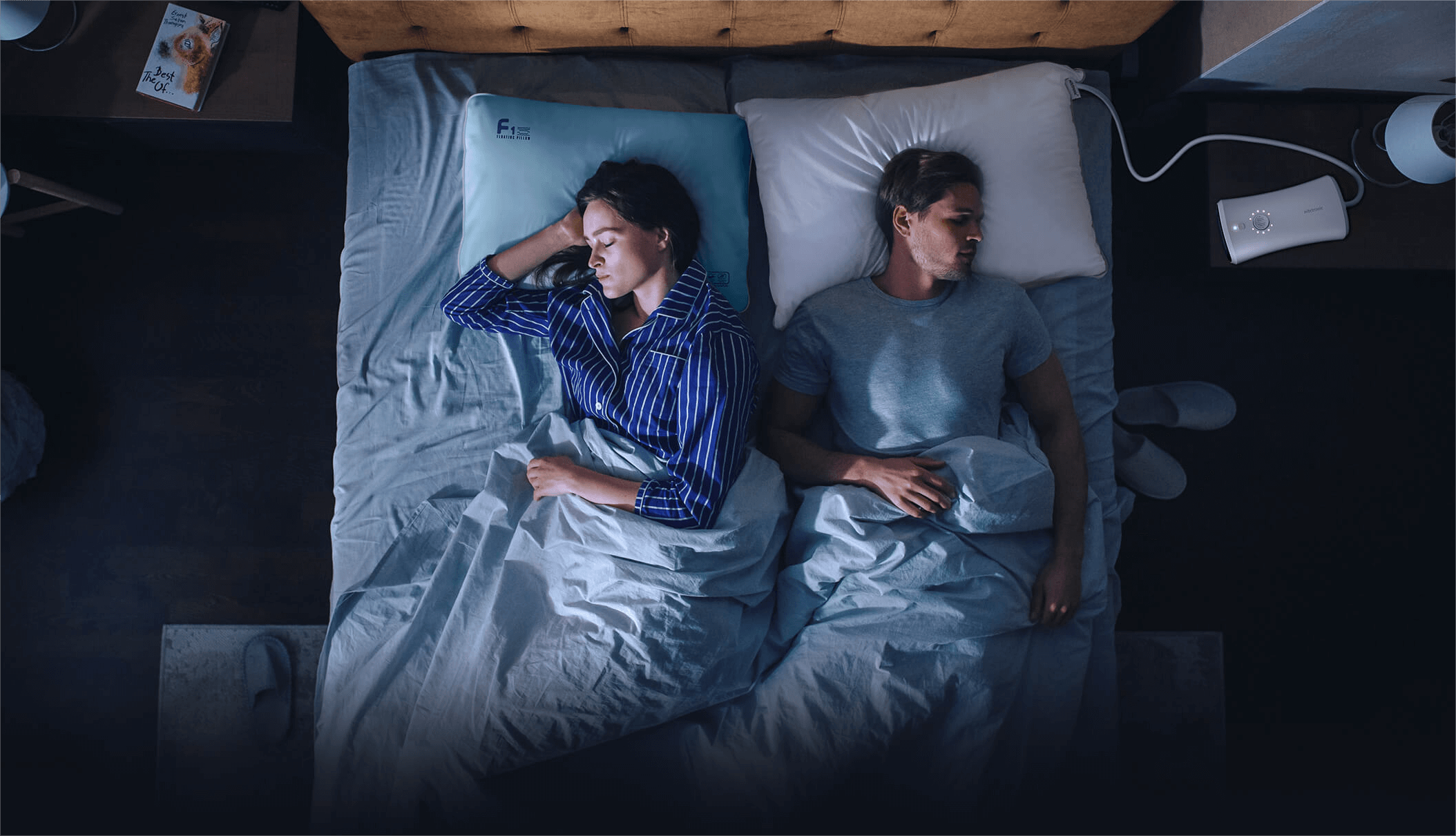
Lay out the pillow and any supplied control unit, power adapter, tubing, or guide. Compare what you have with the product manual. Do not substitute an unapproved adapter or force a connector that does not fit. For example, the Nitetronic Z6 Smart Anti-Snore Pillow uses a pillow and separate control system; use its own instructions for assembly and placement.
If a part appears missing or damaged, pause setup and contact support. A first-night experiment is not worth improvising around an electrical or air-path problem.
Make the bed comfortable first
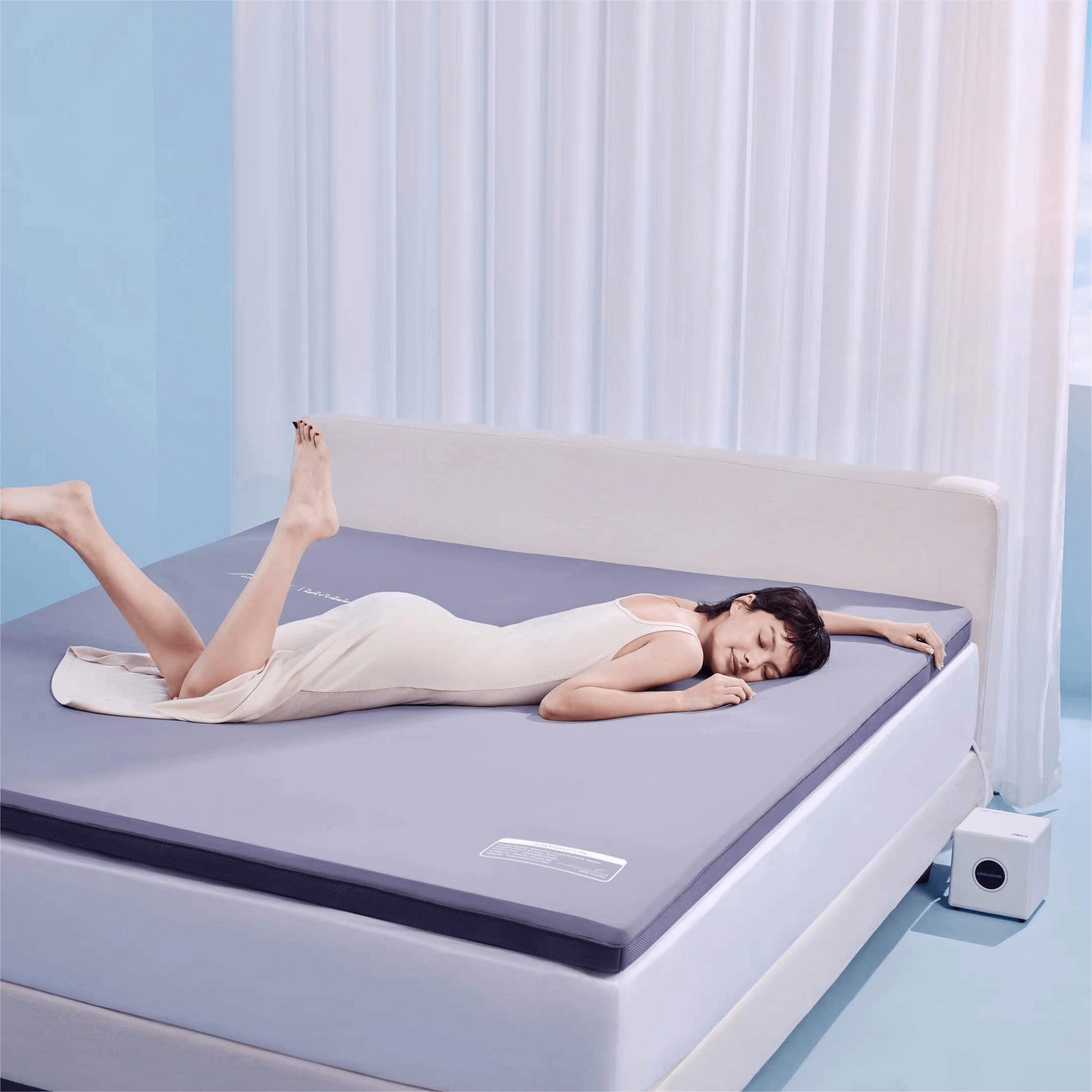
Start with the pillow in your normal sleep position. Check whether your head and neck feel supported without a sharp tilt. The mattress affects the feel: a softer surface lets your shoulders sink more, while a firmer one may change the height you need. If the model permits height or comfort adjustments, make one small change at a time and use the manual's guidance.
Keep the hose or cord free of sharp bends and away from where you could pull or crush it in sleep. Leave powered components on a stable, dry surface according to the manufacturer’s instructions. Do not put a control unit beneath bedding.
Treat the app as optional information, not a diagnosis
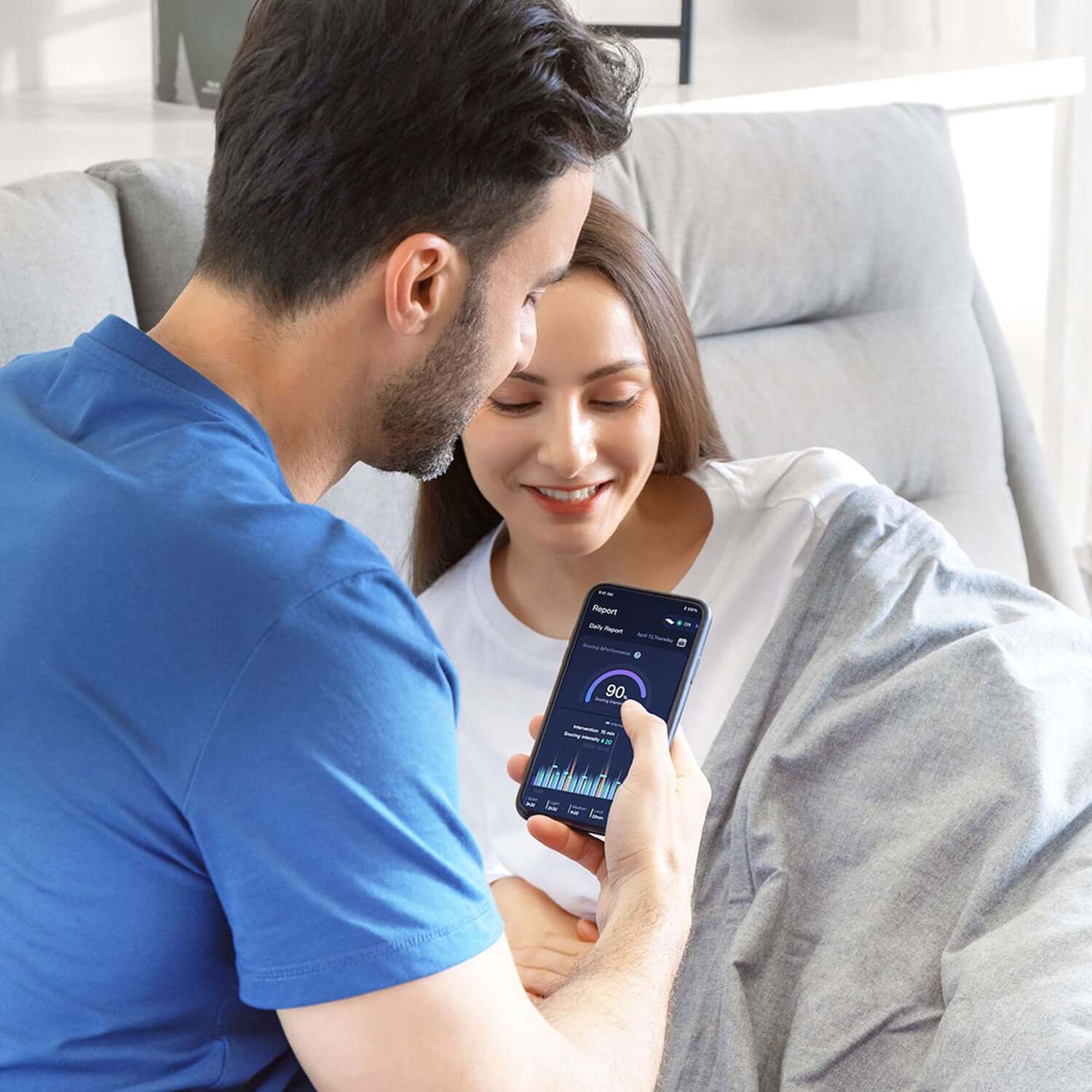
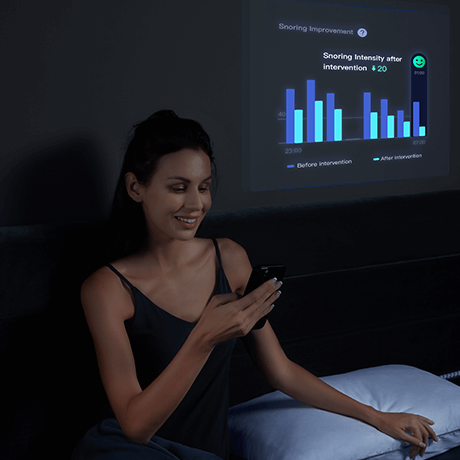
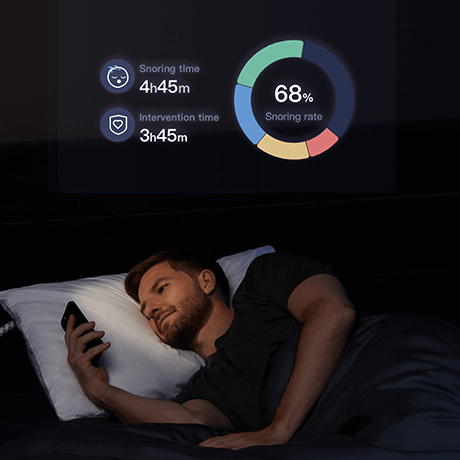
If the product offers a companion app, decide whether you want to set it up before bedtime or after you have tried the pillow for comfort. Review permissions and privacy settings before connecting. A nightly snoring estimate can help reveal patterns, but it is not a medical measurement of breathing events.
Do not try to optimize a number on night one. Room sound, a partner's snoring, congestion, sleep position, and an unfamiliar pillow can all change what a consumer report shows. Our guide to why snoring-pillow results change from night to night explains why a single graph should not be treated as a verdict.
Keep a simple first-night note
In the morning, record three things: comfort, any obvious setup issue, and whether you slept in your usual position. If a partner noticed snoring, ask for a brief observation rather than a precise diagnosis. Keep the setting stable for another night if it was comfortable. If the pillow caused pain, disrupted sleep, or seemed to malfunction, stop and consult the product instructions or support.
Most importantly, do not use a quieter night to dismiss symptoms such as witnessed breathing pauses, gasping, or marked daytime sleepiness. The National Heart, Lung, and Blood Institute advises discussing such symptoms with a healthcare professional; a sleep study may be needed.
FAQ
Should I change several settings on the first night?
No. Make only adjustments allowed by the manual, one at a time, so you can tell what changed your comfort.
Does a low snoring score mean I do not have sleep apnea?
No. A consumer pillow or app cannot confirm or rule out sleep apnea. Discuss concerning symptoms with a clinician.
What if the pillow feels unfamiliar at first?
Check the fit, your usual position, and the product instructions. Do not force yourself to continue if it causes pain or substantial sleep disruption.
The best first night is not a perfect chart. It is a safe setup, a comfortable fit, and realistic expectations for what a smart pillow can—and cannot—tell you.


Leave a comment
This site is protected by hCaptcha and the hCaptcha Privacy Policy and Terms of Service apply.