



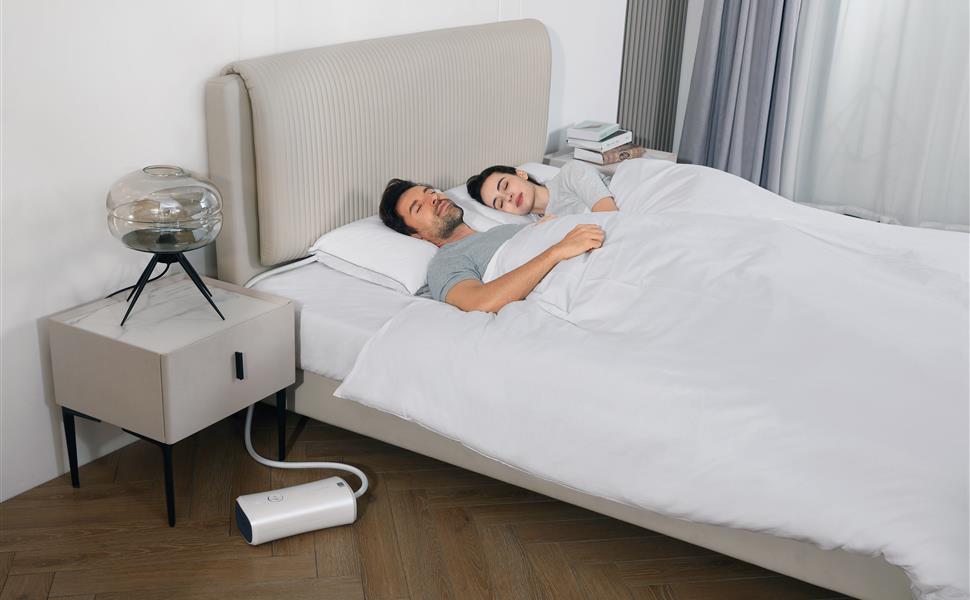
Searching for the best pillow for snoring often leads to a simple promise: choose the right shape, sleep on it once and expect a clear result. Real nights are less predictable. Snoring can change with position, congestion, alcohol, fatigue, room noise and how long you remain asleep.
That variability does not make a pillow useless. It means the result should be judged across comparable nights rather than from one unusually quiet or noisy recording.
Sleep position can change the result
For many people, snoring becomes more noticeable while sleeping on the back. Gravity can encourage the tongue and soft tissues to move toward the airway, while side sleeping may change that relationship.
A pillow can support a different head or neck position, but it cannot make someone stay in one position all night. If you spend two hours on your back one night and six hours on your back the next, the recordings may look very different even when the pillow setup is unchanged.
For a more detailed fit check, read our guides for back sleepers and side sleepers.
Congestion and allergies matter
A cold, seasonal allergies or a dry room can increase nasal resistance. Mouth breathing may become more likely, and a normal pillow test can suddenly produce a worse recording.
Mark congested nights instead of mixing them into the main comparison. If breathing problems persist or are severe, seek appropriate medical advice.
Alcohol and sedating medicines can affect snoring
Alcohol close to bedtime can relax tissues in the upper airway and change sleep structure. Some medicines can also affect muscle tone or alertness. Do not change prescribed medication to test a pillow. Record relevant differences and discuss concerns with a qualified clinician.
Fatigue changes sleep depth and routine
After a demanding day, some people fall asleep faster, sleep more deeply or remain in one position for longer. A late bedtime can also shorten the recording window. These changes can make a pillow appear more or less effective even when its physical support has not changed.
Phone placement and room noise distort recordings
Consumer snoring apps depend on a microphone. Moving the phone from a nightstand to the mattress, changing its charging position or placing it near a fan can alter the result.
Keep the phone in the same location. Note whether a partner, television, pet, air conditioner or open window could add sound. App data is best treated as a trend, not a diagnosis.
Pillow height changes after compression
Memory foam and mattress layers compress with heat and weight. The height you measure before bed may not match the support you feel after 20 minutes.
Shoulder width, mattress firmness and sleep position all affect the useful height. Review pillow height versus firmness before adding extra layers.
Smart pillows still need consistent setup
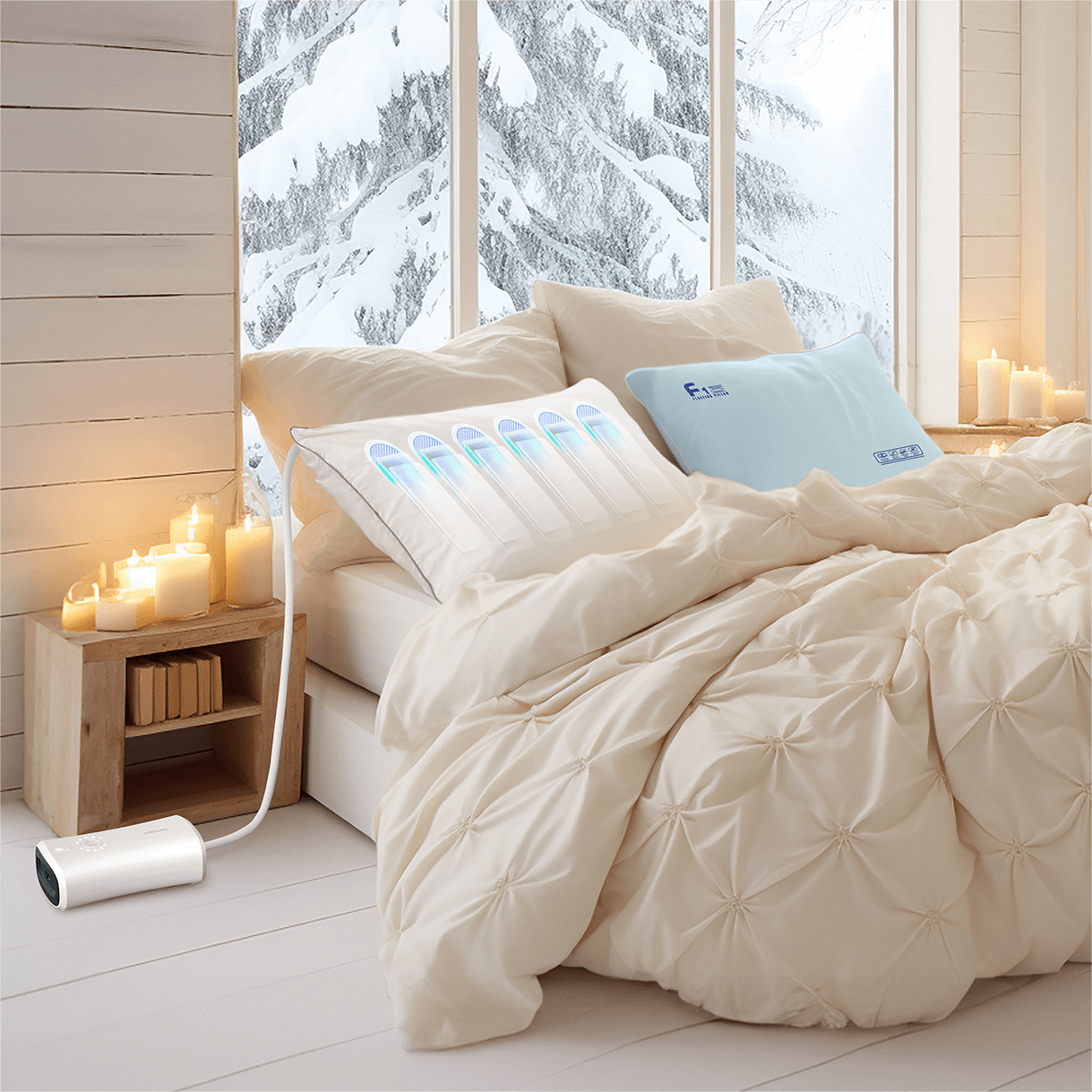
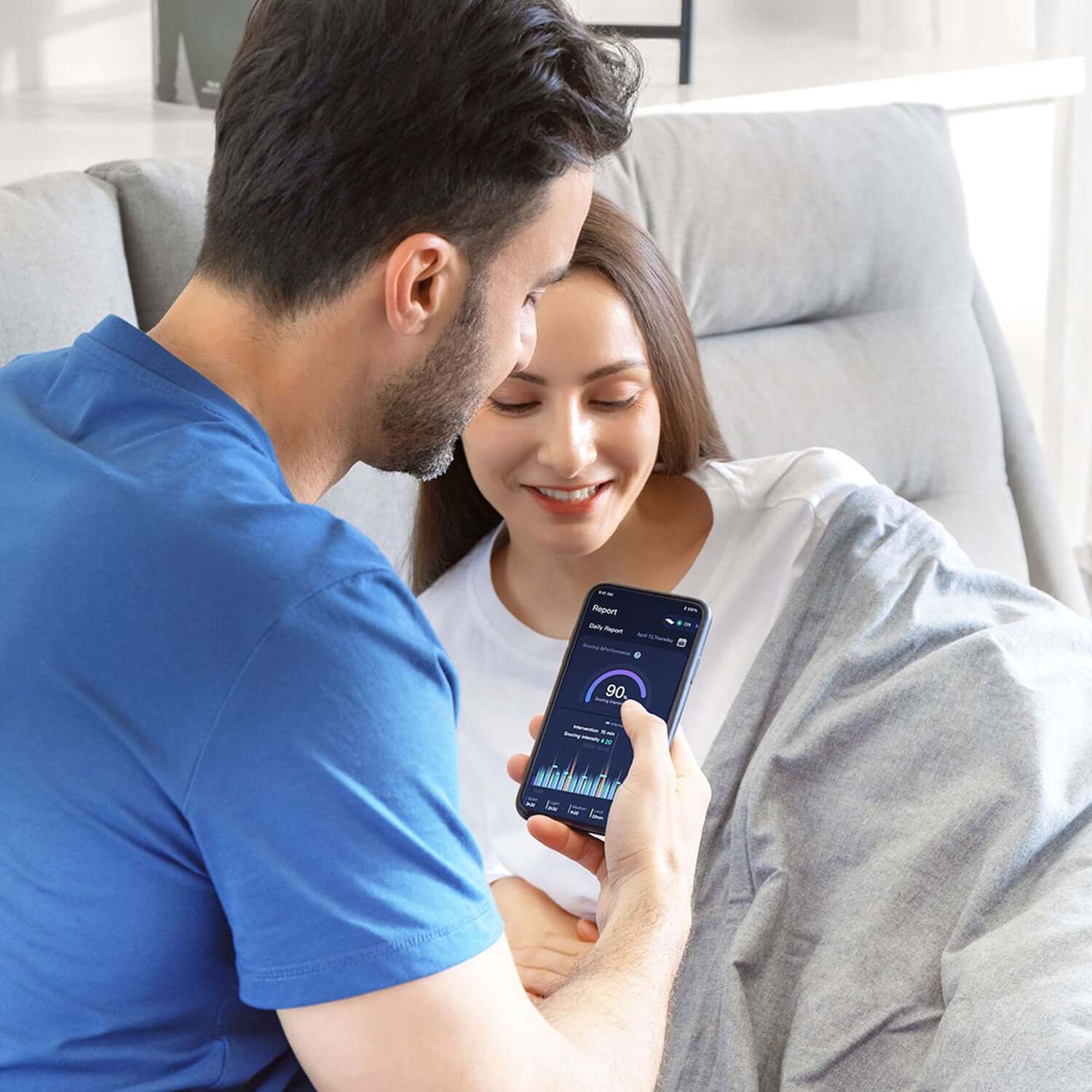
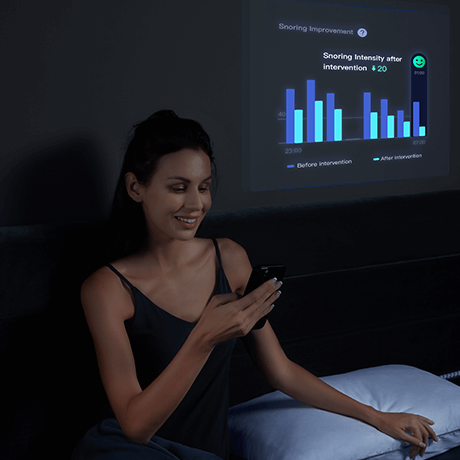
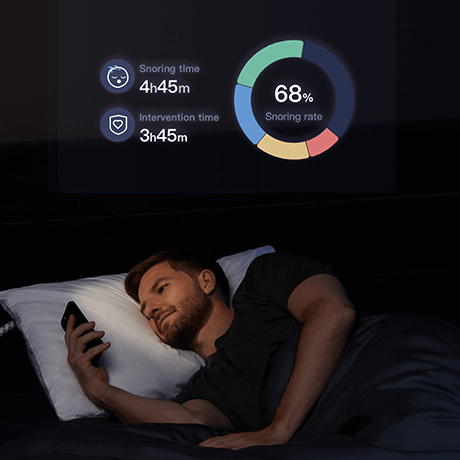
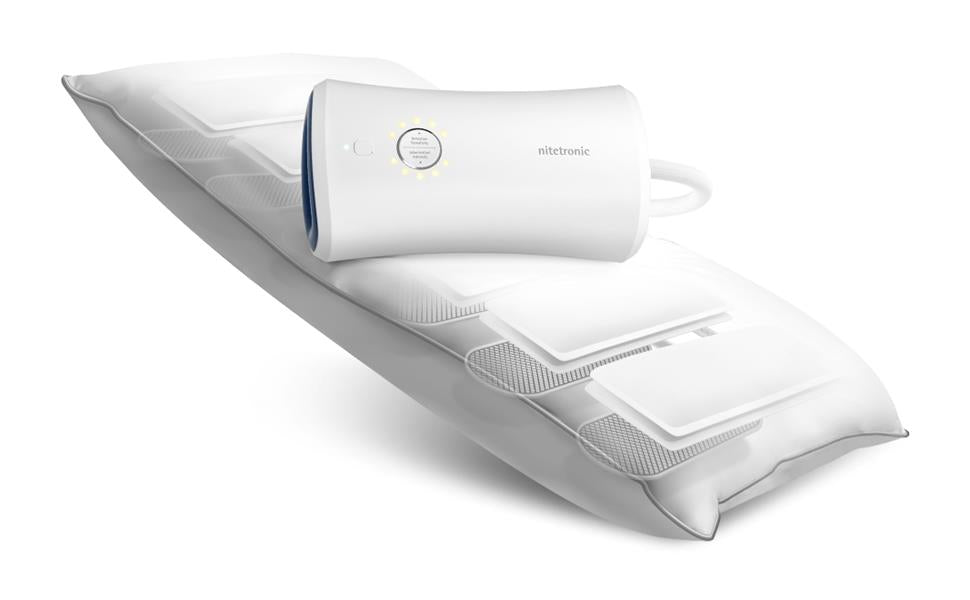
The Nitetronic Z6 Smart Anti-Snore Pillow combines sound and head-position sensing with adjustable air chambers. The Nitetronic A1 AI Anti-Snore Pillow also provides app-based sleep information.
These features can support a more responsive setup, but they do not remove natural night-to-night variation. Correct orientation, compatible bedding, stable settings and head placement still matter.
A better way to compare nights
Use a short, consistent log:
- Bedtime and wake time
- Main sleep position
- Congestion, alcohol or unusual fatigue
- Pillow height and app setting
- Snoring duration or frequency from the same recording method
- Comfort and awakenings
Compare several typical nights. The median result is usually more informative than the single best or worst night. Change only one approved setting at a time.
Our 14-night pillow test guide provides a complete schedule.
When a pillow is not the main question
Persistent loud snoring with witnessed breathing pauses, choking, gasping, morning headaches or marked daytime sleepiness may indicate a sleep-related breathing disorder. Seek professional evaluation. A consumer pillow cannot diagnose obstructive sleep apnea and should not replace CPAP or another prescribed treatment.
FAQ
Why was my first night quiet but the second night loud?
Sleep position, congestion, alcohol, fatigue and microphone placement can all change between nights. One recording is not enough to establish a pattern.
How many nights should I compare?
Start with at least one to two weeks of reasonably consistent use. Exclude clearly unusual nights or mark them separately.
Does a higher pillow always reduce snoring more?
No. Excessive height can feel uncomfortable or push the chin toward the chest. The goal is comfortable support appropriate for your body, position and mattress.
Can my partner's snoring affect the app?
Yes. A shared room can make microphone-based recordings difficult to interpret. Keep device placement consistent and combine app trends with human observation.
Can a smart pillow diagnose sleep apnea?
No. Consumer sleep data may identify patterns worth discussing, but diagnosis requires evaluation by a qualified medical professional.
The practical takeaway
The best pillow for snoring should be evaluated across several comparable nights. Keep the setup stable, record the factors that changed and judge comfort alongside snoring trends. Consistency makes the result more useful.

Leave a comment
This site is protected by hCaptcha and the hCaptcha Privacy Policy and Terms of Service apply.