




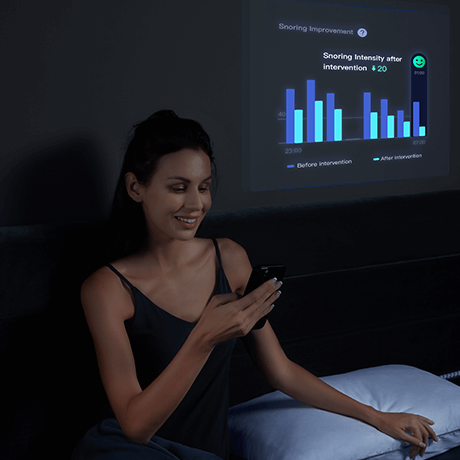
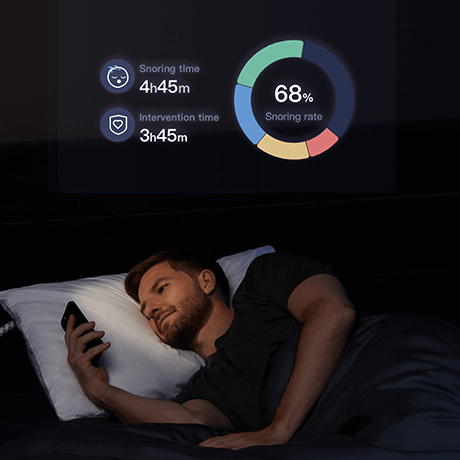
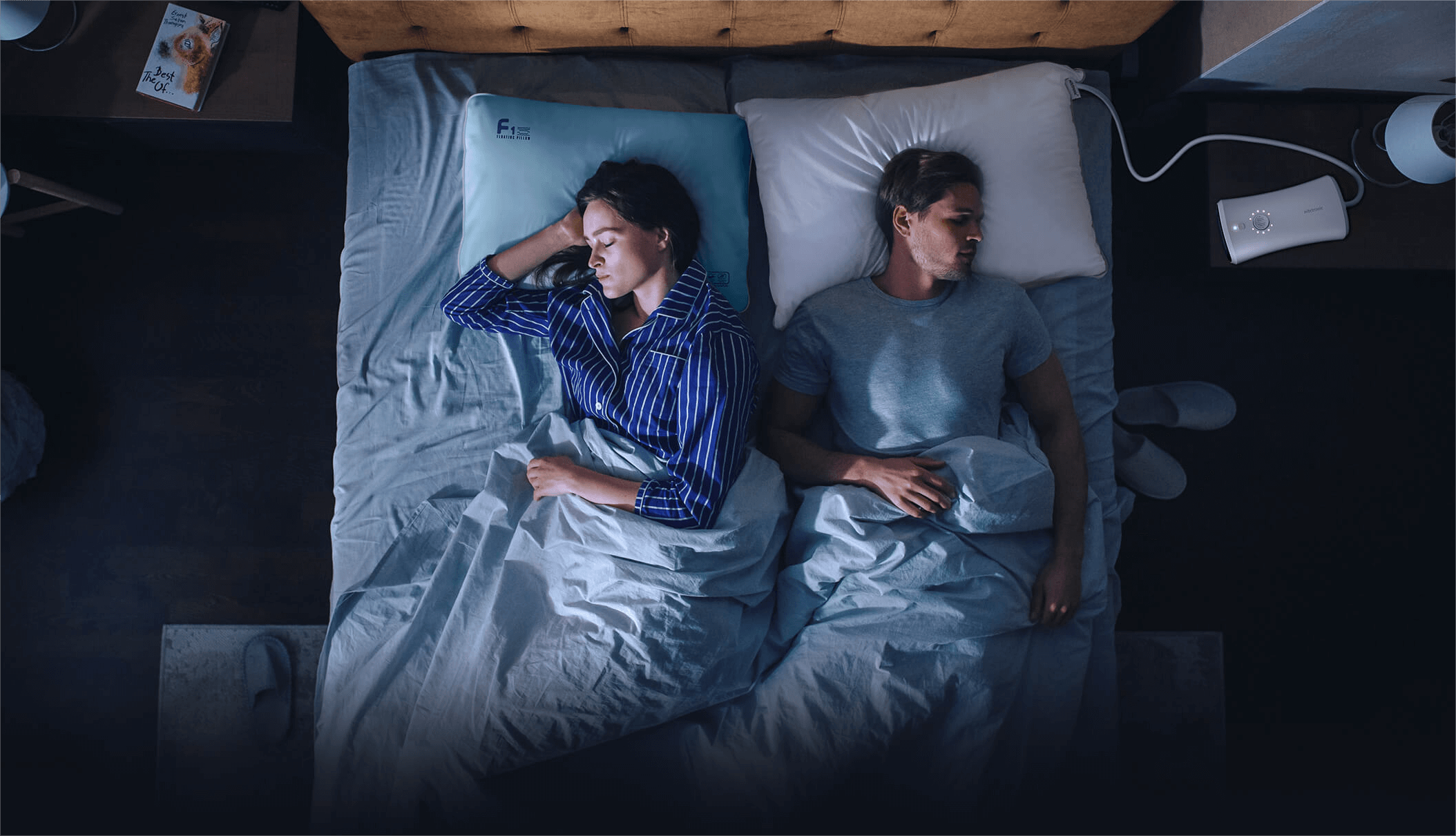
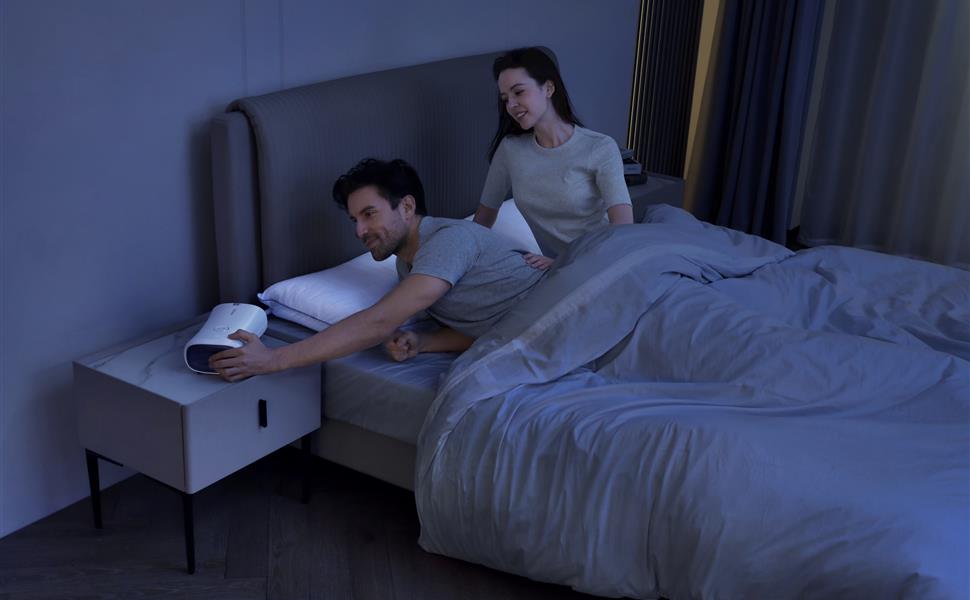
One quiet night followed by a noisy one can make snoring feel unpredictable. In reality, several variables change from evening to evening: sleeping position, nasal congestion, alcohol, fatigue, pillow setup, room conditions, and normal differences in sleep stages.
Tracking those variables does not diagnose the cause of snoring, but it can reveal patterns and make a pillow or routine test more useful.
1. Sleeping position
Many people snore more while lying on their back. In that position, gravity can allow the tongue and soft tissues to shift toward the airway. Side sleeping may reduce the sound for some sleepers, although it is not a universal solution.
Record the position in which you fall asleep and the position in which you wake. A partner may also notice whether the sound becomes stronger after you roll onto your back.
2. Nasal congestion
Seasonal allergies, a cold, dry air, or irritation can change nasal airflow. When the nose feels blocked, mouth breathing may become more likely and snoring can sound different.
Note congestion separately from the snoring itself. This helps prevent you from crediting or blaming a pillow for a night that was mainly affected by a temporary blocked nose.
Persistent congestion or breathing difficulty deserves appropriate medical advice rather than repeated self-testing.
3. Alcohol and sedating substances
Alcohol can relax muscles in the mouth and throat and can affect nighttime breathing. The National Heart, Lung, and Blood Institute identifies alcohol as a factor that can raise sleep-apnea risk and influence the muscles involved in breathing.
Record whether you drank alcohol, approximately when, and whether the amount was unusual for you. Do not change prescribed medicines without speaking with the clinician who prescribed them.
4. Sleep debt and unusual fatigue
After a very short night, long workday, or disrupted travel schedule, sleep can be deeper or less stable than usual. That may change position, mouth opening, and the frequency of awakenings noticed by a partner.
Track bedtime, wake time, and whether the day involved unusual exhaustion. A single night after severe sleep loss is a poor basis for judging a new pillow.
5. Pillow height and movement
Pillow loft can influence head-and-neck position, but the ideal height varies with sleep position, shoulder width, body shape, and mattress firmness. More height is not automatically better.
A pillow may also shift, compress, or bunch during the night. In the morning, note whether your head remained centered, whether the pillow migrated, and whether your neck felt comfortable.
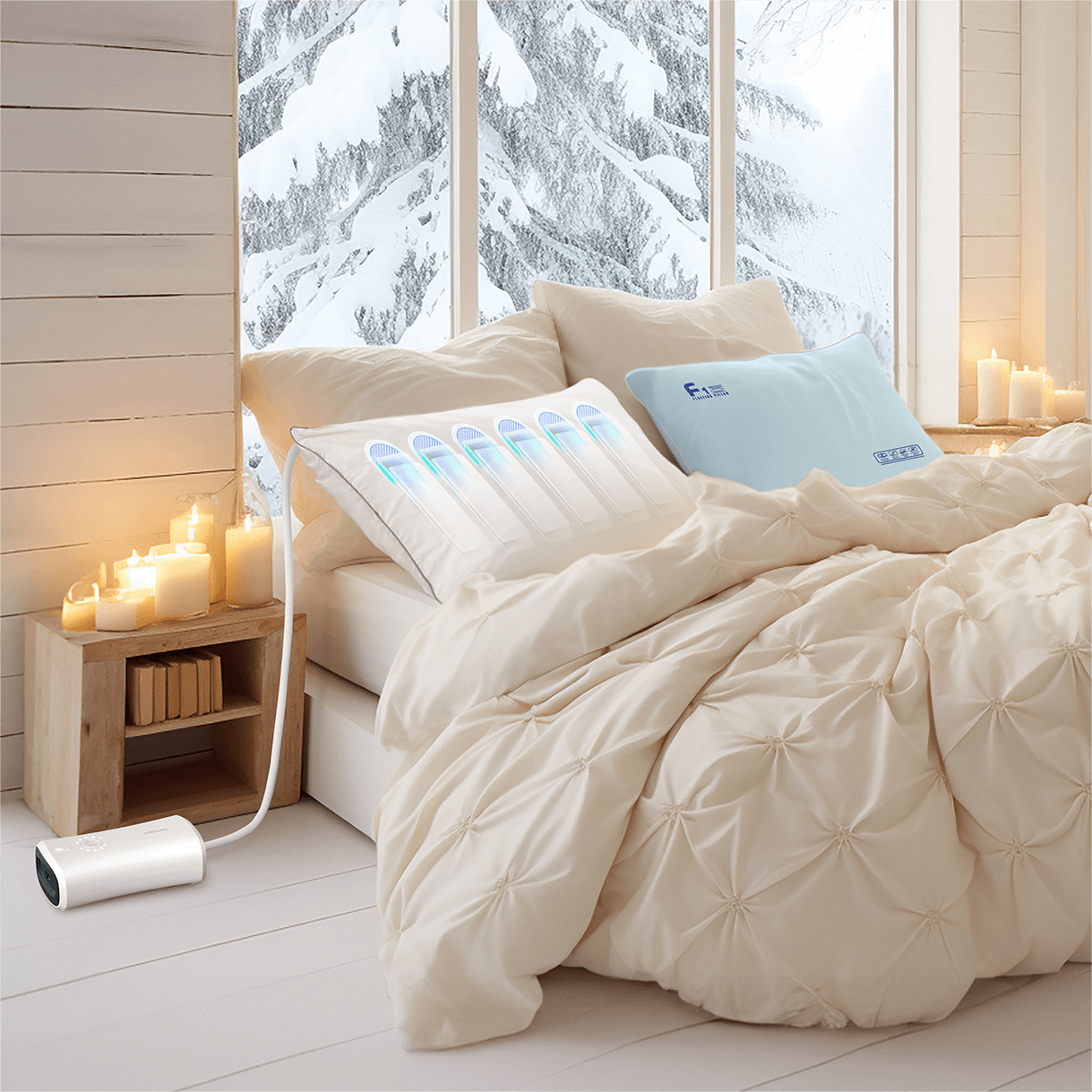
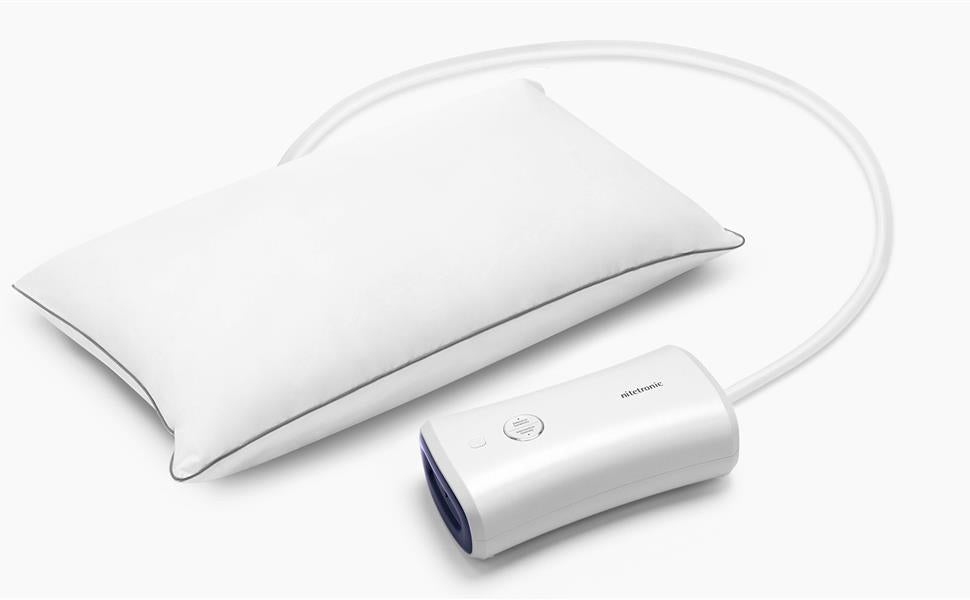
Responsive systems such as the Nitetronic Z6 Smart Anti-Snore Pillow are designed to make gentle positional adjustments when snoring-like sounds are detected. They are consumer sleep-support products, not diagnostic devices or treatments for sleep apnea.
6. Room temperature and humidity
A warm, dry, or irritating sleep environment may affect comfort and nasal breathing. Room conditions can also change how often you move or wake.
You do not need laboratory measurements. Simply note whether the room felt unusually hot, cold, dry, or stuffy compared with your normal environment.
7. Normal night-to-night variation
Sleep is not identical every night. Time spent in different sleep stages, brief awakenings, position changes, and environmental sounds all vary. Phone recordings may also detect a partner, traffic, a fan, or bedding movement.
Look for repeatable trends across several nights rather than treating one recording as a verdict.
A simple seven-night snoring log
Use one row per night and keep the process short enough to maintain:
| Variable | What to record |
| --- | --- |
| Bedtime and wake time | Approximate times |
| Main sleep position | Back, side, stomach, or mixed |
| Nasal comfort | Clear, mildly blocked, or blocked |
| Alcohol | None or approximate timing/amount |
| Unusual fatigue | Low, moderate, or high |
| Pillow setup | Product, height, or adjustment used |
| Morning comfort | Neck comfort and alertness |
| Partner observation | Quieter, typical, or louder than usual |
Keep the pillow setup stable for most of the week. If you change several variables at once, it becomes difficult to understand what mattered.
For a longer comparison, use our 14-night pillow testing guide.
How to interpret the pattern
Snoring is mainly worse on the back
Position may be an important variable. A side-sleeping routine, positional pillow, or responsive support may be worth discussing or testing for comfort.
Snoring rises with congestion
Address the cause of recurring nasal symptoms with an appropriate healthcare professional. Avoid relying on unverified sprays or remedies.
Snoring is loud in every position
A pillow experiment may have limited value. Consider professional evaluation, especially when other symptoms are present.
The pattern is inconsistent
Extend the log and simplify the test. Keep bedtime, pillow setup, and recording method consistent while noting the strongest outside variables.
Warning signs that should not wait for a pillow test
Snoring can occur without sleep apnea, but it can also be a sign of the condition. MedlinePlus advises contacting a healthcare provider when snoring is associated with daytime tiredness, poor-quality sleep, or waking while gasping.
Seek professional evaluation if you or a partner notices:
- repeated pauses in breathing;
- choking or gasping during sleep;
- severe daytime sleepiness;
- frequent morning headaches;
- persistent concentration problems;
- difficult-to-control high blood pressure.
Do not stop CPAP, an oral appliance, or another prescribed treatment because a night sounds quieter. Reduced sound does not prove that sleep apnea is controlled.
Frequently asked questions
Why do I snore only sometimes?
Position, congestion, alcohol, fatigue, and normal changes in sleep can all vary. A short log can help identify which variables repeatedly align with louder nights.
Can a phone app diagnose my snoring?
No. A recording may help you observe sound patterns, but it cannot determine the medical cause or diagnose sleep apnea.
How many nights should I track?
Seven nights can reveal basic patterns; 14 nights gives a better view of normal variation. Stop self-testing and seek medical advice when warning signs appear.
Should I change my pillow every night during the test?
No. Keep one setup stable for several nights so the comparison is meaningful. Change one major variable at a time.
Does quieter snoring mean better breathing?
Not necessarily. Sound volume alone cannot confirm that breathing is healthy or that sleep apnea is absent.
The bottom line
Snoring often changes because the conditions around sleep change. Track position, congestion, alcohol, fatigue, pillow setup, and room comfort across several nights. Use the pattern to make a more informed comfort decision—and use professional evaluation, not a pillow or phone recording, when breathing pauses, gasping, or significant daytime symptoms are present.

Leave a comment
This site is protected by hCaptcha and the hCaptcha Privacy Policy and Terms of Service apply.