






“AI mattress” can describe very different products. Some systems mainly track sleep-related signals. Others change temperature, firmness or pressure support. A few combine sensing and automatic adjustment in a mattress pad that sits on top of an existing bed.
The useful question is not whether a product uses artificial intelligence. It is what the system can sense, what it can change and whether those changes match your sleep goals. This guide explains the main parts of AI mattress technology without treating consumer sleep data as a medical diagnosis.
What makes a mattress or mattress pad “smart”?
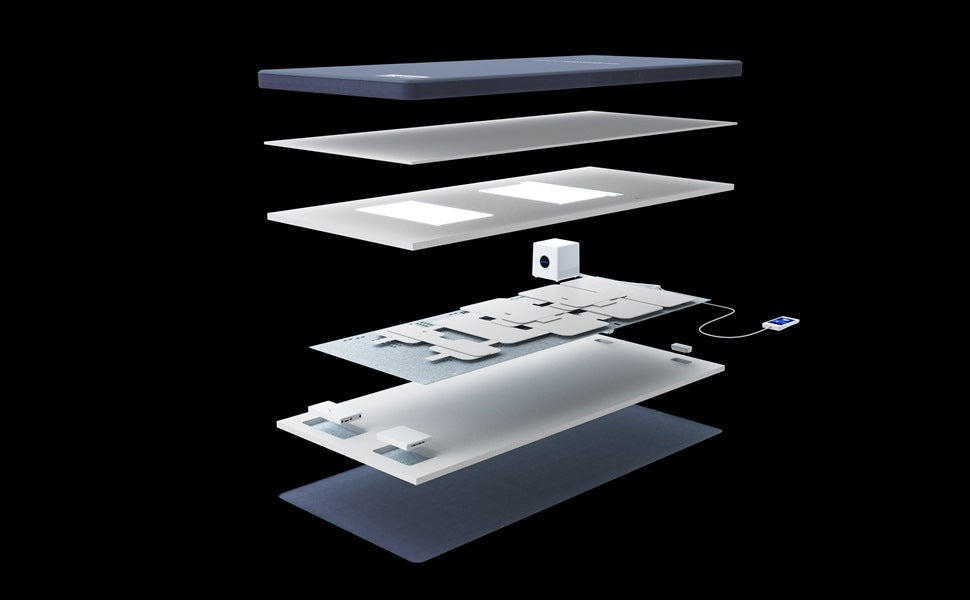
A conventional mattress is passive: its materials respond mechanically to weight and movement. A smart mattress system adds electronics such as sensors, a controller, an app or powered adjustment components.
Depending on the design, it may include:
- Pressure or presence sensors that detect where weight is distributed
- Movement sensing that estimates changes in sleep position
- Temperature sensors or powered heating and cooling
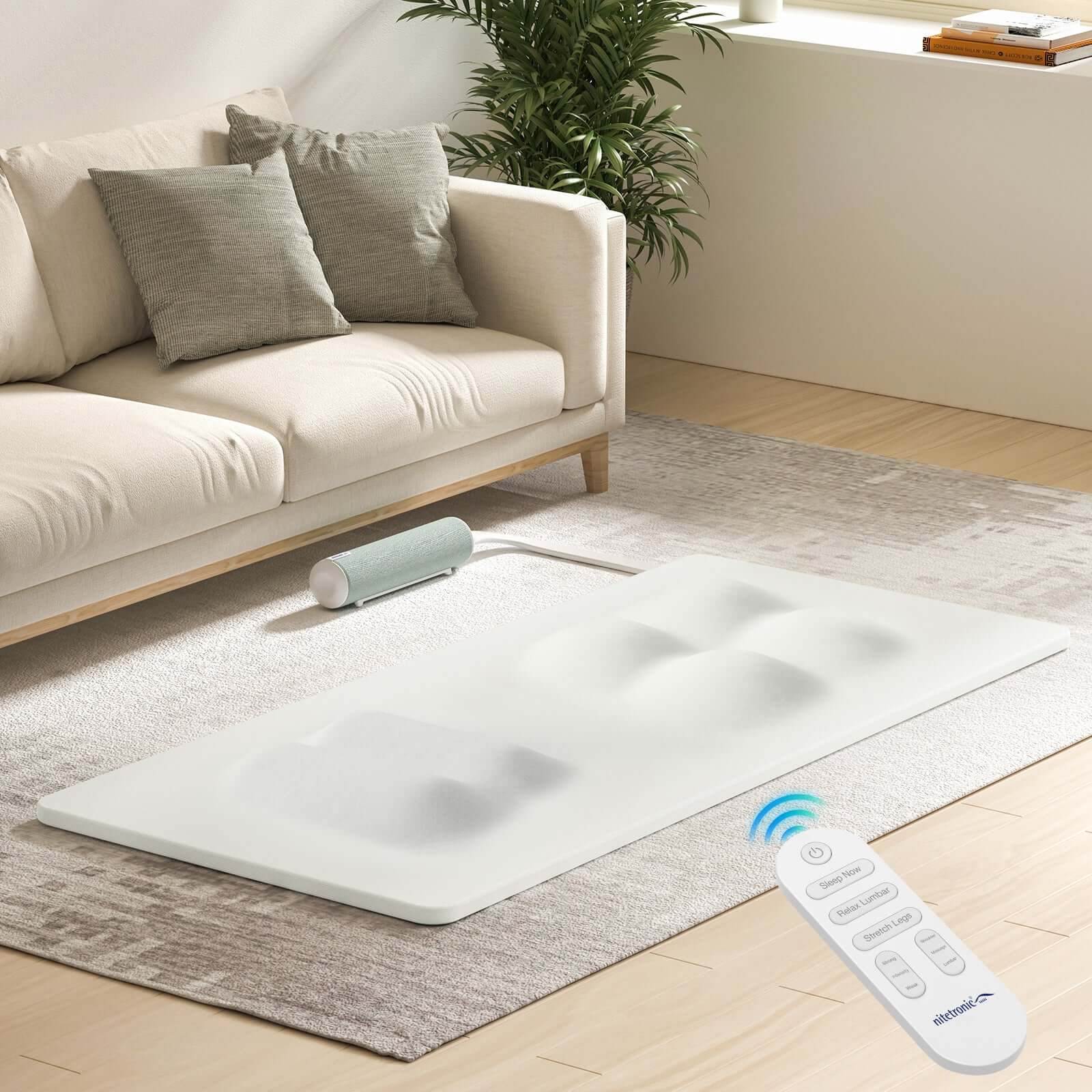
- Air cells or mechanical zones that change support
- Massage or relaxation programs
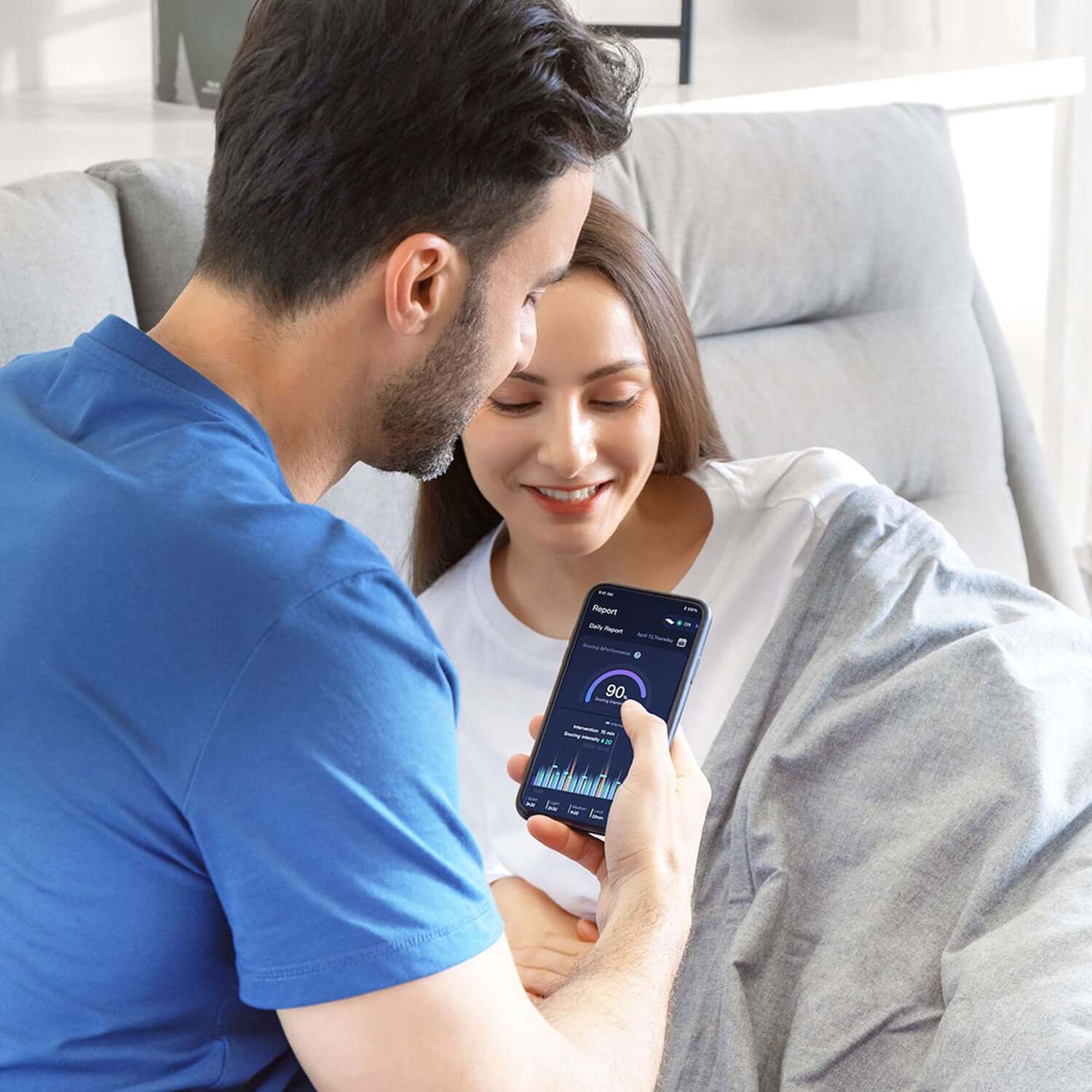
- An app that displays trends and controls settings
- Software that automates selected adjustments
Not every product includes every feature. A system with an app is not automatically “AI,” and an AI label does not tell you whether it adjusts support, temperature or anything else.
What can the sensors track?
Presence and movement
Pressure-sensitive layers can detect whether someone is in bed and how weight shifts across the surface. This can help a system estimate movement, time in bed or changes in position.
These estimates depend on sensor placement, body type, mattress construction and whether two people share the bed. They should be treated as patterns rather than exact clinical measurements.
Pressure distribution
A multi-zone pad may detect areas receiving more or less pressure. The system can use that information to guide powered support or massage zones. Pressure mapping can be useful for comfort adjustment, but it does not diagnose pain, circulation problems or musculoskeletal conditions.
Sleep-related trends
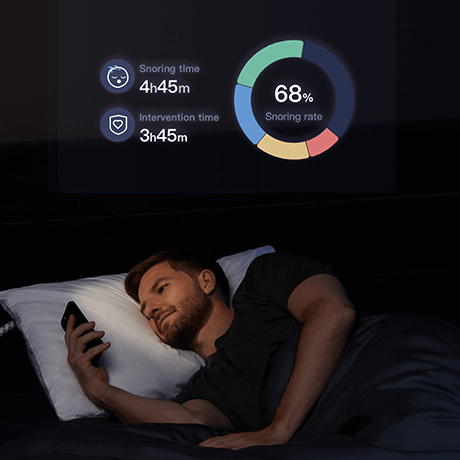
Some products summarize bedtime, wake time, interruptions or movement. These values may help users compare routines across several nights. They are less useful when interpreted as a single definitive “sleep score.”
Consumer mattress sensors generally do not replace polysomnography, respiratory testing or evaluation by a qualified professional. If you have symptoms such as breathing pauses, gasping, severe daytime sleepiness or persistent pain, seek appropriate medical advice.
What can the system adjust?
Zoned support
Powered air cells can change how selected areas feel beneath the body. A system may increase or reduce support in particular zones according to a program or user preference.
The key buying questions are practical:
- How many zones can change independently?
- Are adjustments automatic, manual or both?
- Can two sleepers use different settings?
- How quickly and quietly does the system respond?
- What happens if power or connectivity is interrupted?
Massage or relaxation programs
Some smart mattress pads include air-wave or massage modes intended for relaxation. Look at the available intensity levels, program duration and noise rather than relying on the word “massage” alone.
A relaxation feature may feel comfortable, but it should not be presented as treatment for a medical condition unless the product has the appropriate evidence and regulatory status.
Temperature
Smart sleep systems may use passive materials, airflow, water circulation or electric heating and cooling. Temperature control is separate from pressure adjustment, so confirm which technology a product actually uses.
Room temperature, bedding and pajamas also affect thermal comfort. A powered system cannot compensate for every environmental factor.
Where does the “AI” fit?
In a consumer sleep product, AI usually refers to software that identifies patterns and uses them to personalize recommendations or automate responses. For example, software may learn preferred settings, recognize repeated movement patterns or recommend a different program based on previous use.
That does not mean the product understands sleep in the way a clinician does. The quality of any automated response depends on the sensors, the available adjustment hardware and the rules used by the software.
Before buying, ask the manufacturer to explain the automation in plain language:
- What information is collected?
- Is processing performed locally or in the cloud?
- What physical setting can the system change?
- Can automation be turned off?
- Can the user delete stored data?
- Does the product require an ongoing subscription?
Smart mattress pad versus smart mattress
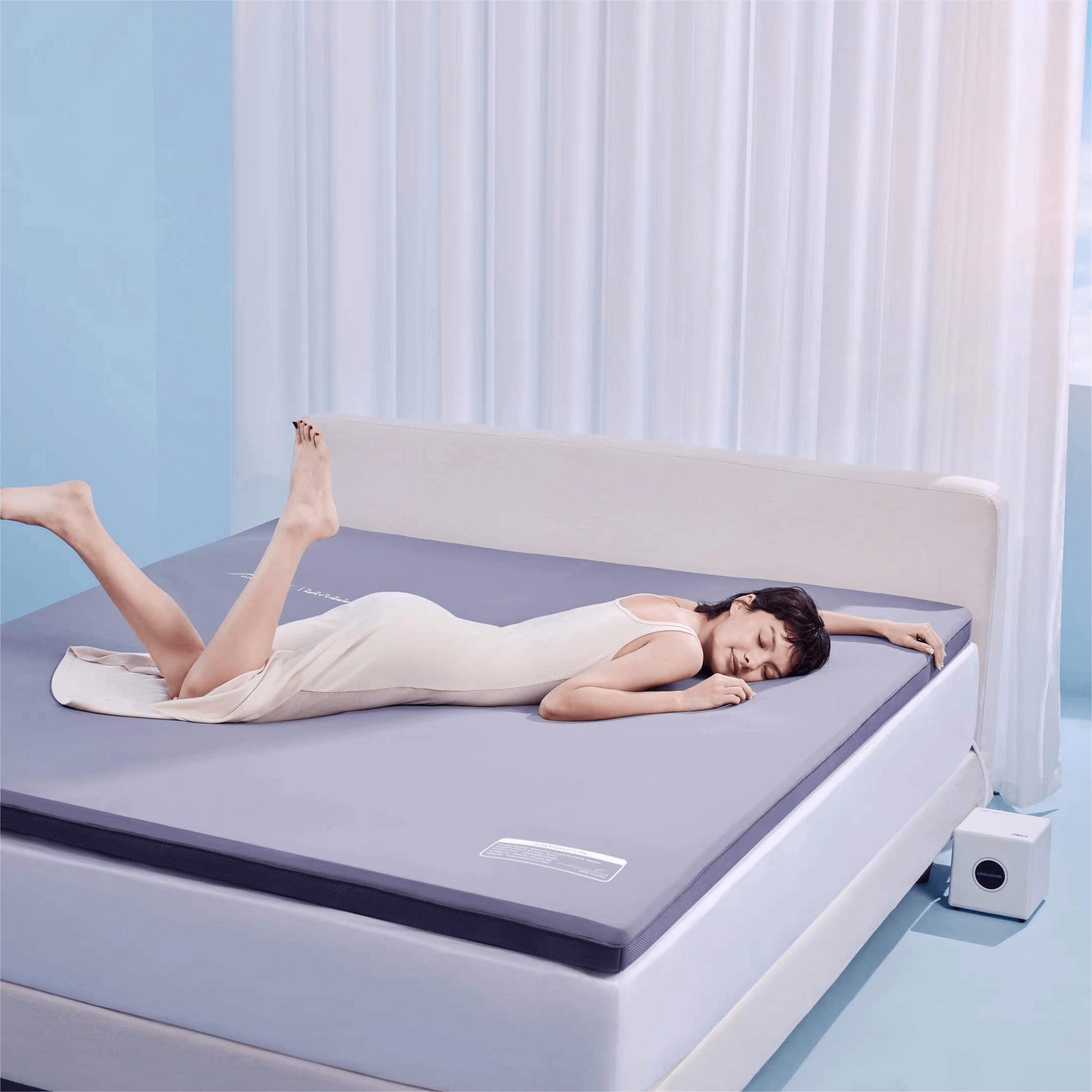
A smart mattress contains the technology within a complete mattress. A smart mattress pad or topper adds powered functions to a mattress you already own.
A pad can be easier to install, replace or move. It may also cost less than replacing the entire mattress. However, it still depends on the condition and support of the mattress underneath. A powered pad cannot repair a deeply sagging or structurally damaged mattress.
Before adding a system, check mattress size, usable surface dimensions, power access, controller placement and whether fitted sheets will accommodate the extra height.
The Nitetronic G1 Smart Mattress Pad is an example of a multi-zone powered pad designed to add adjustable support and relaxation functions to an existing bed. Feature suitability still depends on bed size, setup and personal comfort.
For more options in this category, browse the Nitetronic mattress collection.
Seven checks before buying AI mattress technology
1. Start with the outcome you want
Decide whether your priority is adjustable support, relaxation, temperature, sleep tracking or partner customization. A long feature list is not useful if the product does not address your main goal.
2. Confirm compatibility
Measure the mattress rather than relying only on its named size. Check the pad dimensions, recommended mattress type, sheet fit and placement of hoses, cables and control units.
3. Listen for operating noise
Air pumps, valves, motors and cooling systems can make sound. Ask for operating-noise information and consider where the controller will sit in your bedroom.
4. Understand manual control
Automatic features are more useful when you can still override them. Check whether basic functions remain accessible if the app, Wi-Fi or cloud service is unavailable.
5. Review cleaning instructions
Powered layers usually cannot be washed like ordinary bedding. Confirm which covers are removable, how spills should be handled and whether replacement covers are available.
6. Check data and subscription terms
Read the privacy policy and confirm whether advanced features require a paid plan. A lower purchase price may not represent the full long-term cost.
7. Use a realistic trial period
Comfort can change over several nights. Test one setting at a time, record how it feels and avoid changing the mattress, pillow, sleep schedule and app program simultaneously.
How to test a smart mattress pad at home
Begin with the system in a neutral or low-intensity setting. Use it for several nights before increasing support or massage intensity. Note comfort when lying down, any noise during operation and how easily you can change settings at night.
If the system provides data, compare weekly patterns instead of reacting to one score. Travel, stress, alcohol, illness, room temperature and an irregular schedule can all influence sleep.
Stop using a setting if it causes discomfort, numbness or pain. A consumer smart mattress system should support comfort; it should not pressure you to tolerate an uncomfortable automated adjustment.
The bottom line
AI mattress technology is most useful when the sensing and adjustment functions are clearly connected. Focus on what the product measures, what it physically changes and how much control the user retains.
A smart mattress pad can add adjustable support, relaxation or sleep-trend features to an existing bed, but it cannot diagnose a sleep disorder or repair a worn-out mattress. Choose based on compatibility, comfort, noise, privacy and a realistic multi-night test—not the AI label alone.
Frequently asked questions
What does an AI mattress do?
The term may refer to sensing, personalization or automatic adjustment. Capabilities vary widely, so check the exact sensors, powered components and software functions.
Can a smart mattress track sleep accurately?
It may estimate presence, movement and sleep-related trends. Consumer estimates are not the same as clinical sleep testing and should not be used to diagnose a disorder.
Can I put a smart mattress pad on any mattress?
Not necessarily. Check dimensions, mattress condition, support, sheet fit, power access and the manufacturer's compatibility guidance.
Does an AI mattress require Wi-Fi?
Some systems use Wi-Fi or Bluetooth for setup, data and app control. Confirm whether basic functions remain available without a network connection.
Can smart mattress technology treat sleep apnea or pain?
Consumer smart mattress products are not substitutes for diagnosis or prescribed treatment. Seek qualified medical advice for breathing pauses, severe daytime sleepiness, persistent pain or other concerning symptoms.

Leave a comment
This site is protected by hCaptcha and the hCaptcha Privacy Policy and Terms of Service apply.