



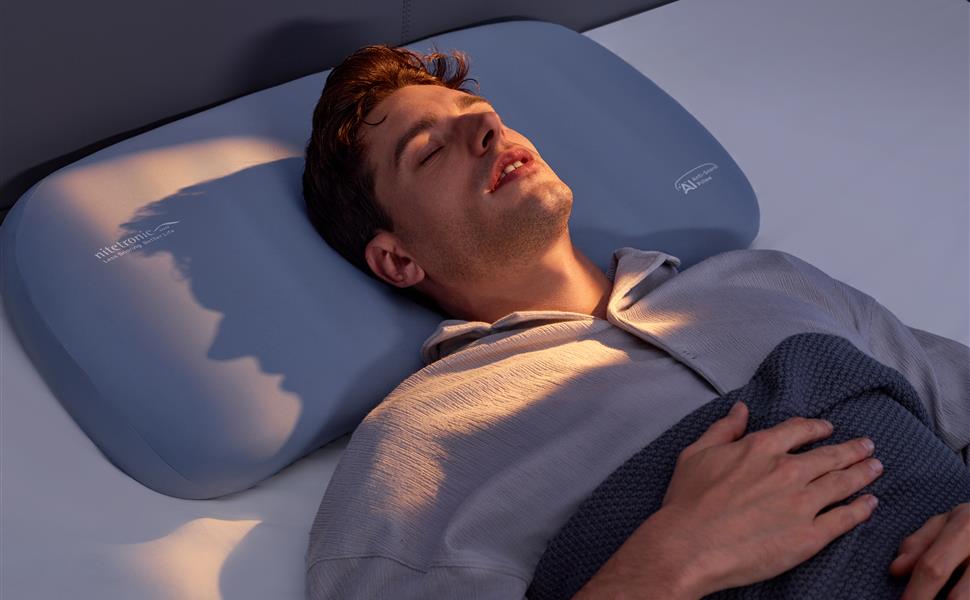
Searching for “pillows for snoring and sleep apnea” often brings two very different concerns into the same conversation. A pillow may improve comfort, head-and-neck alignment, or sleeping position. Sleep apnea, however, is a medical condition that requires professional evaluation and, when diagnosed, an evidence-based treatment plan.
This guide explains where a pillow may fit into a sleep routine, where its limits are, and which symptoms should prompt a conversation with a healthcare professional.
Snoring and sleep apnea are not the same thing
Snoring happens when tissues in the upper airway vibrate as air moves through a narrowed passage. It may change with sleeping position, nasal congestion, alcohol use, fatigue, body weight, or individual anatomy.
Obstructive sleep apnea (OSA) involves repeated reductions or pauses in breathing during sleep. Loud snoring can occur with OSA, but snoring alone does not confirm it, and quiet sleep does not rule it out. A pillow cannot diagnose the cause of nighttime noise or measure the full set of signals used in a clinical sleep assessment.
If a partner notices breathing pauses, choking or gasping, or if you experience severe daytime sleepiness, morning headaches, or persistent difficulty concentrating, seek medical advice rather than relying on a pillow experiment alone.
What a pillow may help with
1. More comfortable alignment
A suitable pillow can support the head and neck without forcing the chin sharply toward the chest or tilting the head too far back. The right loft depends on body shape, mattress firmness, and whether you sleep on your back or side.
2. Position-related snoring
Some people snore more while lying on their back. A pillow or positional setup may make side sleeping easier to maintain, or may encourage a more neutral back-sleeping posture. That can reduce snoring for some sleepers, but results vary.
3. A more consistent sleep setup
Testing one setup consistently makes it easier to compare nights. Track position, congestion, alcohol, bedtime, comfort, and partner observations instead of judging a pillow after one night.
4. Gentle, responsive support
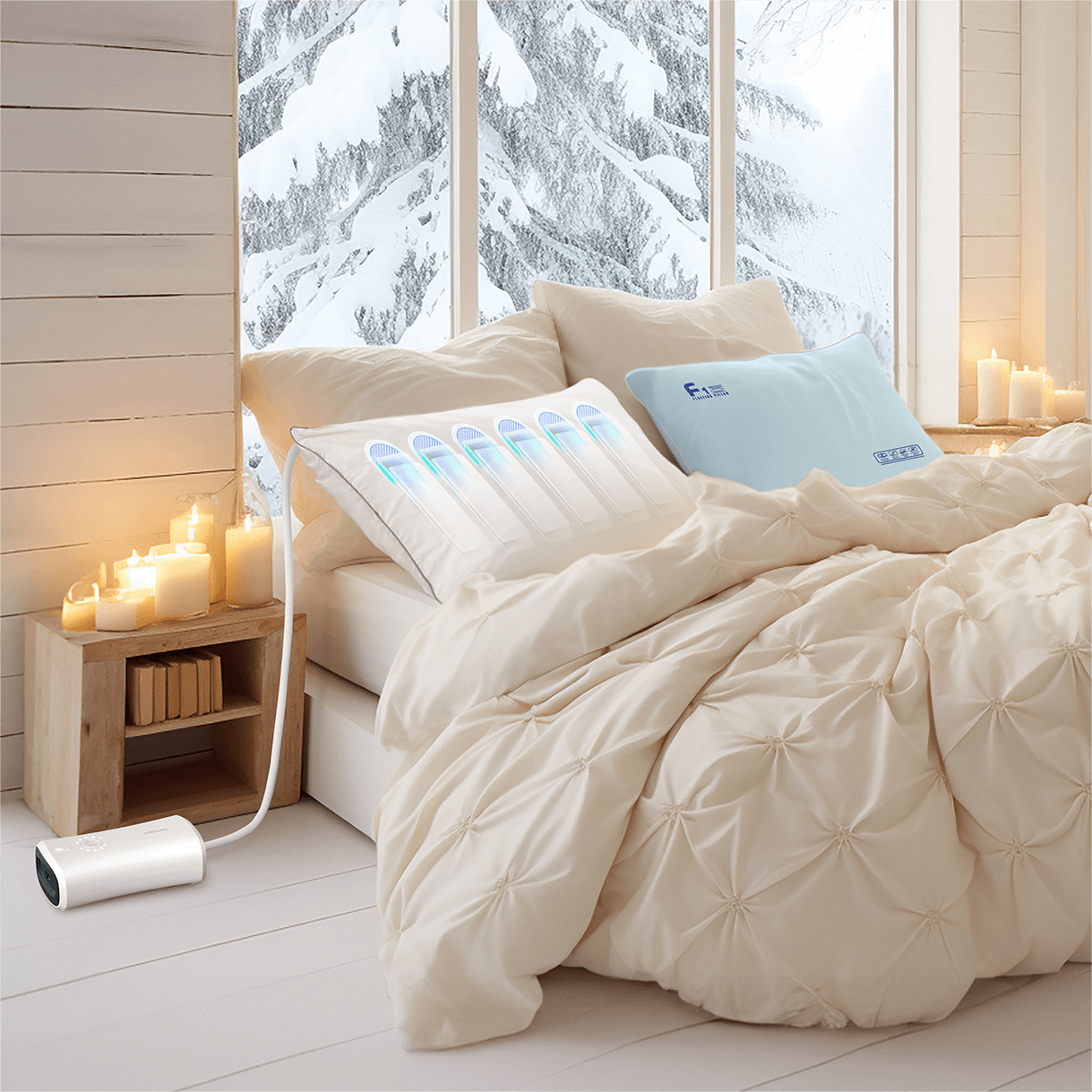
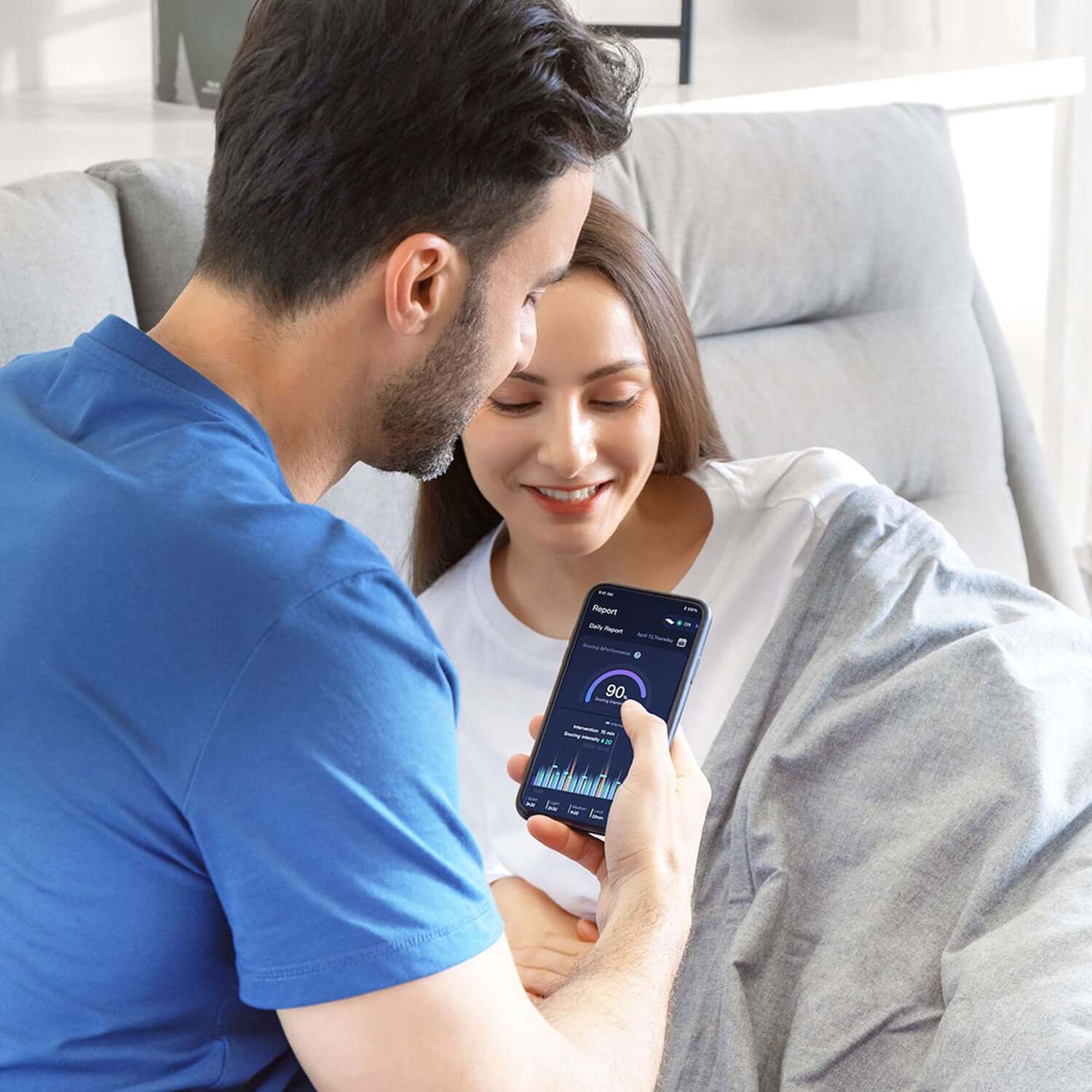
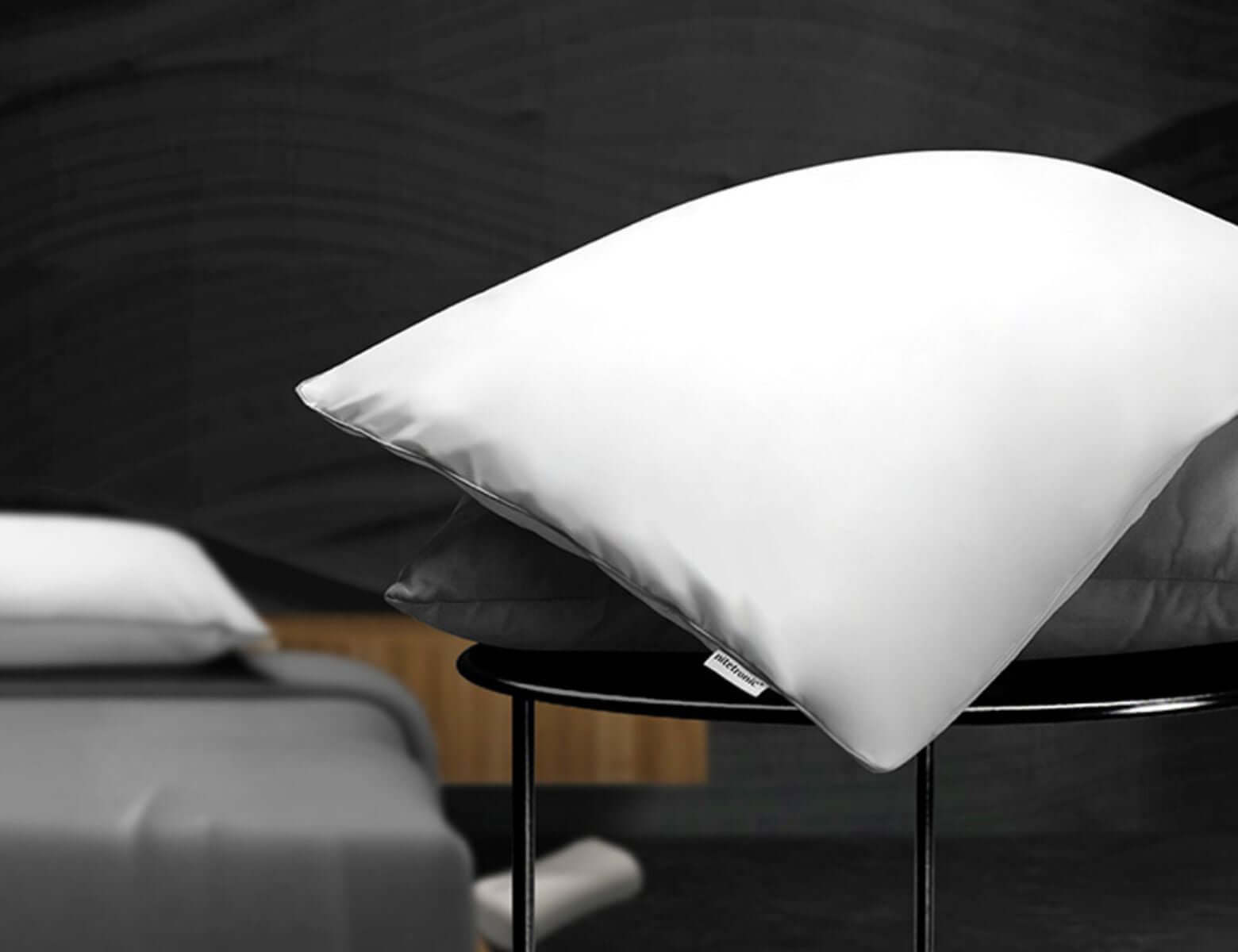
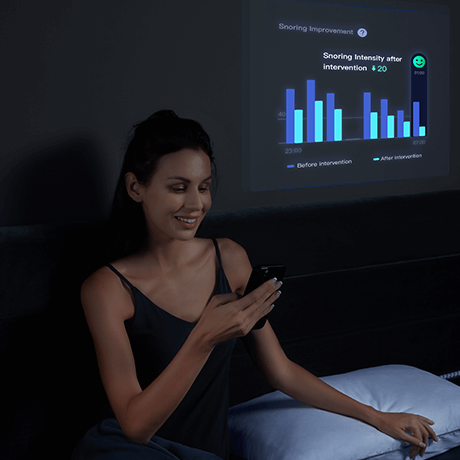
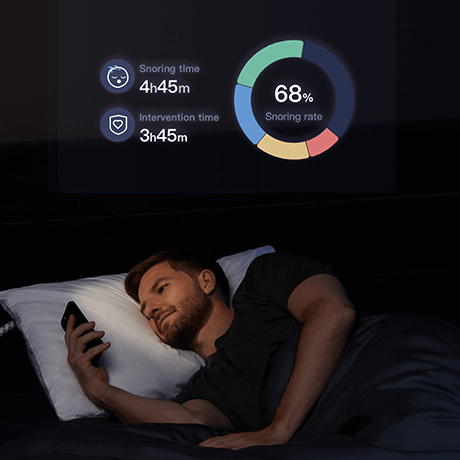
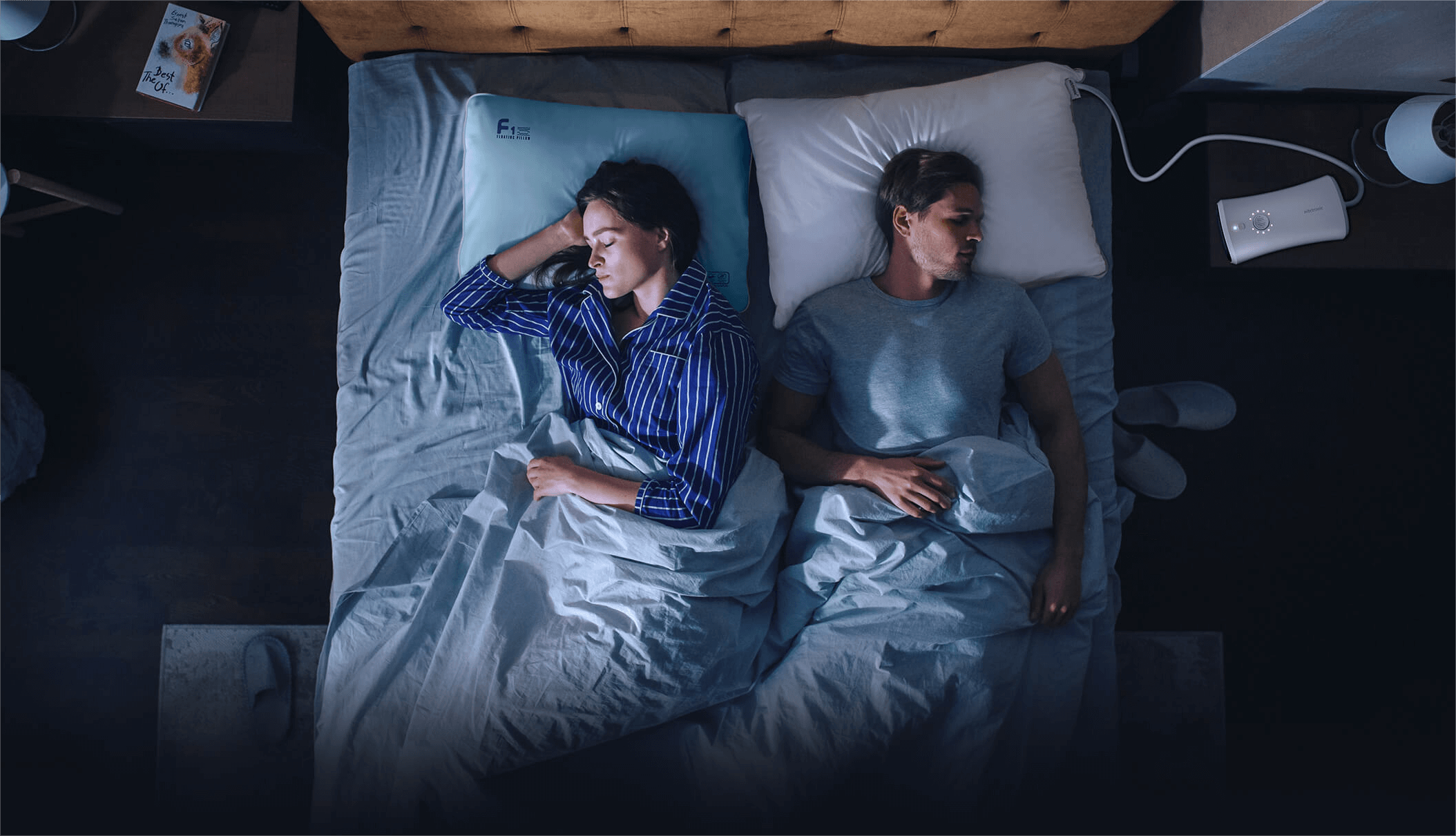
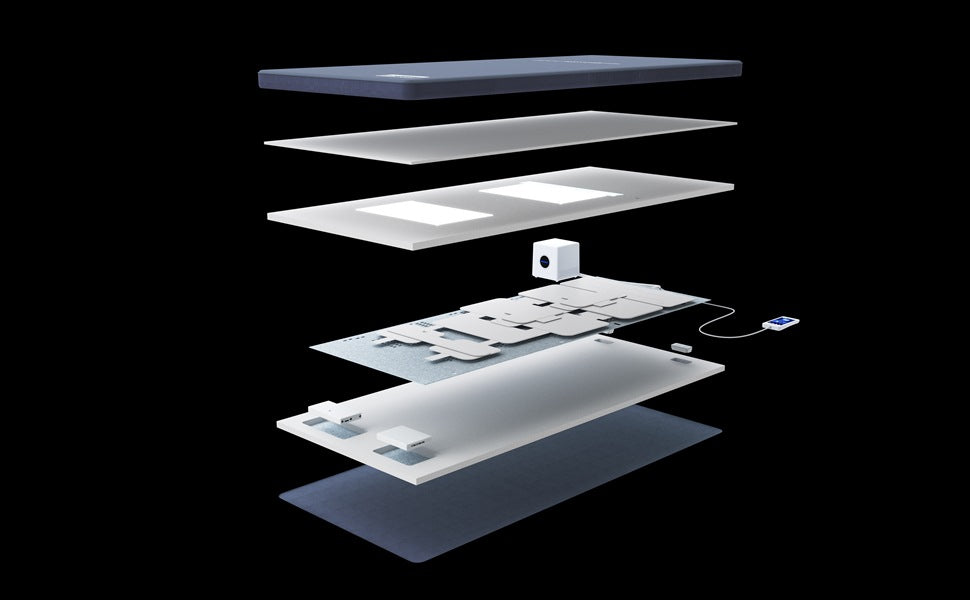
Some smart pillows are designed to detect snoring-like sounds and make subtle height adjustments intended to encourage a change in head position without fully waking the sleeper. The Nitetronic A1 Smart Anti-Snore Pillow is a consumer sleep-support product built around this approach. It is not a diagnostic device or a replacement for prescribed sleep-apnea treatment.
What a pillow cannot do
A pillow cannot:
- diagnose obstructive or central sleep apnea;
- confirm whether breathing interruptions are occurring;
- reliably measure apnea severity or treatment effectiveness;
- replace CPAP, a prescribed oral appliance, surgery, or another clinician-recommended therapy;
- guarantee a reduction in snoring or apnea events for every sleeper.
Marketing language can blur these boundaries. Treat claims of a universal “sleep apnea pillow” or a guaranteed cure with caution. Comfort support and medical treatment are different categories.
Common pillow approaches
Supportive loft pillows
These aim to keep the head and neck in a comfortable, neutral position. Too little or too much height can create strain, so fit matters more than a single “ideal” measurement.
Wedge or incline pillows
An incline raises the upper body rather than only bending the neck. Some sleepers find this more comfortable, particularly when congestion or reflux contributes to disturbed sleep. Anyone with a medical condition should ask a clinician whether an incline is appropriate.
Positional pillows
These are shaped to support side sleeping or discourage rolling onto the back. They may be useful when snoring is strongly position-dependent, but they should not be treated as proof that possible apnea is controlled.
Responsive smart pillows
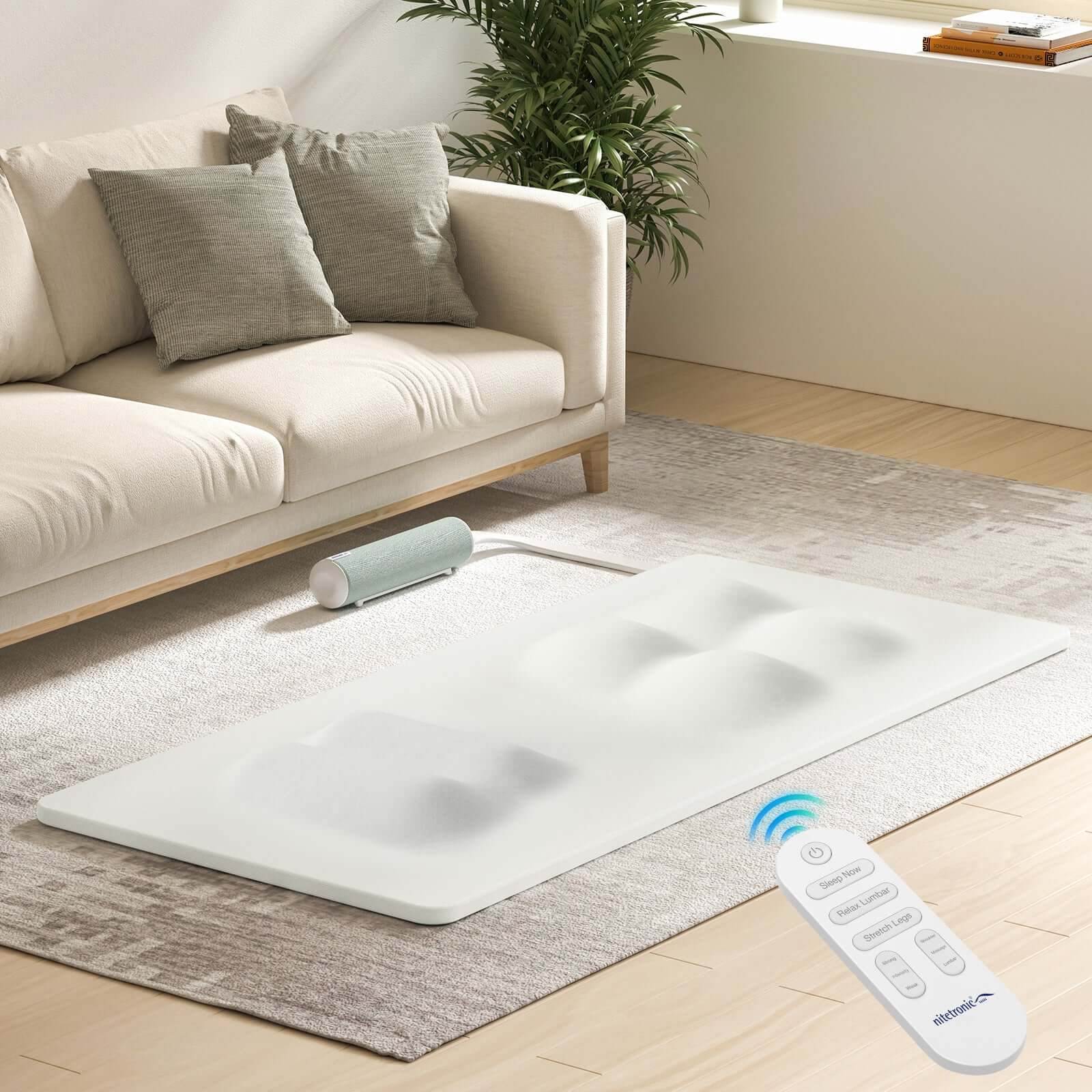
These products use sensors and automatic adjustment rather than a fixed shape alone. Evaluate them by comfort, responsiveness, noise, fit, ease of cleaning, return policy, and realistic product claims—not by promises to treat a diagnosed disorder.
Using a pillow alongside prescribed treatment
If you already use CPAP or another prescribed therapy, do not stop or change it because a pillow seems to reduce audible snoring. Less noise does not necessarily mean apnea is controlled.
A pillow may still improve comfort around a mask or sleep position. Discuss persistent leaks, pressure discomfort, neck pain, or difficulty tolerating treatment with the clinician or equipment provider overseeing your care.
A safer seven-night observation plan
Use this plan only as a comfort and snoring observation—not as a sleep-apnea test.
- Keep bedtime and wake time reasonably consistent.
- Use the same pillow setup for several nights unless it causes pain or breathing discomfort.
- Note your main sleep position and whether it changed overnight.
- Record nasal congestion, late alcohol, unusually heavy meals, and major sleep deprivation.
- Ask a partner to note snoring patterns without trying to diagnose them.
- Record morning comfort, dry mouth, headache, and daytime alertness.
- Stop the trial and seek medical advice if concerning breathing symptoms appear.
For a longer structured comparison, use our 14-night pillow testing guide.
Buying checklist
Before choosing a pillow for snoring support, ask:
- Does the height suit my sleeping position and mattress?
- Can I change the loft or support level?
- Is the surface breathable and comfortable?
- Does it help me maintain my preferred position?
- If it is a smart pillow, how does it respond and how noisy is it?
- Are the cover, care instructions, trial period, and return policy clear?
- Does the brand distinguish sleep support from medical treatment?
You can also take the Nitetronic snoring quiz to organize your observations before comparing options. The quiz is educational and does not provide a diagnosis.
When to seek professional evaluation
Contact a healthcare professional when snoring is accompanied by witnessed breathing pauses, choking or gasping, marked daytime sleepiness, morning headaches, unexplained concentration problems, or cardiovascular concerns such as difficult-to-control high blood pressure. A clinician can decide whether a formal sleep evaluation is appropriate.
Seek urgent medical attention for severe breathing difficulty, chest pain, fainting, or another acute symptom.
Frequently asked questions
Can a pillow cure sleep apnea?
No. A pillow is not a cure for sleep apnea and cannot replace diagnosis or prescribed treatment.
Can changing pillows reduce snoring?
It may help some people, especially when comfort, alignment, or sleeping position contributes to snoring. The result depends on the individual and the cause of the snoring.
Is a wedge pillow better than a regular pillow?
Not for everyone. A wedge changes upper-body elevation, while a regular pillow mainly supports the head and neck. Comfort, health history, and sleeping position should guide the choice.
Can I use a smart pillow with CPAP?
Possibly, but mask fit and hose routing matter. Keep using prescribed therapy and ask your clinician or equipment provider if a new pillow causes leaks or discomfort.
How long should I test a pillow?
A week can reveal basic comfort and position patterns, while a structured 14-night comparison gives a better view of normal night-to-night variation. Stop sooner if the pillow causes pain or breathing discomfort.
The bottom line
The best pillow is one that provides comfortable support and fits your sleeping position without making medical promises it cannot keep. A supportive, positional, or responsive smart pillow may be a useful part of a snoring-focused routine, but possible sleep apnea deserves professional evaluation and proven treatment.

Leave a comment
This site is protected by hCaptcha and the hCaptcha Privacy Policy and Terms of Service apply.