






Searching for the best anti-snore pillow can quickly become confusing. Product pages may focus on shape, materials, sensors, height, or dramatic promises, but no single pillow is automatically right for every sleeper.
Snoring can be influenced by sleep position, nasal congestion, alcohol, anatomy, weight, medication, and sleep disorders. A pillow may help some people maintain a more comfortable position, but it cannot diagnose the cause of snoring or replace treatment for obstructive sleep apnea.
Use these seven checks to compare options more realistically.
1. Start With Your Normal Sleep Position
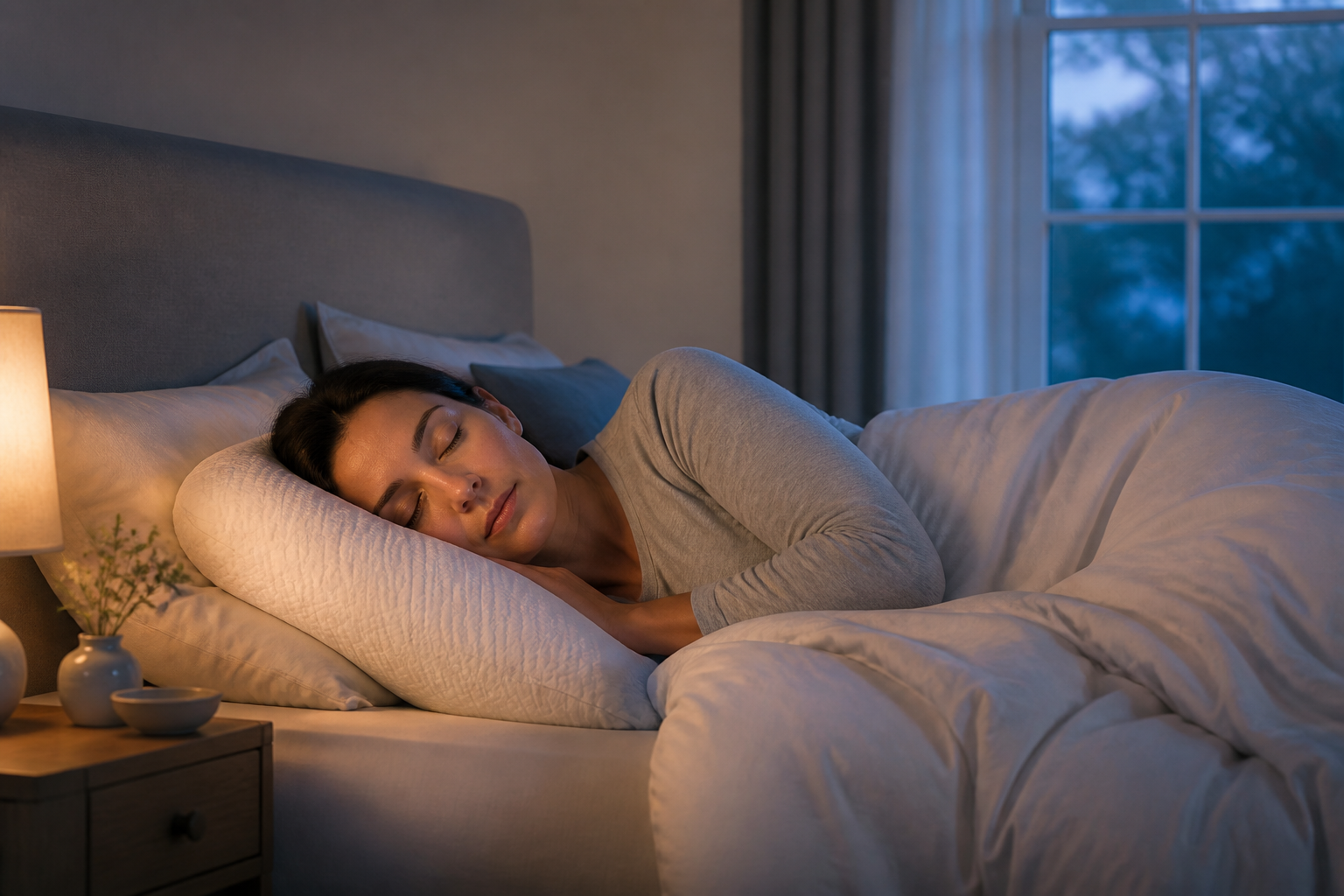
Back sleeping can make snoring more noticeable for some people because gravity may encourage the tongue and surrounding tissues to move backward. Side sleeping may reduce position-related snoring for certain sleepers, although results vary.
Choose a pillow that supports a position you can maintain comfortably. A highly contoured design is not useful if it repeatedly wakes you or encourages a position that causes shoulder or neck discomfort.
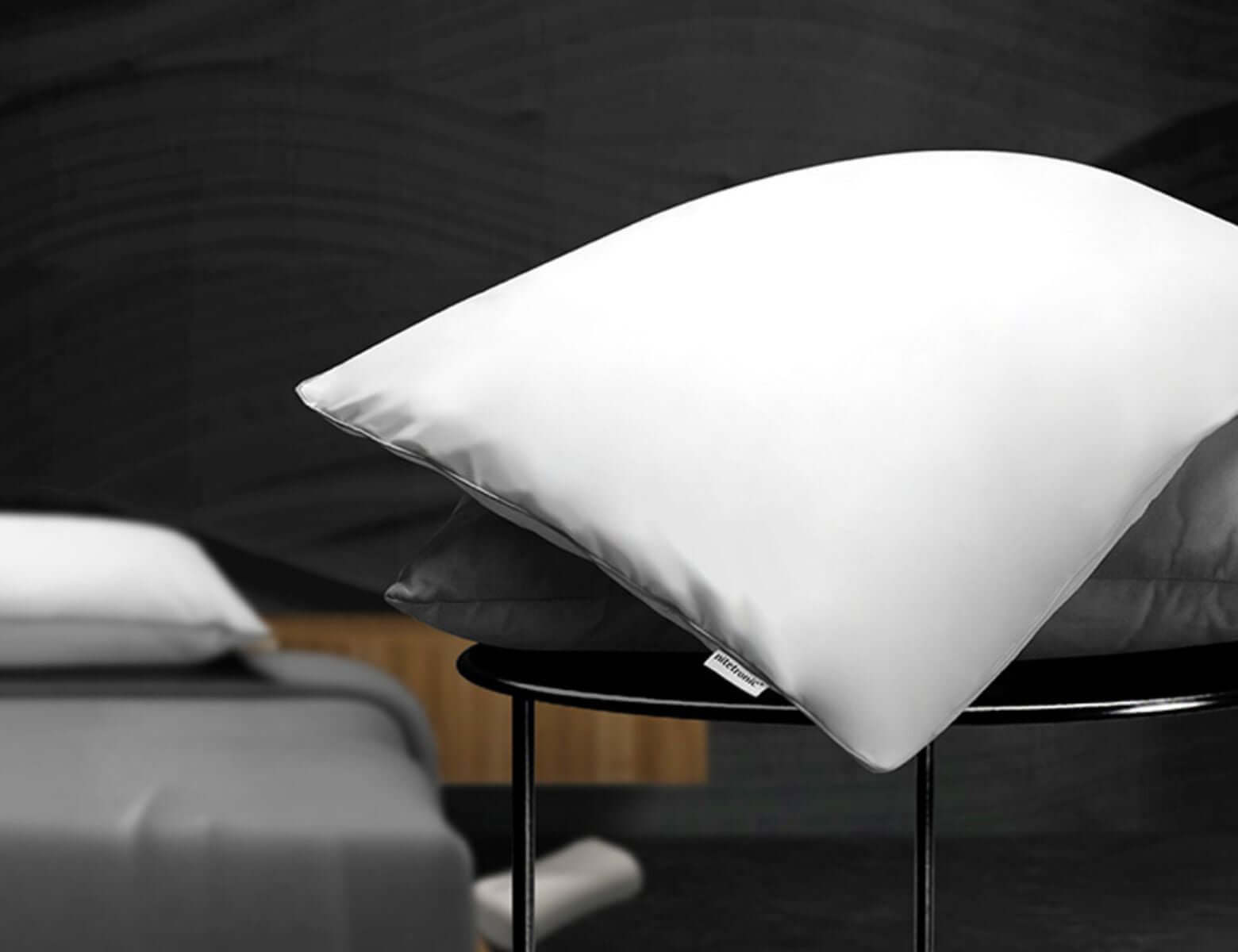
If you are comparing different designs, begin with the Nitetronic anti-snore pillow collection and evaluate fit and adjustability rather than relying only on the strongest marketing claim.
2. Match Pillow Height to Your Body and Mattress
Pillow height, often called loft, should help keep the head and neck reasonably neutral. Side sleepers usually need enough height to fill the space created by the shoulder. Back sleepers often need less height so the chin is not pushed sharply toward the chest.
Shoulder width and mattress firmness matter. A person sinks farther into a soft mattress and may need a different pillow height than the same person on a firm mattress.
A simple check is to lie in your normal position and ask someone to look at your head and neck from behind. The neck should not appear sharply tilted toward or away from the mattress.
3. Check Support After Compression
A pillow can feel tall in the store and become much lower after the head settles into it. Very soft fill may compress too far, while very firm foam may create pressure near the ear, jaw, or neck.
Evaluate how the pillow feels after at least 15 minutes, not only during the first few seconds. Stable support matters more than a dramatic shape.
4. Prefer Useful Adjustability
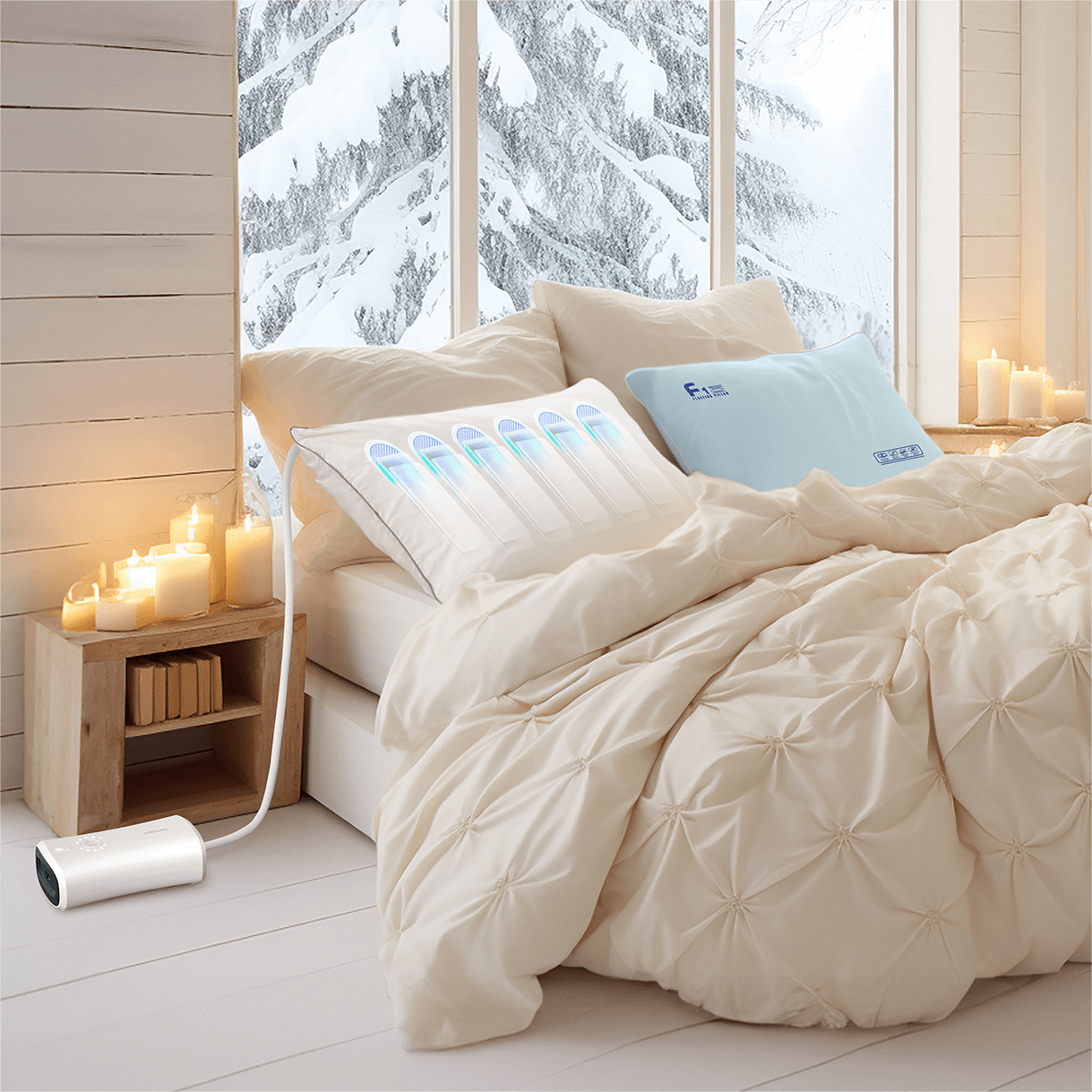
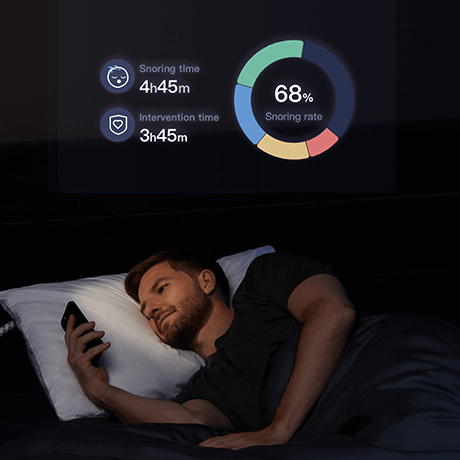
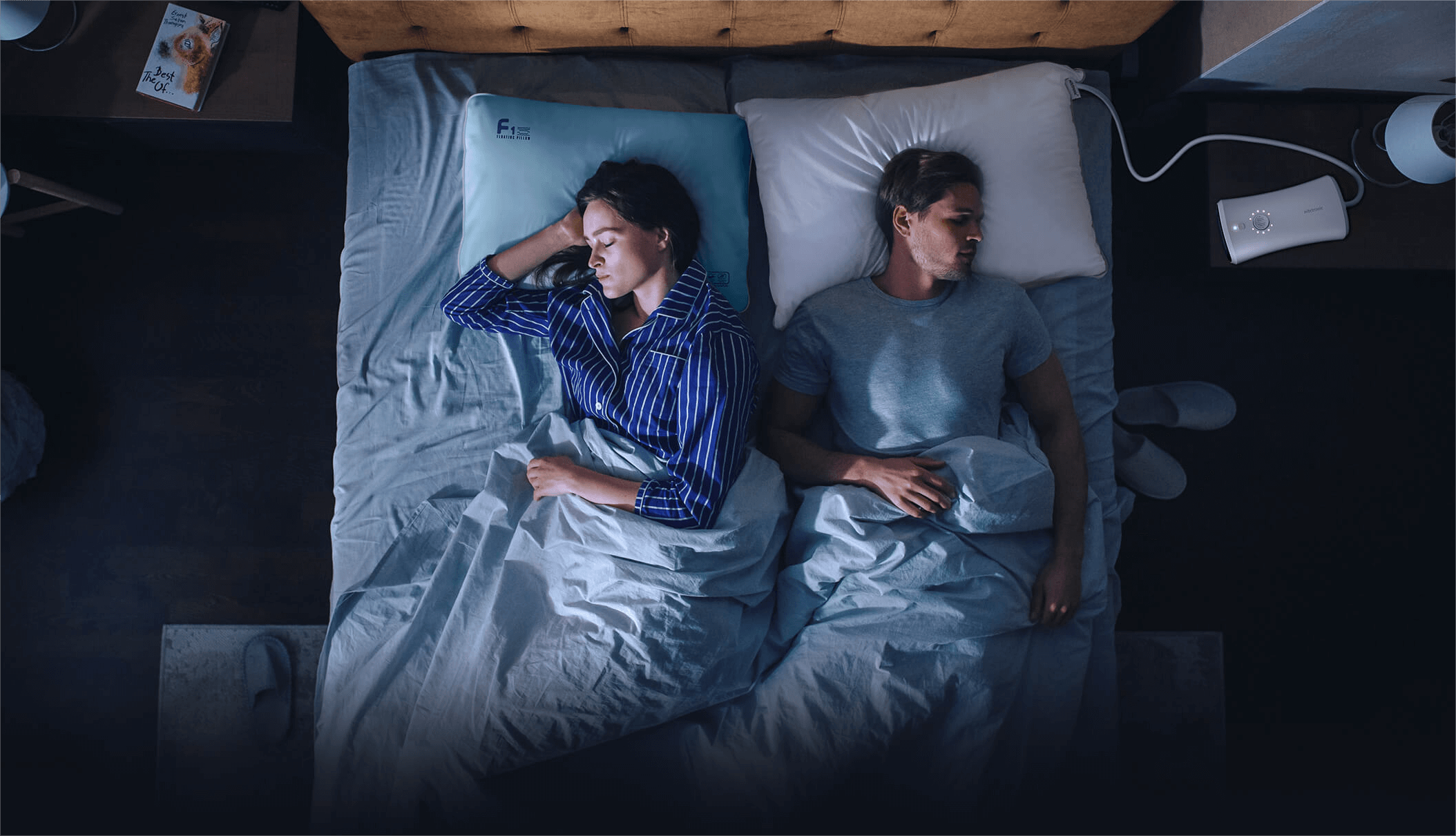
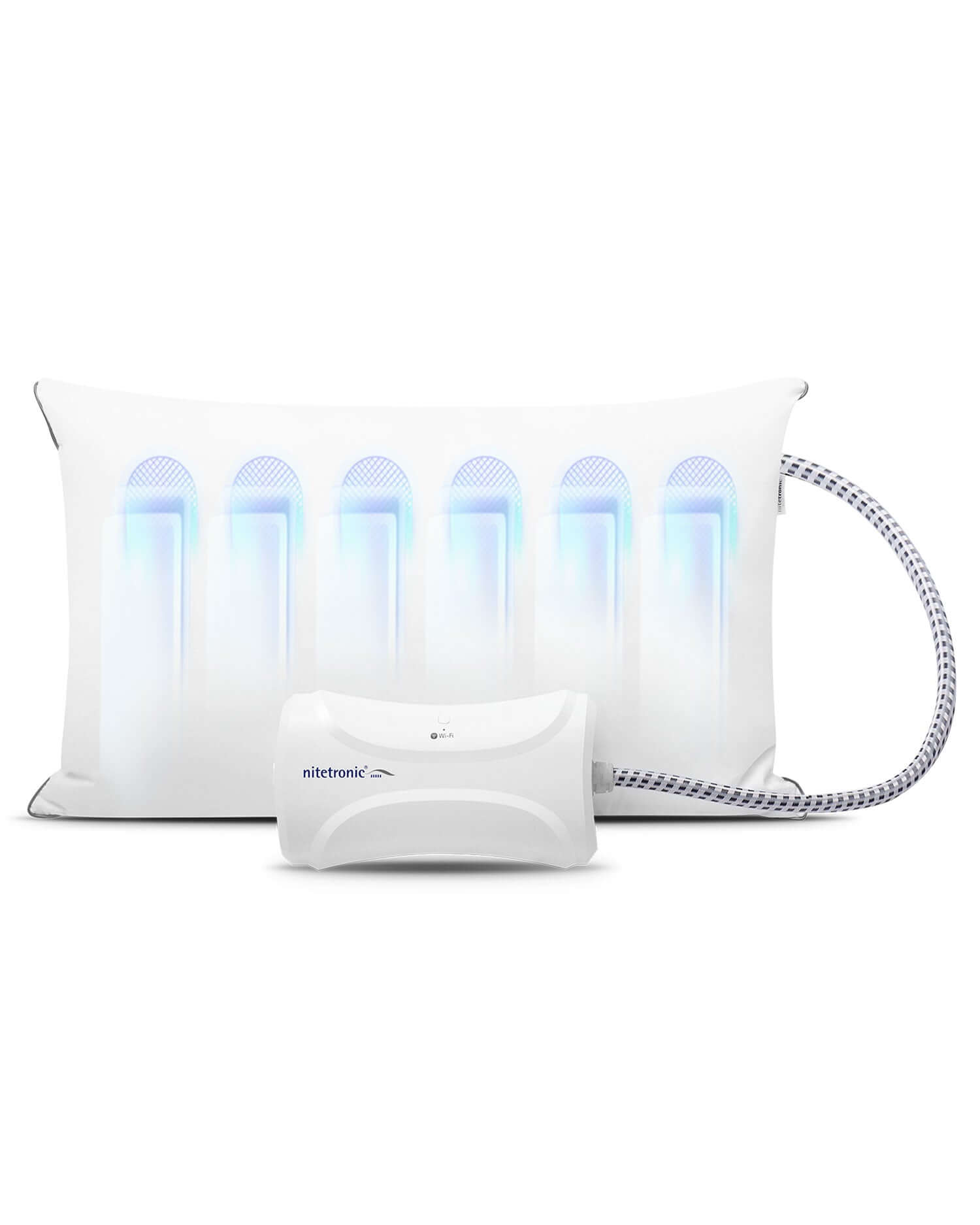
Adjustable fill, removable layers, or configurable air chambers can make it easier to fine-tune height. Smart pillows may also detect sound patterns and make gentle positional adjustments.
Technology should serve comfort, not replace it. For example, the Nitetronic A1 AI Anti-Snore Pillow combines adjustable support with connected features, but suitability still depends on individual sleep habits and comfort.
5. Look Beyond the Word "Anti-Snore"
The label describes an intended use, not a guaranteed result. Compare:
- height and firmness options;
- materials and heat retention;
- side-sleeping comfort;
- noise from powered components;
- cleaning instructions;
- warranty and trial terms;
- app requirements and data privacy, if connected features are included.
Avoid treating an unsupported percentage or a single testimonial as proof that the same result will apply to everyone.
6. Run a Consistent Seven-Night Test
When practical, test the pillow for several nights while keeping other variables reasonably stable.
- Record your sleep position, congestion, alcohol use, and bedtime.
- Note neck comfort, awakenings, morning headaches, and daytime sleepiness.
- Ask a partner for observations, or use recordings only as trend information.
- Stop using the pillow if it causes pain, numbness, or repeated sleep disruption.
The goal is to see whether comfort and position improve, not to diagnose a medical condition at home. The Nitetronic snoring quiz can help organize product preferences, but it is not a medical assessment.
7. Know When a Pillow Is Not Enough
Persistent loud snoring should be discussed with a healthcare professional when it occurs with witnessed breathing pauses, choking or gasping, marked daytime sleepiness, morning headaches, difficulty concentrating, or high blood pressure. These signs can be associated with obstructive sleep apnea.
Anyone using CPAP or another prescribed therapy should not stop or replace it with a pillow unless a qualified clinician recommends the change.
FAQ
What type of pillow is best for snoring?
There is no universal best type. The most useful option supports a comfortable sleep position, appropriate height, and stable neck alignment for the individual sleeper and mattress.
Is a higher pillow always better?
No. Excessive height can push the neck forward, while insufficient height may leave a side sleeper unsupported. Neutral and comfortable alignment is the better target.
Can an anti-snore pillow replace CPAP?
No. A pillow should not replace prescribed treatment for obstructive sleep apnea. Speak with a qualified healthcare professional before changing treatment.
How long should I test a pillow?
A seven-night comparison can reveal comfort and position patterns, provided other variables stay reasonably consistent. Stop earlier if the pillow causes pain or repeated awakenings.
Final Takeaway
The best anti-snore pillow is not the one with the biggest promise. It is the one that fits your body, mattress, sleep position, and comfort needs while setting realistic expectations. Use adjustability, support, trial terms, and responsible claims as your comparison criteria, and seek medical guidance when snoring includes warning signs.

Leave a comment
This site is protected by hCaptcha and the hCaptcha Privacy Policy and Terms of Service apply.