





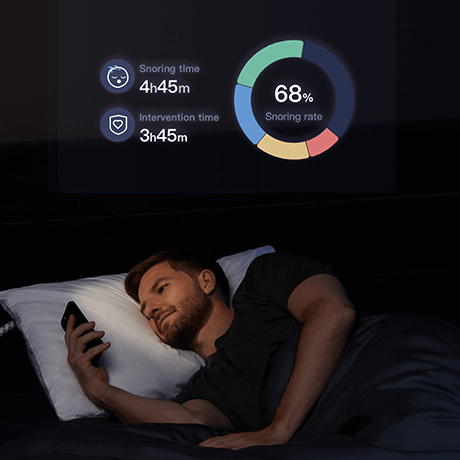
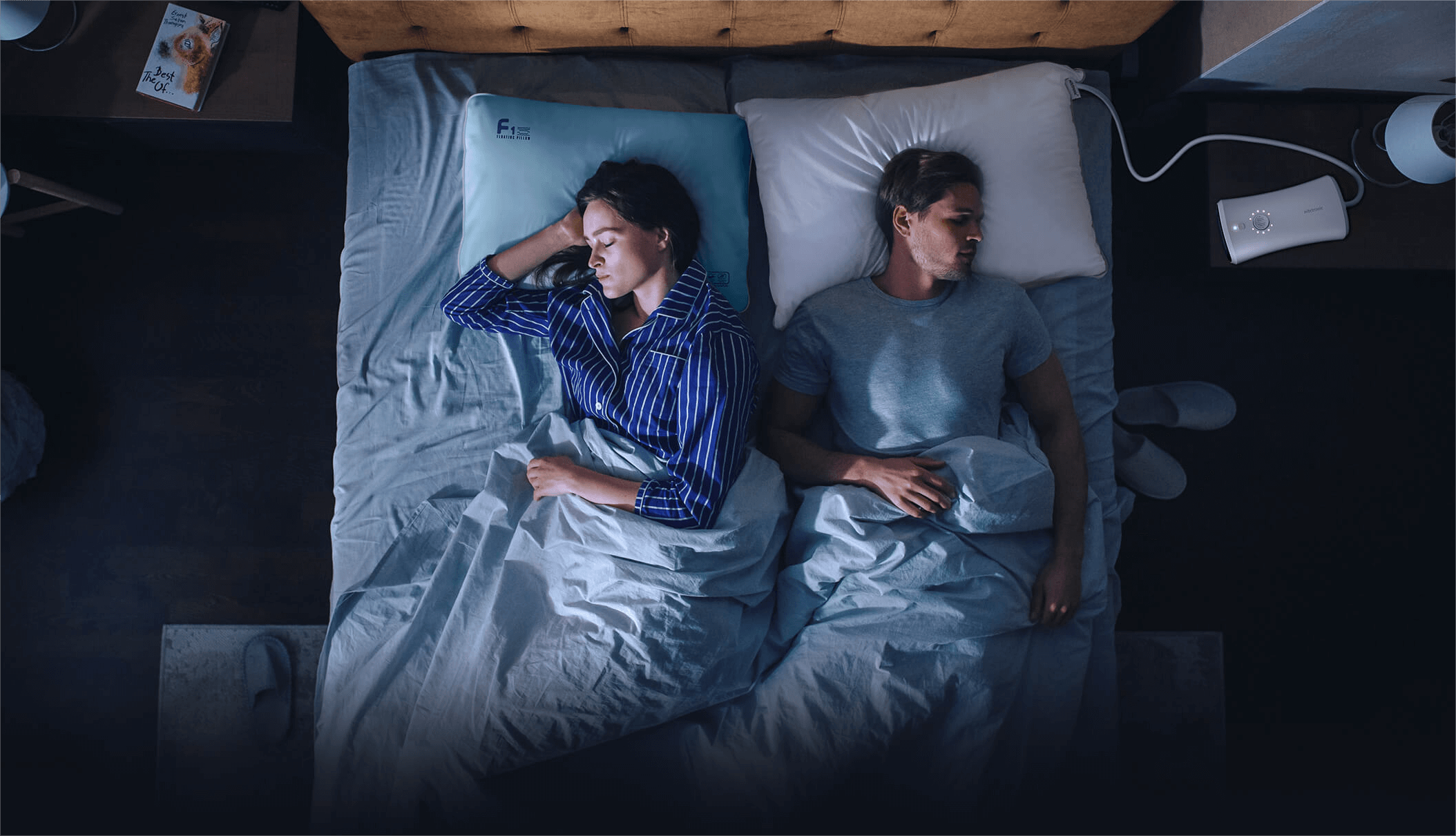
Snoring is not caused by one thing. Sleep position, nasal congestion, alcohol, anatomy, weight, medications, and sleep disorders can all play a role. A pillow may help some people maintain a more comfortable position, but it cannot guarantee that snoring will stop—and it is not a treatment for obstructive sleep apnea.
Understanding that distinction makes it easier to evaluate a “stop snoring pillow” without relying on exaggerated claims.
Why Position Can Matter
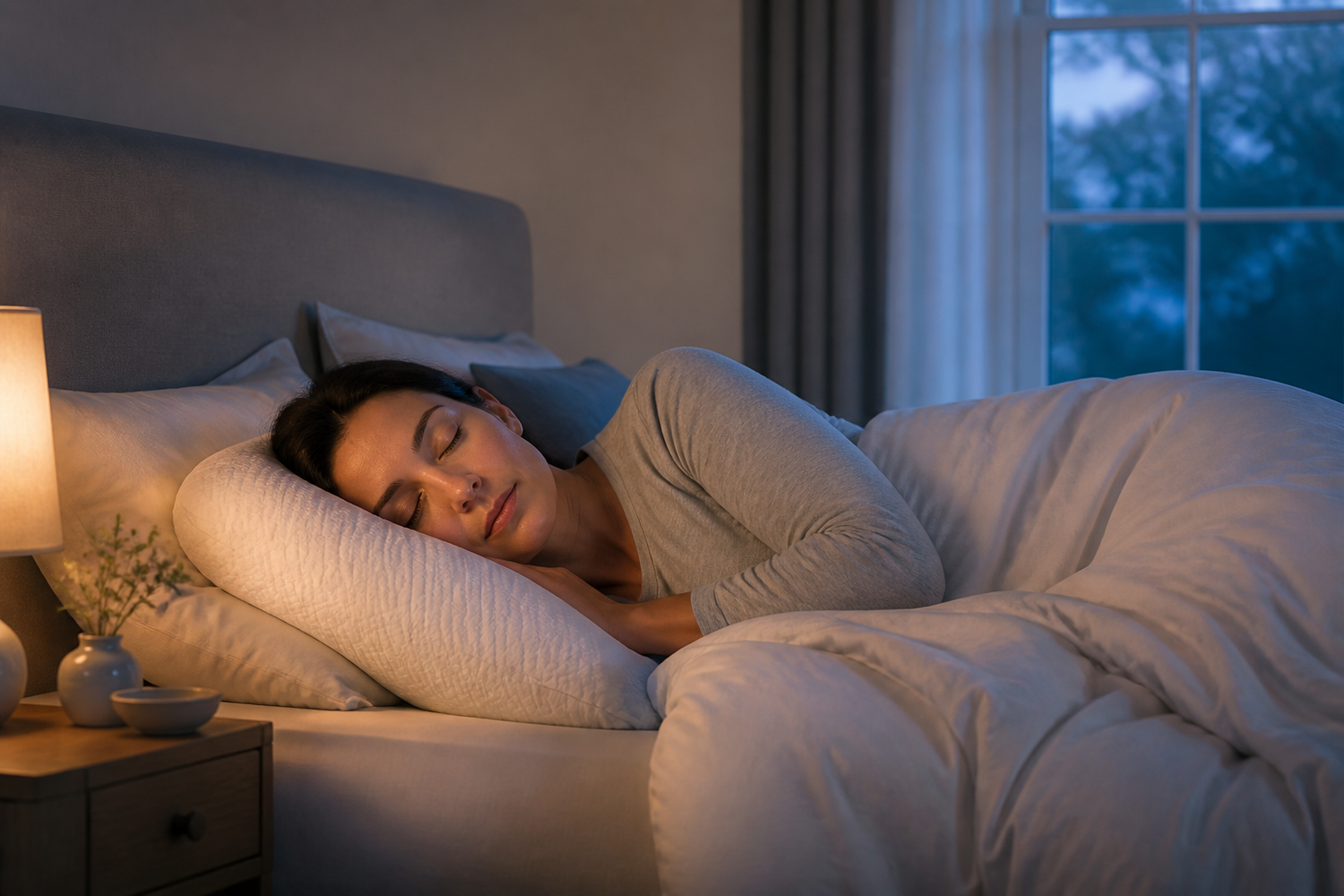
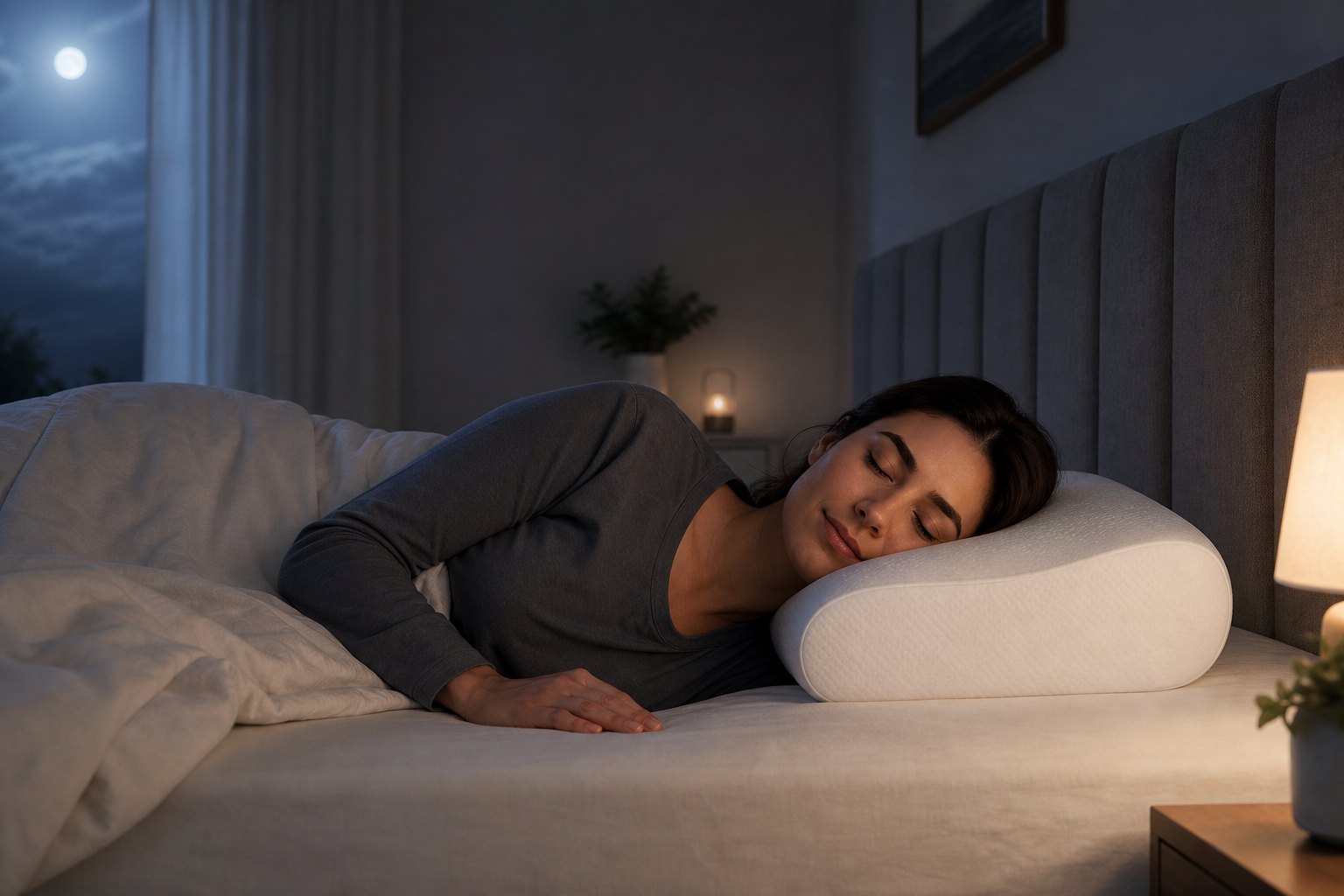
For some sleepers, snoring becomes more noticeable while lying on the back. Gravity can encourage the tongue and nearby soft tissues to move backward, narrowing the airway and increasing vibration. Side sleeping may reduce position-related snoring for certain people, although results vary.
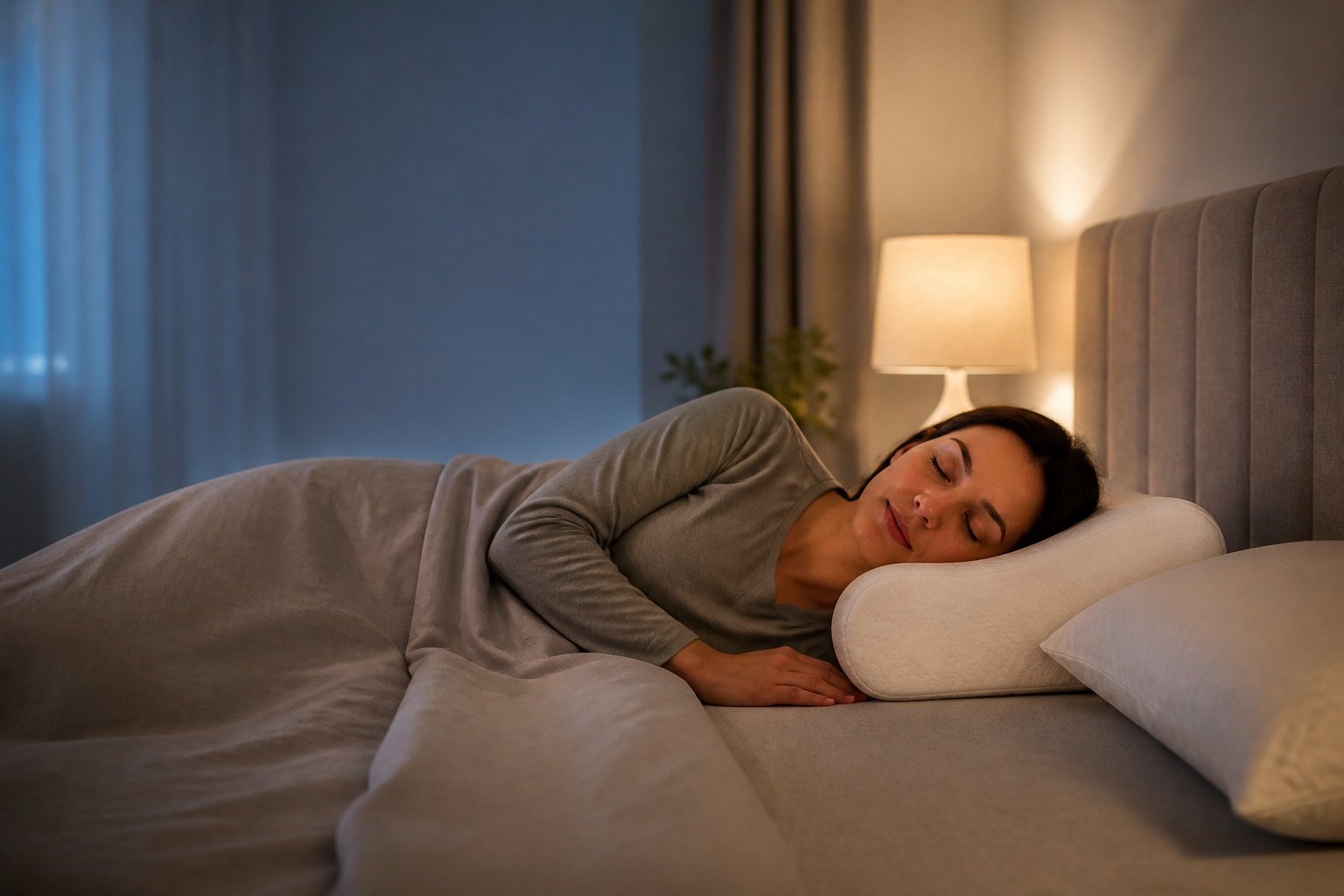
A pillow can support this approach by making side sleeping more comfortable or by helping the head and neck stay in a neutral position. It does not change every underlying cause of snoring.
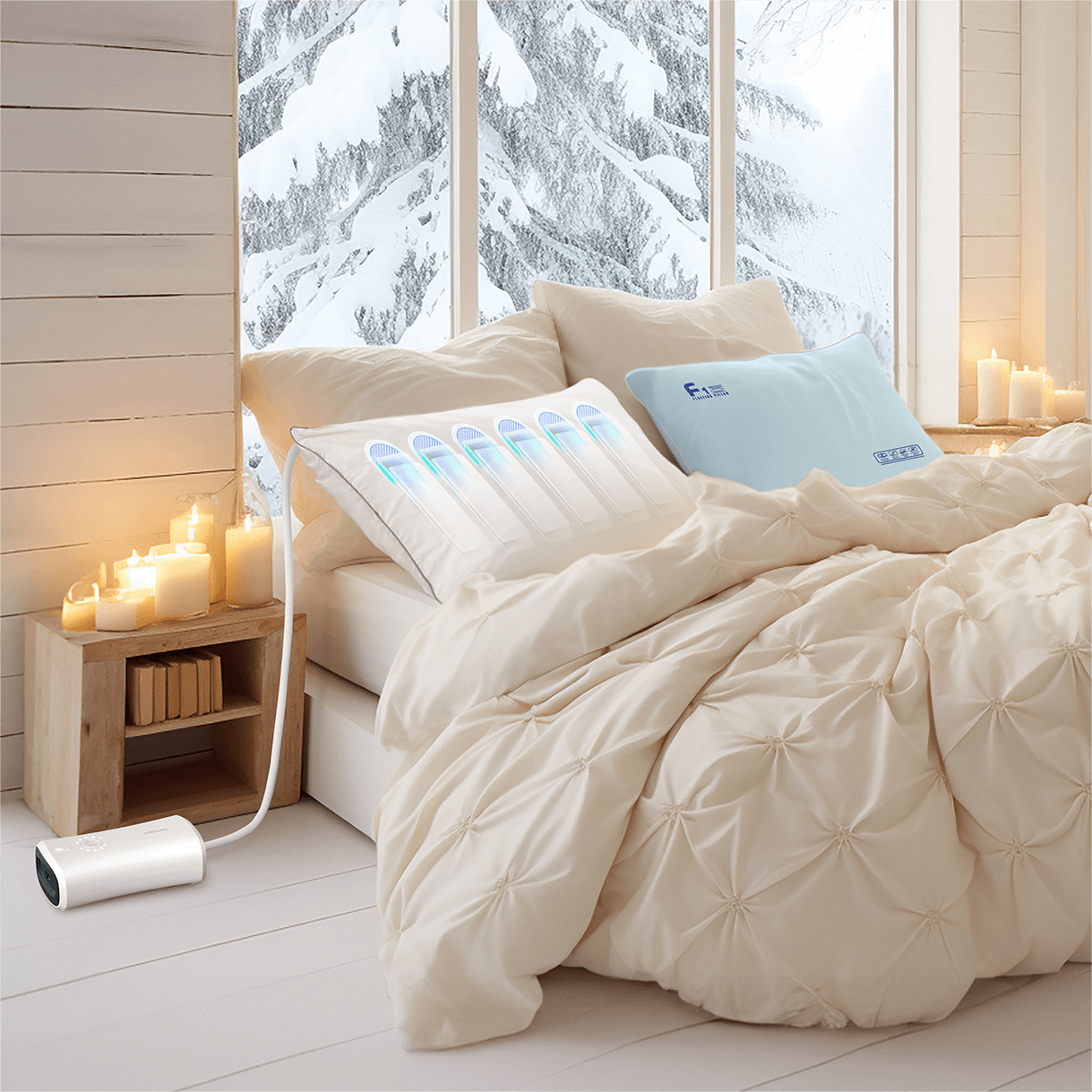
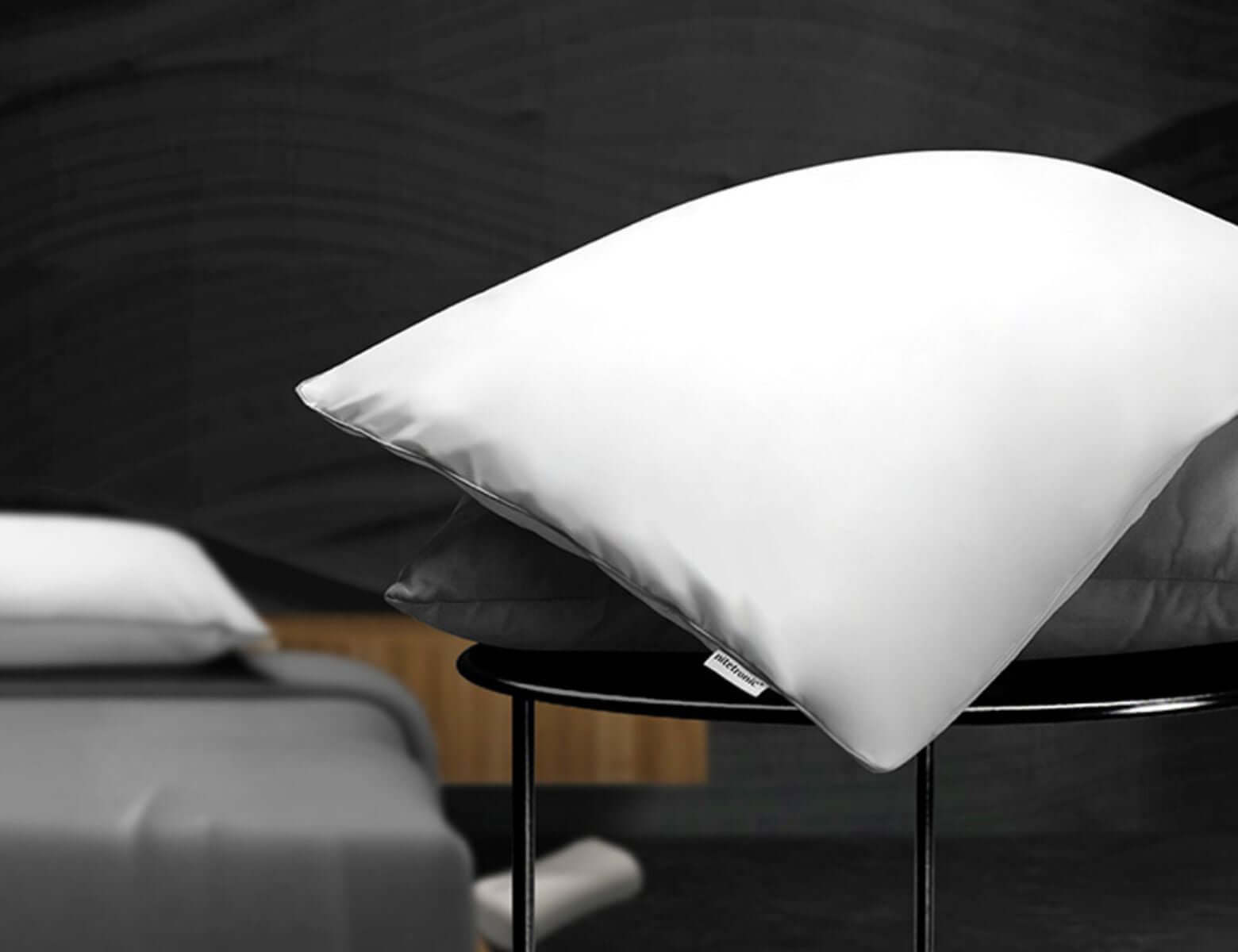
If you are comparing designs, review Nitetronic’s anti-snore pillow collection by adjustability, firmness, trial terms, comfort, and fit—not by the strongest promise on the page.
What to Look for in a Position-Focused Pillow
Appropriate height
The pillow should fill the space between the head and mattress without pushing the neck sharply upward or letting it fall toward the bed. Shoulder width, mattress firmness, and sleeping position all affect the ideal height.
Stable support
A pillow that compresses too much may lose its useful height during the night. A very firm pillow may hold its shape but create pressure around the ear, jaw, or neck. Adjustable-height designs can make experimentation easier.
A shape you can use consistently
Contours, side-sleeping zones, and adjustable chambers are useful only if they remain comfortable. A feature that repeatedly wakes the sleeper is unlikely to support a sustainable routine.
The Nitetronic Z10 Side-Sleeping Anti-Snore Pillow is one example of a design intended to support side sleeping. Product suitability still depends on the individual sleeper.
A Pillow May Help, but It Cannot Promise a Cure
A supportive pillow may help a person:
- maintain a side-sleeping position;
- improve head and neck comfort;
- reduce awakenings caused by poor pillow fit;
- observe whether snoring changes with position.
It cannot diagnose the reason for snoring, guarantee a specific reduction, or replace prescribed treatment. Claims that a pillow “cures sleep apnea” or replaces CPAP should be treated cautiously.
How to Run a Simple Seven-Night Test
Keep the test practical and consistent:
- Use the same pillow and mattress for several nights.
- Record sleep position, congestion, alcohol use, and bedtime.
- Note comfort, awakenings, morning headaches, and daytime sleepiness.
- Ask a partner for observations, or use recordings only as trend information.
- Stop if the pillow causes pain, numbness, or repeated sleep disruption.
The goal is to identify a useful pattern, not to diagnose a condition at home. The Nitetronic Snoring Quiz can help organize sleep habits and product preferences, but it is not a medical assessment.
When to Speak With a Healthcare Professional
Persistent loud snoring deserves attention when it occurs with witnessed breathing pauses, choking or gasping, marked daytime sleepiness, morning headaches, difficulty concentrating, or high blood pressure. These signs may be associated with obstructive sleep apnea.
Anyone using CPAP or another prescribed therapy should not discontinue or replace it with a pillow unless a qualified clinician recommends that change.
FAQ
Can the right pillow stop snoring completely?
It may reduce position-related snoring for some people, but no pillow can guarantee complete results because snoring has multiple possible causes.
Is a higher pillow better?
Not necessarily. Too much height can push the neck forward, while too little may fail to support a side sleeper. Neutral, comfortable alignment is the better target.
Is side sleeping always better for snoring?
Side sleeping can help some people whose snoring is position-dependent, but it does not address every cause.
Can a pillow replace CPAP?
No. A pillow is not a substitute for prescribed sleep-apnea therapy.
How quickly should I expect results?
Comfort can be assessed within several nights, but snoring patterns vary. Use a consistent trial and avoid interpreting a single night as proof.
Final Takeaway
A pillow is best viewed as a positioning and comfort tool. Choose a design that fits your body and mattress, test it consistently, and keep expectations realistic. If snoring is persistent or accompanied by warning signs, seek professional assessment rather than relying on a product alone.

Leave a comment
This site is protected by hCaptcha and the hCaptcha Privacy Policy and Terms of Service apply.