





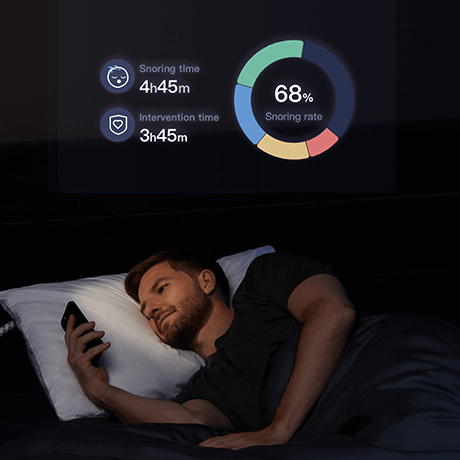
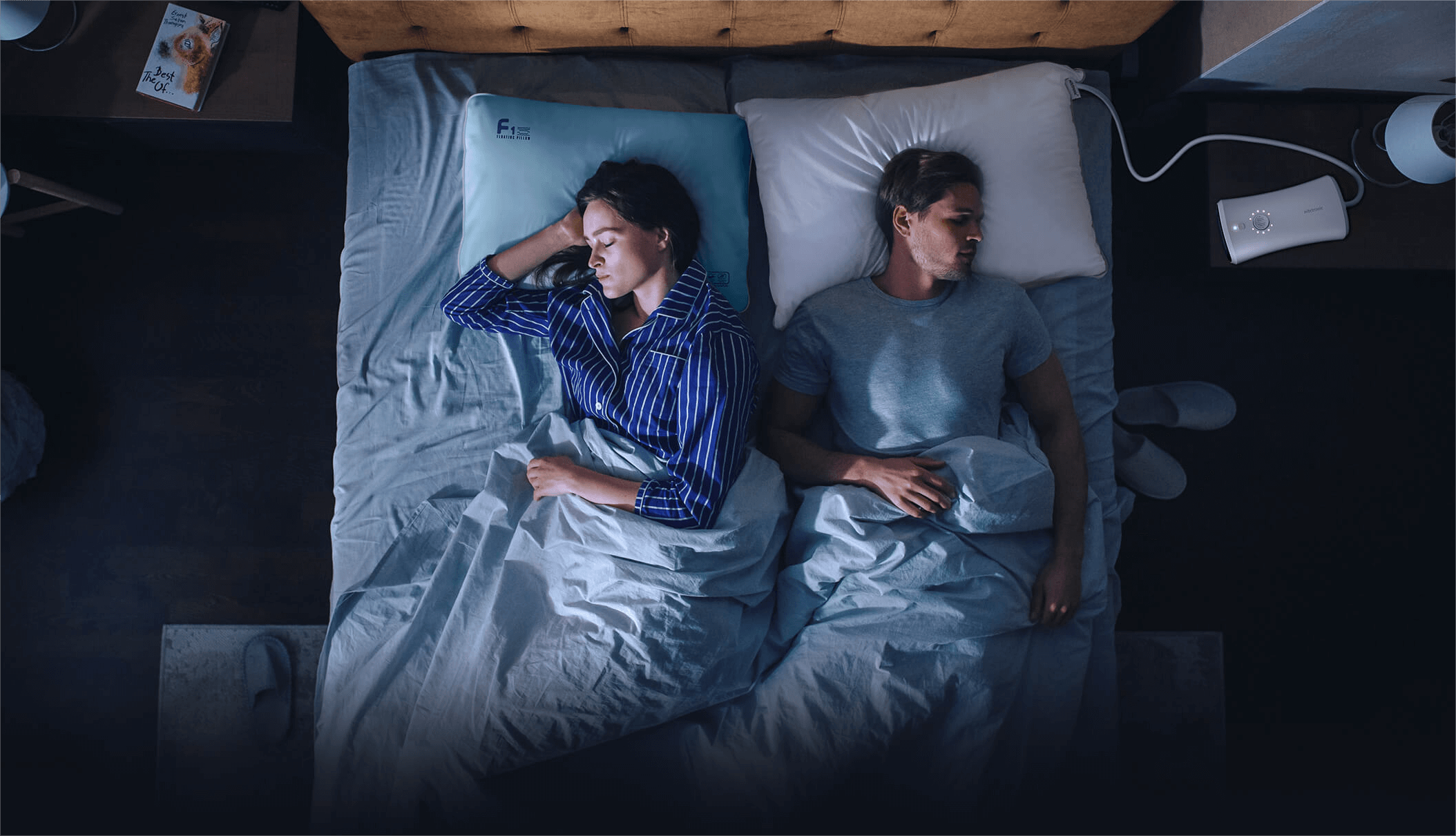
A packed work or school schedule can leave you exhausted by bedtime. If a partner says your snoring seems louder after those long days, the connection is plausible—but tiredness is only one part of the picture.
Snoring happens when airflow passes relaxed tissues in the mouth and throat and makes them vibrate. According to the Mayo Clinic, not getting enough sleep can lead to further throat relaxation. Alcohol, nasal congestion, body anatomy, weight, and sleeping on your back may also contribute.
That does not mean every tired person will snore or that fatigue explains persistent loud snoring. It does mean that a demanding week can combine several familiar triggers at once.
Why a Busy Schedule May Change Your Snoring
1. Short sleep may increase throat relaxation
Sleep deprivation can allow the throat to relax further during sleep. A more relaxed and narrowed airway can make tissue vibration—and therefore snoring—more noticeable in some people.
The practical response is not to chase a perfect bedtime for one night. Aim for a repeatable sleep window that gives you enough opportunity to rest, including on workdays and school nights.
2. Back sleeping may become more common
When people are exhausted, they may fall asleep quickly and remain in whatever position feels easiest. Back sleeping can make snoring more frequent or louder because gravity can narrow the airway.
The UK NHS snoring guidance recommends trying side sleeping for position-related snoring. A supportive pillow may make a comfortable side position easier to maintain, but it cannot diagnose the cause of snoring or guarantee that snoring will stop.
3. Evening habits can stack up
Late meals, alcohol, irregular bedtimes, and less time for exercise often arrive together during busy weeks. Alcohol is especially relevant because it relaxes throat muscles and can increase the likelihood of snoring.
If you are comparing nights, note alcohol use rather than assuming the pillow or sleep position was the only variable.
4. Congestion can change airflow
Seasonal allergies, a cold, or nasal congestion can make nasal breathing harder. That can change airflow through the nose and mouth and contribute to snoring. Persistent or severe congestion should be discussed with a qualified healthcare professional.
A Practical Seven-Night Reset
Instead of changing several products and habits at once, use a simple one-week comparison.
- Keep a consistent sleep and wake window when possible.
- Record whether you drank alcohol and whether your nose felt blocked.
- Note your starting sleep position and morning neck comfort.
- Ask a partner for observations, or use recordings only to compare trends.
- Watch for daytime sleepiness, morning headaches, choking, gasping, or witnessed breathing pauses.
This short log is not a diagnosis. Its purpose is to reveal patterns you can describe clearly if you speak with a healthcare professional.
Where a Snoring Pillow Fits
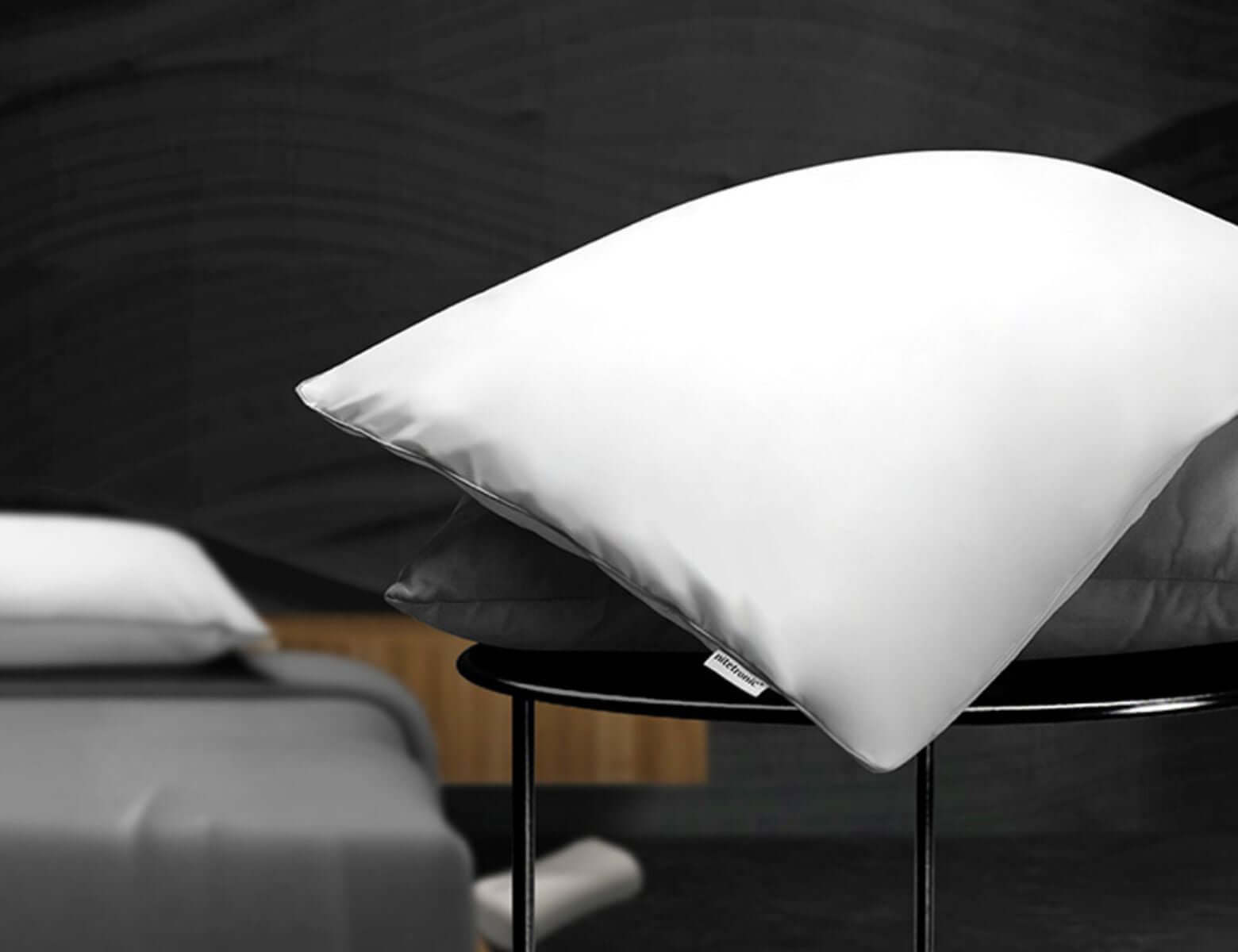
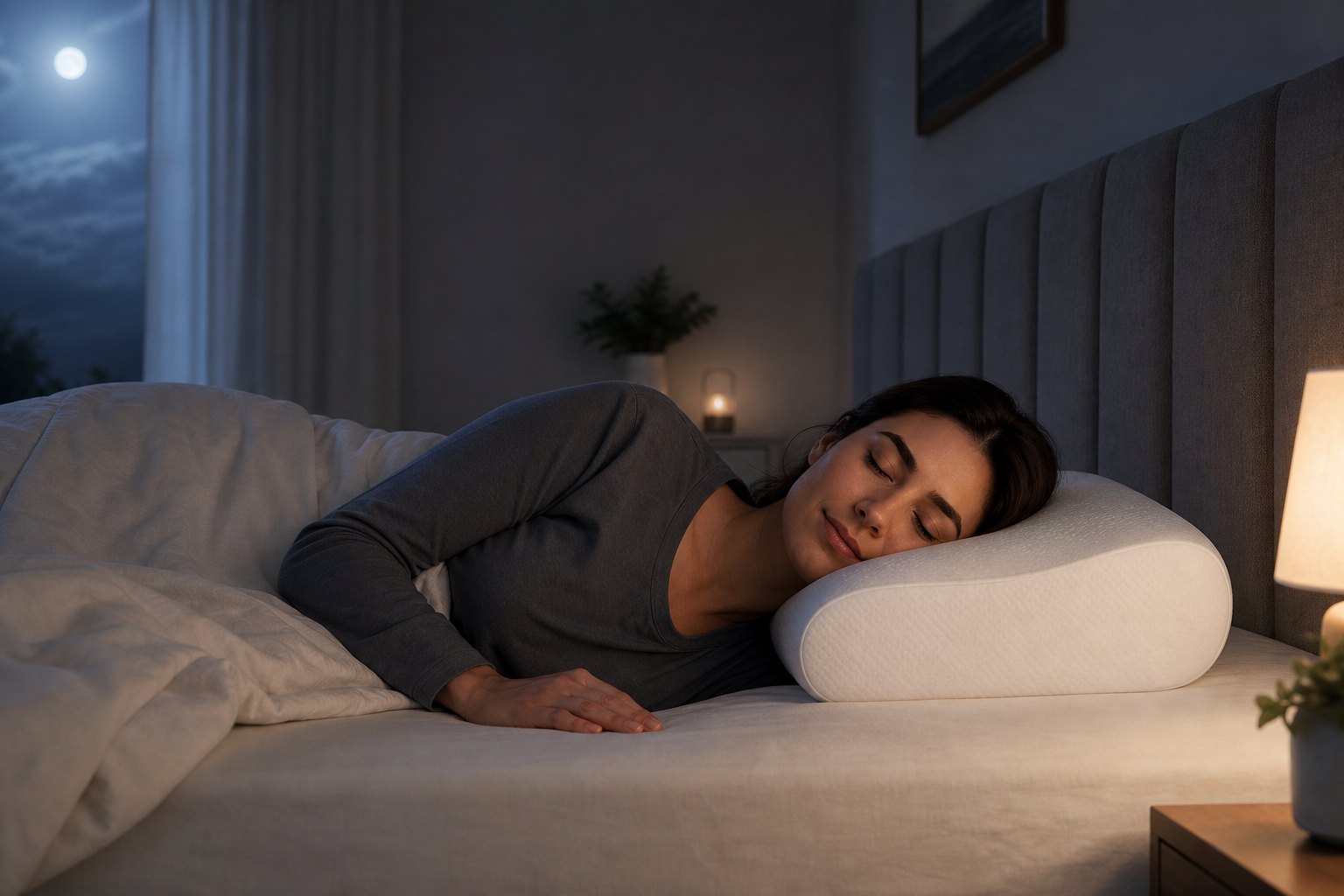
A pillow can support comfort, height, and sleep position. It may be useful when snoring is influenced by back sleeping or when better support makes side sleeping easier. The right height still depends on shoulder width, mattress firmness, and personal comfort.
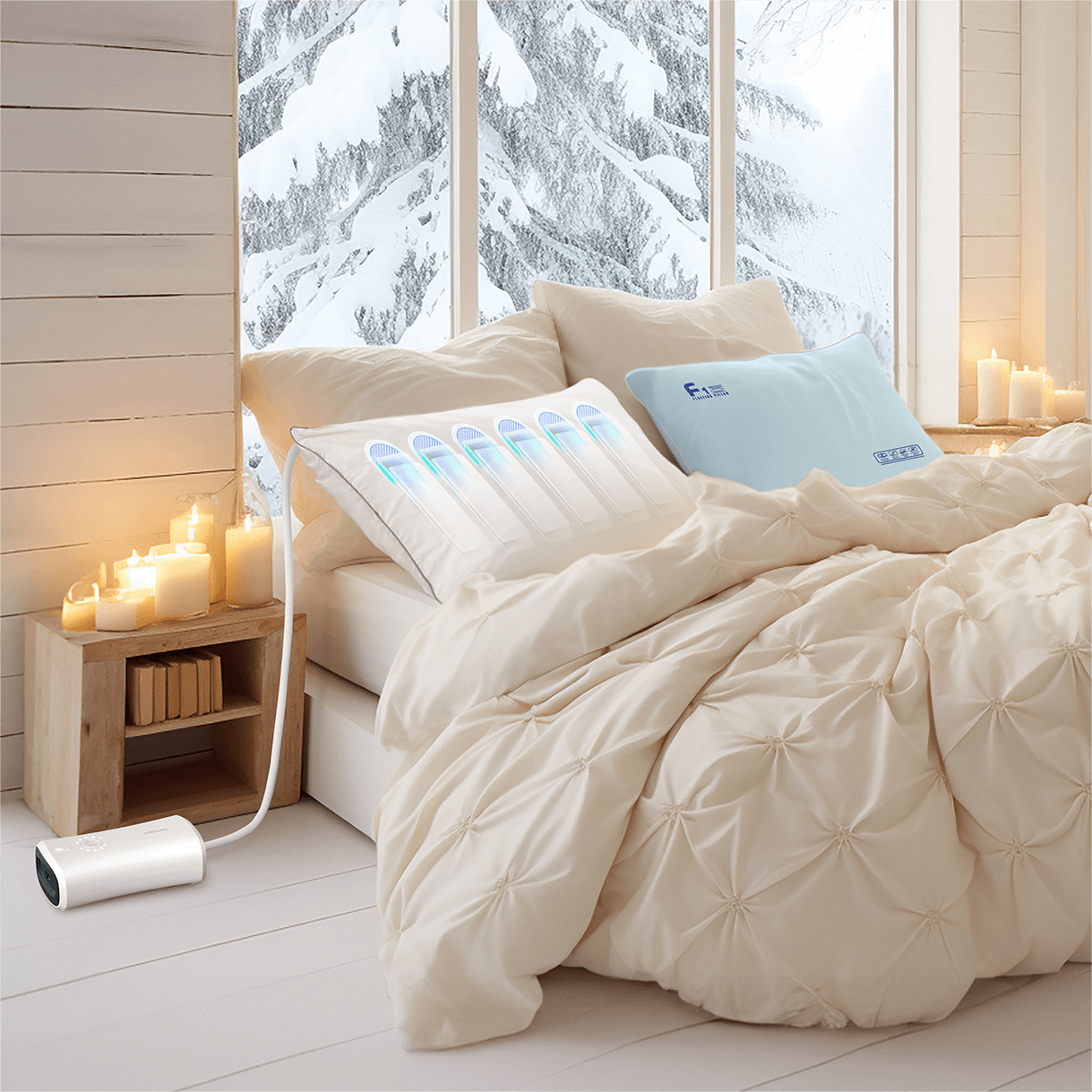
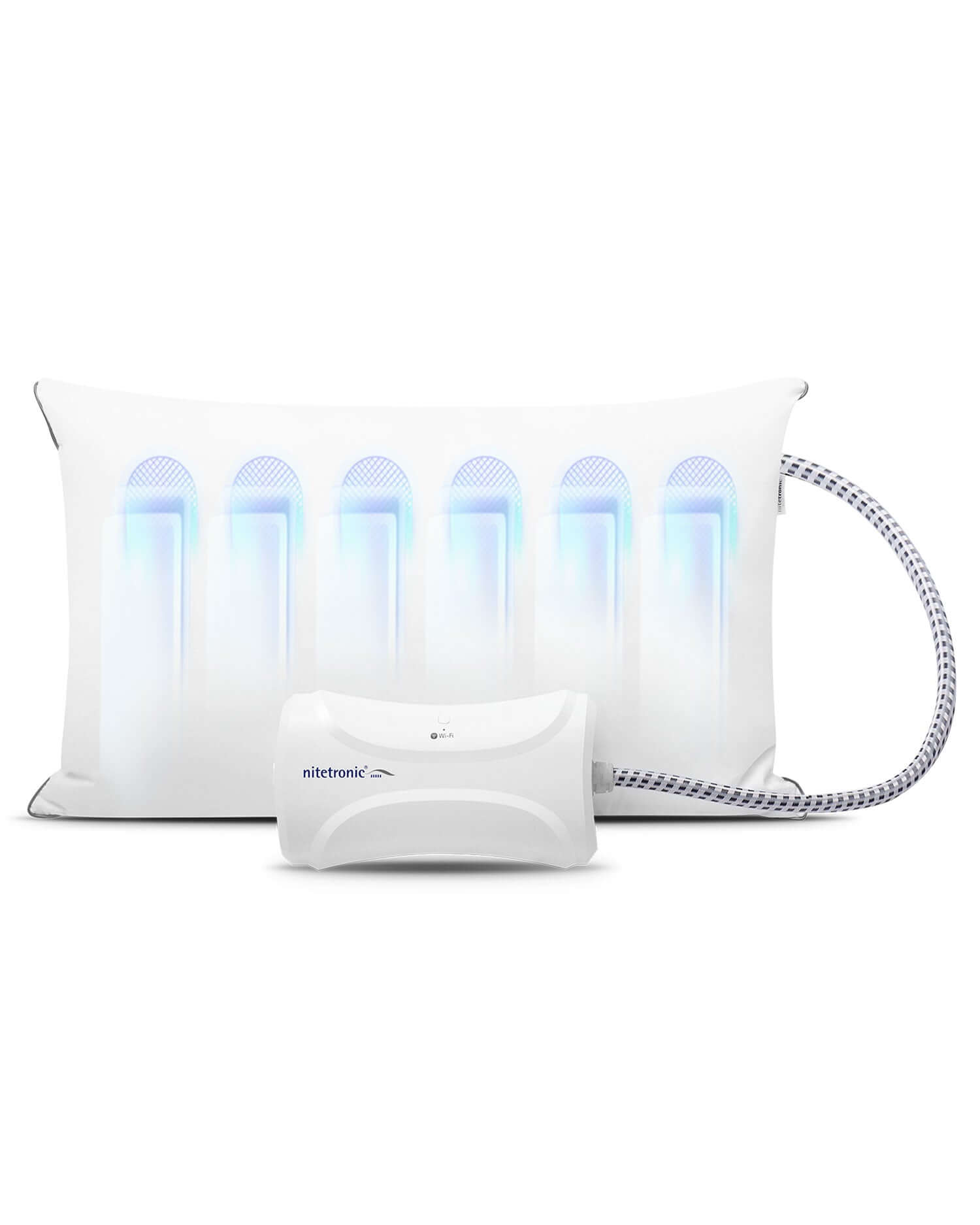
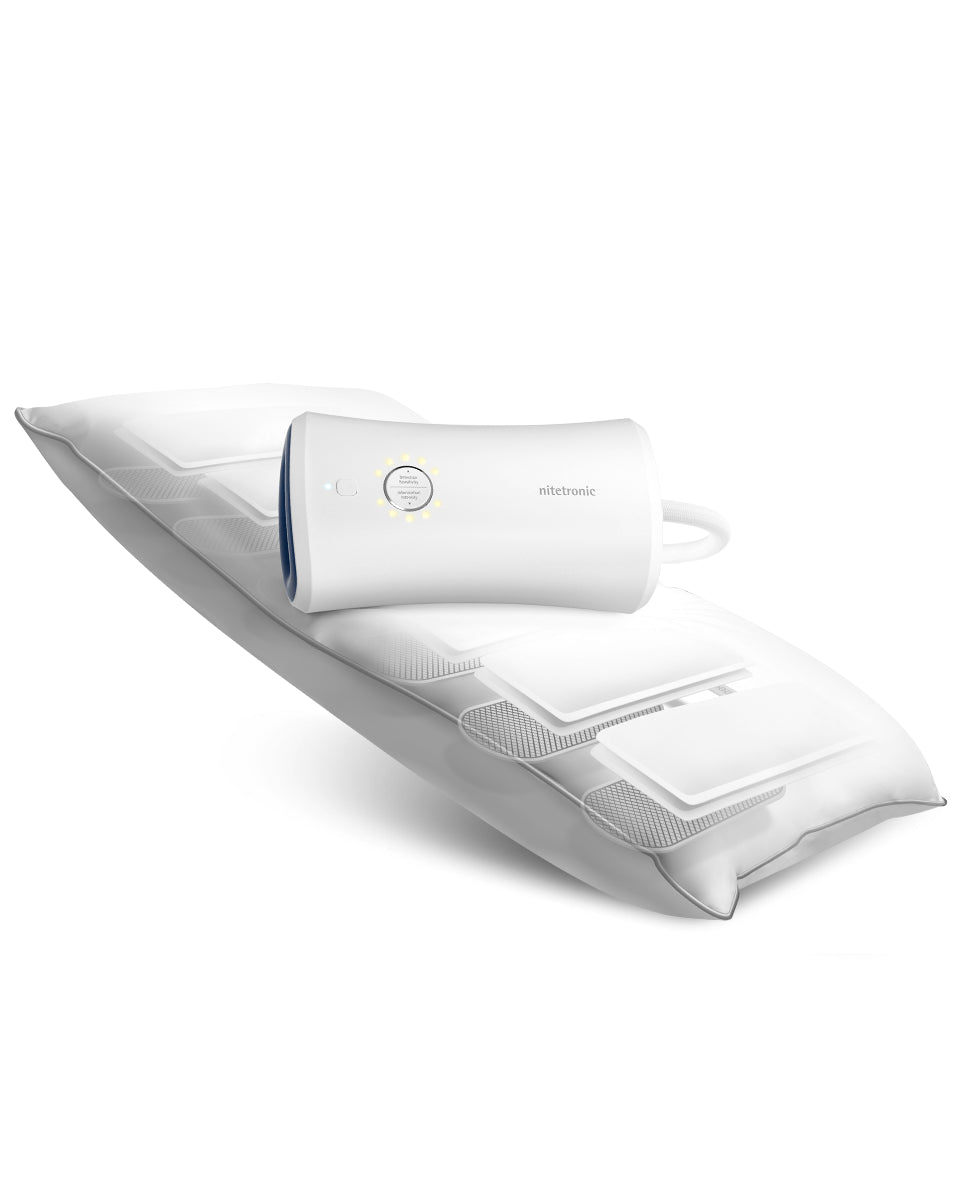
Some smart pillows add sound detection and gentle positional adjustment. The Nitetronic Z1 Smart Anti-Snore Pillow is designed to detect snoring sounds and adjust head position. It should be considered a sleep-support product, not a treatment for obstructive sleep apnea.
For a broader comparison of pillow height, firmness, and adjustability, read our anti-snore pillow buying guide. You can also review how Nitetronic smart pillow technology works.
When Tiredness Is a Warning Sign
Sometimes the direction of the relationship is reversed: snoring and repeated sleep disruption may be making you tired during the day.
Seek medical advice if loud or persistent snoring occurs with:
- witnessed breathing pauses;
- choking or gasping during sleep;
- marked daytime sleepiness;
- morning headaches;
- difficulty concentrating;
- high blood pressure; or
- snoring that significantly affects you or your partner.
These symptoms can be associated with obstructive sleep apnea. A pillow should not replace CPAP, an oral appliance, or another treatment prescribed by a qualified clinician.
FAQ
Does being overtired make everyone snore?
No. Sleep deprivation may contribute to further throat relaxation, but snoring has many possible influences, including anatomy, alcohol, congestion, weight, and sleep position.
Can sleeping longer stop snoring?
Getting enough sleep may reduce one possible trigger, but it does not address every cause. Persistent or disruptive snoring deserves a broader assessment.
Is side sleeping always better for snoring?
Side sleeping may help when snoring is position-related, but results vary. Comfort and sustainable alignment matter, and some people snore in more than one position.
Can a pillow replace sleep apnea treatment?
No. A pillow cannot diagnose or treat obstructive sleep apnea and should not replace prescribed therapy.
Final Takeaway
Busy return-to-work and back-to-school weeks can bring shorter sleep, more back sleeping, congestion, and evening habits that may make snoring more noticeable. Start with consistent sleep, track the main variables, and use a supportive pillow as one part of a realistic routine. If tiredness and loud snoring persist together, treat that pattern as a reason to seek medical guidance—not simply as a reason to buy a different pillow.

Leave a comment
This site is protected by hCaptcha and the hCaptcha Privacy Policy and Terms of Service apply.