




Searching for the best anti-snore pillow often begins with two tired people, not one. One partner is snoring; the other is listening, nudging, moving to another room or waking up already frustrated. That makes the buying decision different from choosing an ordinary pillow. Comfort still matters, but so do noise, nighttime disruption, setup and whether both people can live with the solution consistently.
No pillow can guarantee silent nights or treat every cause of snoring. However, a well-matched design may help when head position, sleep position or pillow support contributes to the problem. These nine questions can help couples compare options without relying on oversized promises.
1. Is the snoring linked to sleep position?
Start with observation. Does the snoring become louder when the sleeper lies on their back? Does it ease after the head or body turns to the side? If the answer is yes, a positioning or responsive pillow may be worth testing.
If snoring sounds the same in every position, or if it occurs with gasping, choking, witnessed breathing pauses, morning headaches or pronounced daytime sleepiness, a pillow should not be the only response. Those signs deserve a conversation with a healthcare professional because a consumer sleep product cannot diagnose or treat obstructive sleep apnea.
2. Does the pillow fit the snorer's body and mattress?
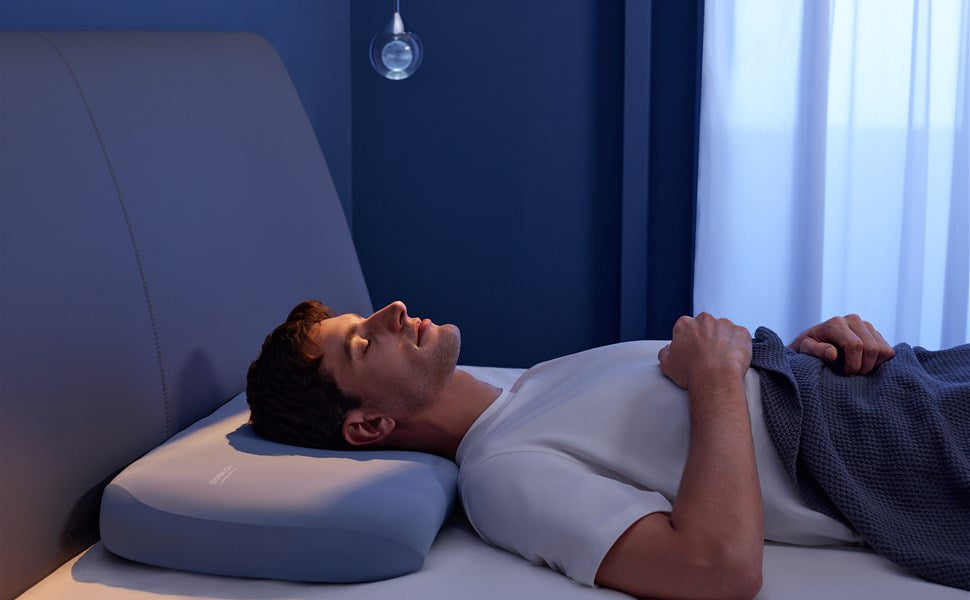
The words “anti-snore” do not tell you whether a pillow will fit. Pillow height changes how the head and neck rest. A pillow that is too high may push the chin toward the chest, while one that is too low may leave the neck feeling unsupported.
Consider shoulder width, preferred sleep position and mattress firmness. A side sleeper on a firm mattress often needs more height than a back sleeper on a softer surface. Adjustable height is useful when the correct loft is uncertain, because it lets the sleeper test a neutral, comfortable position rather than accept a fixed shape.
3. Does it react during the night or only provide a fixed shape?
Static pillows use contour, firmness or elevation. They can support a chosen position, but they do not know when snoring begins. Their result depends on the sleeper staying in a useful area and position.
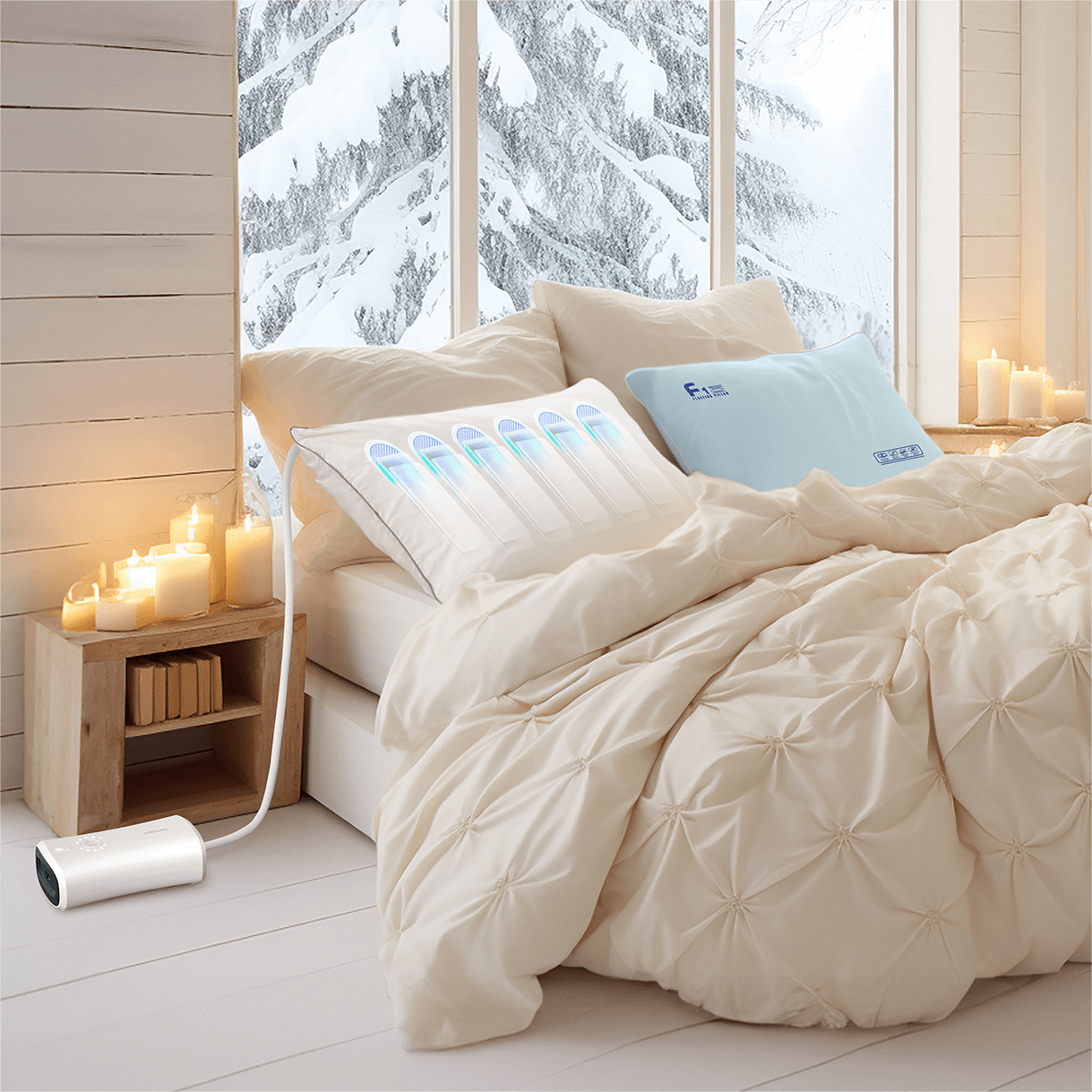
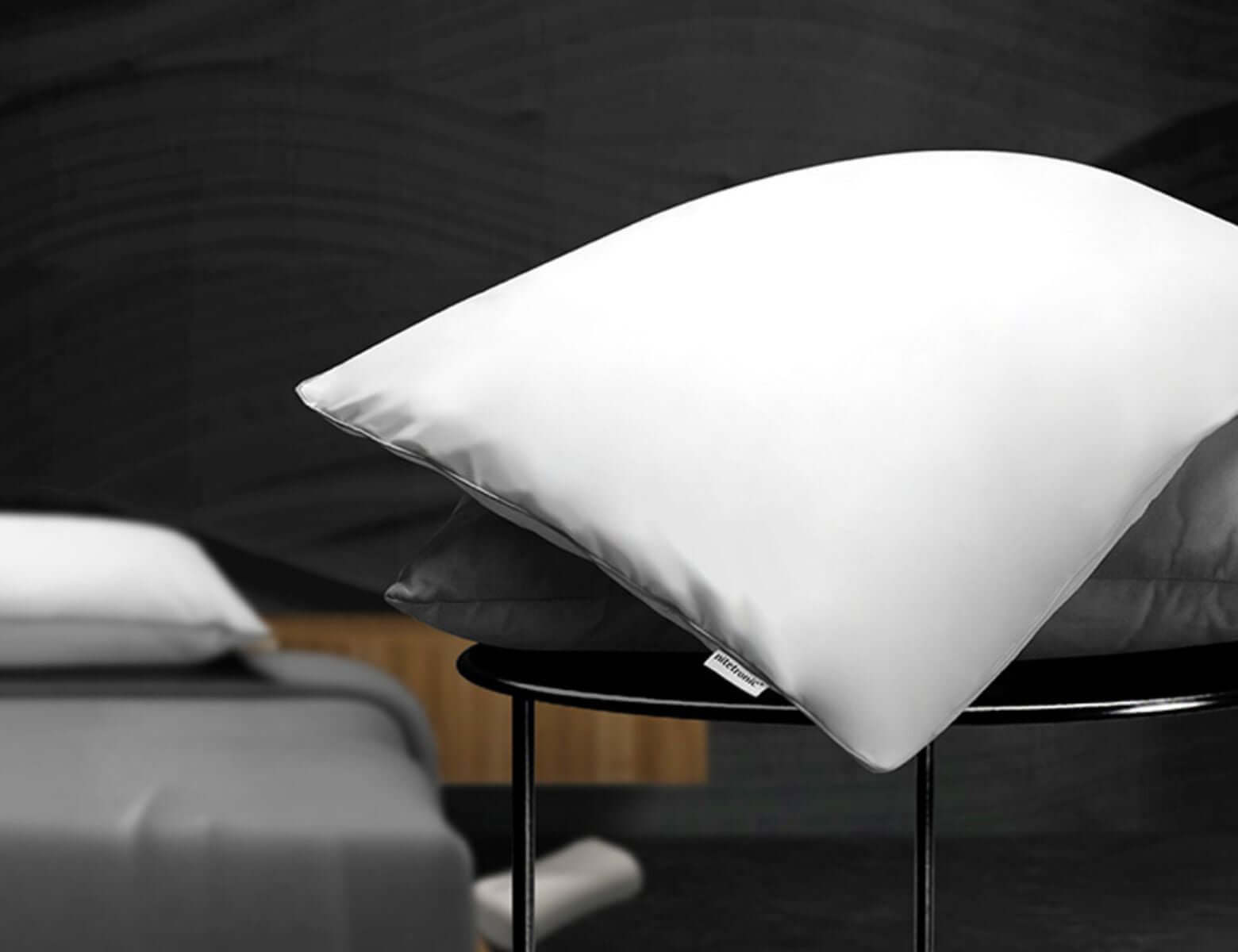
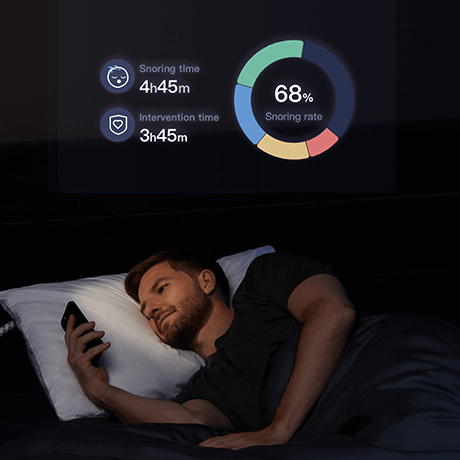
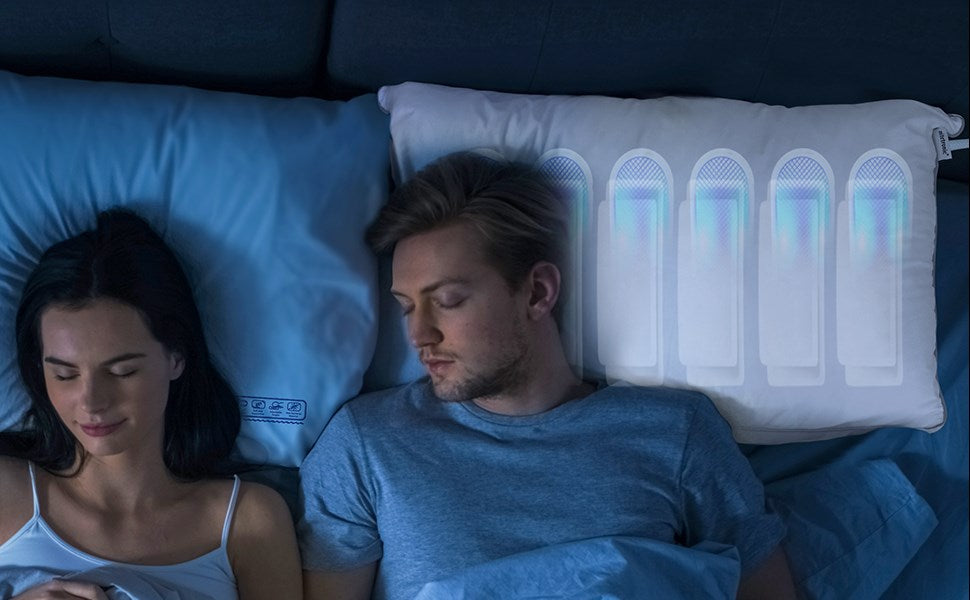
Responsive smart pillows add sensing and active adjustment. The Nitetronic A1 AI Anti-Snore Pillow is designed to detect snoring and use integrated air chambers to encourage a gentle head-position change. The Nitetronic Z6 Smart Anti-Snore Pillow also combines sound and position sensing with adjustable air chambers.
The right approach depends on the couple. Some people prefer the simplicity of a fixed contour. Others want a device that responds after they have fallen asleep instead of depending on conscious position control.
4. Will the mechanism wake either partner?
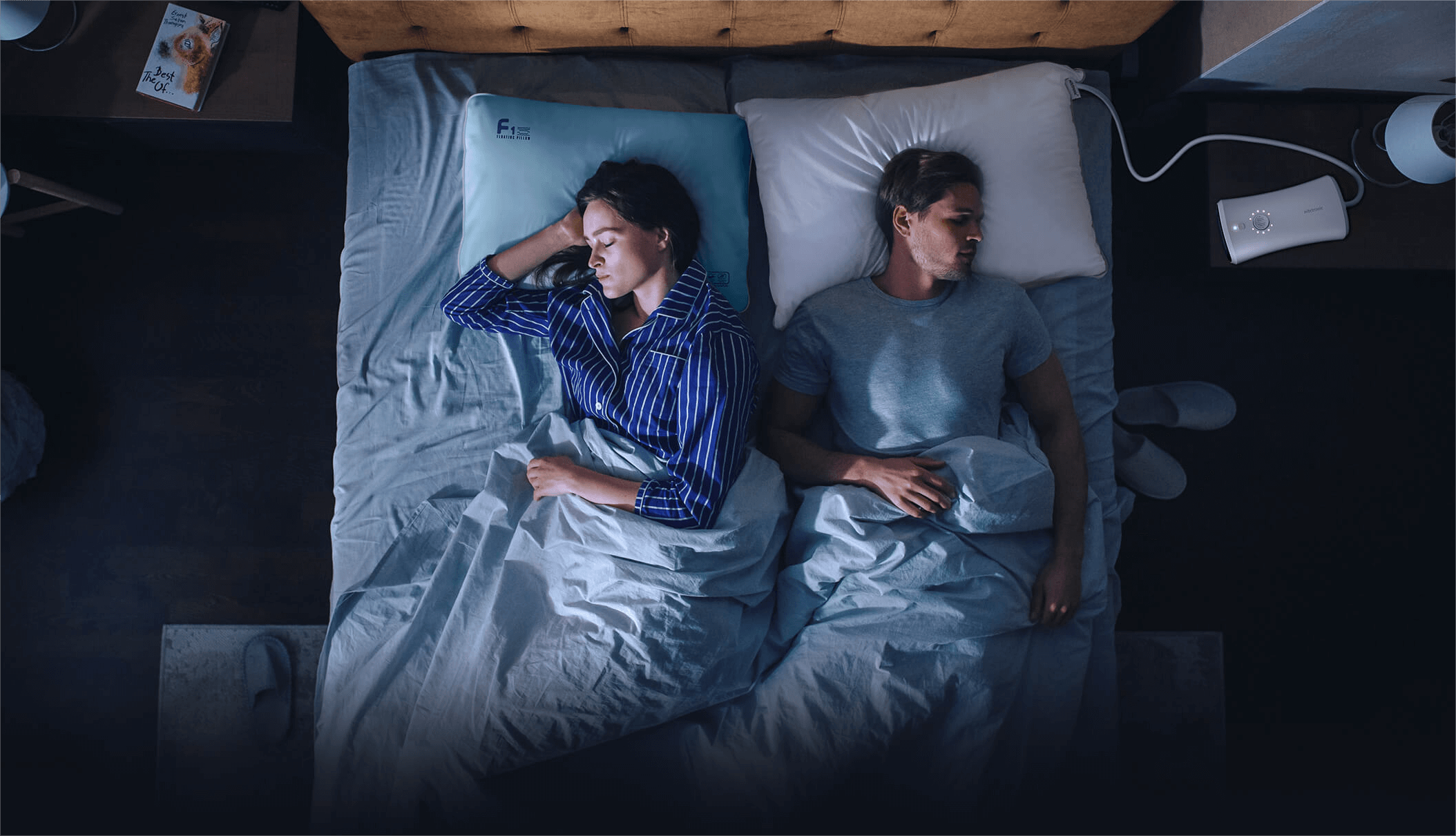
A snoring solution that creates a new sleep disturbance is unlikely to last. Couples should check pump or motor noise, the speed and intensity of movement, indicator lights and phone notifications.
During the first week, the sleeper should notice whether an intervention causes a full awakening. The partner should separately note whether they hear the device or only notice a change in the snoring pattern. These observations are more useful than asking whether the device is simply “quiet.” Bedroom acoustics and individual sensitivity vary.
5. Can the settings be adjusted gradually?
More force is not automatically better. If a responsive pillow offers sensitivity or intervention controls, begin conservatively. The goal is a subtle position change that does not create tension or repeated awakenings.
Change one setting at a time and keep it for several nights when practical. If height, sensitivity and intervention intensity all change at once, neither partner will know which adjustment helped or caused discomfort.
6. How will you measure progress fairly?
One quiet night is encouraging, but it is not enough to prove a repeatable result. Snoring varies with congestion, alcohol, sleep loss, bedtime, room noise and many other factors.
Agree on a simple two-week test before the pillow arrives:
- Record three to five baseline nights with the current pillow.
- Track approximate snoring time or intensity using the same method each night.
- Note sleep position, alcohol, congestion and unusual bedtime changes.
- Let both partners rate disturbance and comfort separately each morning.
- Compare weekly patterns rather than the best or worst night.
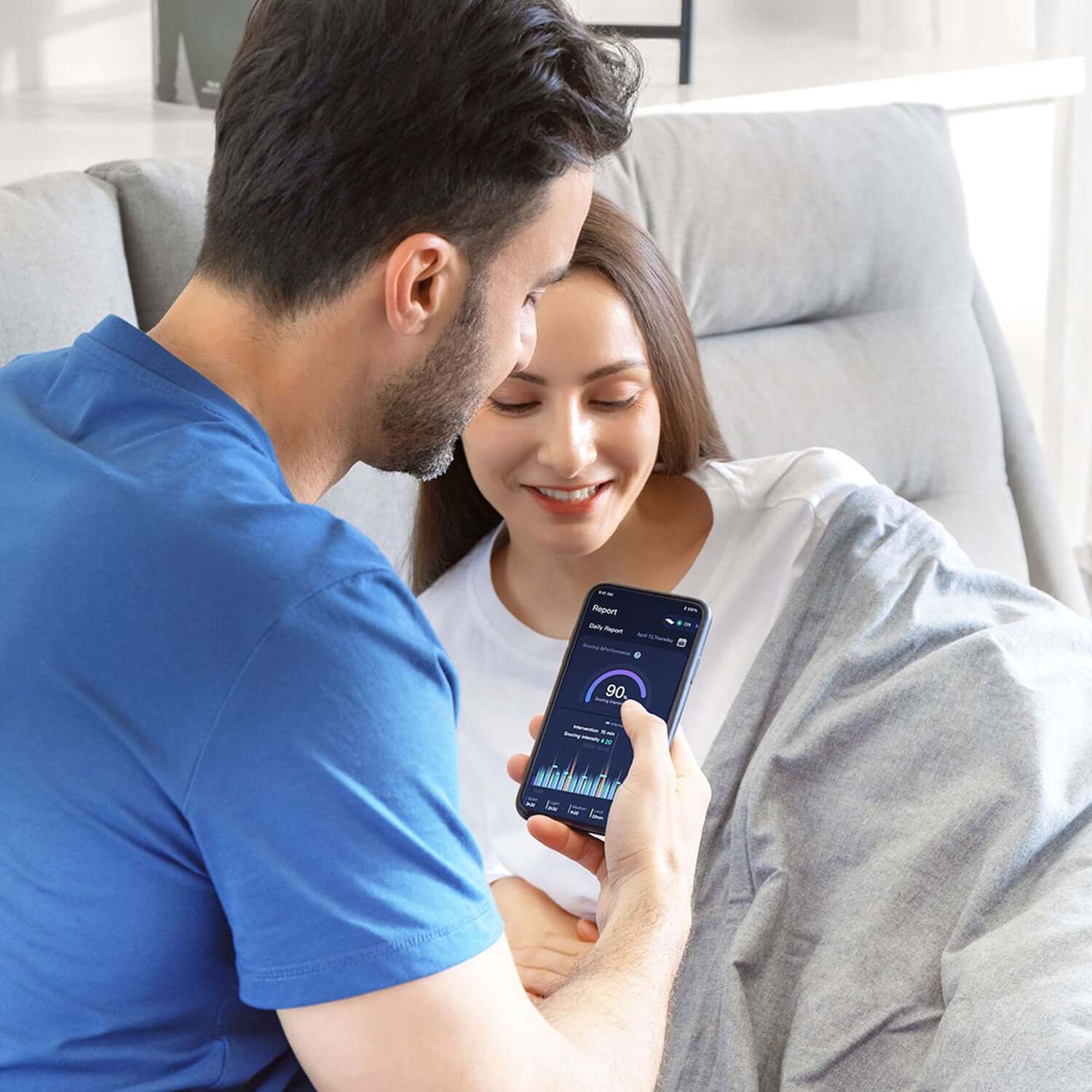
Our 14-night pillow testing guide provides a structured way to compare similar nights. Consumer apps and recordings can show trends, but they are not diagnostic tests.
7. Is it comfortable enough to use every night?
The best anti-snore pillow is not the one with the longest feature list. It is the one the sleeper can use consistently. Check pressure around the ears and jaw, neck comfort, temperature, pillowcase fit and whether the sleeper can move naturally.
The partner's experience matters too. If setup takes too long, phone alerts are distracting or the product is abandoned after three nights, the theoretical mechanism has little practical value.
Comfort should be evaluated over several nights. A short adjustment period is normal, but persistent pain, numbness or worsening symptoms is a reason to stop and reassess the setup.
8. Are the product claims realistic?
Be cautious with claims such as “works for everyone,” “cures sleep apnea” or “guarantees no snoring.” Snoring has multiple possible causes, and a pillow cannot address all of them.
Responsible product information should explain the mechanism, suitable users, limitations, setup and return policy. It should distinguish consumer sleep information from medical diagnosis. Even when a pillow makes a night quieter, that does not prove an underlying breathing condition has been resolved.
9. Is there enough time to test it at home?
A showroom test cannot reproduce an entire night. Review the trial period, return conditions, warranty and care instructions before purchasing. Keep the packaging until both partners have completed the agreed test.
The trial should be long enough to evaluate comfort and variability, not just the first impression. Use the same pillowcase and a stable setup so each night's result is comparable.
A couple's practical decision checklist
Before choosing, write down the answers to these questions:
- Which position produces the loudest snoring?
- What pillow height currently feels comfortable?
- Does the sleeper want static support or responsive adjustment?
- How sensitive is each partner to motor noise, light or notifications?
- Which settings can be changed gradually?
- How will both people record results?
- What symptoms would trigger medical advice?
- What does the trial and return policy require?
- Can the product fit the couple's normal bedtime routine?
If you are uncertain which type matches your sleep habits, use the Nitetronic Snoring Quiz as a starting point, then confirm the current product instructions and suitability information.
The bottom line
For couples, the best anti-snore pillow must do more than support one person's head. It needs to fit the sleeper, avoid disturbing the partner, allow a fair home trial and make realistic claims.
A static design may be enough when comfortable positioning is the main need. A responsive smart pillow may be more relevant when the sleeper repeatedly returns to a snoring position after falling asleep. In either case, test patterns across multiple nights and treat consumer sleep data as supportive information—not medical diagnosis.
Frequently asked questions
What is the best anti-snore pillow for couples?
There is no universal best option. Look for comfortable height, a mechanism suited to the sleeper's position pattern, low nighttime disturbance, adjustable settings and a practical home trial.
Can an anti-snore pillow help both partners sleep better?
It may help when it reduces position-related snoring without introducing noise or discomfort. Results vary, so both partners should track sleep disturbance over several comparable nights.
Is a smart anti-snore pillow better than a contoured pillow?
Not automatically. A contoured pillow provides fixed support, while a smart pillow can respond when snoring is detected. The better choice depends on fit, comfort, sleep habits and preference.
How long should a couple test a new pillow?
One to two weeks is a practical starting point. Record baseline nights first, keep major variables stable and change only one setting at a time.
Can a pillow replace CPAP or medical care?
No. A consumer pillow should not replace CPAP, an oral appliance or another prescribed treatment. Seek professional advice for loud persistent snoring, breathing pauses, gasping or significant daytime symptoms.

Leave a comment
This site is protected by hCaptcha and the hCaptcha Privacy Policy and Terms of Service apply.