




If you are looking for a pillow to reduce snoring, you may assume that the only answer is to become a strict side sleeper. Side sleeping can be helpful for some people, but it is not comfortable or sustainable for everyone. Shoulder pressure, habitual back sleeping, nighttime movement and personal comfort can all make a rigid position rule difficult to follow.
The more useful question is not whether a pillow can lock you into one position. It is whether the pillow can support a more comfortable head and neck position, respond when snoring occurs and help you make small adjustments without fully waking you.
This guide explains how pillow position may affect snoring, what different pillow designs can and cannot do, and how to evaluate a snore-reducing pillow realistically.
Why head position matters during sleep
Snoring usually happens when airflow becomes restricted and nearby soft tissue vibrates. Sleep position can influence that airflow. When some people lie flat on their back, gravity may allow the tongue and surrounding tissue to move in a way that narrows the airway. Turning the head slightly or changing the support beneath it may reduce that restriction for certain sleepers.
That does not mean everyone must remain fully on one side all night. The torso and head do not always move as a single unit. A person may stay mostly on their back while their head is gently repositioned. The practical goal is a comfortable adjustment rather than a forced posture.
Snoring also has many possible contributors, including nasal congestion, alcohol, sleep deprivation, body weight and anatomy. A pillow cannot address every cause. Loud, persistent snoring accompanied by gasping, choking or pronounced daytime sleepiness should be discussed with a healthcare professional because those signs can be associated with sleep apnea.
Static support versus responsive adjustment
Most conventional pillows provide static support. Their height, contour and firmness remain essentially the same throughout the night. A well-matched pillow can help keep the neck in a comfortable position, but it does not know when snoring starts or when the sleeper moves.
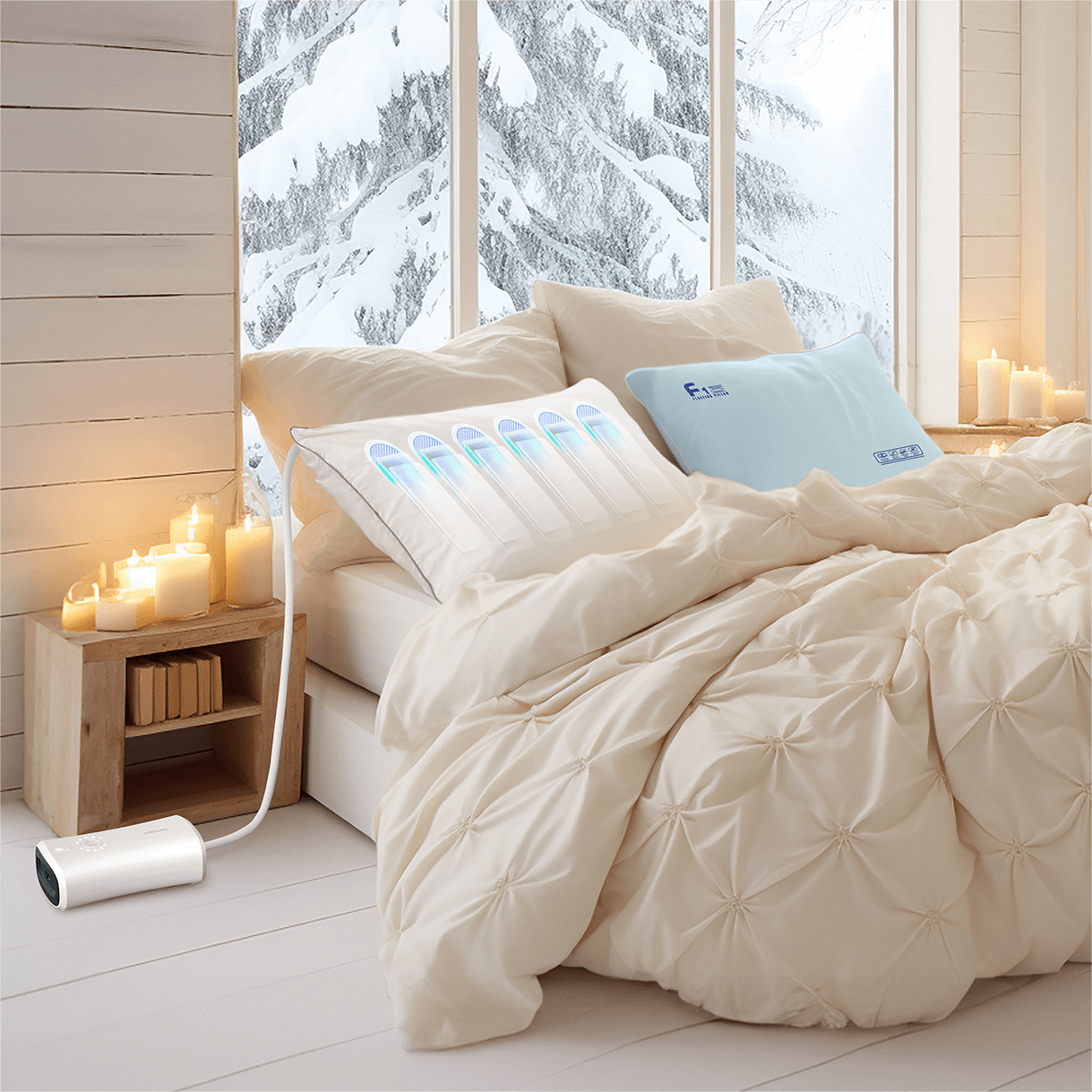
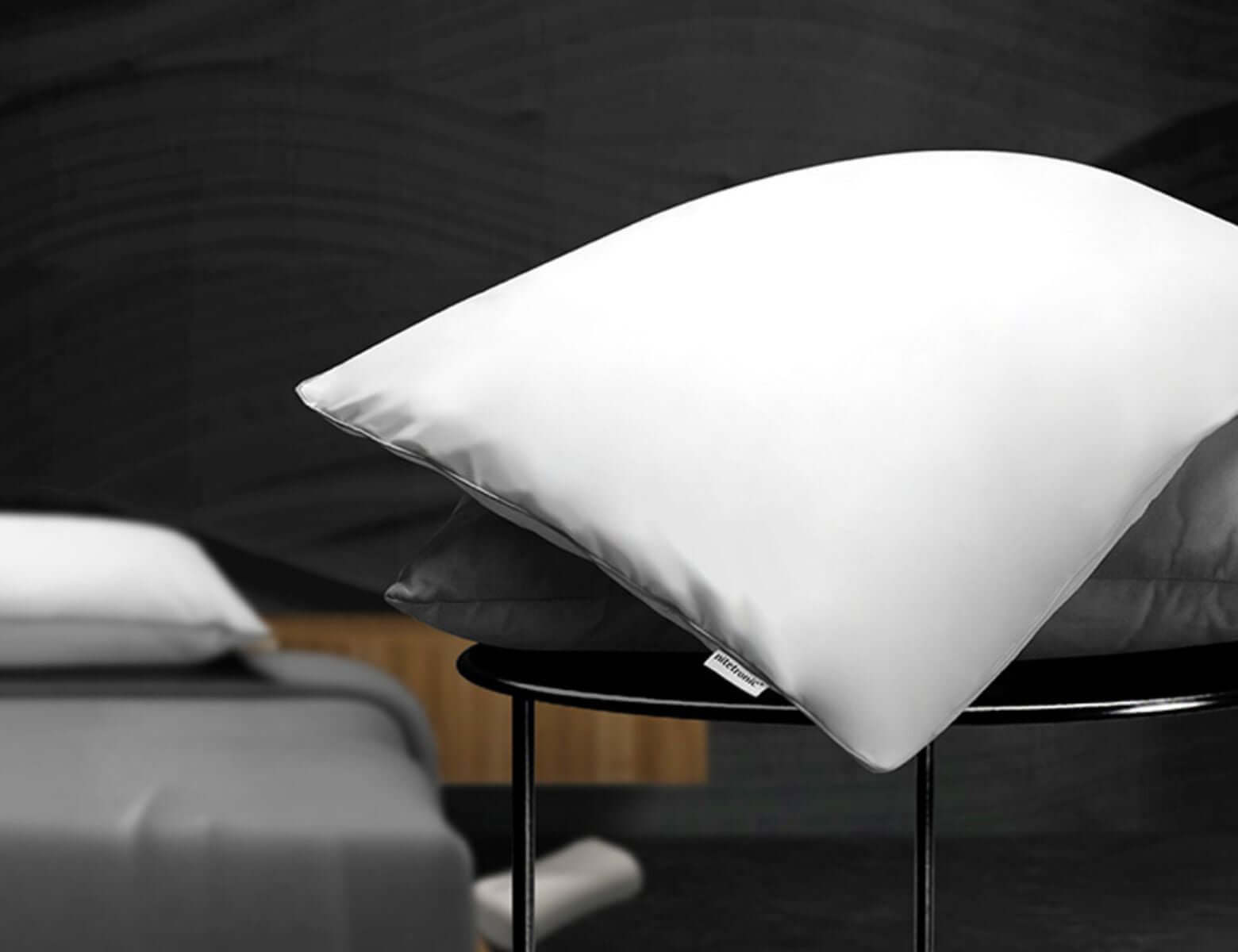
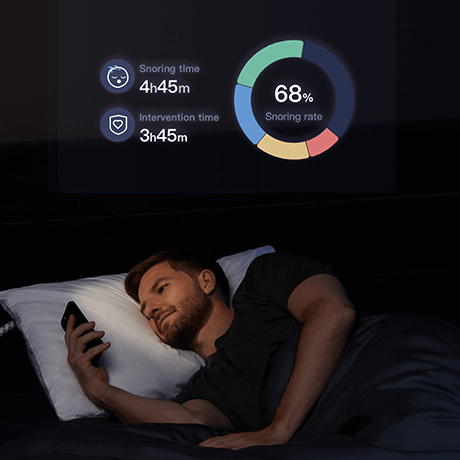
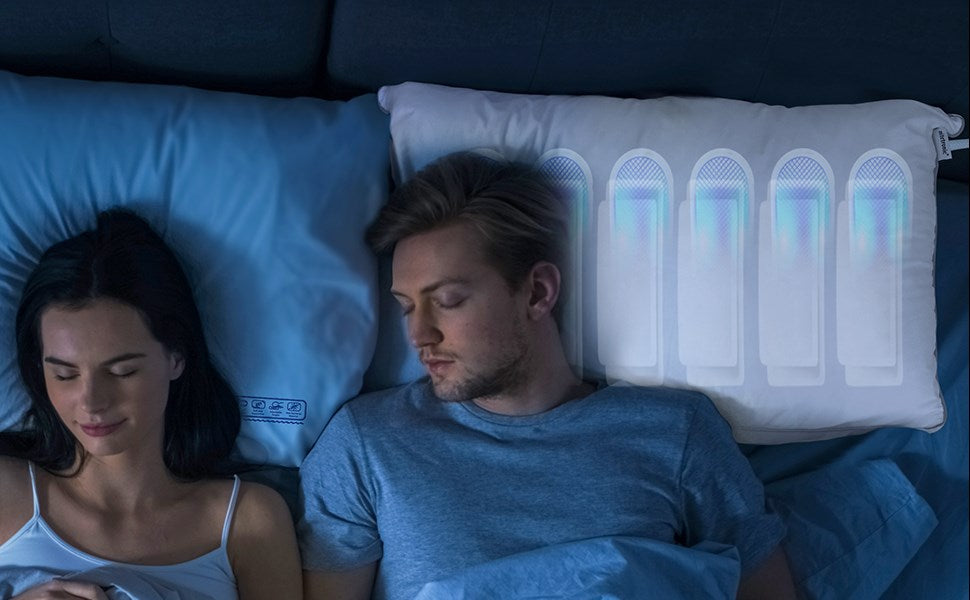
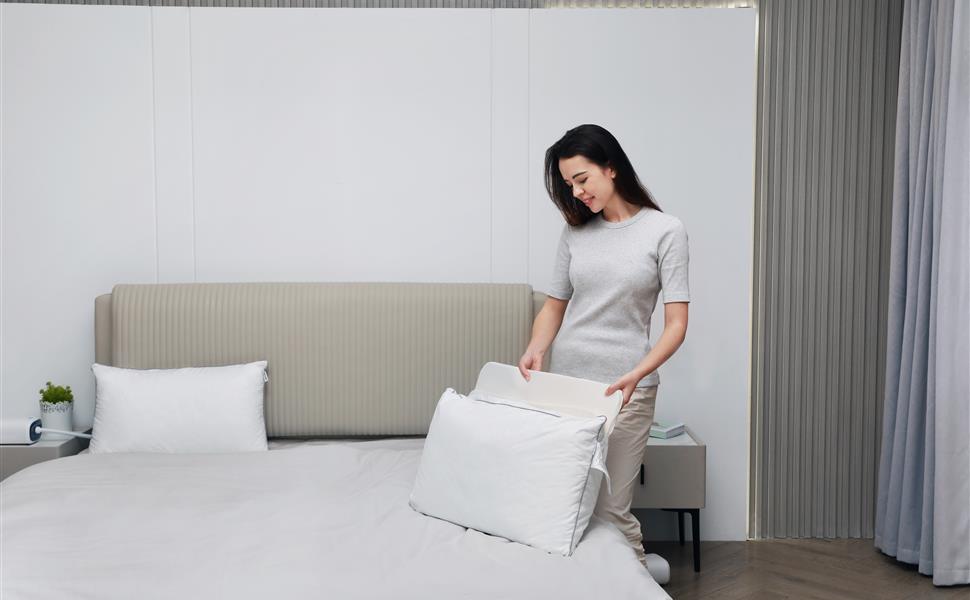
A responsive smart pillow takes a different approach. The Nitetronic Z6 Smart Anti-Snore Pillow uses sensors to monitor snoring sounds and position, then activates air chambers to encourage a subtle change in head position. The aim is to intervene without requiring the sleeper to consciously roll onto one side.
This distinction matters when comparing products:
- A contoured pillow depends on its fixed shape and the sleeper maintaining a useful position.
- A wedge pillow raises the upper body but may feel unfamiliar or create pressure for some sleepers.
- A side-sleeping pillow supports a lateral posture but cannot prevent normal nighttime movement.
- A responsive pillow can react during the night, although setup, fit and individual response still matter.
No design guarantees the same result for every person. Comfort and consistent use are essential parts of any realistic trial.
Can you remain a back sleeper?
Potentially, yes. A responsive pillow may help a habitual back sleeper by making a smaller head-position adjustment instead of demanding a complete change in sleeping style. This can be useful for someone who naturally returns to their back after falling asleep.
However, back sleeping is not identical for everyone. Pillow height, neck shape, shoulder width, mattress firmness and the position of the head on the pillow all influence comfort. If the pillow is too high, the chin may be pushed toward the chest. If it is too low, the neck may feel unsupported. Either problem can make it harder to sleep consistently enough to judge the product.
The Z6 allows height adjustment from approximately 9 to 13 cm. Start with a neutral, relaxed neck position rather than choosing the highest setting. The correct height is the one that feels natural and keeps the head centered on the active area.
What to expect during the first week
A snore-reducing pillow is not best evaluated from one night. Snoring naturally varies, and a new pillow may require a short adaptation period. Use a simple seven-night process:
- Set a comfortable pillow height and keep it unchanged for the first two nights.
- Place your head near the center of the pillow so the sensing and adjustment areas can work as intended.
- Keep major variables, such as alcohol intake and bedtime, as consistent as practical.
- Note comfort, awakenings and your partner's observations each morning.
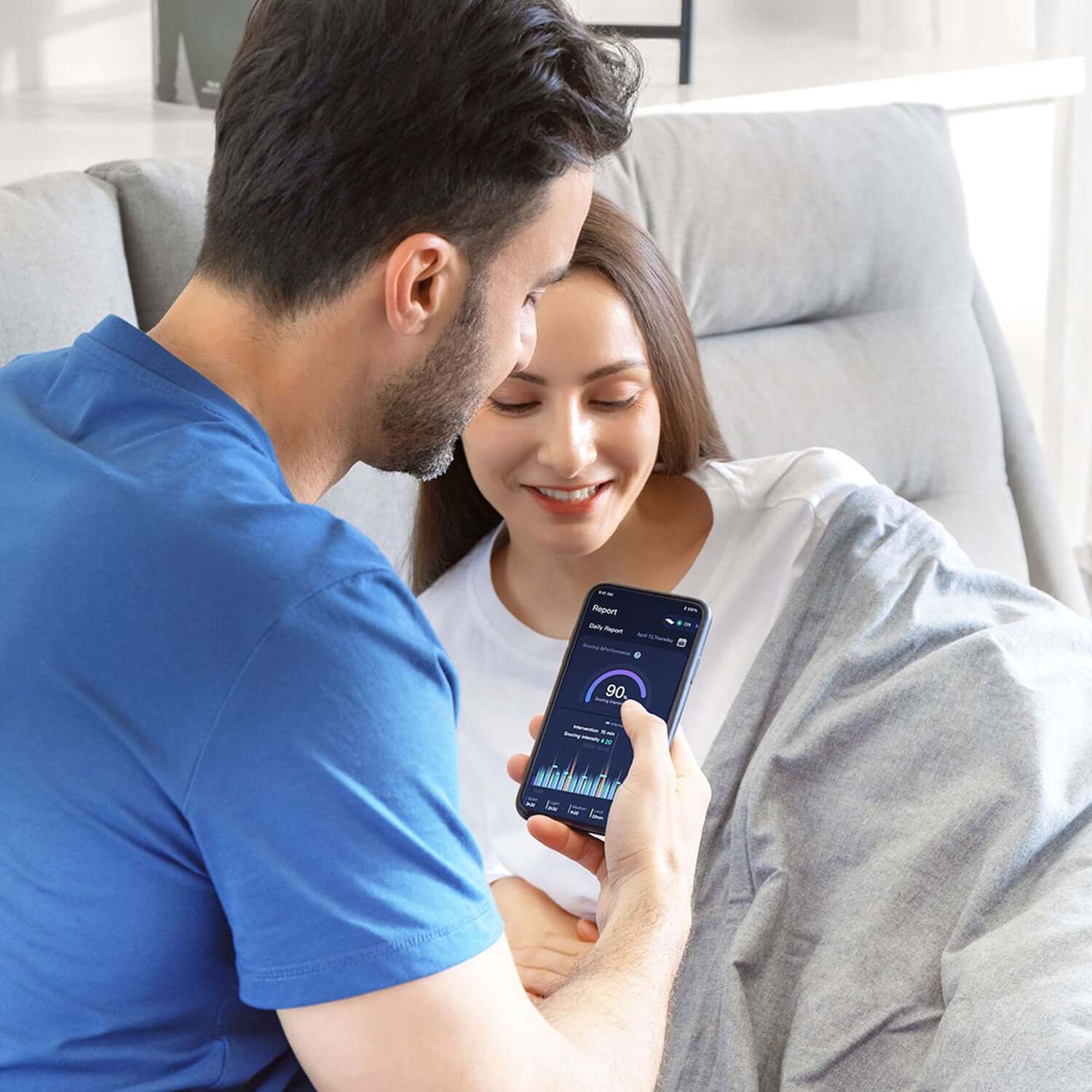
- Review several nights of app or recording trends instead of focusing on one score.
- Change only one setting at a time if the intervention feels too subtle or too noticeable.
- Continue long enough to separate normal nightly variation from a repeatable pattern.
For a more structured evaluation, follow our 14-night pillow test guide. It helps you compare similar nights and avoid drawing conclusions from an unusually good or bad result.
How to judge whether it is helping
Do not measure success only by whether snoring disappears completely. A more balanced assessment includes:
- whether recorded snoring time or intensity trends downward across comparable nights;
- whether interventions occur without repeatedly waking you;
- whether your neck and shoulders remain comfortable;
- whether a sleep partner notices fewer or shorter disruptive episodes;
- whether the setup is easy enough to use consistently.
Smart sleep data can help reveal patterns, but consumer sleep reports are not medical diagnoses. Our guide to what smart-pillow sleep data can and cannot tell you explains how to read trends responsibly.
Who may prefer a responsive pillow?
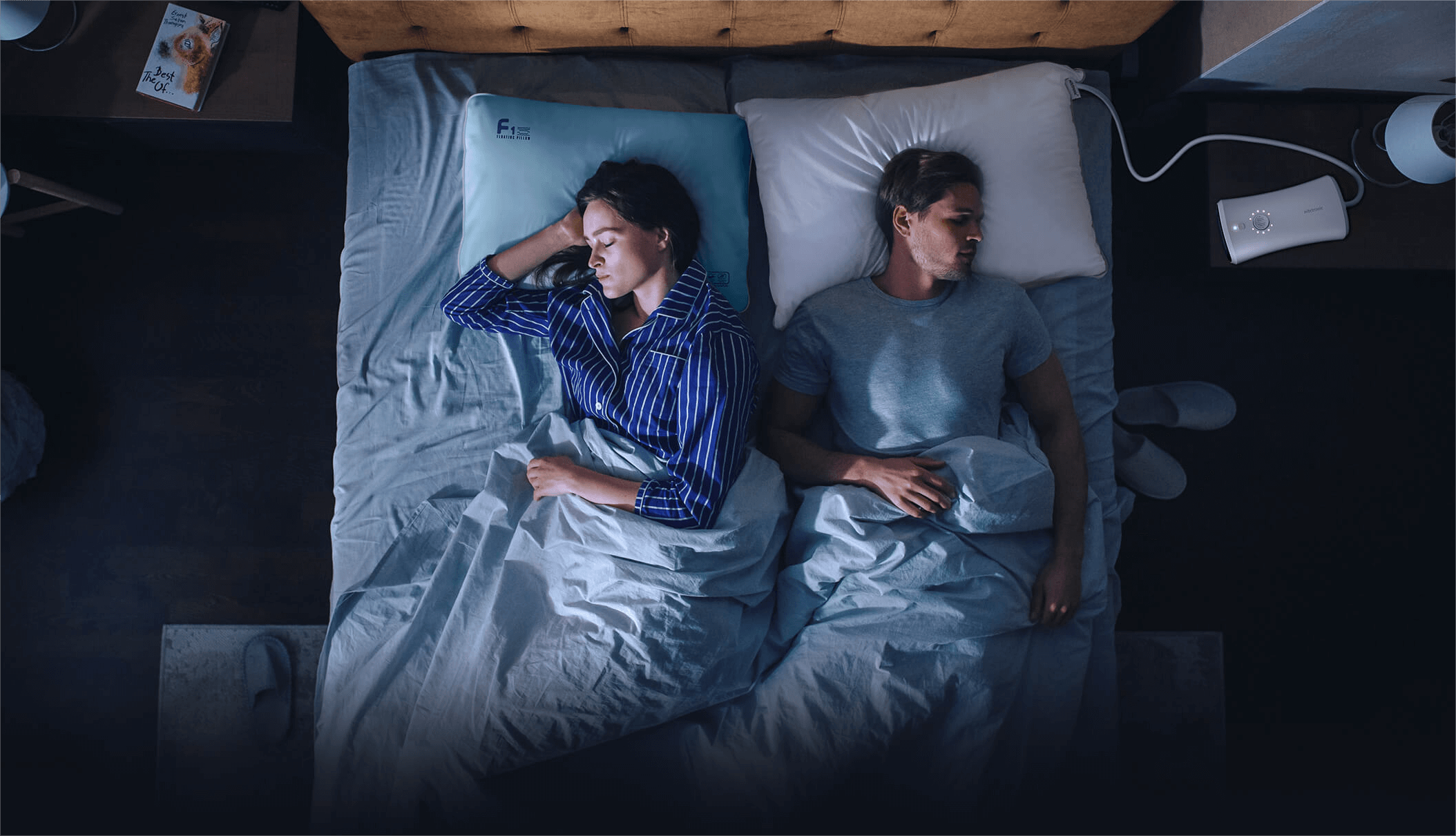
A responsive design may be worth considering if you dislike wearable or in-mouth devices, frequently return to your back, want adjustable pillow height, or would like sleep and intervention trends in an app. It may also suit couples who want a quieter approach that does not require one person to wake the other and ask them to move.
It is still important to check product suitability. The Z6 product guidance states that it is intended for adults and advises people with obstructive sleep apnea syndrome, pacemakers or intracranial electrodes to consult an appropriate professional or follow the listed restrictions. Always review the current product instructions before use.
The bottom line
A pillow may help reduce snoring without forcing you to remain fully on your side. The key is not a dramatic movement; it is comfortable support and, in a responsive design, a timely change in head position when snoring is detected.
Choose a pillow that fits your body and routine, test it over multiple nights and treat the results as personal sleep information rather than a diagnosis. If snoring includes breathing pauses, gasping or significant daytime symptoms, seek medical evaluation instead of relying on a pillow alone.
Frequently asked questions
Do I have to sleep on my side to reduce snoring?
Not necessarily. Side sleeping helps some people, but a slight change in head position may also help certain sleepers. Results depend on the cause of the snoring and the individual.
Can a smart pillow stop snoring completely?
No pillow can guarantee complete elimination of snoring for everyone. A smart pillow is a consumer sleep aid designed to detect snoring and encourage a position change; it is not a replacement for medical diagnosis or prescribed treatment.
How long should I test a snore-reducing pillow?
Use it consistently for at least one to two weeks when possible. Compare several similar nights and make one setup change at a time.
What pillow height is best for a back sleeper who snores?
There is no universal height. Aim for a neutral, comfortable neck position without pushing the chin sharply toward the chest. Mattress firmness and body proportions also affect the ideal setting.
When should snoring be medically evaluated?
Seek professional advice when snoring is loud and persistent or occurs with witnessed breathing pauses, choking, gasping, morning headaches or notable daytime sleepiness.

Leave a comment
This site is protected by hCaptcha and the hCaptcha Privacy Policy and Terms of Service apply.