
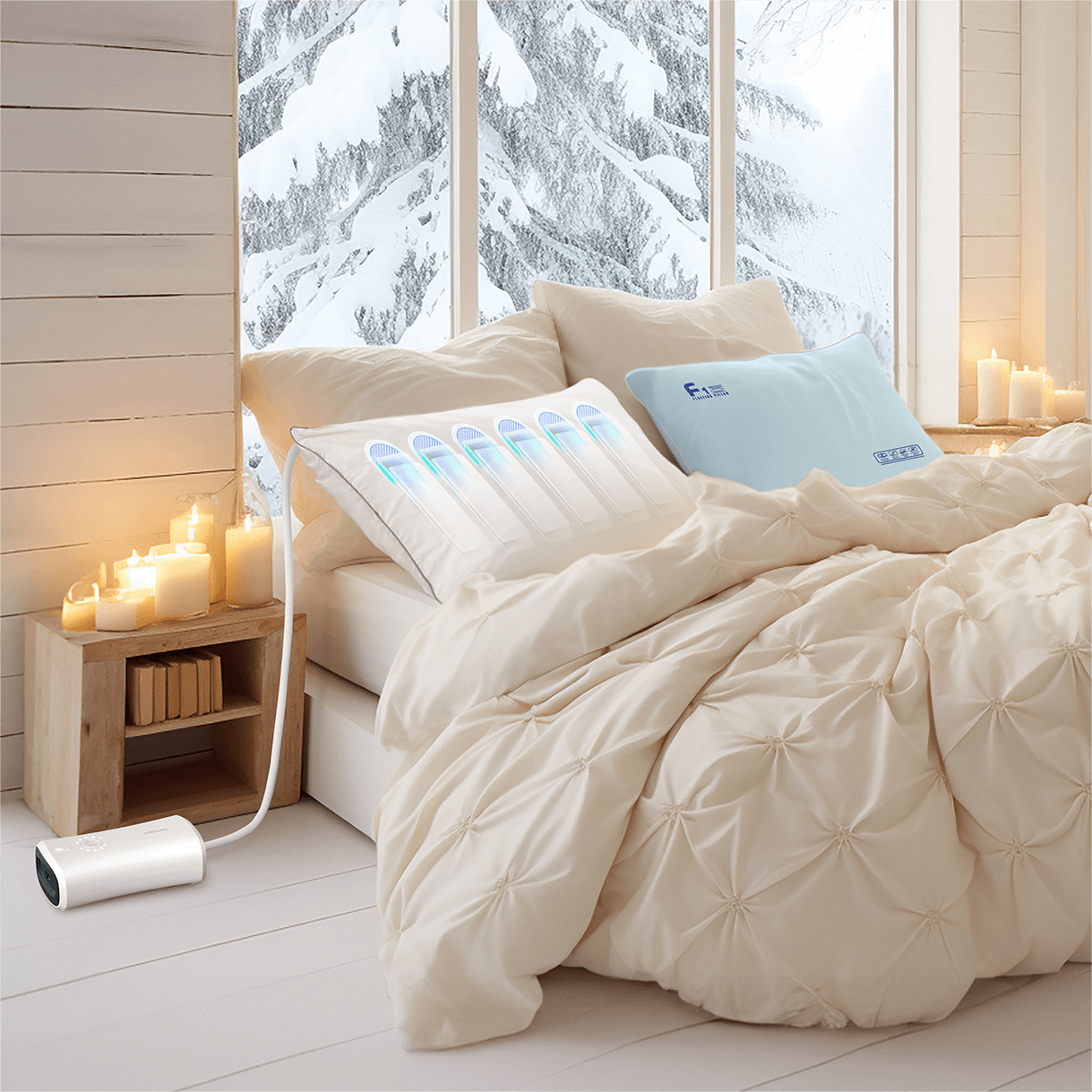

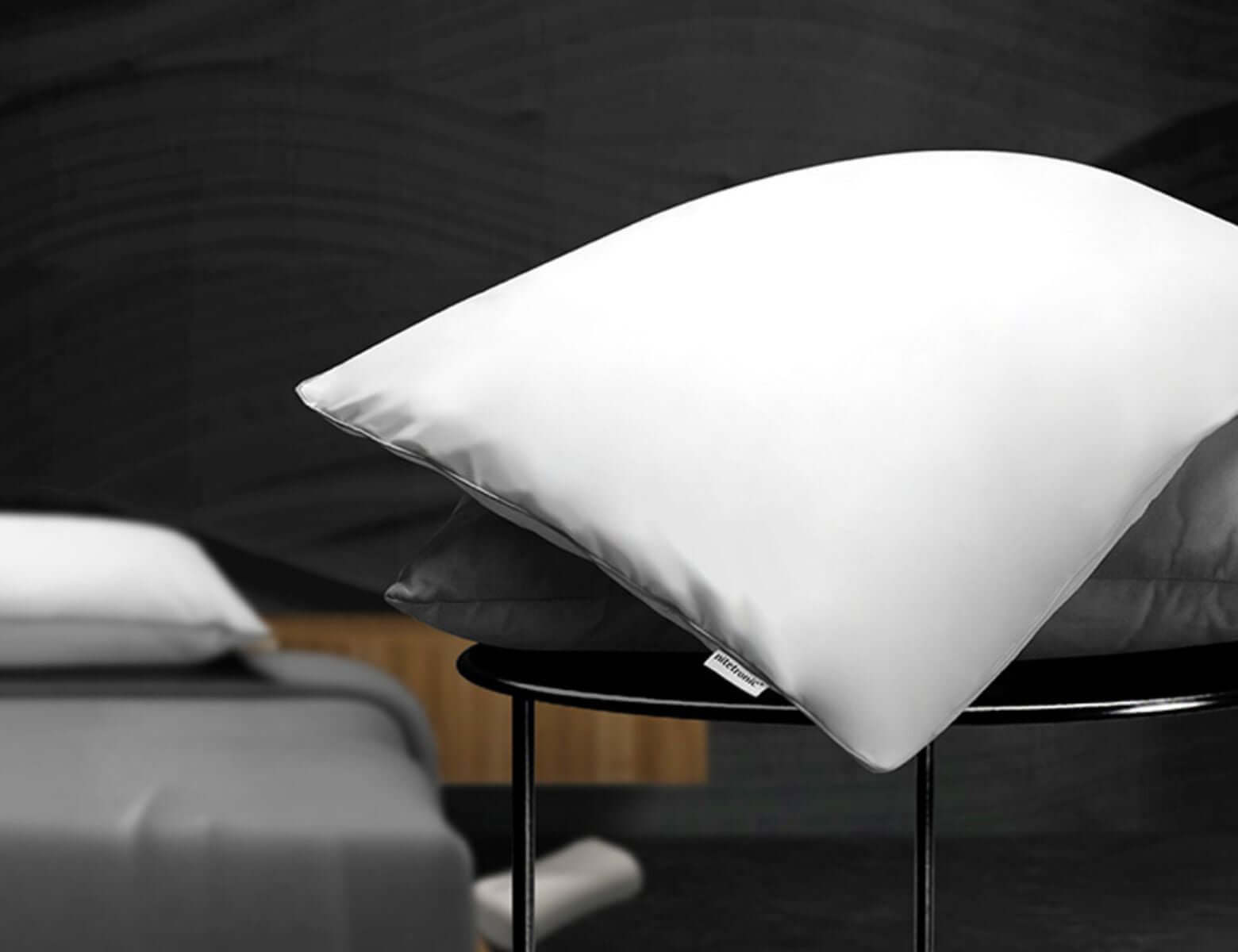


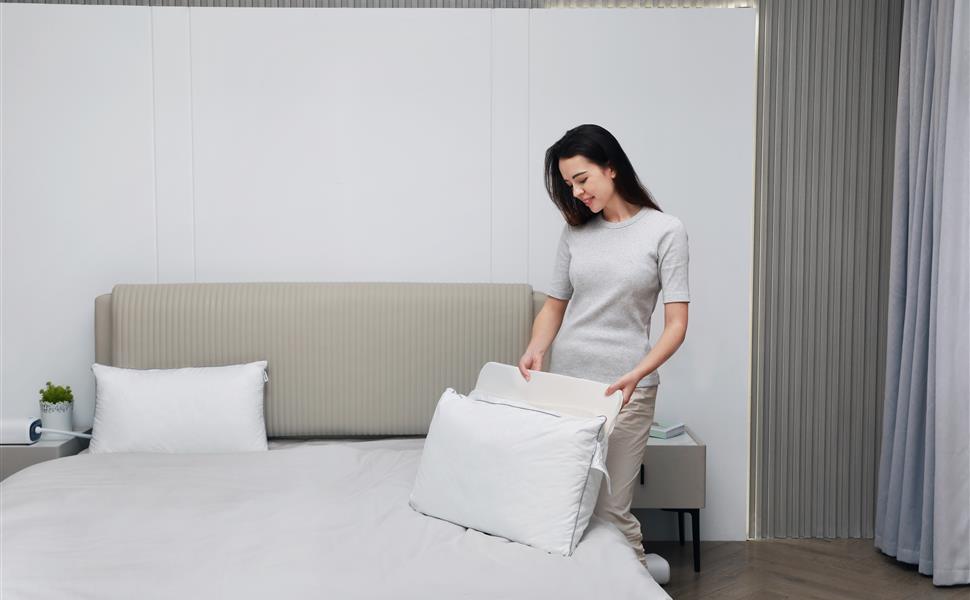
A pillow to help with snoring needs more than the right product name. Height, orientation, head placement, pillowcase tension and mattress firmness can all change how the pillow feels and whether its adjustable areas can work as intended.
If the pillow is uncomfortable or results vary widely, check the setup before assuming the product is unsuitable. The following signs point to common, correctable problems.
1. Your chin is pushed toward your chest
When a pillow is too high for a back sleeper, the head may tilt forward and the chin may move toward the chest. This can feel cramped and may create neck tension.
Remove any unapproved extra pillow underneath. If the model includes an approved height pad, follow its instructions and test one configuration for several nights before changing it again.
2. Your head tilts down while side sleeping
A side sleeper usually needs enough support to fill the space between the shoulder and head. If the pillow is too low, the head may slope toward the mattress. If it is too high, the head may tilt away from the mattress.
Shoulder width and mattress firmness affect the required height. A softer mattress allows the shoulder to sink farther, which can reduce the amount of pillow height needed.
Read our side-sleeper anti-snore pillow guide for a practical alignment check.
3. You wake near the edge of the pillow
Smart pillows use a defined sleeping area. If the head moves beyond that area, position sensing or adjustable zones may have less opportunity to respond.
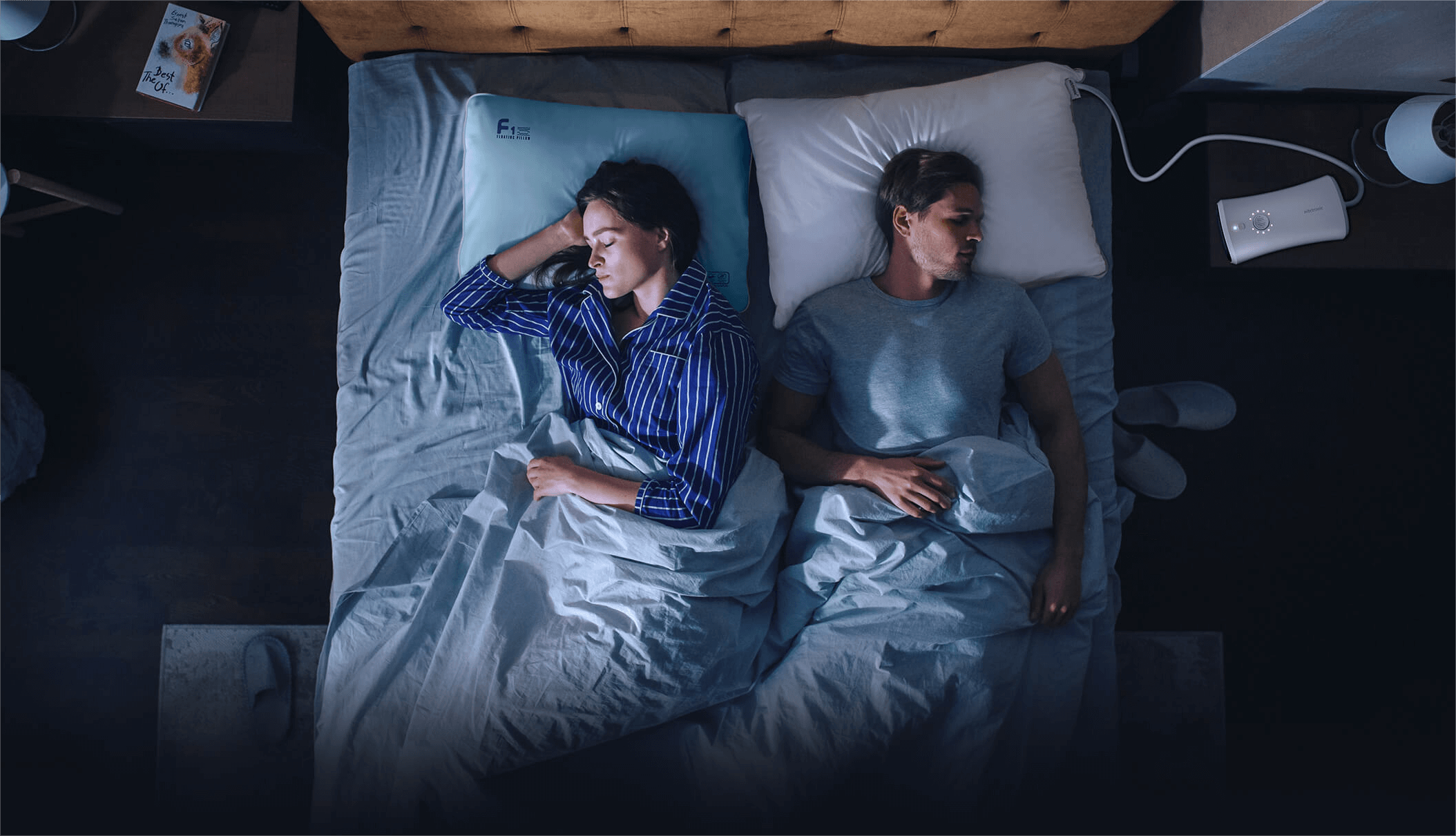
Center the pillow on the mattress and remove objects that push it sideways. Check whether the power cable or hose has enough slack to let the pillow remain flat.
Our guide to head placement on a smart anti-snore pillow explains how to identify the active area.
4. The pillowcase looks stretched or restricts movement
An undersized or rigid pillowcase can compress the contour and restrict moving sections. A loose case can bunch beneath the face and change where the head settles.
Use the compatible case specified for the model. Do not force a standard case over a pillow with adjustable air chambers if the fabric prevents normal movement.
See our smart pillowcase guide before replacing the original case.
5. The pillow seems to respond at the wrong time
Environmental sound, sensitivity settings or incorrect calibration can create confusing behavior. A fan, television, partner or pet may affect microphone-based detection.
Follow the approved demonstration or setup procedure. Confirm that the device can perform a mechanical test, then use the recommended sensitivity instead of immediately selecting the strongest setting.
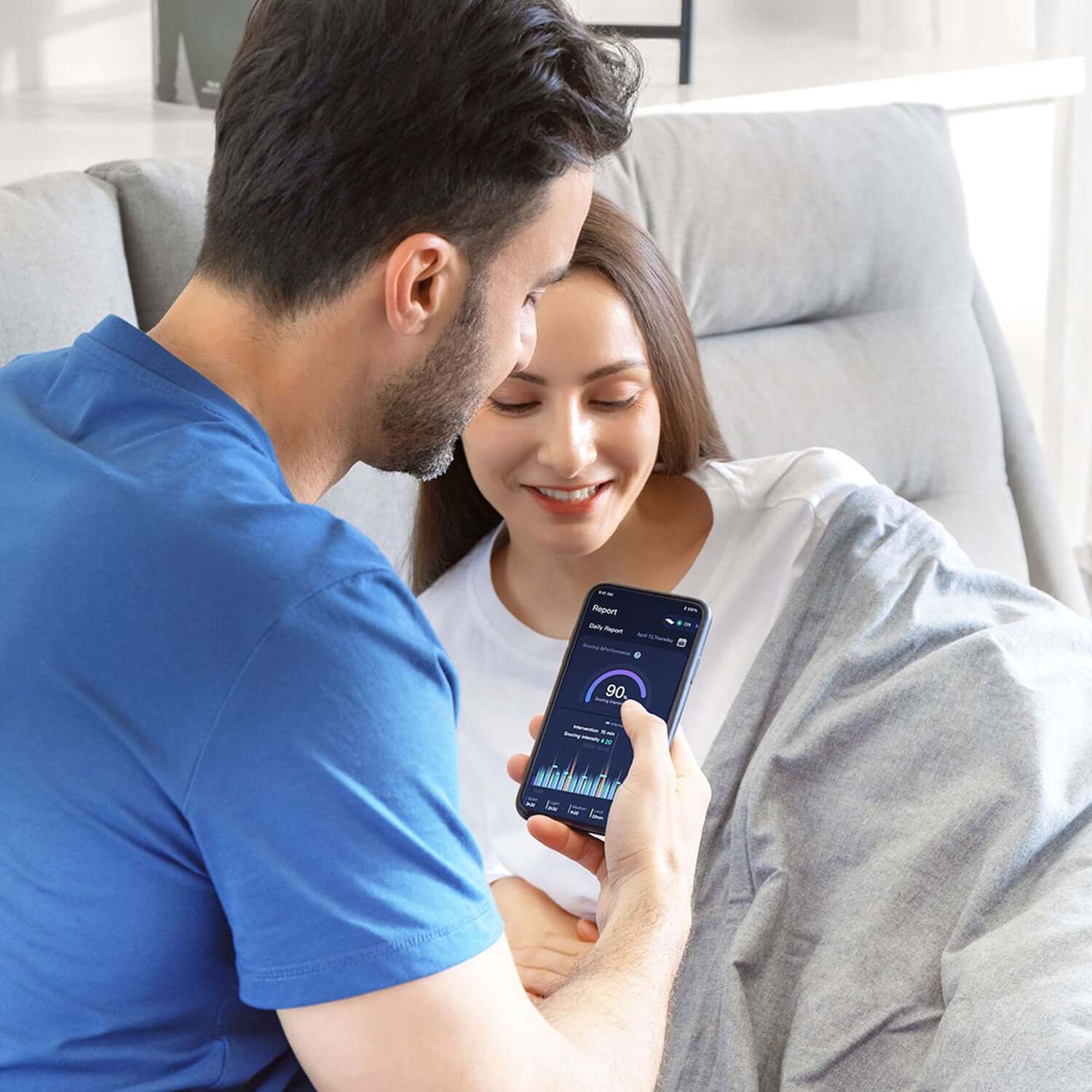
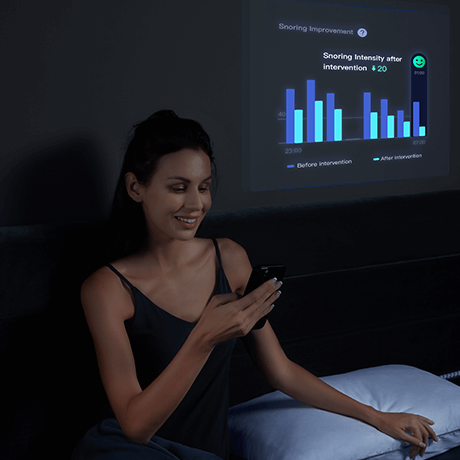
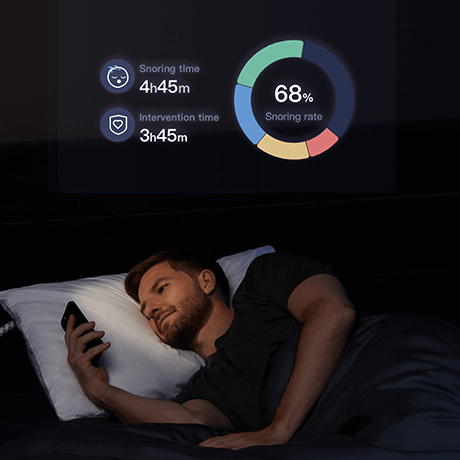
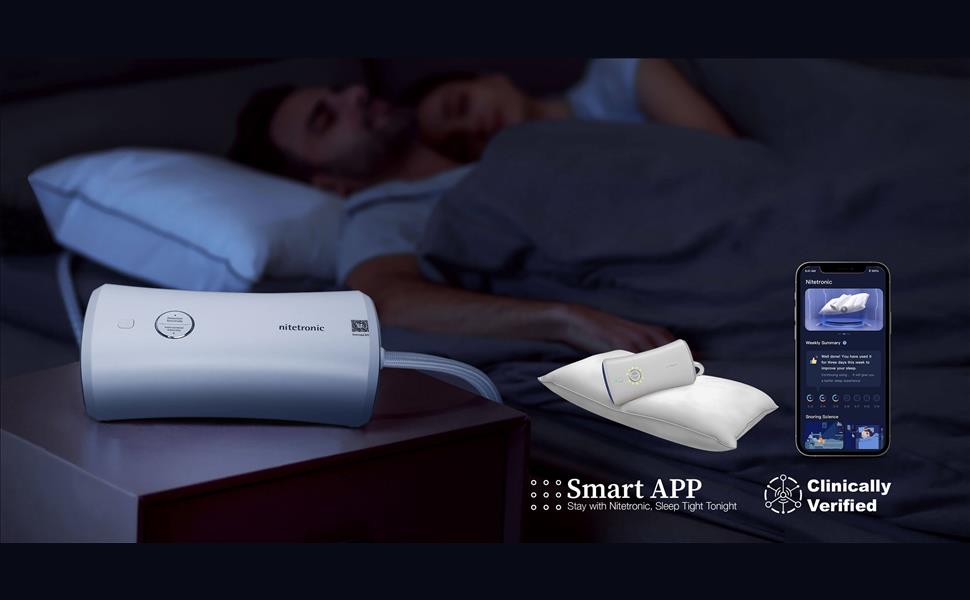
The Nitetronic Z6 Smart Anti-Snore Pillow combines sound detection, head-position sensing and adjustable air chambers. The Nitetronic A1 AI Anti-Snore Pillow also provides responsive adjustments and app-based sleep information.
6. The hose or cable is bent
A trapped hose can interfere with airflow. A cable beneath the pillow can create an uneven surface or pull the product out of position.
Route cables and hoses according to the manual. Keep them away from the neck, do not place them beneath the sleeper and do not use improvised extensions unless the manufacturer approves them.
7. You change settings every night
Frequent changes make it difficult to learn which adjustment helped. Snoring also varies naturally with position, congestion, alcohol, fatigue and room conditions.
Keep one setup for several comparable nights. Record comfort, awakenings, main sleep position and the same snoring measure. Then change one approved variable.
Our 14-night pillow test guide provides a simple comparison schedule.
8. Comfort gets worse while the app score improves
A lower snoring score does not automatically mean a better night. Neck discomfort, repeated awakenings or removing the pillow during sleep are important results too.
Balance consumer app trends with comfort and sleep continuity. Return to the recommended setup if a stronger setting causes discomfort. Stop using the pillow and seek appropriate advice if pain, numbness or other concerning symptoms persist.
A five-minute setup check
Before bed:
- Confirm the correct pillow orientation.
- Center the pillow on the mattress.
- Route the hose and power cable safely.
- Use a compatible pillowcase.
- Choose the recommended starting setting.
- Lie down for several minutes before judging height.
- Confirm that the neck feels neutral rather than sharply flexed.
- Keep the recording device in the same location.
When setup is not the main issue
Persistent loud snoring with witnessed breathing pauses, choking, gasping, morning headaches or marked daytime sleepiness may indicate a sleep-related breathing disorder. Seek professional evaluation.
A consumer pillow cannot diagnose obstructive sleep apnea and should not replace CPAP or another prescribed treatment. Anyone already receiving treatment should continue it unless a qualified clinician advises otherwise.
FAQ
Can I put another pillow underneath an anti-snore pillow?
Use only height pads or accessories approved for the model. An ordinary pillow underneath may make the surface unstable and alter sensing or adjustment.
How long should I keep one setting?
Several comparable nights usually provide more useful information than one night. Follow the manufacturer's instructions and change only one variable at a time.
Why does the pillow feel different on another mattress?
Mattress firmness changes how deeply the shoulder and body sink. That changes the effective pillow height and neck angle.
Should my shoulders rest on the pillow?
Follow the product instructions. Unless the design specifically supports the upper shoulders, begin with the shoulders on the mattress and the neck near the pillow edge.
Can correct setup treat sleep apnea?
No. Correct setup supports comfort and intended product operation, but it does not replace medical assessment or prescribed treatment.
The practical takeaway
When using a pillow to help with snoring, check height, orientation, head placement, bedding and cable routing before changing sensitivity. Keep the setup stable for several nights and judge comfort alongside snoring trends.

Leave a comment
This site is protected by hCaptcha and the hCaptcha Privacy Policy and Terms of Service apply.