
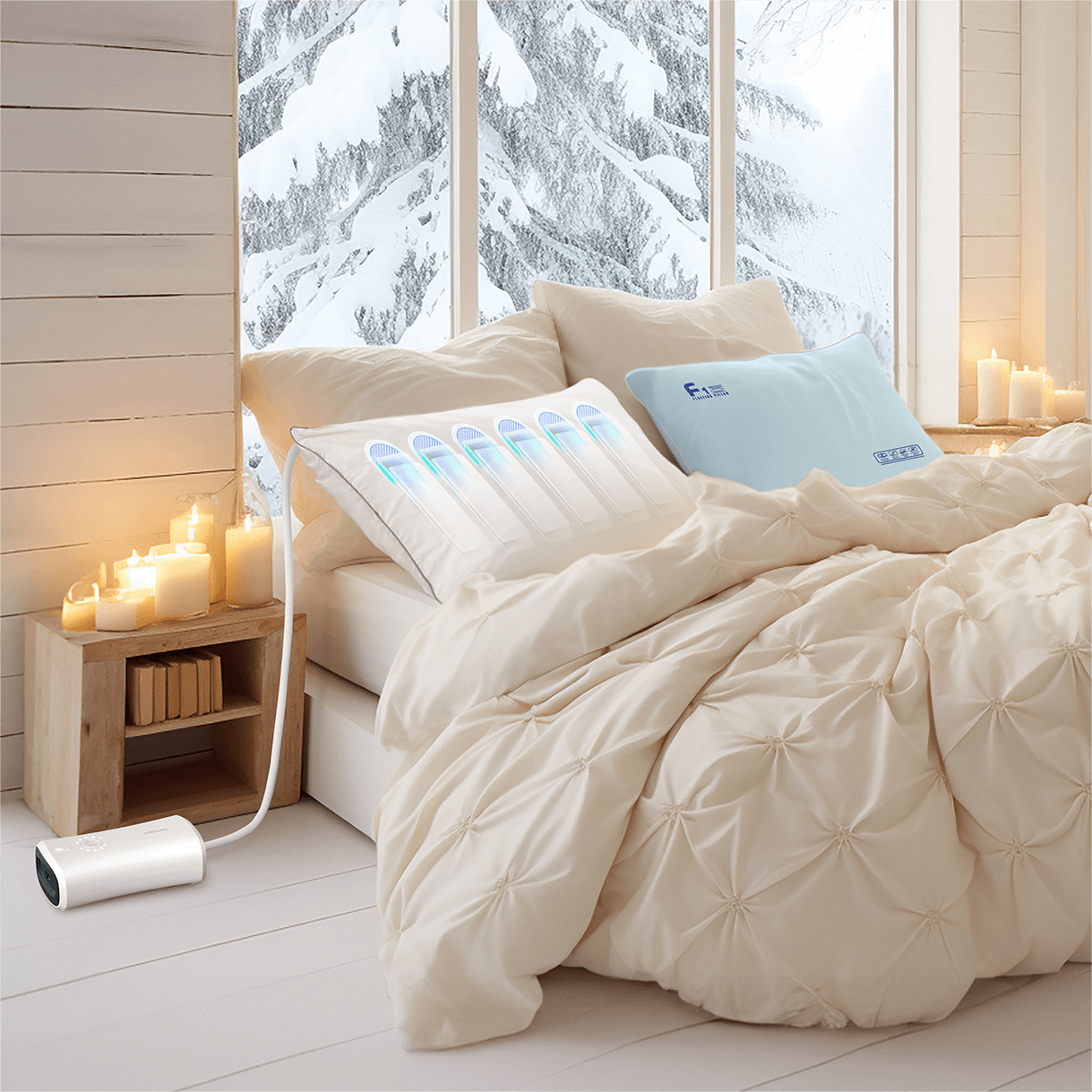

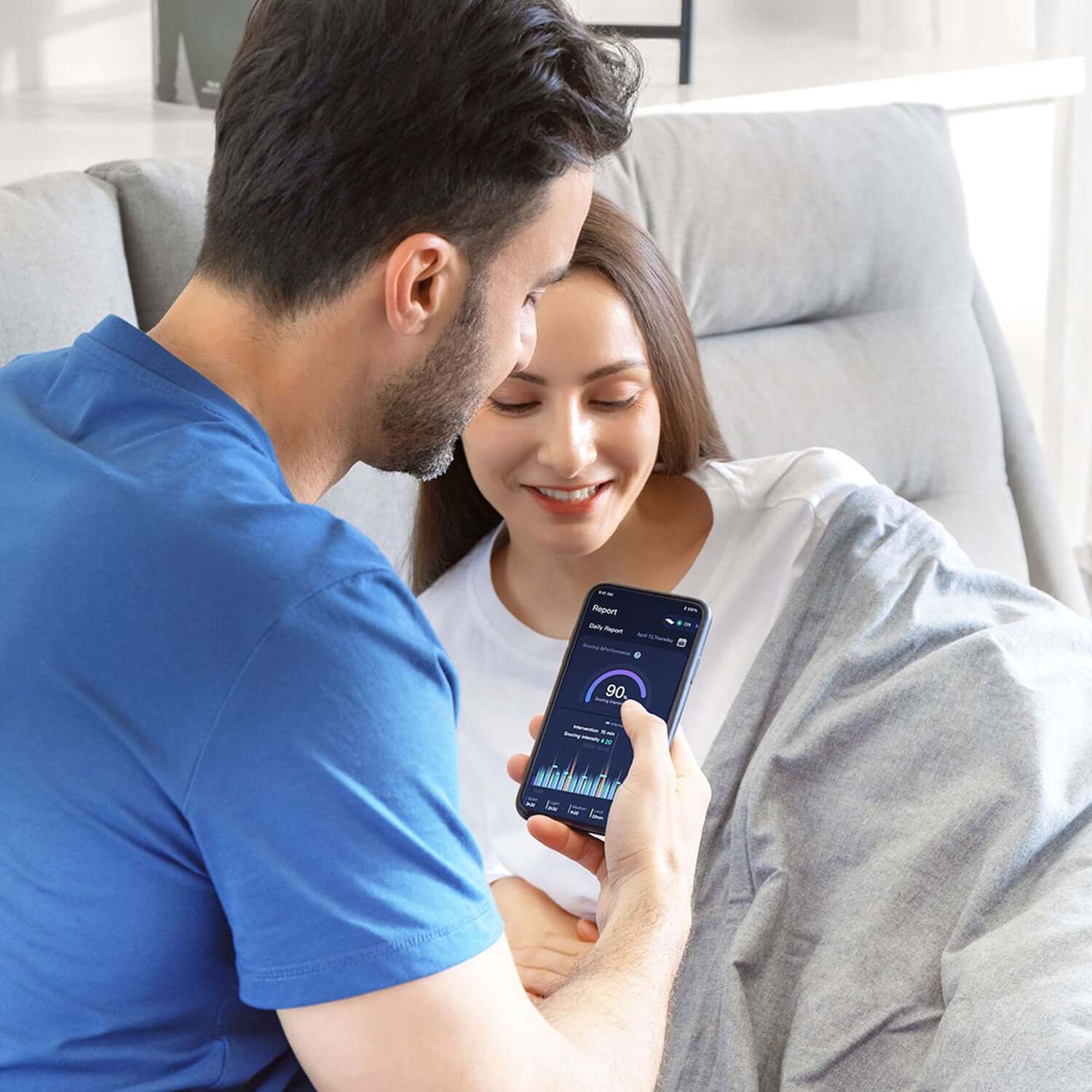
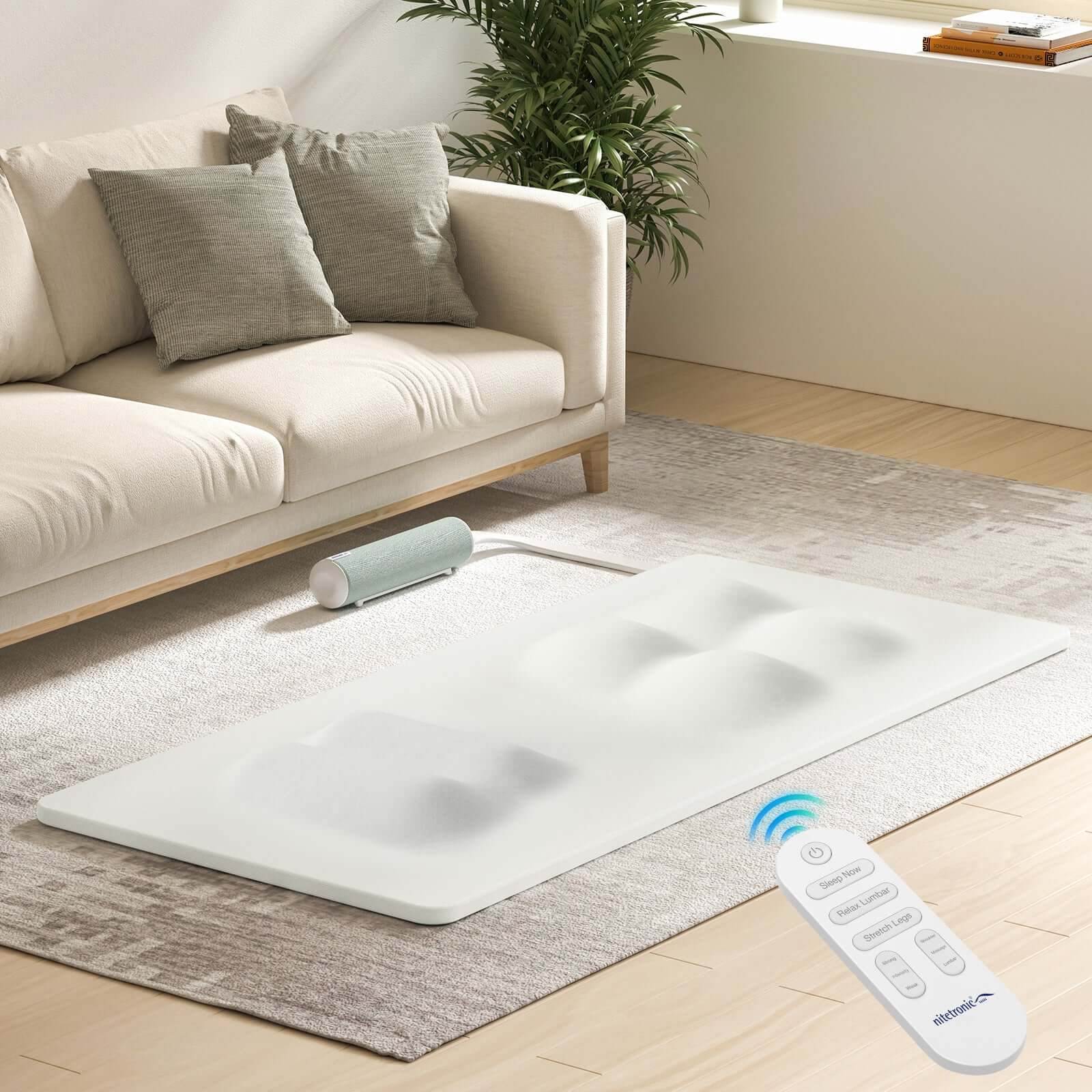
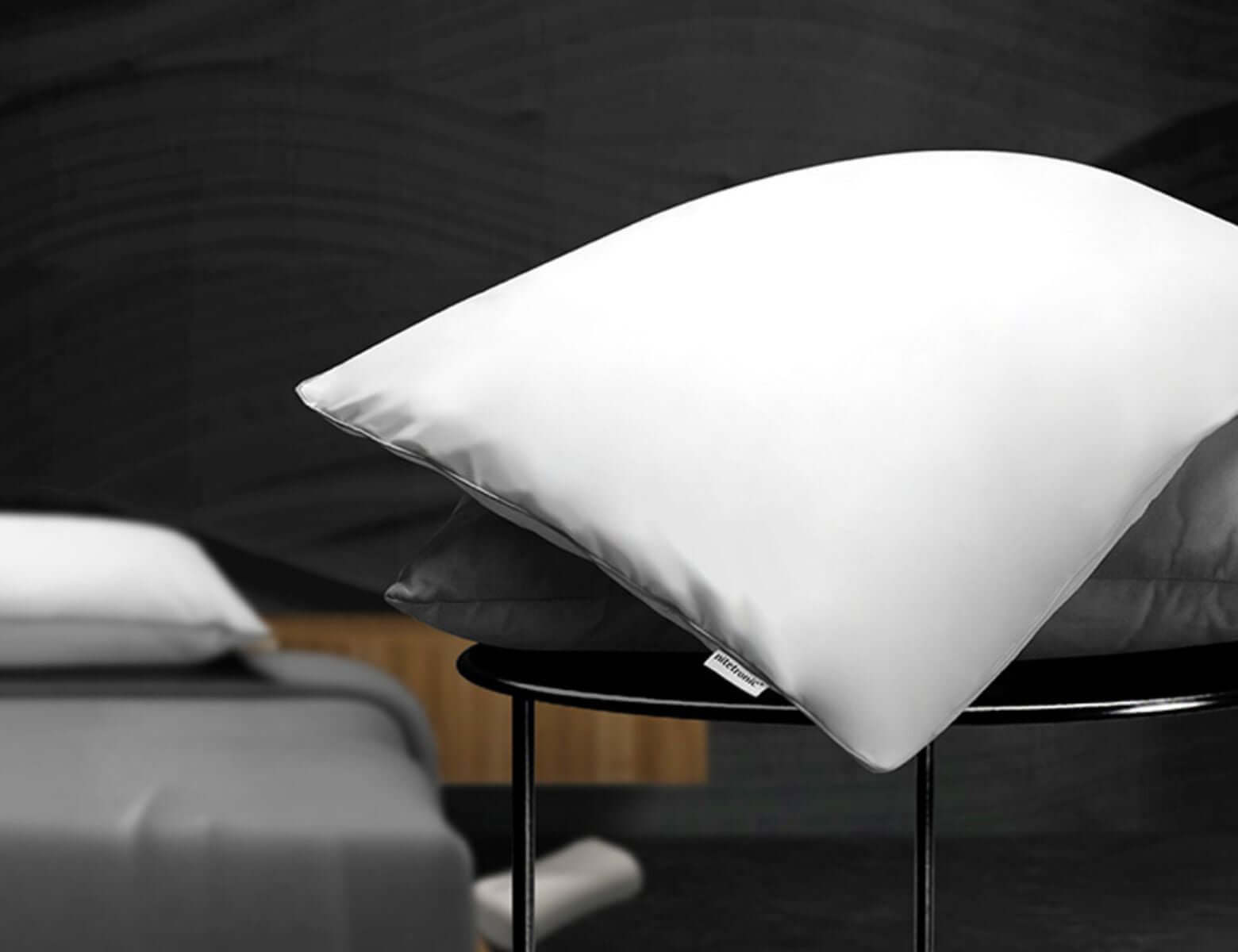



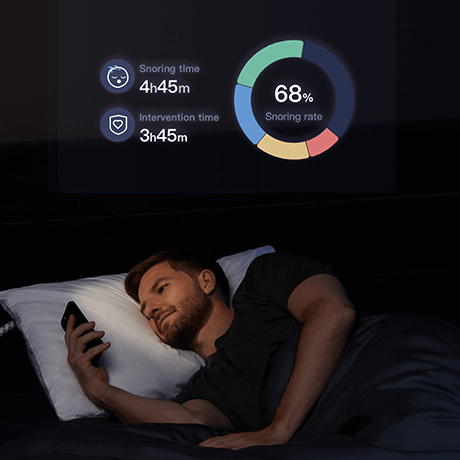
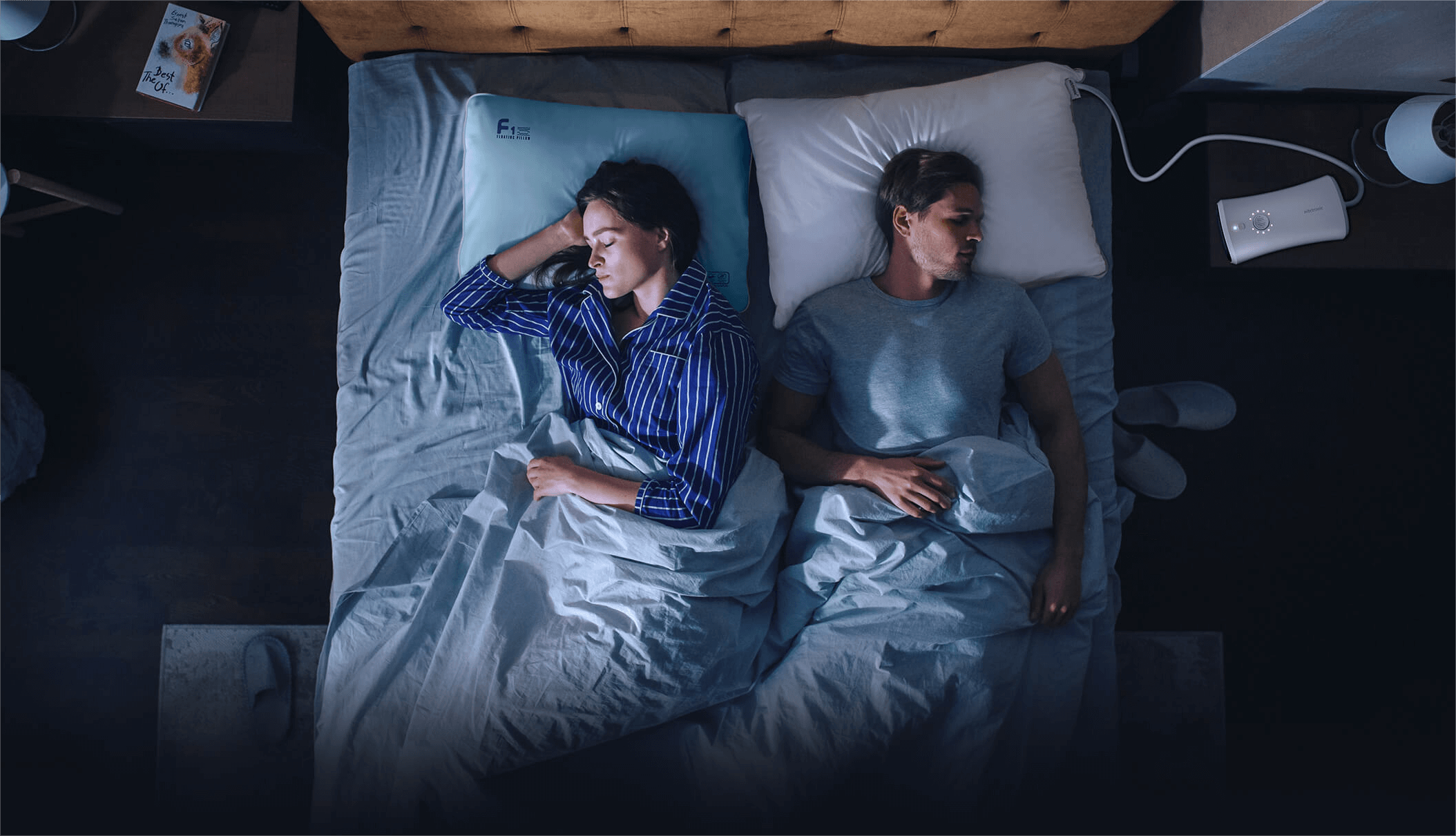
Snoring can change with sleep position, nasal congestion, alcohol use, anatomy, and several health conditions. A pillow cannot diagnose or treat the cause, but the right height and support may make it easier to maintain a comfortable sleeping position. That makes pillow choice a useful part of a broader sleep routine—not a replacement for medical care.
This guide explains what to look for, what to avoid, and when loud or persistent snoring deserves professional evaluation.
Start With Sleep Position, Not Marketing Claims
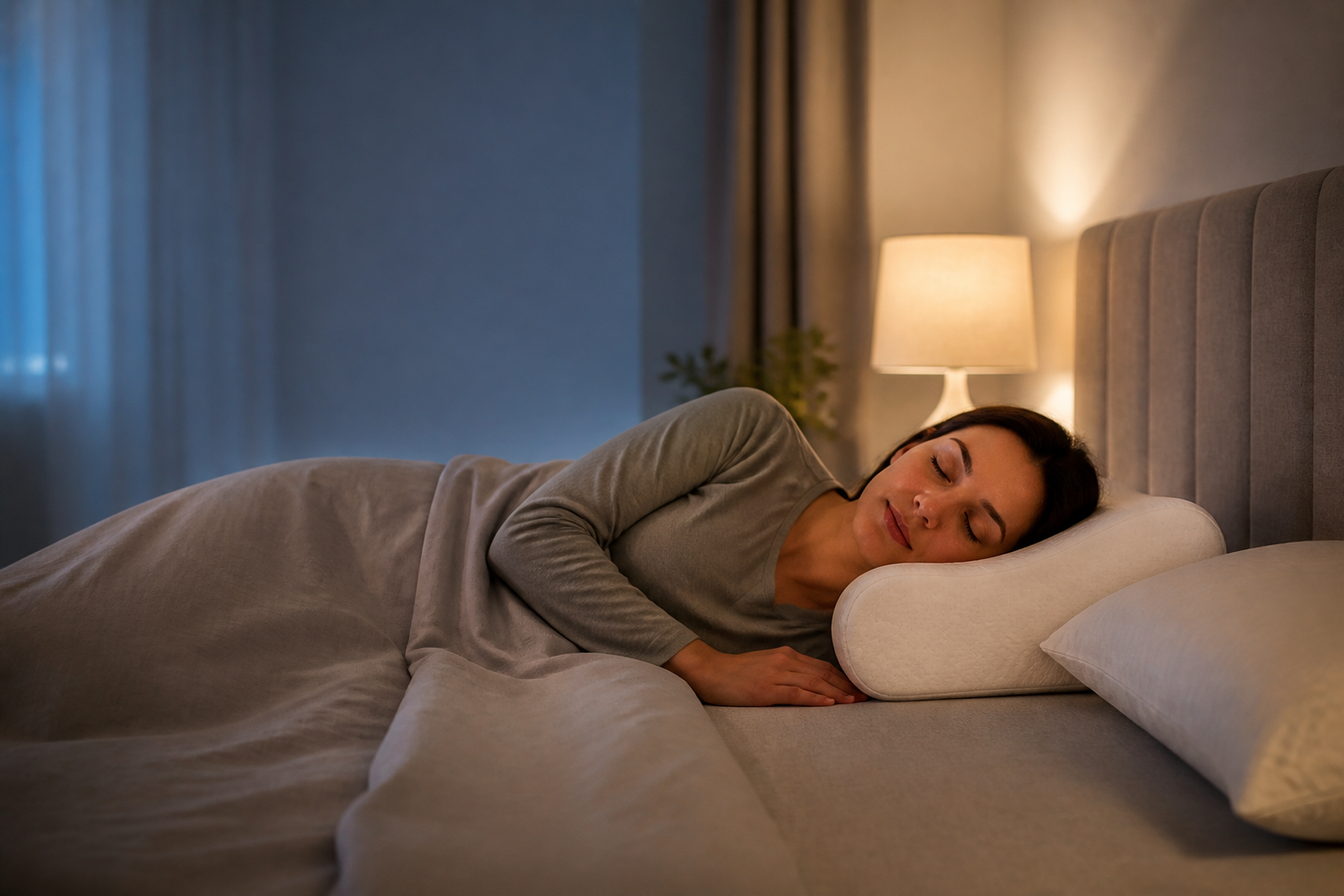
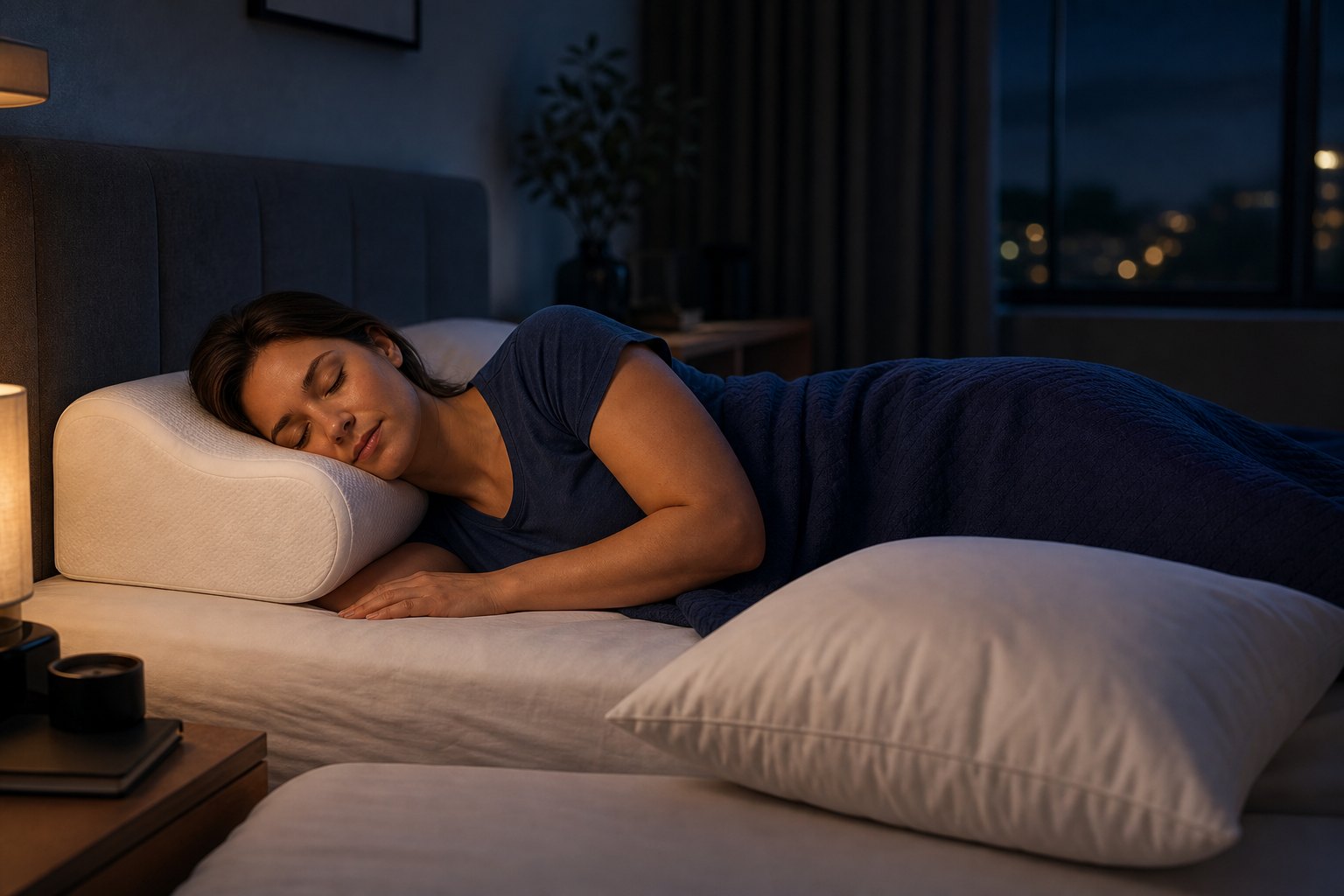
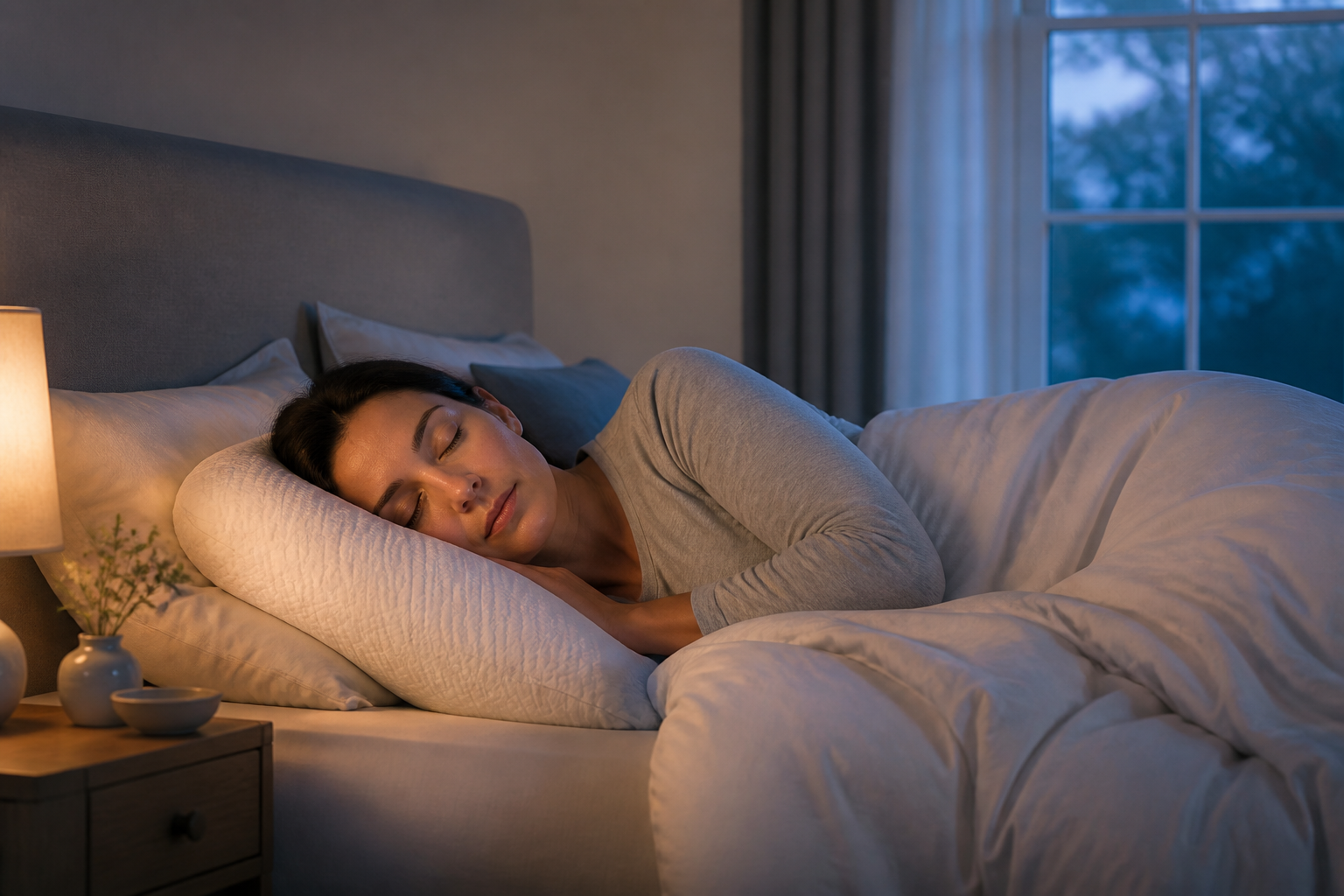
The most useful pillow is one that supports the position you can maintain comfortably through the night. For many people, snoring is more noticeable while sleeping on the back. Side sleeping may help some sleepers reduce position-related snoring because the tongue and surrounding tissues are less likely to fall backward in the same way.
That does not mean every side-sleeping pillow will reduce snoring. Body shape, shoulder width, mattress firmness, nasal airflow, and the underlying cause all matter. Treat “anti-snore” as a design goal, not a guaranteed outcome.
If you are comparing products, start with Nitetronic’s anti-snore pillow collection and evaluate each design by fit, adjustability, trial terms, and comfort rather than by the strongest headline.
Pillow Height: Aim for Neutral Alignment
Pillow height—often called loft—should fill the space between your head and the mattress without forcing your neck sharply upward or letting it drop toward the bed.
For side sleepers, broader shoulders and a softer mattress often require a different loft than narrow shoulders and a firm mattress. Back sleepers typically need enough support to prevent the head from tilting too far backward or being pushed too far forward. Stomach sleeping usually requires a thinner pillow, although this position can strain the neck for some people.
A simple fit check:
- Lie in your normal sleep position.
- Ask someone to view your head and neck from behind, or take a level photo.
- Look for a relatively straight line from the upper spine through the neck.
- Notice pressure, chin-to-chest flexion, or the feeling that your head is falling toward the mattress.
Adjustable-fill or adjustable-height designs can be helpful because they let you fine-tune loft after testing the pillow on your own mattress.
Firmness and Shape Matter Too
Firmness determines whether the pillow maintains its height after your head settles. A very soft pillow may feel comfortable initially but compress too much. A very firm pillow may hold alignment but create pressure around the ear, jaw, or neck.
Contoured pillows can provide separate zones for the head and neck. Some position-focused pillows are shaped to make side sleeping more comfortable, while smart pillows may detect snoring sounds and make gentle adjustments. These features can support a routine, but comfort and consistent use remain essential.
For a side-sleeping option, see the Nitetronic Z10 Side-Sleeping Anti-Snore Pillow. If you are unsure which product category fits your habits, the Snoring Quiz can help organize the factors you want to discuss or compare.
What a Pillow Can—and Cannot—Do
A supportive pillow may help you:
- maintain a comfortable side-sleeping position;
- keep the neck in a more neutral position;
- reduce sleep disruption caused by an uncomfortable pillow;
- test whether position appears to influence your snoring.
A pillow cannot confirm why you snore, guarantee that snoring will stop, or replace evaluation and prescribed treatment for obstructive sleep apnea. Be cautious with claims such as “cures sleep apnea,” “replaces CPAP,” or guaranteed percentage reductions that are not clearly supported by appropriate evidence.
A Practical Seven-Night Test
Give a new pillow enough time to evaluate comfort while keeping other variables reasonably stable.
- Record your sleep position, alcohol use, congestion, and bedtime.
- Use the same mattress and bedding when possible.
- Note neck comfort, awakenings, and morning symptoms.
- If a partner is willing, ask for observations without treating them as a diagnosis.
- Use recordings or app data only as trend information.
If the pillow causes pain, numbness, headaches, or repeated awakenings, stop using it and reassess the height and firmness.
When Snoring Needs Medical Attention
Seek medical advice when snoring is loud and persistent or occurs with witnessed pauses in breathing, gasping, choking, marked daytime sleepiness, morning headaches, difficulty concentrating, or high blood pressure. These signs can be associated with obstructive sleep apnea, which requires proper assessment.
Anyone already using CPAP or another prescribed therapy should not stop or replace it with a pillow unless their qualified clinician advises them to do so.
FAQ
Is a high pillow better for snoring?
Not automatically. Excessive height can push the neck forward, while too little height may fail to support a side sleeper. The better target is comfortable, neutral alignment for your body and mattress.
Is a firm or soft pillow better?
Choose enough firmness to maintain the needed height without creating pressure. Adjustable designs can make it easier to find a workable balance.
Can a side-sleeping pillow stop snoring?
It may help some people maintain a position associated with less snoring, but results vary and depend on the cause. It should not be presented as a guaranteed solution.
Can an anti-snore pillow replace CPAP?
No. A pillow is not a substitute for prescribed sleep-apnea treatment. Discuss treatment changes with a qualified healthcare professional.
How long should I test a new pillow?
A short, consistent trial of about a week can reveal comfort and position trends, although adaptation times vary. Follow the product’s trial and return terms.
Final Takeaway
The best pillow for a person who snores is not defined by one material or label. It is the pillow that supports a sustainable sleep position, keeps the neck comfortable, and fits the sleeper’s body and mattress. Use it as one practical tool, track the result honestly, and seek medical guidance when snoring comes with warning signs.

Leave a comment
This site is protected by hCaptcha and the hCaptcha Privacy Policy and Terms of Service apply.