





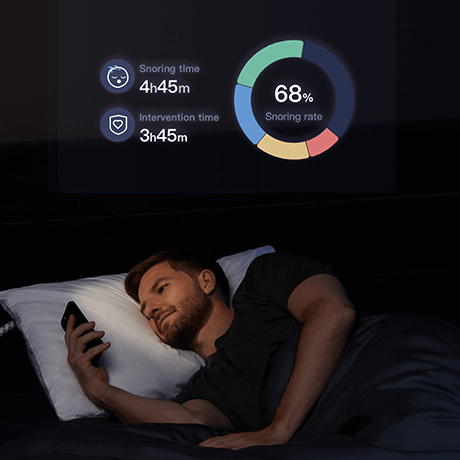
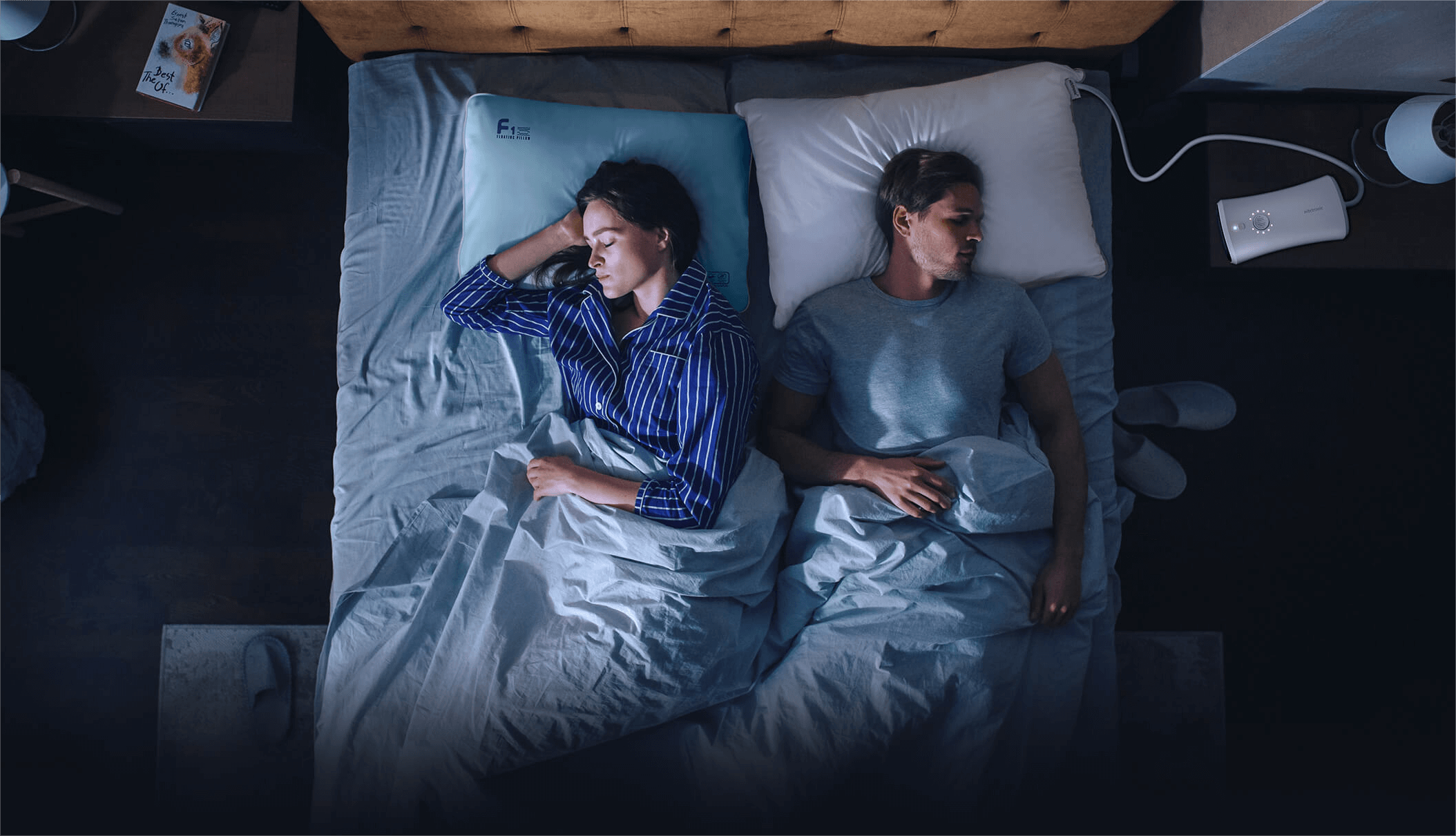
Does your snoring seem louder on some nights but quieter on others? Sleep position may be one reason. Snoring is often more frequent or louder when a person sleeps on their back, but position is only one of several possible influences.
The Mayo Clinic notes that back sleeping can narrow the airway because of gravity's effect on the throat. Alcohol, nasal congestion, sleep deprivation, anatomy, and weight may also affect snoring. That is why one recording or one quiet night cannot tell you the cause.
A short, consistent observation plan can help you spot a pattern without confusing a consumer app or pillow with a medical diagnosis.
What Does Position-Related Snoring Mean?
In simple terms, position-related snoring changes when your sleeping position changes. You may snore more while lying on your back and less while sleeping on your side. The pattern can vary during the night because people naturally move between positions and sleep stages.
The UK NHS guidance on snoring recommends trying side sleeping as one practical step. That does not mean side sleeping works for everyone. Nasal blockage, alcohol, mouth anatomy, and sleep disorders may still contribute.
A Practical 7-Night Observation Plan
The goal is not to create a perfect experiment. It is to keep enough variables stable that a useful pattern can emerge.
Nights 1 and 2: Record your normal routine
Do not deliberately change your sleeping position yet. Note:
- your approximate bedtime and wake time;
- whether you started on your back, side, or stomach;
- alcohol use in the evening;
- nasal congestion or allergy symptoms;
- morning dry mouth, headache, and neck comfort; and
- a partner's observation of when snoring seemed most noticeable.
If you use a phone recording or sleep app, treat the result as a trend rather than a diagnosis. Microphone distance, room noise, bedding, and another person's sounds can affect the recording.
Nights 3 and 4: Start on your side
Choose a side-sleeping position that feels comfortable and sustainable. Use enough pillow height to keep your head and neck reasonably aligned rather than sharply tilted up or down.
In the morning, write down whether you woke on your back and whether neck or shoulder discomfort made you change position. A position that reduces a recording score but causes pain is not a useful long-term solution.
Night 5: Check the variables around position
Repeat the side-sleeping attempt, but review the other factors. Was your nose blocked? Did you drink alcohol? Did you sleep much less than usual? Those differences can make it hard to attribute a change to the pillow or position alone.
Nights 6 and 7: Repeat the most comfortable setup
Use the side and pillow height that felt most natural. Consistency matters more than forcing an unfamiliar position. Compare these nights with your first two, looking for a repeated difference in snoring rather than a single unusually quiet night.
How to Read the Results
A position-related pattern is more plausible when several observations point in the same direction:
- snoring is repeatedly louder or more frequent while you are on your back;
- it becomes quieter after you turn to your side;
- the pattern appears across several nights; and
- the difference remains visible when major factors such as alcohol and congestion are similar.
The pattern is less clear when snoring stays similar in every position, recordings conflict with a partner's observations, or the week includes changing congestion, travel, alcohol use, or severe sleep loss.
Even a consistent pattern does not rule out obstructive sleep apnea. It simply gives you better information to share with a healthcare professional.
Where a Pillow May Help
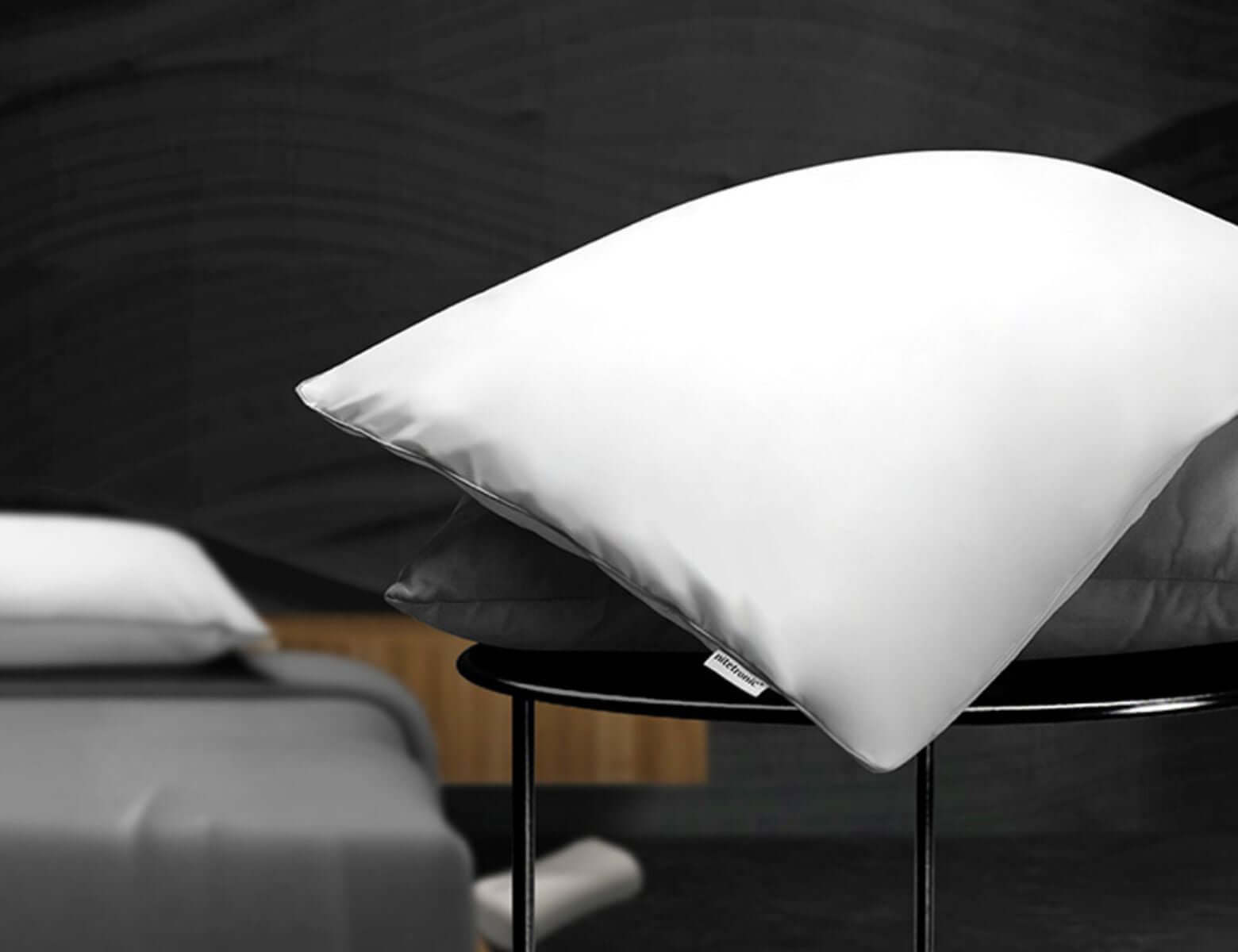
A pillow can support head position, neck comfort, and a side-sleeping routine. The best height depends on factors such as shoulder width, mattress firmness, and your preferred position. There is no single pillow height that works for everyone.
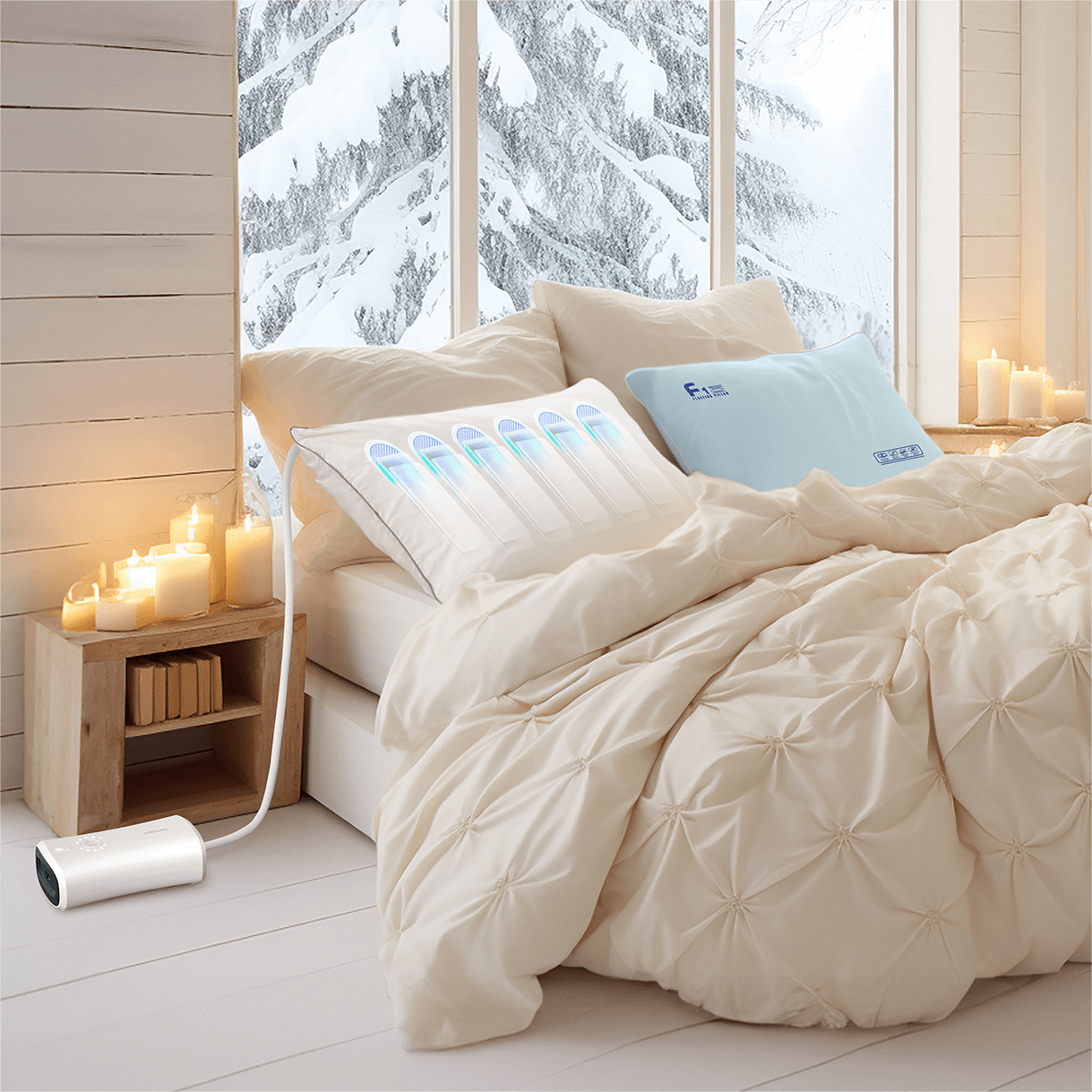
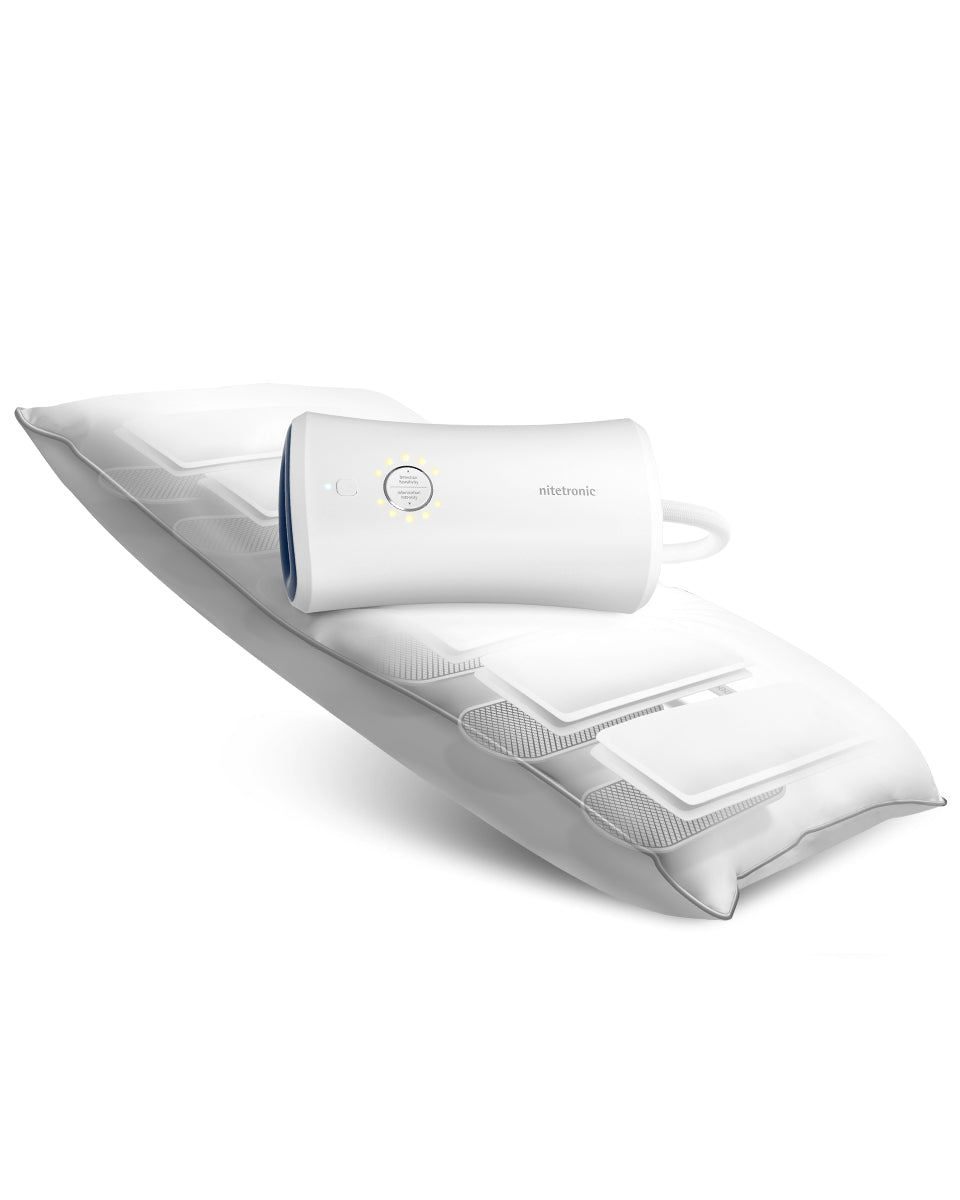
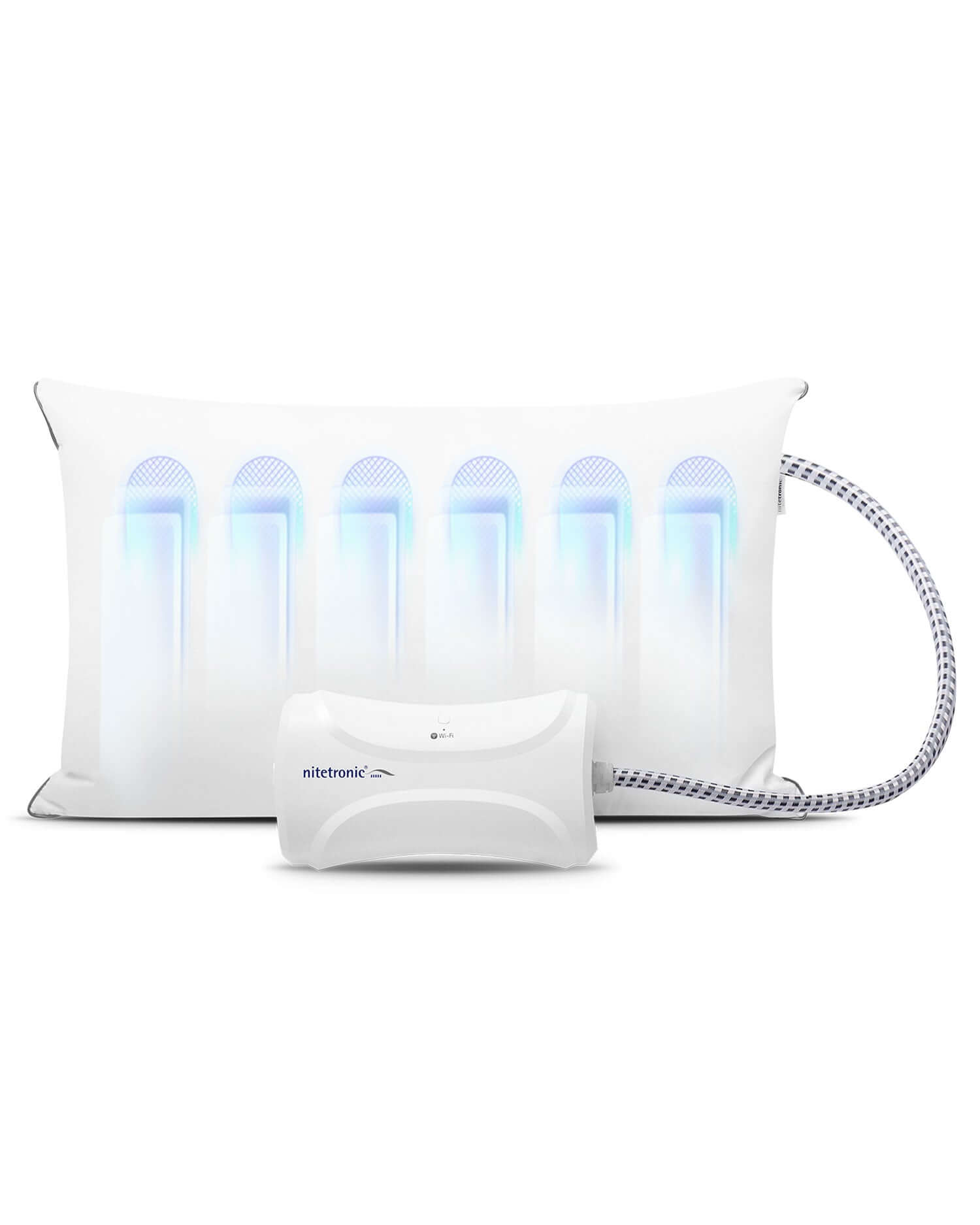
Some smart pillows are designed to respond when snoring sounds are detected. The Nitetronic Z6 Smart Anti-Snore Pillow uses sound detection and adjustable air chambers to make gentle changes in head position. It is a sleep-support product, not a diagnostic tool or a replacement for prescribed sleep apnea treatment.
Before choosing any option, compare comfort, adjustability, return policy, and how well it fits your usual sleep position. Our anti-snore pillow buying guide covers those checks in more detail. You can also see how Nitetronic smart pillow technology works or browse the anti-snore pillow collection.
When to Stop Testing and Seek Medical Advice
Do not rely on a pillow trial if snoring occurs with warning signs. Speak with a qualified healthcare professional if you or a partner notices:
- breathing that repeatedly stops and starts;
- choking, gasping, or snorting during sleep;
- marked daytime sleepiness;
- morning headaches or difficulty concentrating;
- high blood pressure; or
- loud snoring that significantly affects daily life.
These symptoms can be associated with obstructive sleep apnea, which may require a sleep evaluation. A pillow should not replace CPAP, an oral appliance, or another treatment prescribed by a clinician.
FAQ
How many nights should I track snoring?
Seven nights can reveal a preliminary pattern, but it is not a medical test. If nights vary widely, continue a simple log or discuss the observations with a healthcare professional.
Does quieter snoring on my side prove the cause?
No. It suggests that position may be one influence. Alcohol, congestion, sleep duration, anatomy, and sleep stage can also change snoring.
Can a snoring app diagnose sleep apnea?
No. Consumer recordings may help you observe trends, but they cannot replace a clinical assessment or sleep study.
What pillow height is best for snoring?
There is no universal height. Aim for comfortable head and neck support that fits your shoulder width, mattress, and sleep position.
Can a pillow replace CPAP?
No. If CPAP or another therapy has been prescribed, do not stop or replace it without speaking with your clinician.
Final Takeaway
If snoring seems to change with sleep position, a consistent seven-night log is more useful than judging one recording. Compare back and side sleeping, keep track of alcohol and congestion, and prioritize comfort. A supportive or adjustable pillow may help with positioning, but persistent loud snoring or warning signs deserve medical attention.

Leave a comment
This site is protected by hCaptcha and the hCaptcha Privacy Policy and Terms of Service apply.