





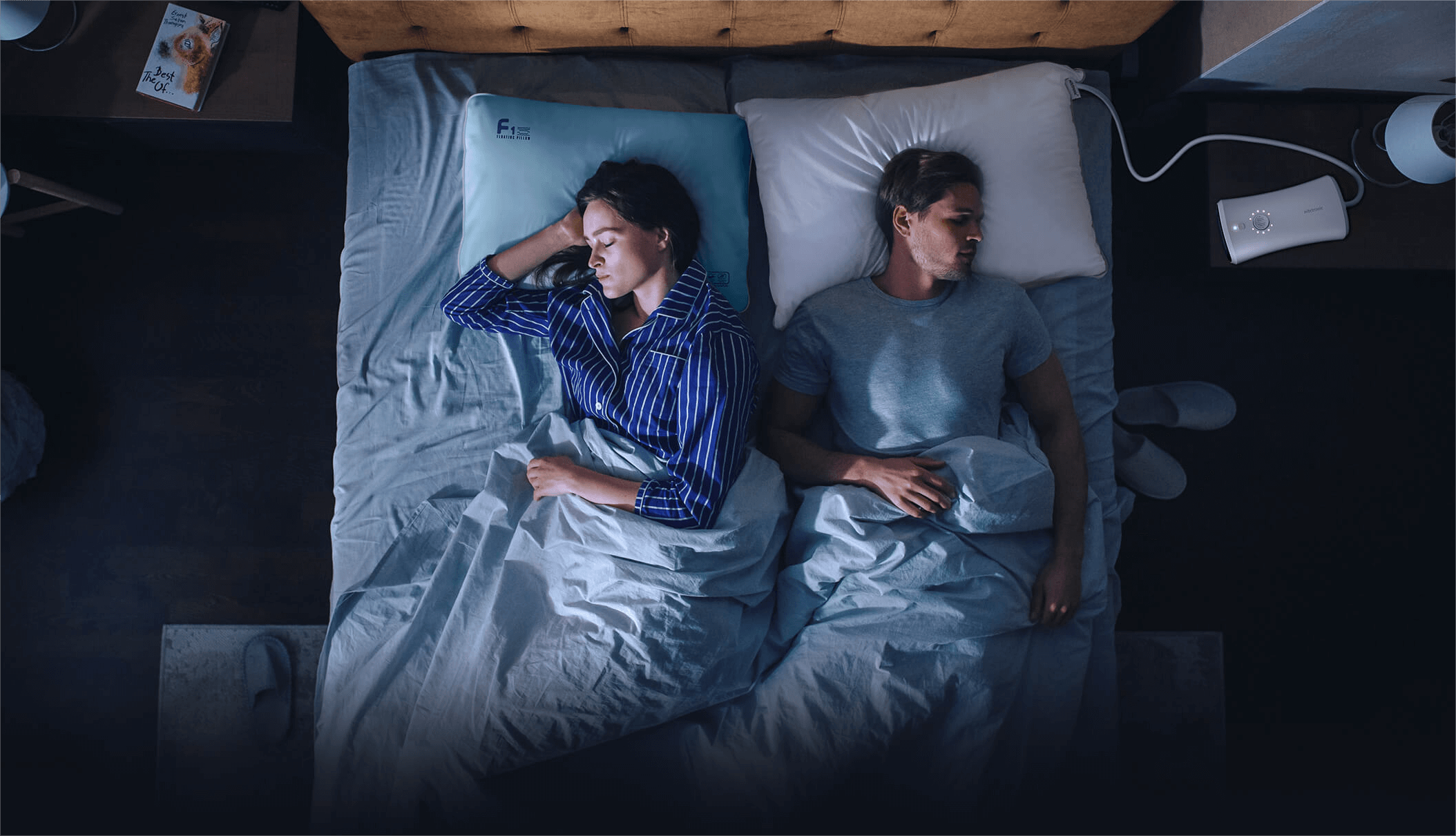
Snoring is common, but the reason behind it is not the same for everyone. For one sleeper, snoring may become louder when they roll onto their back. For another, nasal congestion, alcohol, anatomy, body weight, or a sleep-related breathing disorder may play a larger role. That is why the honest answer to “Do anti-snore pillows work?” is: they may help some people, especially when sleep position contributes to snoring, but they are not a universal fix or a treatment for sleep apnea.
This guide explains what an anti-snore pillow can realistically do, how to evaluate one, and which warning signs should prompt a medical conversation.
What is an anti-snore pillow designed to do?
An anti-snore pillow is generally designed to influence one or more of three factors:
- Sleep position. Some designs encourage side sleeping or make back sleeping less appealing.
- Head and neck support. A suitable pillow height can help keep the head from tilting sharply upward, downward, or sideways.
- Comfort and consistency. A pillow that feels comfortable is more likely to help a sleeper maintain a chosen position through the night.
These are supportive functions. A pillow does not diagnose the cause of snoring, and it cannot guarantee that the sound will stop.
Why sleep position may matter
When a person sleeps on their back, gravity can encourage the tongue and soft tissues to move toward the back of the throat. For some sleepers, that can make the airway narrower and snoring more likely. The Mayo Clinic’s guidance on snoring includes side sleeping among commonly suggested self-care measures.
This does not mean every back sleeper will snore or that every side sleeper will be quiet. It means position is one variable worth testing. If snoring is consistently worse on the back and improves on the side, a pillow that supports comfortable side sleeping may be useful.
Pillow height matters as much as the label
“Anti-snore” on a product page is less important than whether the pillow fits the sleeper.
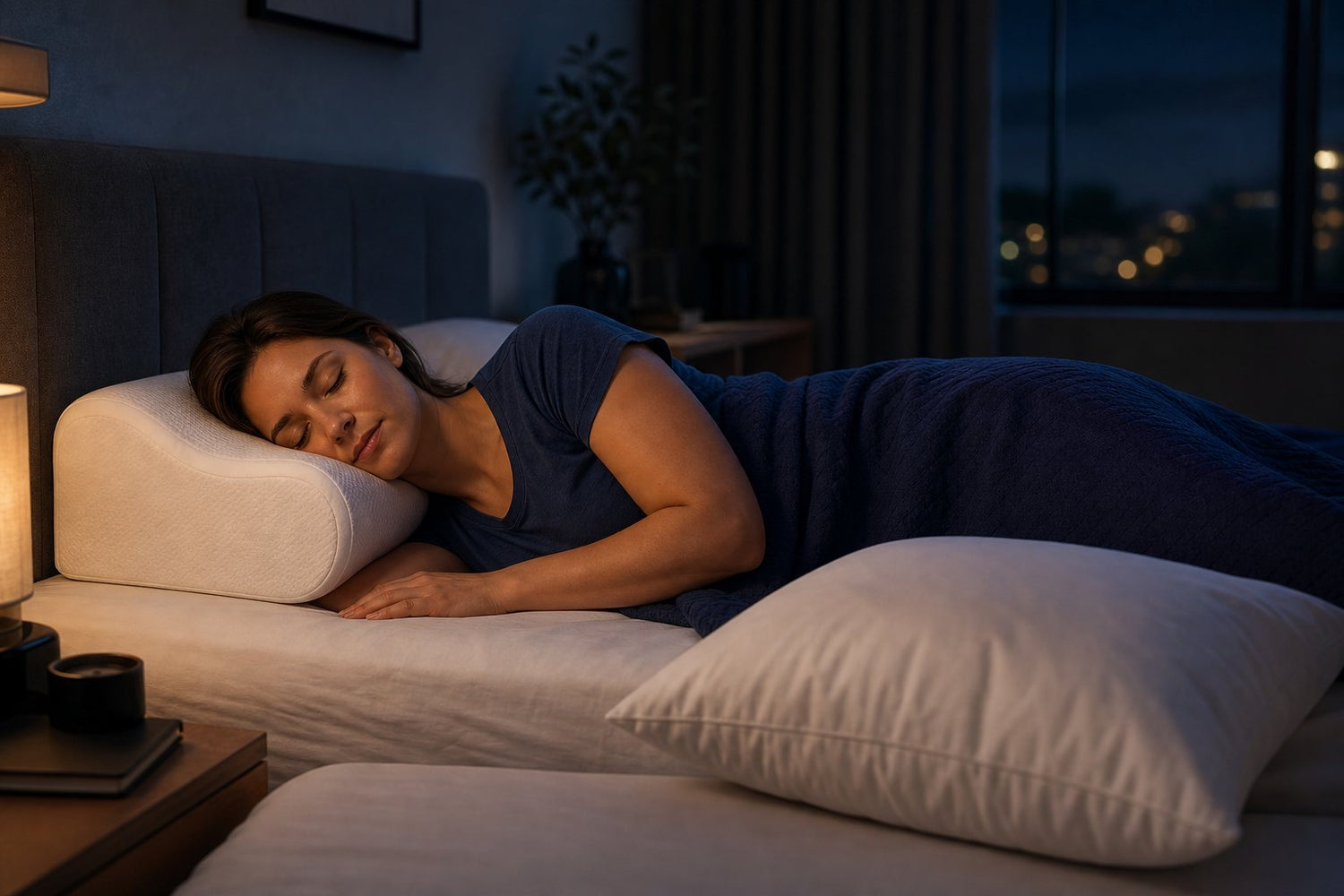
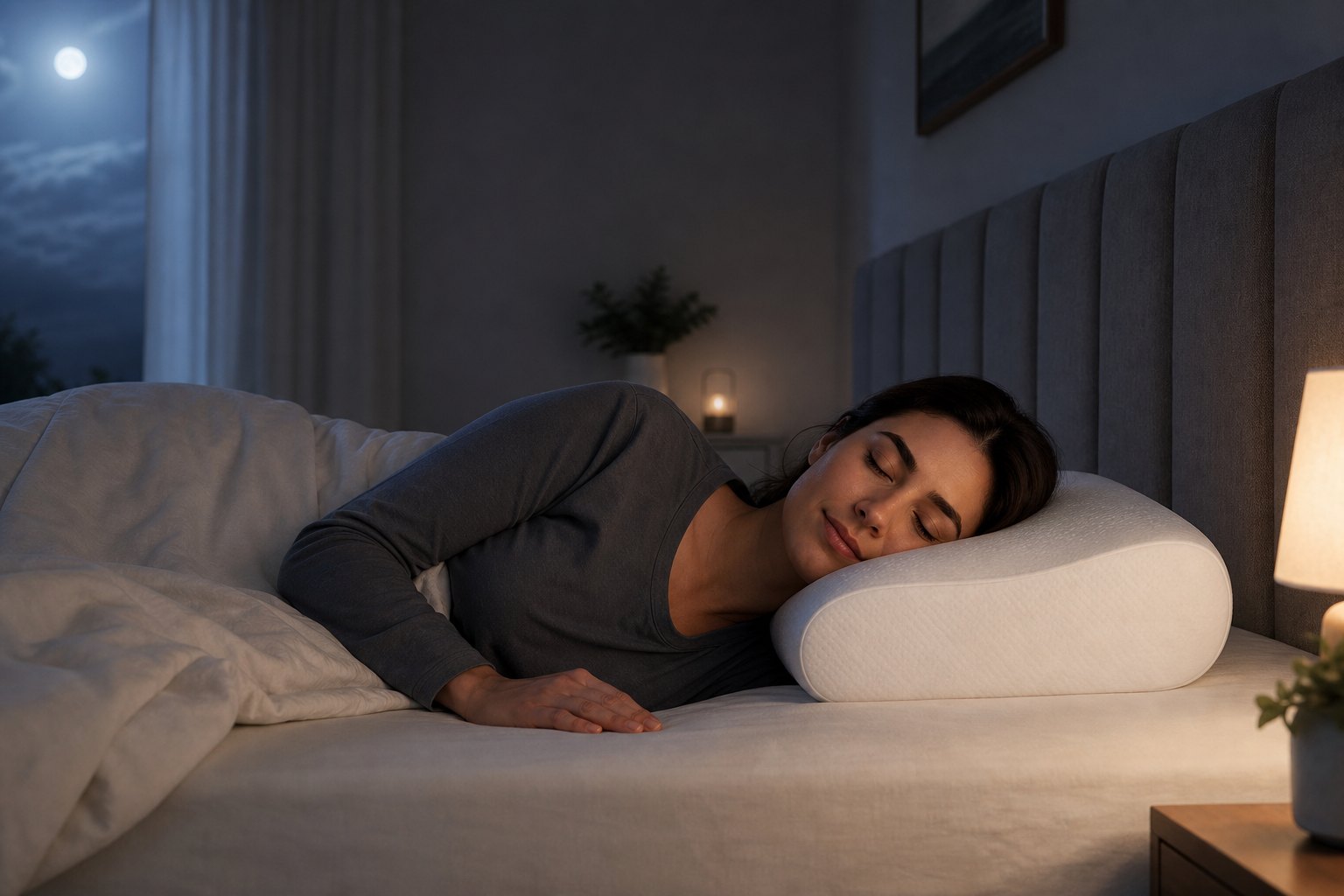
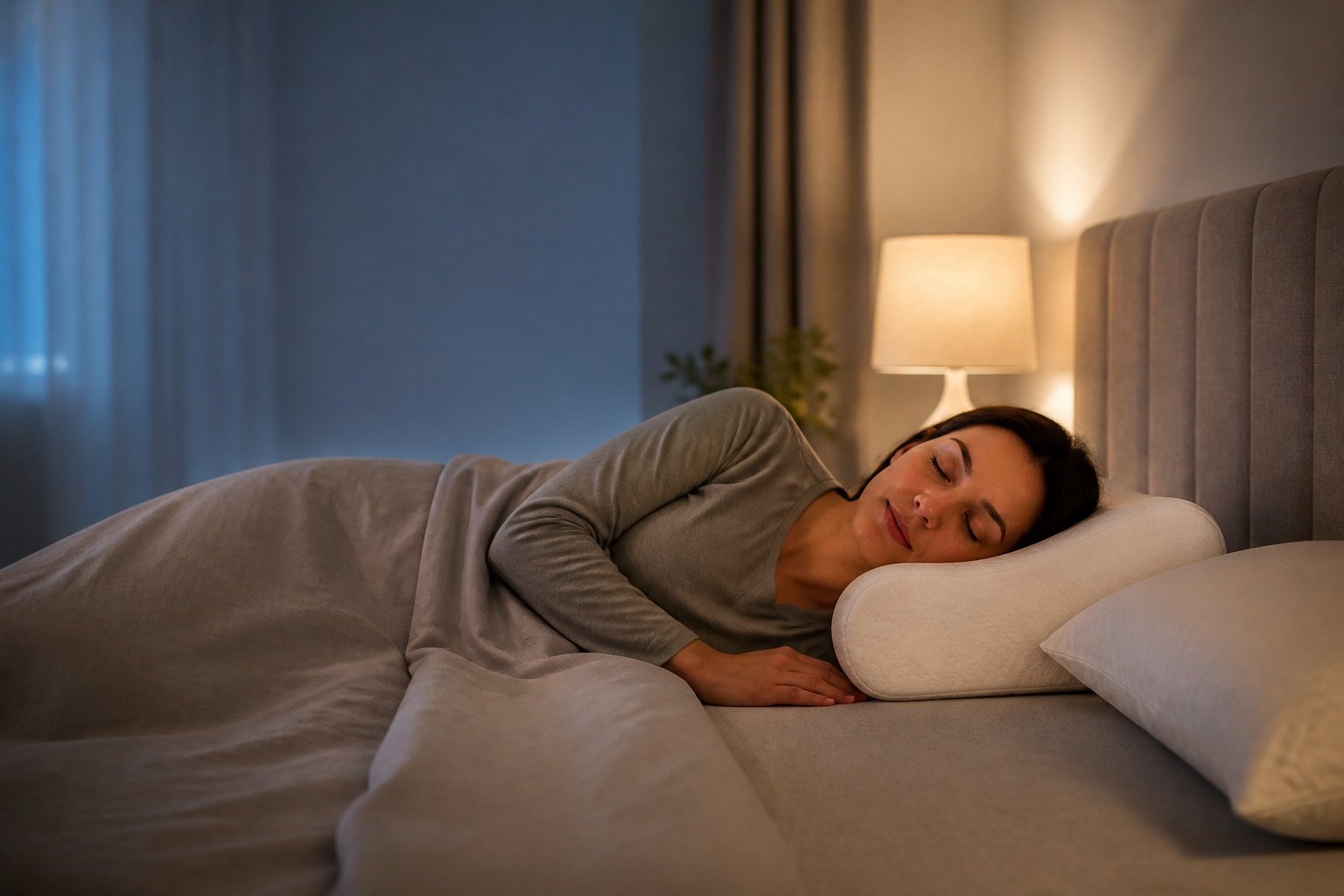
A side sleeper usually needs enough loft to fill the space between the shoulder and the head. Too little support can let the head drop toward the mattress. Too much can push it in the opposite direction. Either situation can feel uncomfortable and make it harder to stay in position.
The ideal height depends on shoulder width, mattress firmness, body size, and personal preference. A broad-shouldered sleeper on a firm mattress may need more loft than a smaller sleeper on a soft mattress. Adjustable designs can be helpful because they allow the sleeper to test different heights instead of assuming one profile fits everyone.
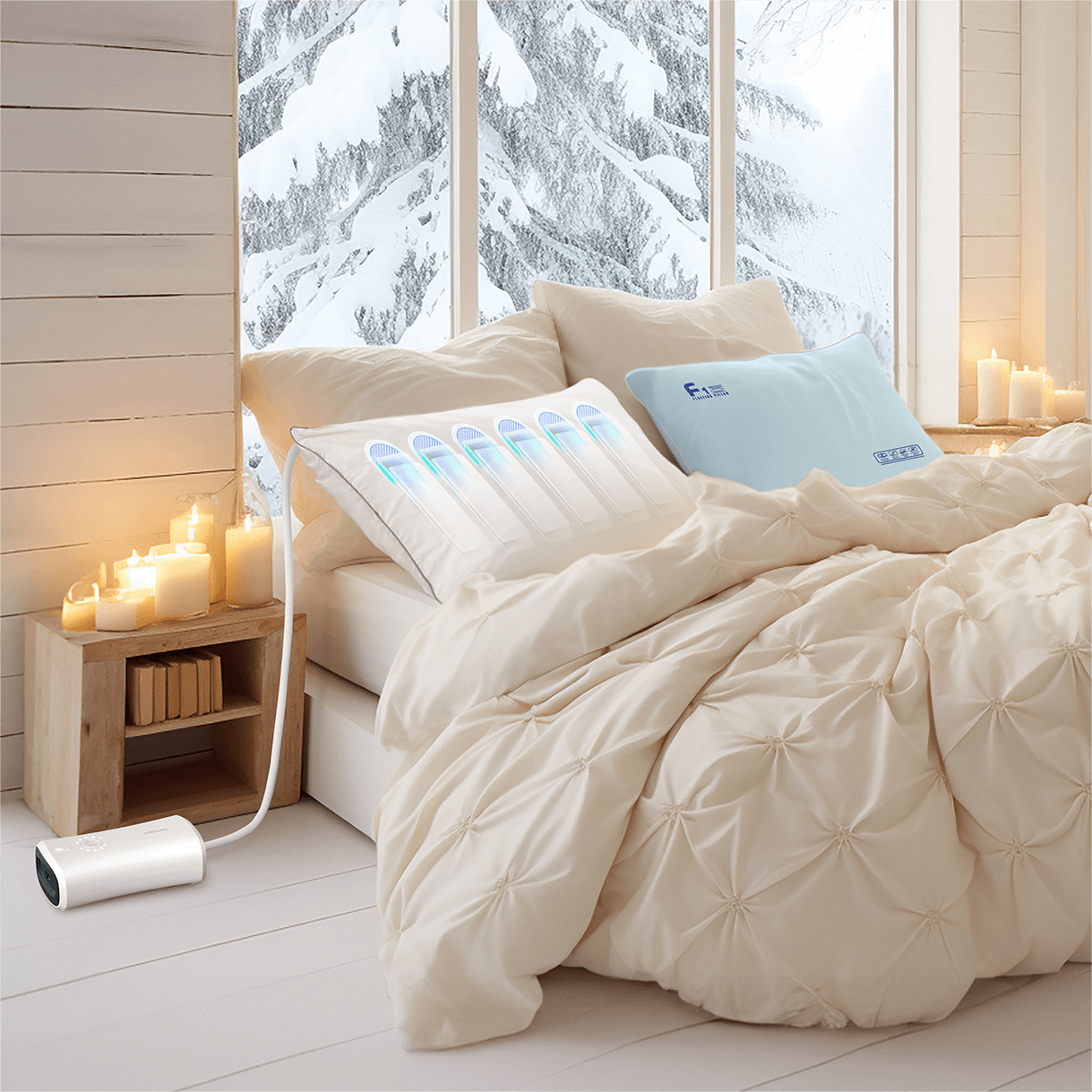
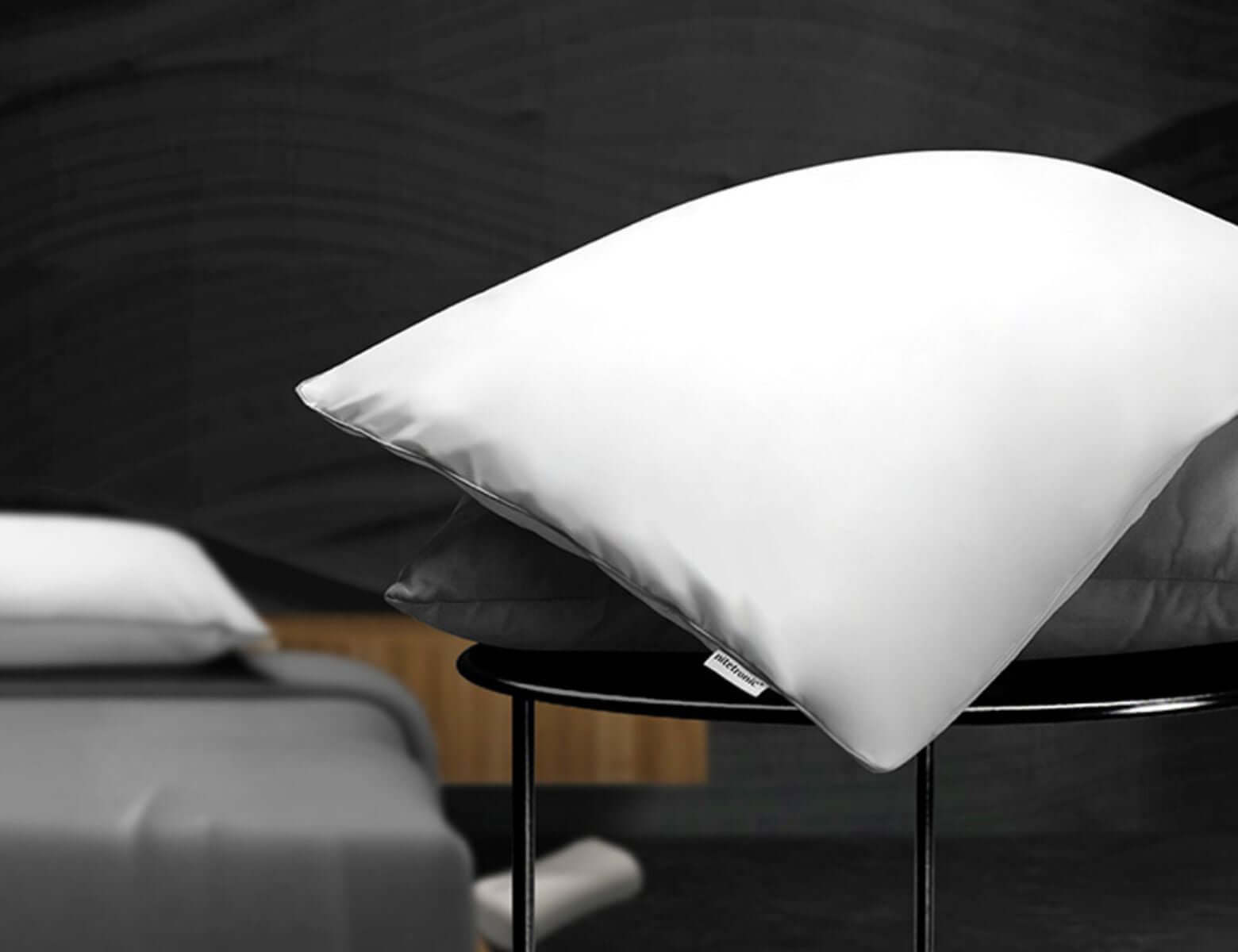
For an example of a pillow designed specifically around side-sleeping support and adjustable height zones, see the Nitetronic Z10 Side-Sleeping Anti-Snore Pillow.
Which sleepers are most likely to notice a difference?
An anti-snore pillow may be most relevant when:
- snoring is clearly louder during back sleeping;
- the sleeper wants to spend more time on their side;
- the current pillow collapses or provides poor support;
- discomfort causes frequent position changes;
- the sleeper is willing to test height and position over several nights.
It may be less likely to make a meaningful difference when snoring is primarily related to persistent nasal blockage, alcohol or sedative use, significant airway anatomy, or obstructive sleep apnea. Those situations may require a different strategy or professional evaluation.
How to test whether a pillow is helping
Avoid judging a pillow from one unusually good or bad night. Instead, run a simple one- to two-week comparison.
1. Record a baseline
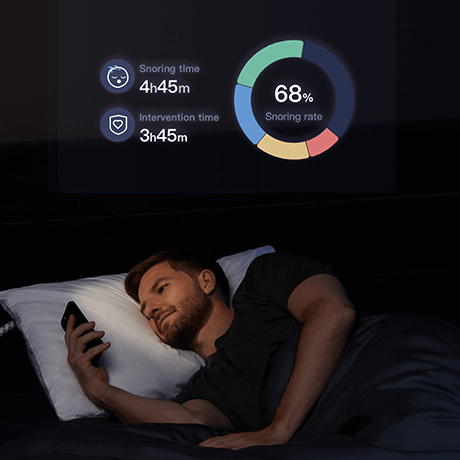
Before changing pillows, note several nights of usual sleep position, approximate snoring frequency or partner observations, morning dry mouth or headache, awakenings, neck or shoulder comfort, and daytime alertness. A consumer sleep app or audio recorder may identify patterns, but it should not be treated as a medical diagnosis.
2. Change one variable
Use the new pillow without simultaneously changing multiple parts of the sleep routine. Otherwise, it becomes difficult to understand what affected the result.
3. Adjust loft gradually
If the pillow has removable layers or height options, make one adjustment at a time. The aim is comfortable support—not forcing the neck into a dramatic angle.
4. Compare patterns, not perfection
Useful signs may include fewer back-sleeping periods, lower snoring frequency, fewer partner disturbances, or better comfort. A quieter night is encouraging, but it does not prove that an underlying breathing problem has been resolved.
Explore the broader Nitetronic anti-snore pillow collection to compare positional, adjustable, and smart-support approaches.
What an anti-snore pillow cannot tell you
A pillow cannot determine whether snoring is harmless or related to obstructive sleep apnea. According to the National Heart, Lung, and Blood Institute, warning signs can include loud habitual snoring, breathing that starts and stops, gasping, morning headaches, and daytime sleepiness.
Seek medical advice when snoring is accompanied by witnessed breathing pauses, choking or gasping, marked daytime fatigue, difficulty concentrating, or cardiovascular concerns. Children with persistent loud snoring should also be evaluated rather than managed only with a pillow.
An anti-snore pillow should never be presented as a replacement for CPAP or another treatment prescribed by a qualified clinician.
How to choose an anti-snore pillow
Look beyond marketing language and consider your primary sleep position, appropriate loft, adjustability, material response, return period, care instructions, and claim quality. Be cautious of products promising to cure sleep apnea or eliminate snoring for everyone.
Not sure which approach matches your sleep habits? Take the Nitetronic Snoring Quiz and review the frequently asked questions.
The bottom line
So, do anti-snore pillows work? They can be a reasonable, non-invasive tool when sleep position, pillow height, or comfort contributes to snoring. Results vary, and the best test is a structured comparison over multiple nights.
The right expectation is support—not a cure. Choose a pillow that fits your body and preferred position, track changes consistently, and involve a healthcare professional when snoring includes breathing pauses, gasping, or significant daytime symptoms.
FAQ
Can an anti-snore pillow completely stop snoring?
It may reduce snoring for some position-dependent snorers, but no pillow can guarantee complete results because snoring has multiple possible causes.
Is side sleeping always better for snoring?
Side sleeping may help when back sleeping contributes to airway narrowing, but it does not resolve every cause of snoring.
How long should I test an anti-snore pillow?
Allow roughly one to two weeks when practical, while tracking sleep position, comfort, partner observations, and daytime symptoms.
Should an anti-snore pillow replace CPAP?
No. A pillow should not replace CPAP or another prescribed sleep-apnea treatment unless a qualified clinician changes the treatment plan.
What pillow height is best for a side sleeper?
There is no universal height. Shoulder width, mattress firmness, body size, and comfort all influence the appropriate loft.
Medical disclaimer: This article is for general educational purposes and is not medical advice. A pillow is not a diagnostic device or a treatment for obstructive sleep apnea. Consult a qualified healthcare professional if you experience breathing pauses, gasping, persistent loud snoring, or excessive daytime sleepiness.

Leave a comment
This site is protected by hCaptcha and the hCaptcha Privacy Policy and Terms of Service apply.