

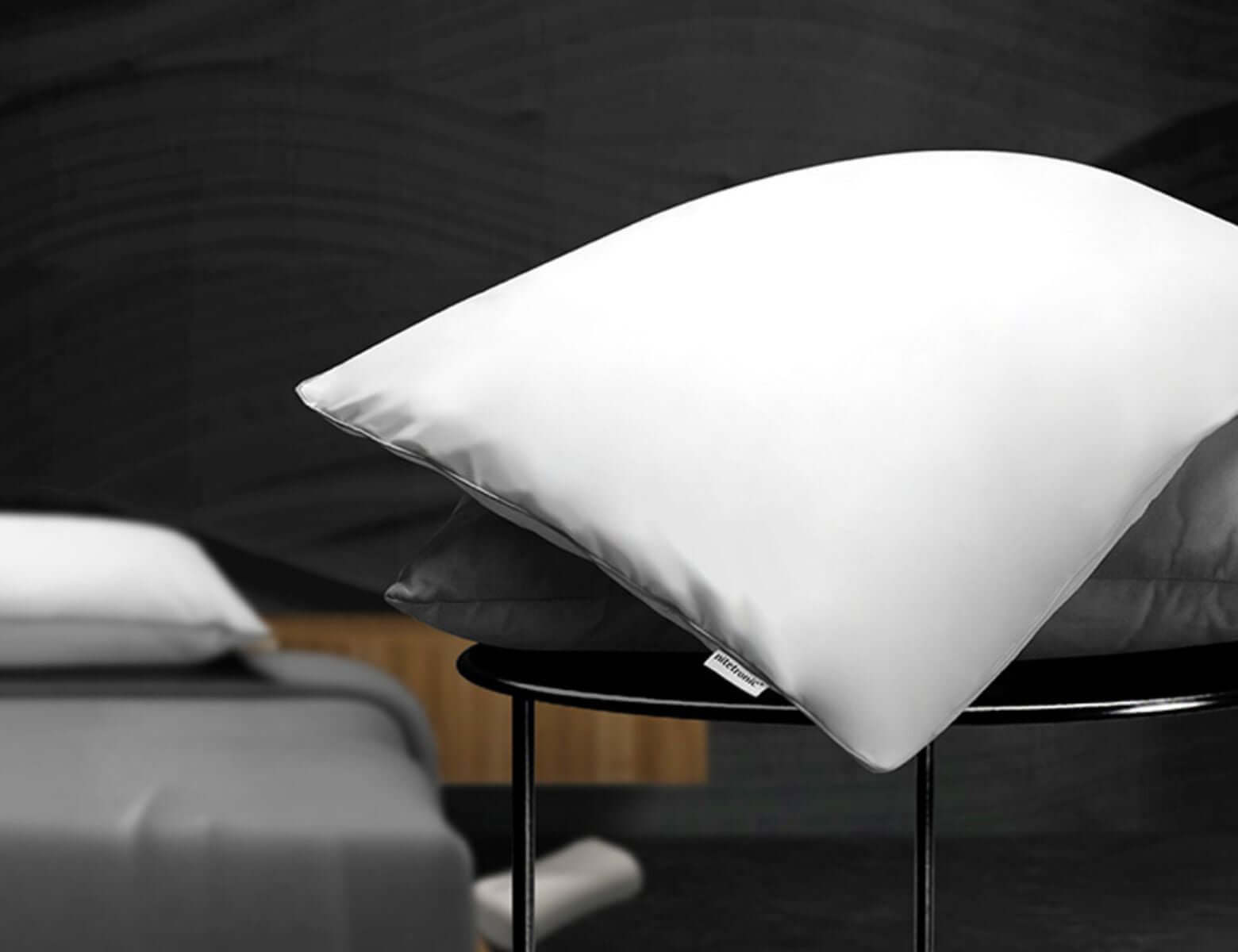


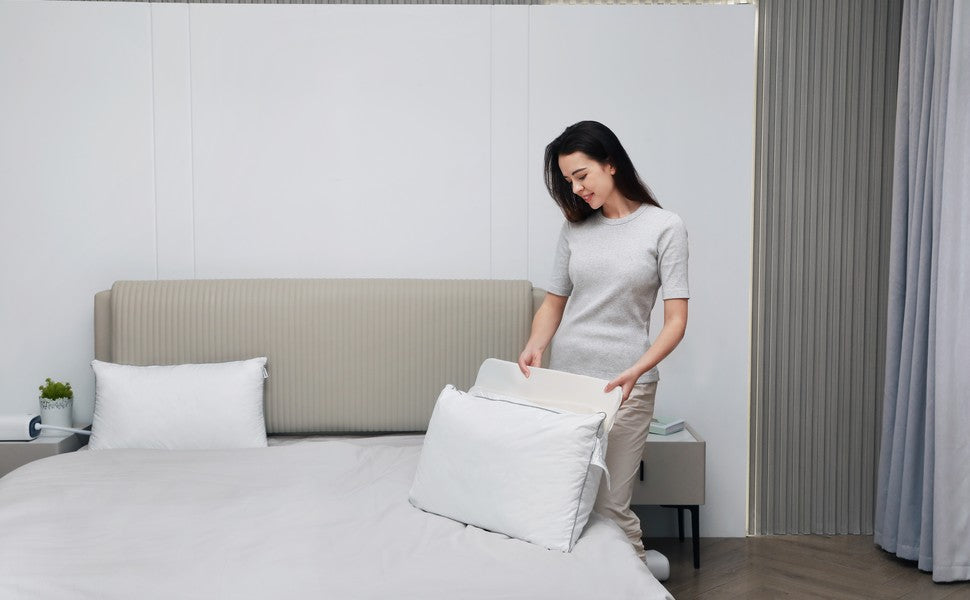
A different bed can change how a familiar pillow feels. If you plan to take a smart anti-snore pillow on a trip, think of it as both bedding and a small powered system. Check the exact model instructions before packing, and allow a few minutes to set it up in the new room. The goal is a comfortable, consistent routine—not a promise that travel-related snoring will disappear.
Before you leave: check what can travel safely
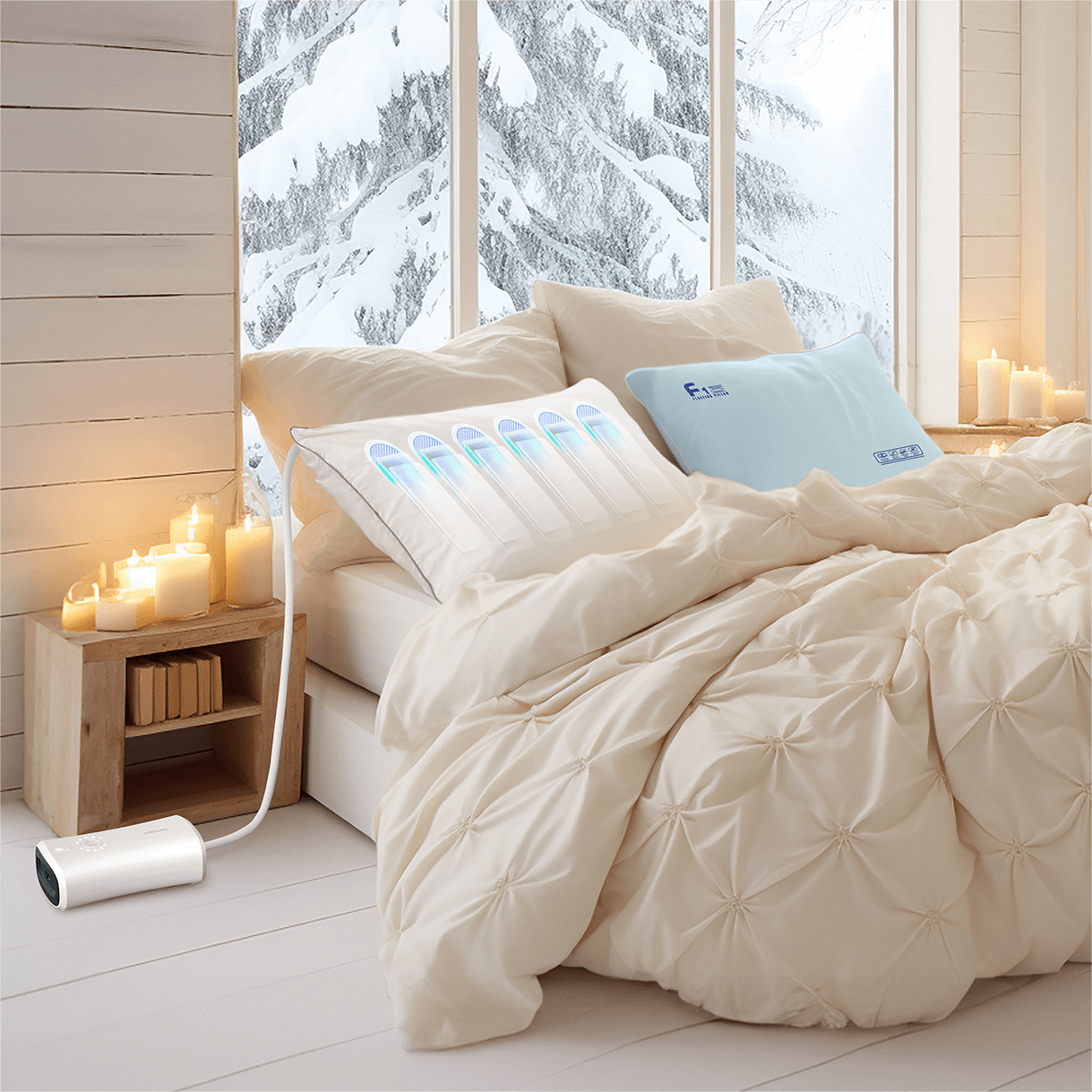
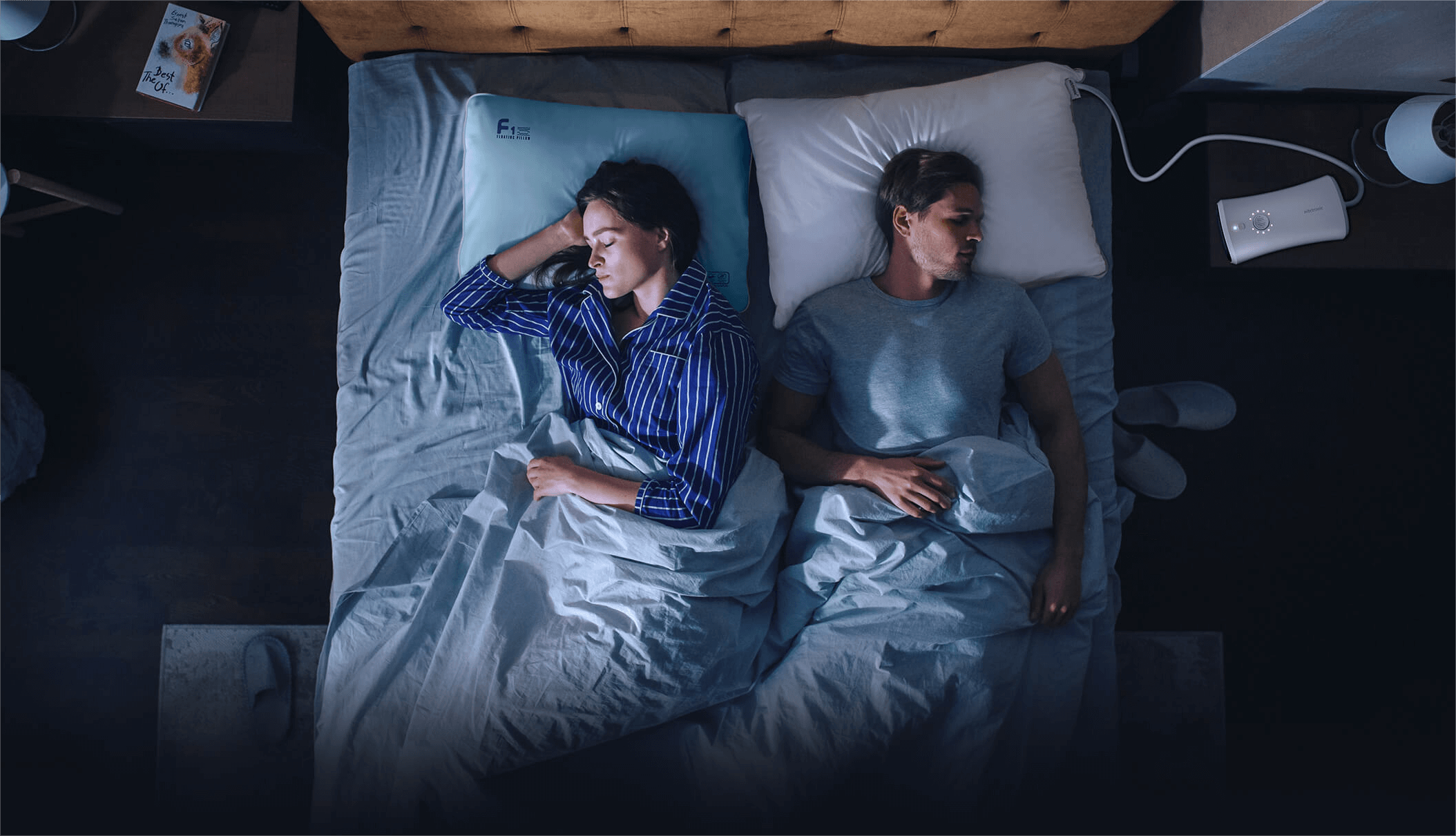
Make a short inventory from your product manual: pillow, approved power adapter, control unit, tubing or cable, and any removable cover. Some smart pillows have separate components; others do not. The Nitetronic Z6 Smart Anti-Snore Pillow, for example, has a separate control unit connected to the pillow. Pack the system according to its own instructions rather than assuming it can be compressed like an ordinary pillow.
If you are crossing borders, check the voltage and plug requirements on the supplied adapter. Do not assume that a plug-shape converter changes voltage. Ask Nitetronic support if the label or manual leaves compatibility unclear. Protect the controller and connectors from pressure and moisture, and avoid sharp folds in tubing or air chambers.
In the room: make a safe, stable setup
Put the pillow where you normally rest your head, with enough space for its cable or hose to reach the controller without stretching. Keep the controller on a stable, dry surface where it will not fall, be covered by bedding, or create a trip hazard. Use the approved adapter and follow the model's startup instructions. If anything looks damaged after travel, do not operate it until support advises you.
The hotel mattress may be firmer or softer than yours at home. Lie down in your usual position and check whether your neck feels comfortable after the pillow compresses. Reposition the pillow before changing multiple settings. Our head-position guide explains why placement matters for a responsive design.
Keep the first travel night in perspective
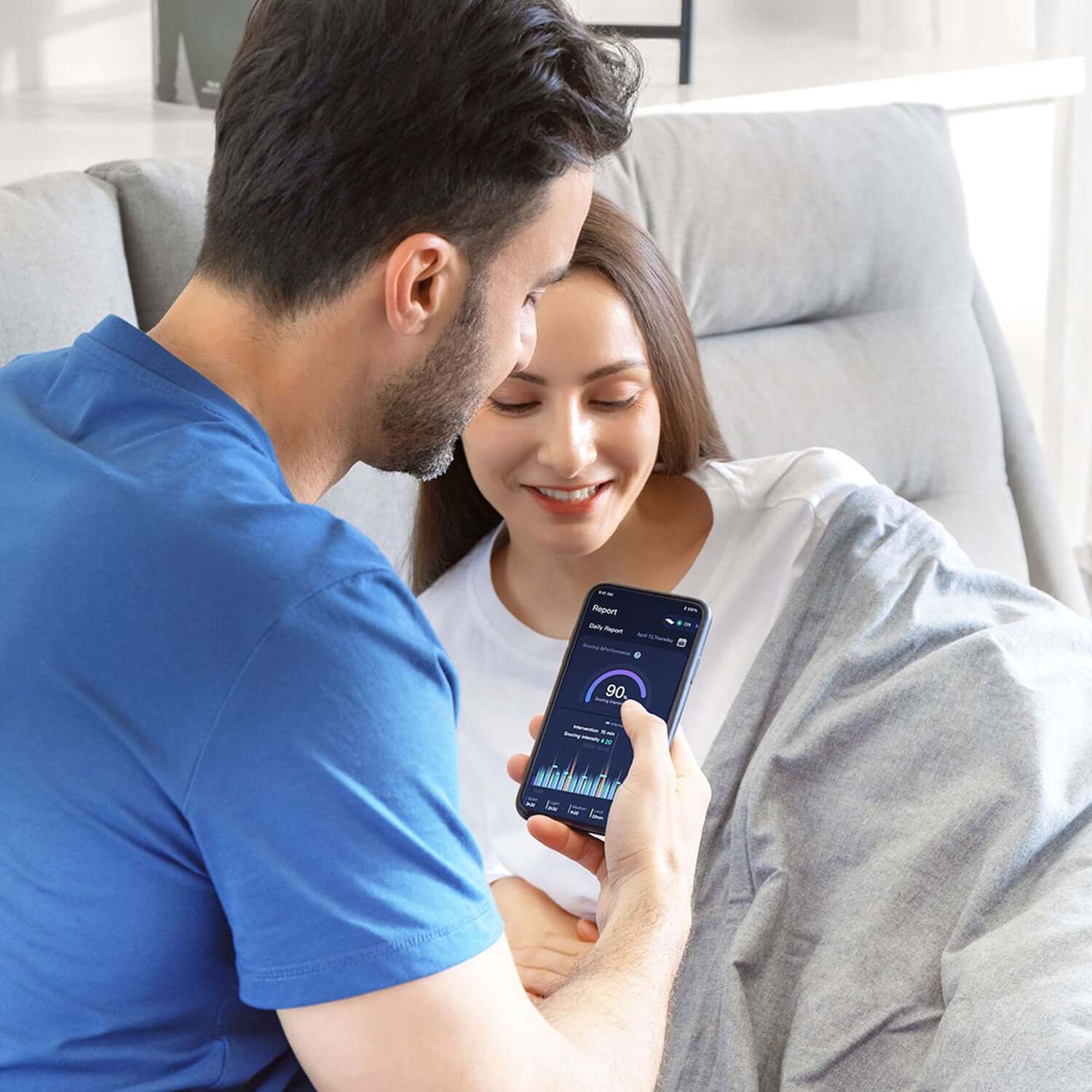
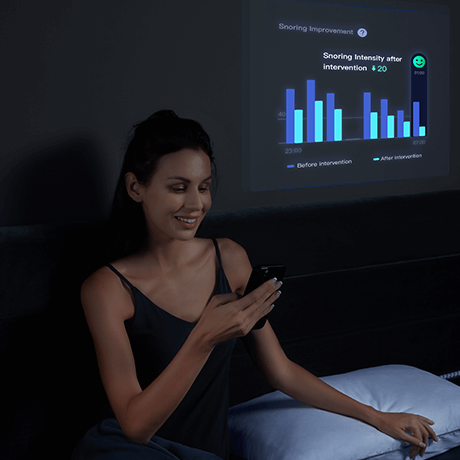
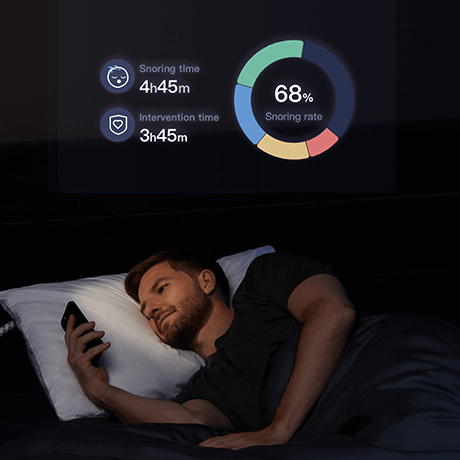
A late arrival, unfamiliar room, congestion, alcohol, or a changed sleep schedule can affect both sleep and snoring. A single app score or a partner's observation from one night should not be treated as proof that the pillow succeeded or failed. If you use a connected feature, compare several reasonably similar nights and note what changed. See our guide to why snoring varies from night to night.
If you decide not to bring the full system, do not improvise with an incompatible controller or adapter. Use another comfortable pillow for the trip and resume your usual setup at home.
When to seek medical advice
A consumer anti-snore pillow is not a sleep-apnea test or a substitute for prescribed treatment. Loud frequent snoring, witnessed breathing pauses, gasping, or significant daytime sleepiness deserve a conversation with a healthcare professional, whether you are at home or away. The National Heart, Lung, and Blood Institute describes symptoms that can warrant evaluation.
FAQ
Can I pack a smart pillow in a compressed travel bag?
Only if your exact model instructions permit it. Compression or sharp folding may stress internal components. When in doubt, use protective, uncompressed packing and ask support.
Will the pillow work in another country?
Check the voltage and frequency printed on the approved adapter and the model manual. A plug adapter alone does not guarantee electrical compatibility.
Should I judge performance after one hotel night?
No. Room conditions and travel routines can change the night. Focus first on correct setup and comfort, then look for patterns across comparable nights.
Is it safe to use a hotel extension cord?
Follow the product manual and local electrical rules. Do not use a damaged, overloaded, or poorly placed extension cord, and keep powered parts away from water and bedding.

Leave a comment
This site is protected by hCaptcha and the hCaptcha Privacy Policy and Terms of Service apply.