






A smart mattress pad can add adjustable comfort, massage, warming or sleep-tracking features without requiring a completely new mattress. But “fits over your existing bed” does not mean every pad works with every mattress, frame or sleeping arrangement.
Before buying, check the dimensions, thickness, support condition, controller placement and cleaning requirements. A few measurements can prevent a costly mismatch.
Smart Mattress Pad vs Mattress Topper
The terms overlap, but they usually signal different priorities.
A conventional mattress topper mainly changes surface feel through foam, latex, fiber or another cushioning material. A mattress pad is often thinner and may focus on protection or light comfort. A smart mattress pad adds powered or sensor-based functions such as air massage, warming, adjustable zones or sleep estimates.
Product names are not standardized. Always compare the actual dimensions and components rather than relying on the word “pad” or “topper.”
1. Measure the Usable Mattress Surface
Measure length and width across the top surface, not the bed frame. Then compare those numbers with the pad's stated dimensions.
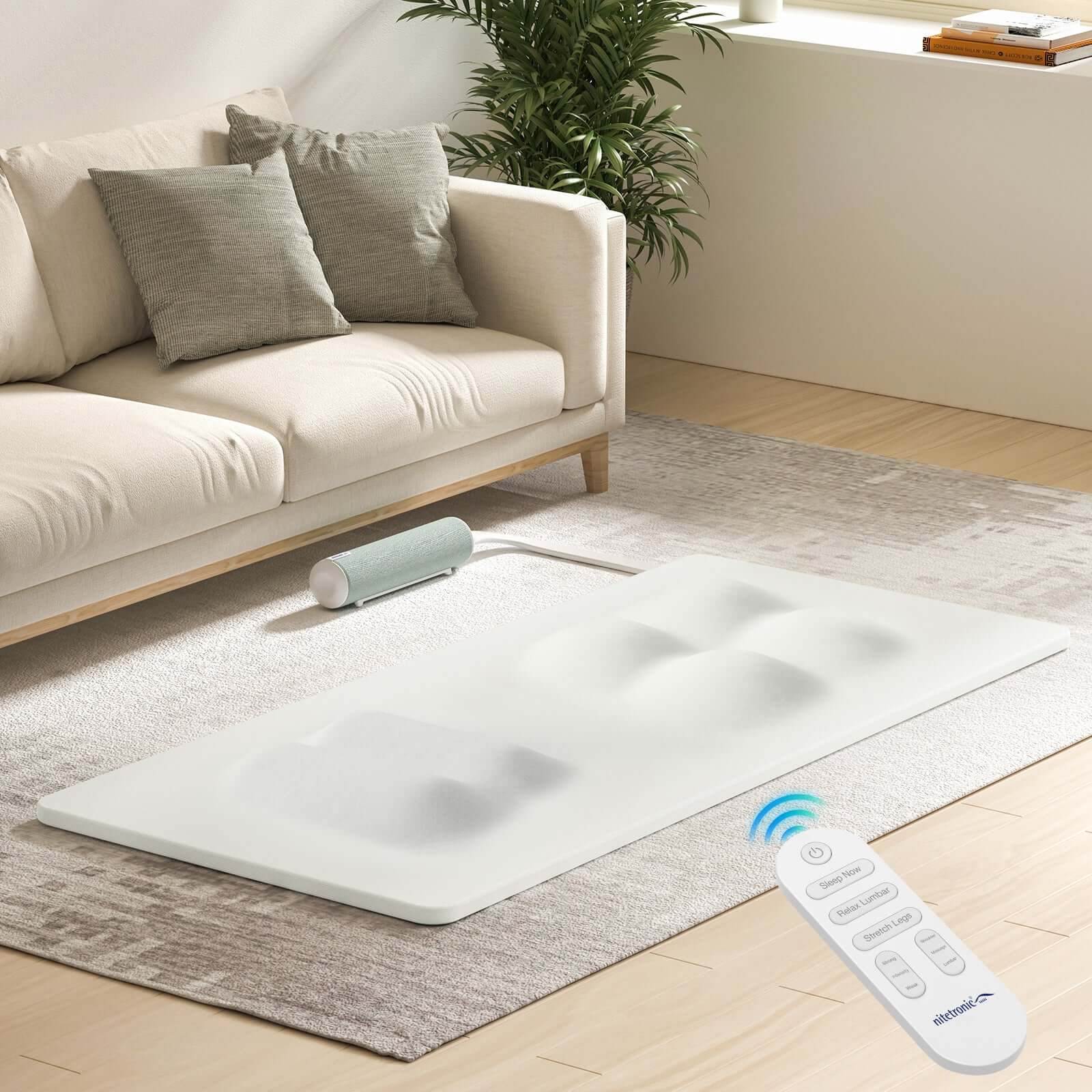
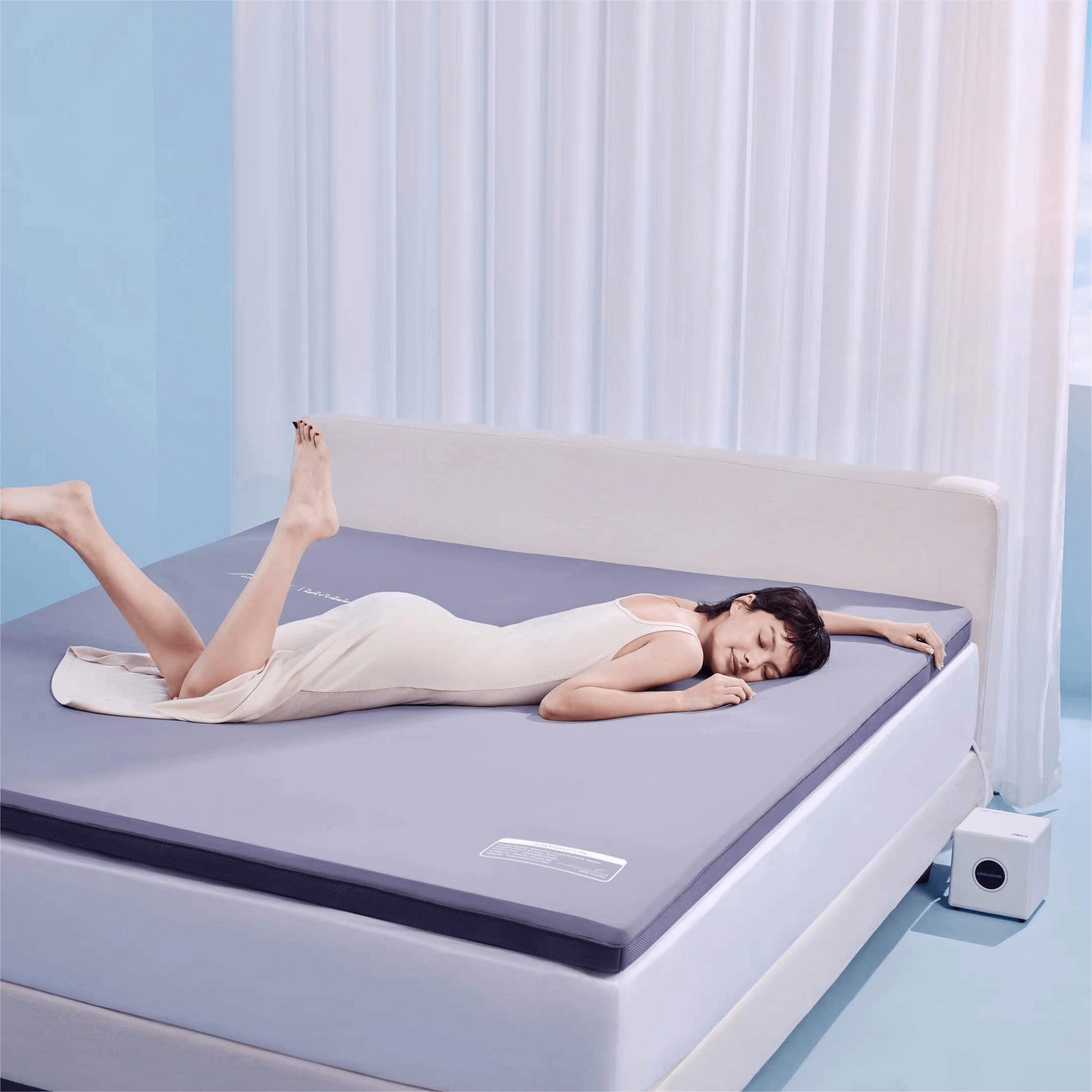
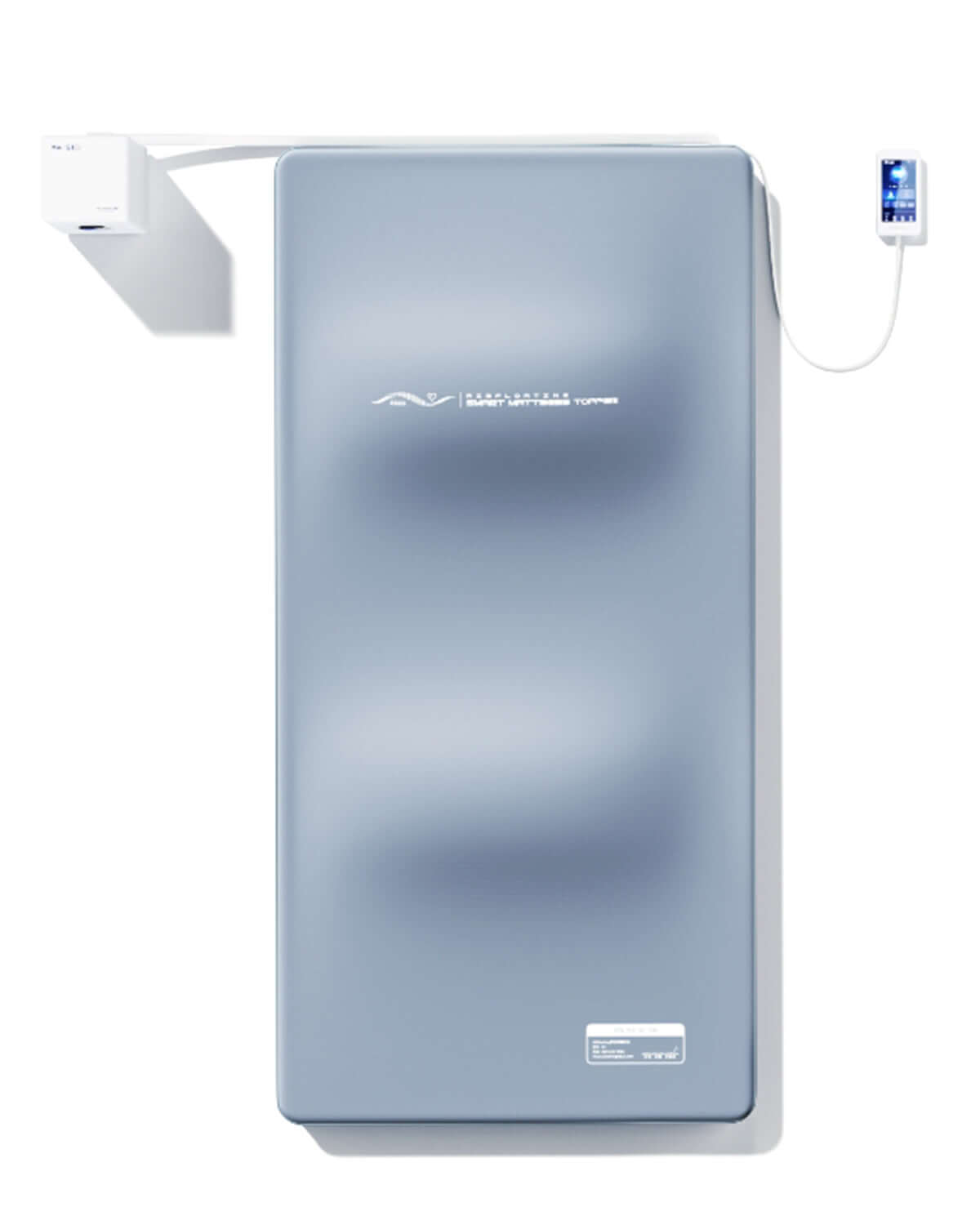
The Nitetronic G1 Smart Massage Mattress Pad is listed at approximately 78.74 by 35.43 inches, or 200 by 90 centimeters. That is a single-sleeper overlay rather than a full-width Queen or King topper. On a larger shared bed, it is intended to occupy one side.
Check whether that arrangement leaves an uncomfortable height change between partners. A fitted sheet must also accommodate both the mattress and the pad.
2. Confirm the Added Height
A smart overlay changes the total bed height and the way your body meets the mattress. The G1 is listed at 2.36 inches, or 6 centimeters, thick.
Added height may affect:
- whether fitted sheets stay secured;
- how easily you get in and out of bed;
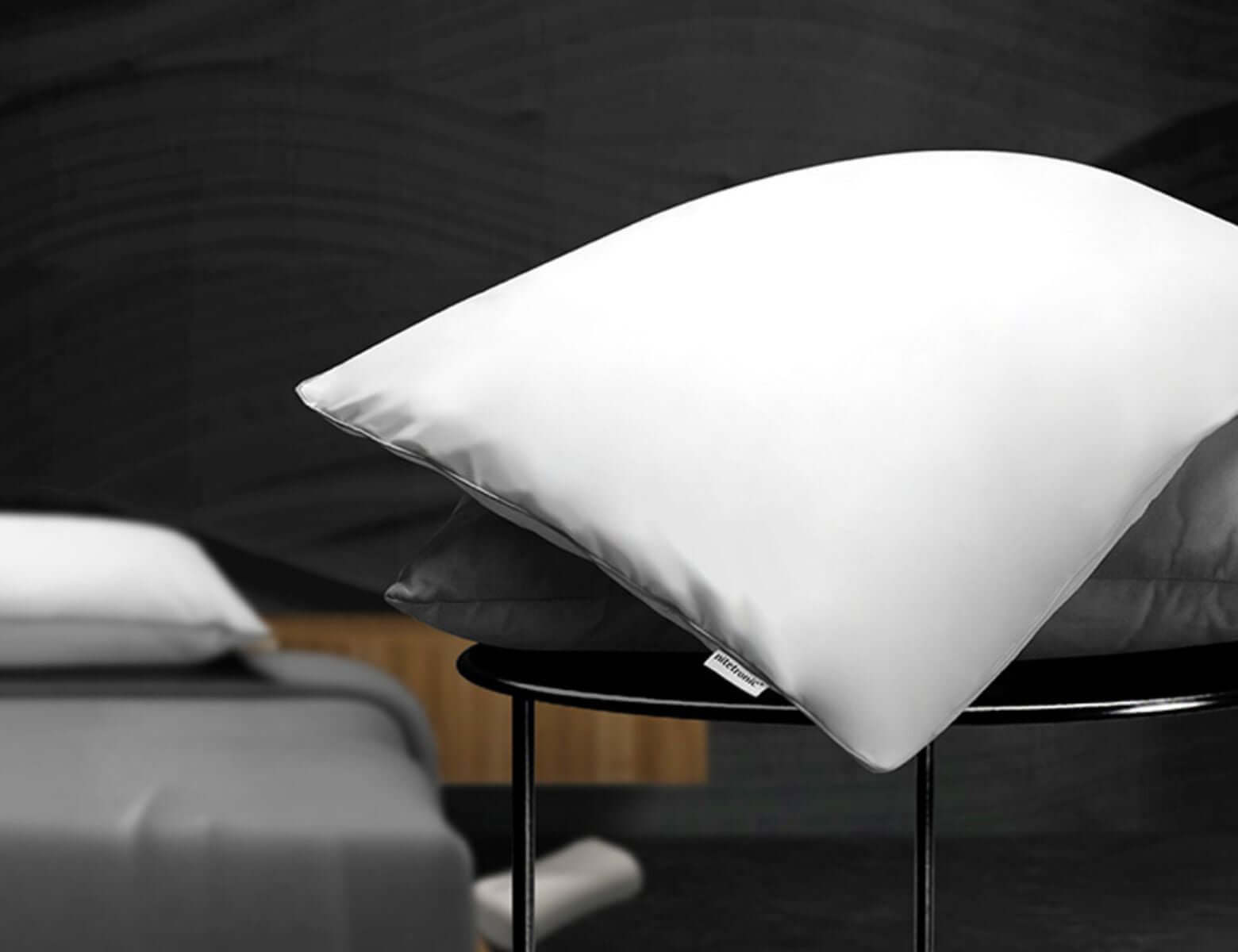
- pillow height and neck comfort;
- the feel of the mattress edge; and
- clearance around a headboard or adjustable base.
If your current pillow was selected for a lower sleep surface, reassess alignment after installing the pad.
3. Check the Mattress Underneath
A topper can change comfort, but it cannot repair a mattress with broken springs, deep permanent sagging or an unstable foundation. The underlying surface should be flat, supportive and within the mattress manufacturer's usable-life guidance.
Measure visible dips before adding an overlay. If the foundation flexes unevenly, a smart pad may follow that shape rather than correct it.
4. Review Bed-Frame Compatibility
Platform beds and standard foundations generally provide a stable surface, but adjustable bases need extra attention. Air tubes, sensor cables or heating components must not be pinched when the base bends.
Do not assume compatibility with an adjustable frame, hospital-style bed, waterbed or sofa bed unless the manufacturer explicitly permits it. Follow the supplied placement instructions and keep external components ventilated.
5. Plan for the Controller, Pump and Power
Map the setup before delivery:
- Where will the controller sit?
- Can the external pump remain upright and ventilated?
- Will tubing reach without crossing a walkway?
- Is a suitable outlet nearby?
- Can cables remain free from bed-frame hinges and moving parts?
The G1 uses an external split-type pump. Its product page states an operating noise level below 37 dB. Treat that as a manufacturer specification; perceived noise will depend on room acoustics, placement and individual sensitivity.
6. Consider Partner Comfort
A single-side pad can work well when only one partner wants its features. It can also create differences in surface height, firmness, warmth or movement.
Discuss where the controller will sit and when massage or warming functions will run. If either person is sensitive to vibration or sound, test the lowest setting first and use the trial period to assess real bedroom conditions.
7. Understand Cleaning Limits
Smart components change the cleaning routine. The G1 care instructions recommend spot cleaning with mild detergent and do not recommend machine washing or drying the pad.
Use a compatible sheet or protector, keep liquids away from controllers and follow the manual rather than applying general mattress-cleaning advice. Check how spills affect warranty coverage before purchase.
8. Separate Comfort Features from Medical Claims
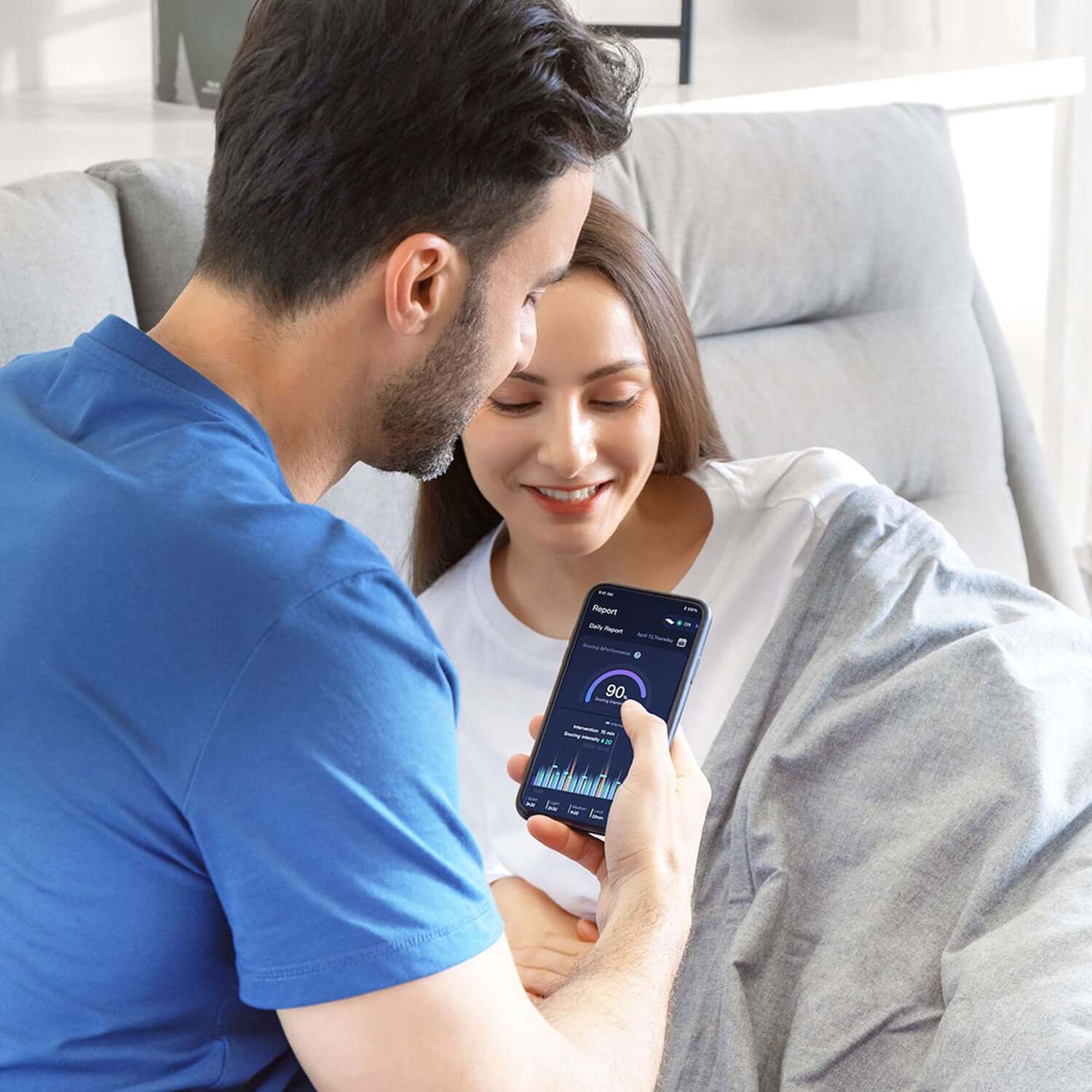
Massage, warmth and sleep summaries may support a bedtime routine, but a consumer smart pad is not automatically a medical device. Data such as estimated sleep stages, movement, heart rate or breathing should be treated as trends unless the product has specific regulatory authorization for a medical purpose.
The American Academy of Sleep Medicine states that consumer sleep technologies should not be used to diagnose or treat sleep disorders without appropriate validation and clearance. Persistent insomnia, excessive daytime sleepiness, breathing pauses, chest symptoms or concerning heart-rate readings deserve professional evaluation regardless of what an app reports.
9. Check Trial, Warranty and Return Conditions
Smart sleep products are difficult to judge from specifications alone. Before ordering, confirm:
- trial length and return shipping responsibility;
- whether opening, installing or using the product affects eligibility;
- warranty coverage for the pump, controller, air chambers and sensors;
- replacement-part availability; and
- support options if the app or controller cannot connect.
Keep the packaging until you are confident the fit, noise and controls work in your room.
Where the Nitetronic G1 Fits
The G1 is designed as a single-person overlay for an existing mattress. It combines nine air chambers, several rhythmic modes, warming, an external controller and consumer sleep-report features. It is not an anti-snoring product and should not replace medical assessment or prescribed treatment.
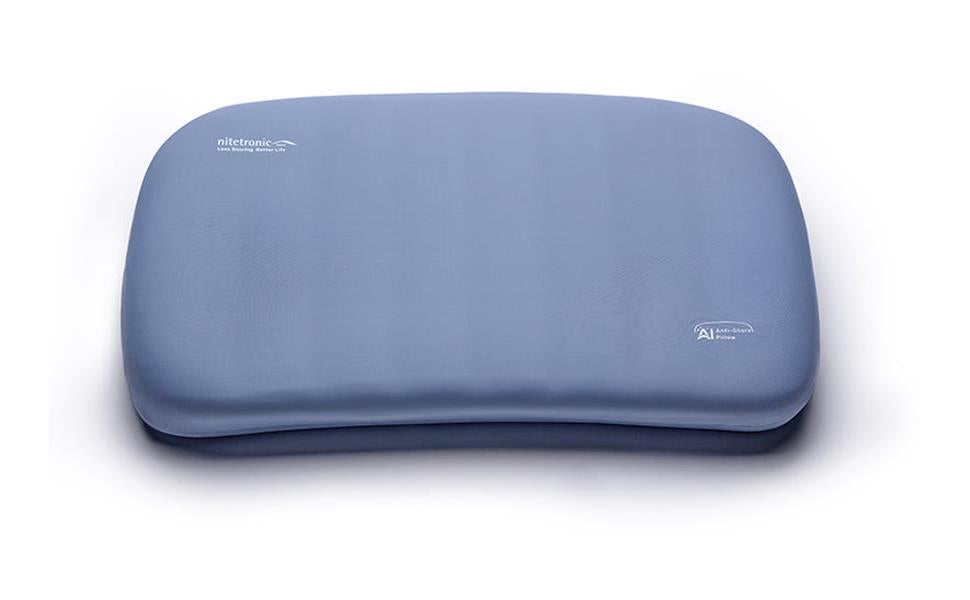
For broader comparisons, browse the Nitetronic mattress collection or review the Nitetronic pillow collection if your main goal is head and neck support rather than full-body surface features.
FAQ
Can a smart mattress pad go on a memory-foam mattress?
Often yes, if the surface is flat and the pad manufacturer allows it. Added layers can change how the foam feels and how heat moves, so confirm dimensions and test comfort during the trial period.
Can I use one on an adjustable bed?
Only when the manufacturer confirms compatibility. Moving frames can pinch tubes, wires or sensors if they are not designed for bending.
Will a mattress topper fix a sagging mattress?
No. It may temporarily change surface feel, but it cannot repair damaged support layers, broken springs or an unstable foundation.
Can sleep tracking diagnose sleep apnea?
Consumer sleep estimates cannot replace a clinical evaluation or sleep study. Seek medical advice for breathing pauses, choking, gasping or severe daytime sleepiness.
Does the G1 cover a Queen or King mattress?
Its listed dimensions are approximately 200 by 90 centimeters, so it is designed as a single-side overlay on a larger shared bed rather than a full-width Queen or King pad.
Can the G1 be machine washed?
No. The listed care guidance recommends spot cleaning and does not recommend machine washing or drying.
Final Takeaway
A smart mattress pad can upgrade one side of an existing bed, but compatibility depends on more than mattress size. Measure the usable surface, account for added height, inspect the mattress underneath and plan the controller, pump and cleaning routine. Most importantly, use consumer sleep data as a pattern-tracking tool rather than a diagnosis.

Leave a comment
This site is protected by hCaptcha and the hCaptcha Privacy Policy and Terms of Service apply.