



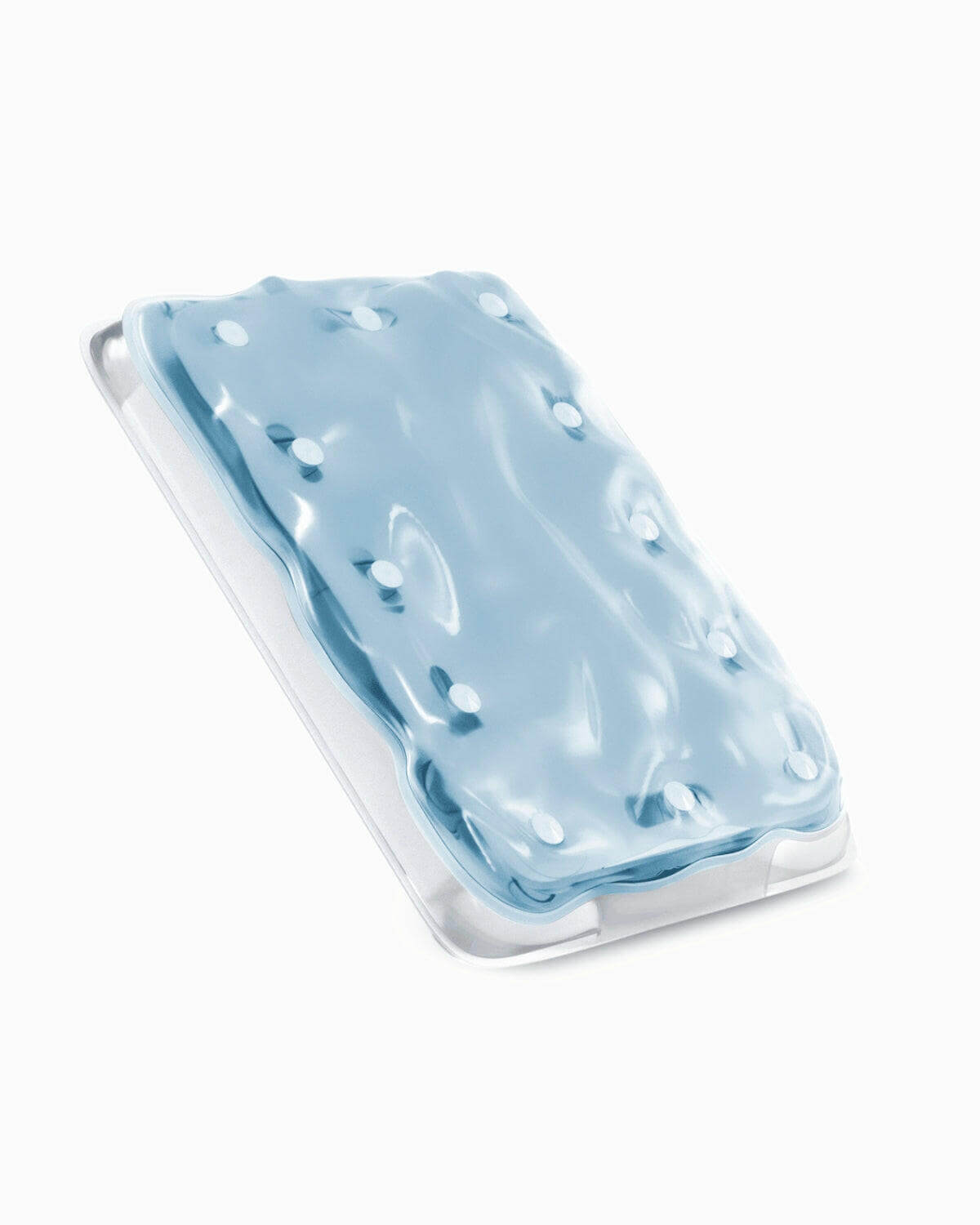
If you wake up flipping your pillow to find the cool side, you have probably seen products described as water pillows, cooling pillows, gel pillows and active cooling systems. Those labels sound similar, but the designs can work in very different ways.
A water pillow normally uses a sealed water chamber to distribute pressure and absorb some heat. A passive cooling pillow relies on breathable construction, heat-conductive materials or a cool-touch cover. An active cooling pillow uses powered airflow or circulating liquid. Understanding that difference is more useful than choosing the product with the coldest-sounding name.
Why Pillow Temperature Matters
Thermal comfort is part of the sleep environment. A review indexed by PubMed notes that skin temperature, rapid temperature changes and sweating can disturb sleep, while bedding properties help shape the thermal microclimate around the sleeper.
That does not mean a cooling pillow treats insomnia or guarantees deeper sleep. Room temperature, humidity, bedding, sleepwear and personal temperature preference still matter. A pillow changes only a small part of the environment.
Four Common Cooling Pillow Designs
1. Water-based pillows
A water pillow contains a sealed chamber that you fill to the recommended level. Water can absorb and redistribute heat while adapting to pressure from the head. Some designs also let the water volume change the feel or firmness.
Important practical questions include the filled weight, leak protection, refill instructions and water-care schedule. A water pillow is usually passive: it does not continuously chill the water below room temperature.
2. Cool-touch covers and breathable fills
These pillows use fabrics or structures intended to feel cool on first contact and move moisture or heat away from the skin. They are generally light, quiet and require no electricity.
The initial cool sensation may become less noticeable as the material reaches body temperature. Breathability can still improve comfort, but “cool to the touch” should not be interpreted as active refrigeration.
3. Gel-infused foam
Gel layers or particles are often added to foam to change how quickly heat spreads through the material. Performance depends on the amount and placement of gel, the foam structure, the cover and room conditions.
Like other passive materials, gel does not create cold. It can delay heat buildup, but it eventually approaches the surrounding temperature.
4. Powered air or liquid systems
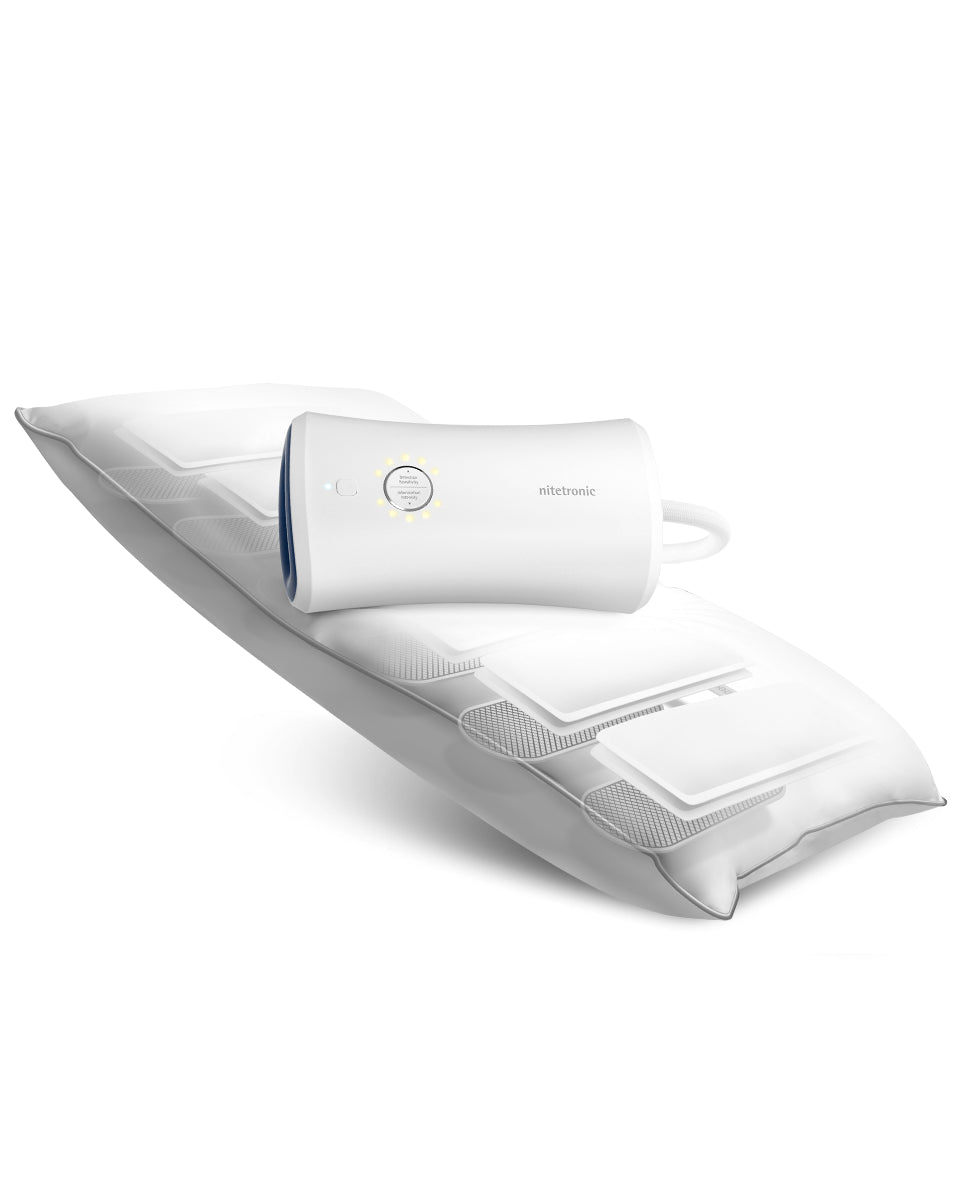
An active cooling pillow or pad uses electricity to move air or circulate temperature-controlled liquid. This can provide more sustained temperature management, but it also introduces a control unit, tubing, possible operating noise, energy use and additional cleaning requirements.
Before buying, check whether the advertised system actually includes powered cooling. Some “air” pillows use an air chamber only for height adjustment, not continuous airflow.
Water Pillow vs Active Cooling System
The right choice depends on what you expect the product to do.
- Cooling method: a water pillow passively absorbs and redistributes heat; a powered system actively moves air or liquid.
- Temperature control: passive products usually have no thermostat; powered systems may offer adjustable settings.
- Noise: water pillows are normally silent, while pumps and fans may be audible.
- Weight: water adds substantial filled weight; powered systems add hardware and tubing.
- Maintenance: water chambers require filling and periodic care; powered systems may require cleaning reservoirs, filters or tubing.
- Portability: passive pillows need no outlet, though a filled water pillow may be heavy. Powered systems are less convenient for travel.
- Cost: passive designs are generally simpler; active temperature-control systems often cost more.
How the Nitetronic F1 Fits
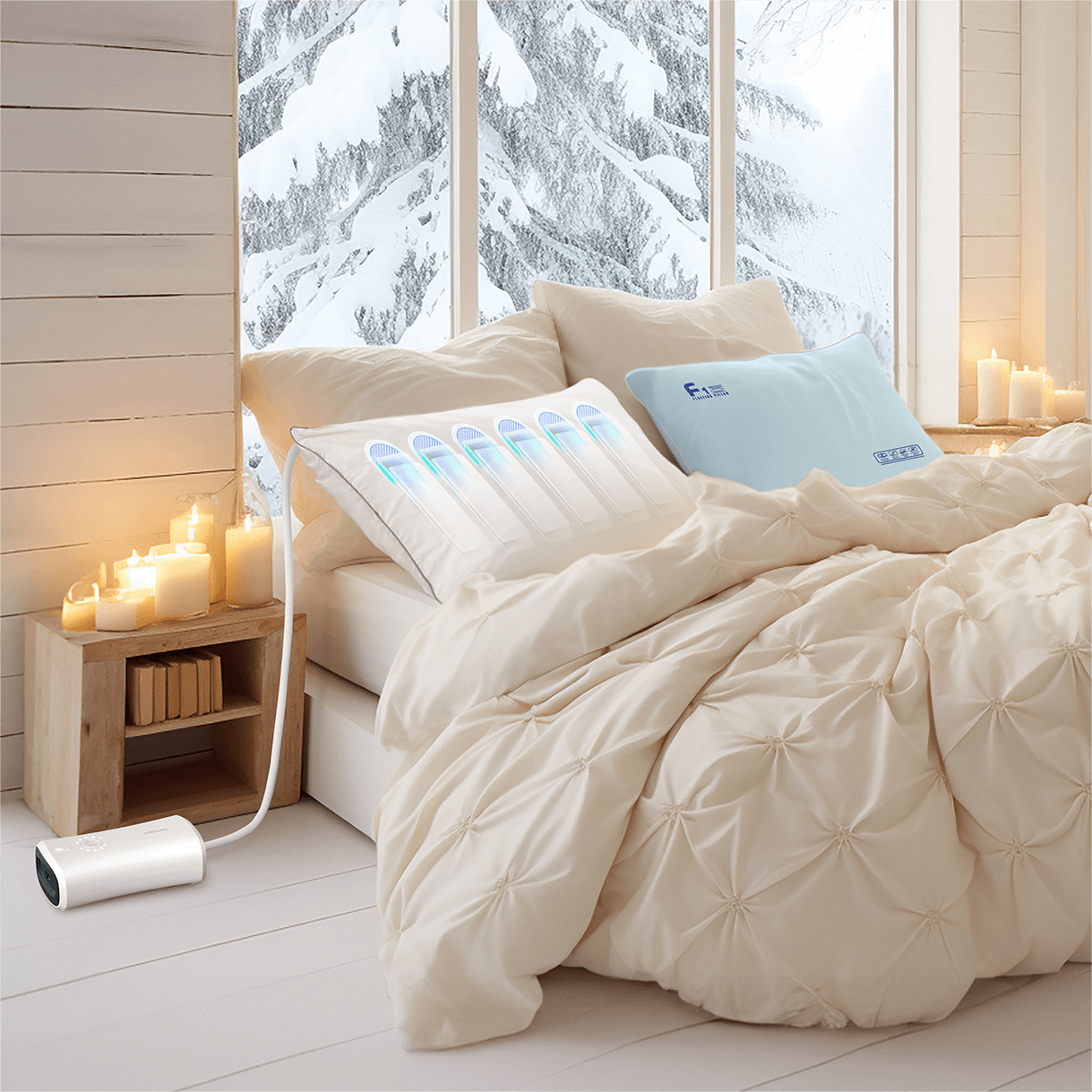
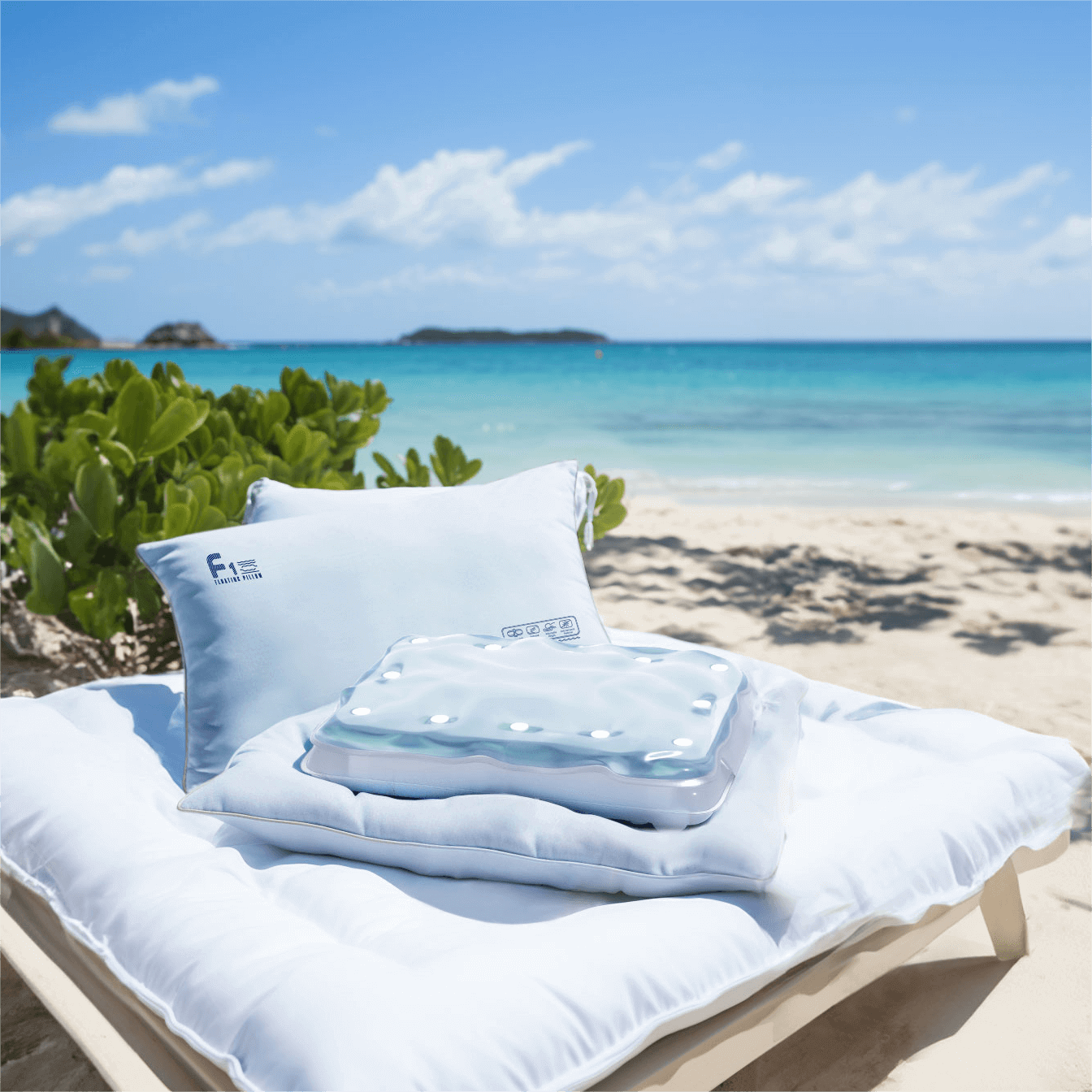
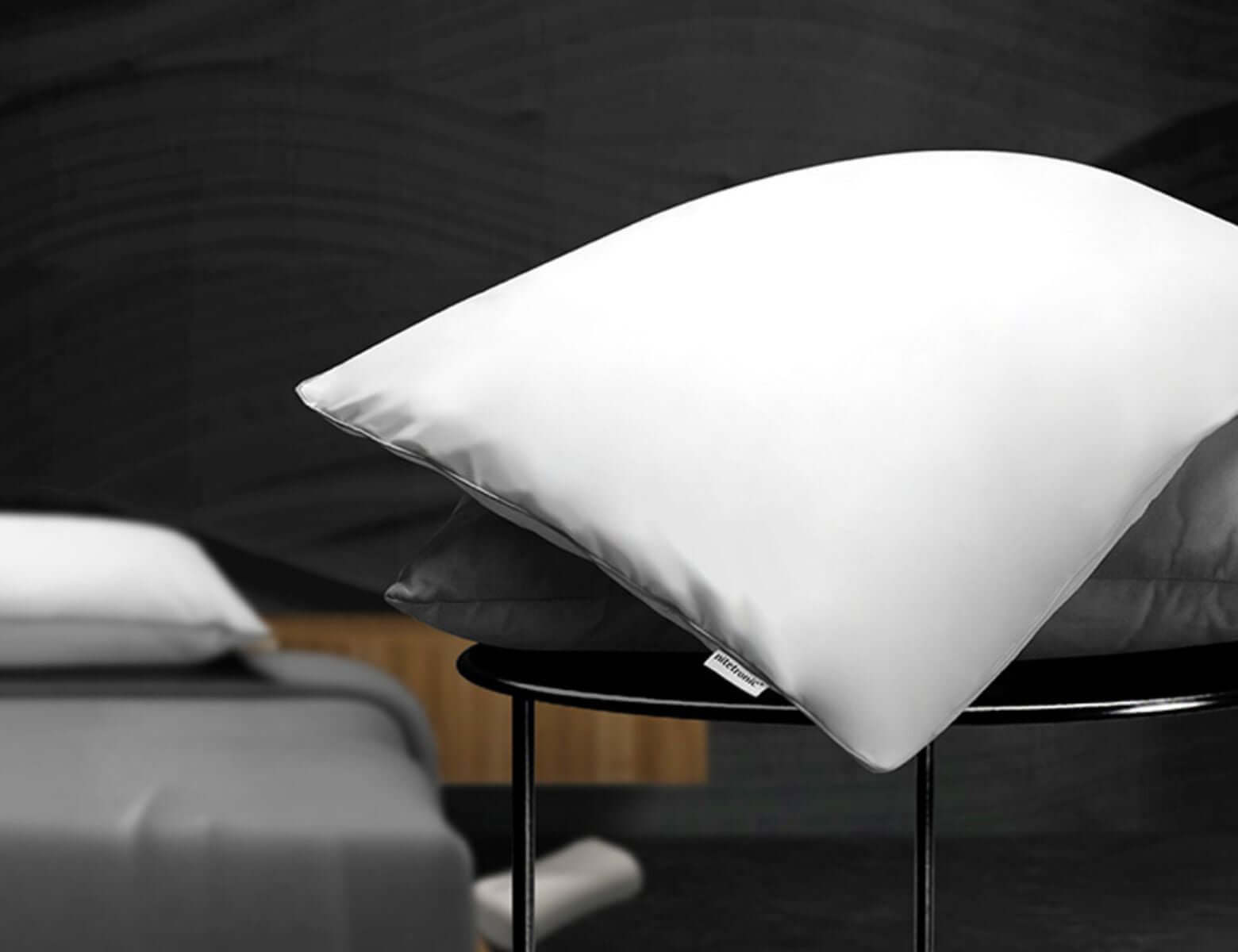
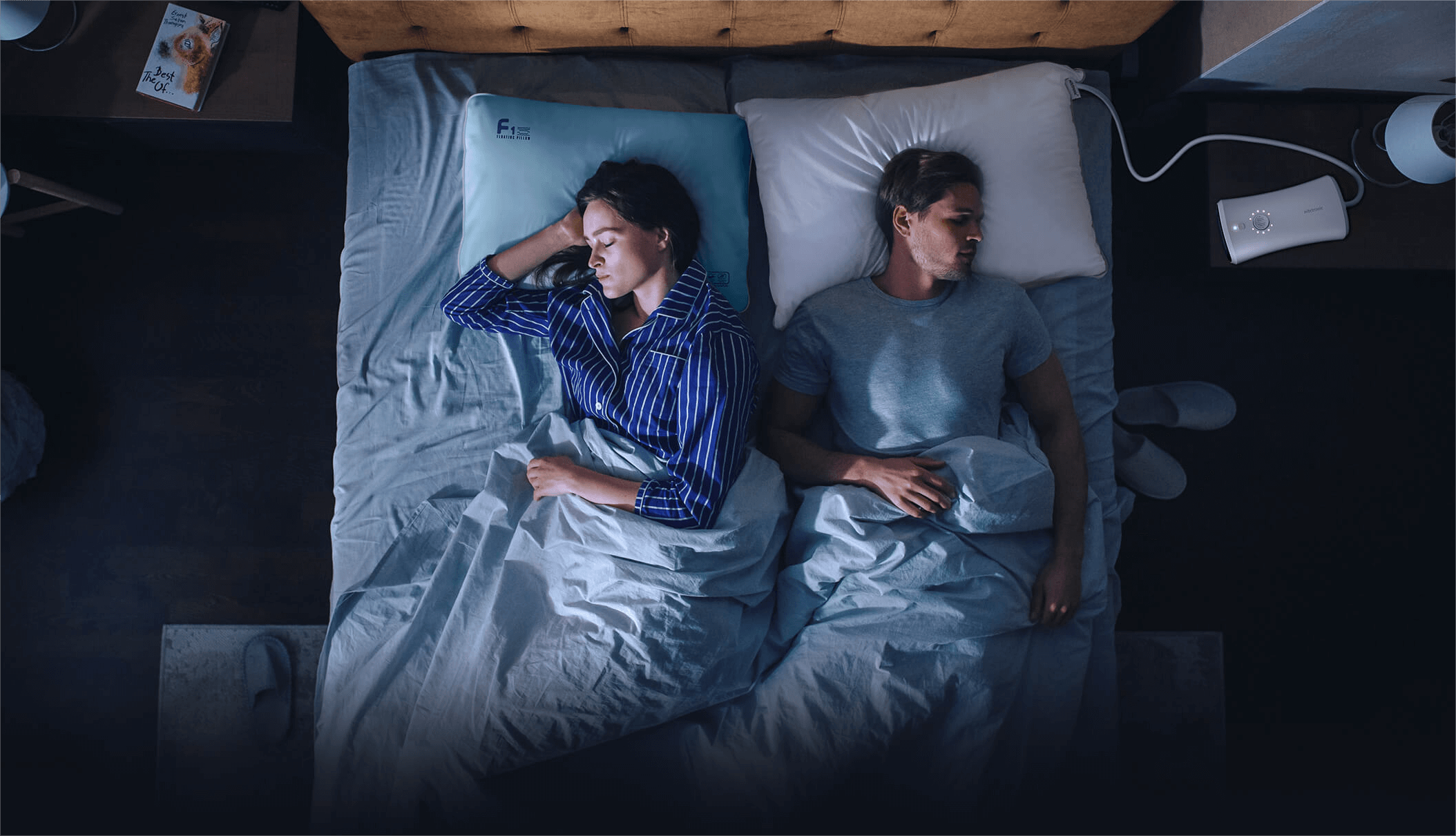
The Nitetronic F1 Floating Pillow combines a water chamber with a separate air-adjustment system. Water volume changes support and firmness, while the integrated air pump adjusts pillow height. It does not use an electric chiller or continuously circulate refrigerated water.
According to the product specifications, the F1 measures 24 by 16 inches and uses a polyurethane foam structure with a nylon-spandex cover. The recommended water range is 6 to 7 liters, so buyers should account for the filled weight and follow the supplied setup and care instructions.
The product page reports a two-degree surface-temperature reduction in its experiment. Treat that as a product-specific test result, not a promise that every bedroom, sleeper or night will produce the same change.
You can also browse the floating pillow collection or compare other Nitetronic pillows before deciding which construction best fits your needs.
Seven Checks Before You Buy
1. Define what “cooling” means to you
Do you want a cooler first touch, less moisture buildup or controlled temperature all night? Each goal points to a different design.
2. Confirm whether it is passive or powered
Look for a fan, chiller, circulation pump or thermostat. If none is present, expect passive heat management rather than active cooling.
3. Check filled weight
One liter of water weighs about one kilogram, before adding the pillow itself. Make sure the pillow is practical to fill, position and move.
4. Review maintenance
Read the manufacturer's instructions for water treatment, draining, cleaning and storage. Do not add chemicals or tablets unless the product instructions specify them.
5. Match loft to your sleep position
Cooling will not compensate for an uncomfortable height. Side sleepers often need more loft than stomach sleepers, but shoulder width and mattress firmness also matter.
6. Check noise and bedside space
Powered systems may add fan or pump noise and require room for a control unit. Passive designs avoid those issues.
7. Read the trial and warranty terms
A home trial is useful because temperature feel and pillow comfort are highly personal. Confirm what happens if the product has been filled with water before assuming it can be returned.
FAQ
Is a water pillow the same as a water-cooled pillow?
Not always. A water pillow may use stationary water for passive heat absorption and support. “Water-cooled” can also describe an active system that circulates temperature-controlled liquid, so check the actual mechanism.
Does a water pillow stay cold all night?
It does not generate cold. Water can absorb and redistribute heat, but its temperature gradually changes with the sleeper and room.
Does the F1 need electricity?
The F1 uses water for adjustable support and an air pump for height adjustment; it is not an electric refrigeration system. Follow the product manual for setup.
Are cooling pillows medical treatments?
No. They are comfort products and should not be presented as treatments for insomnia, hot flashes or another medical condition.
Can I put ice water in a water pillow?
Use only the temperature range and filling method allowed by the manufacturer. Extremely cold water can cause condensation and may damage materials or create discomfort.
Final Takeaway
“Cooling pillow” is a broad category, not one technology. Water chambers, cooling fabrics, gel foam and powered circulation each offer different levels of temperature control, maintenance and complexity. Start by deciding whether you want passive comfort or active temperature regulation, then compare filled weight, noise, loft and care requirements. That approach produces a better match than relying on a product name alone.

Leave a comment
This site is protected by hCaptcha and the hCaptcha Privacy Policy and Terms of Service apply.