



An anti-snore pillow is not an instant, universal fix. If you still hear snoring after the first few nights, it is worth checking the setup and your sleep conditions before deciding what the result means. This guide offers a simple, repeatable way to investigate. A pillow is a consumer sleep aid, not a way to diagnose or treat sleep apnea.
Start with the question you are actually testing
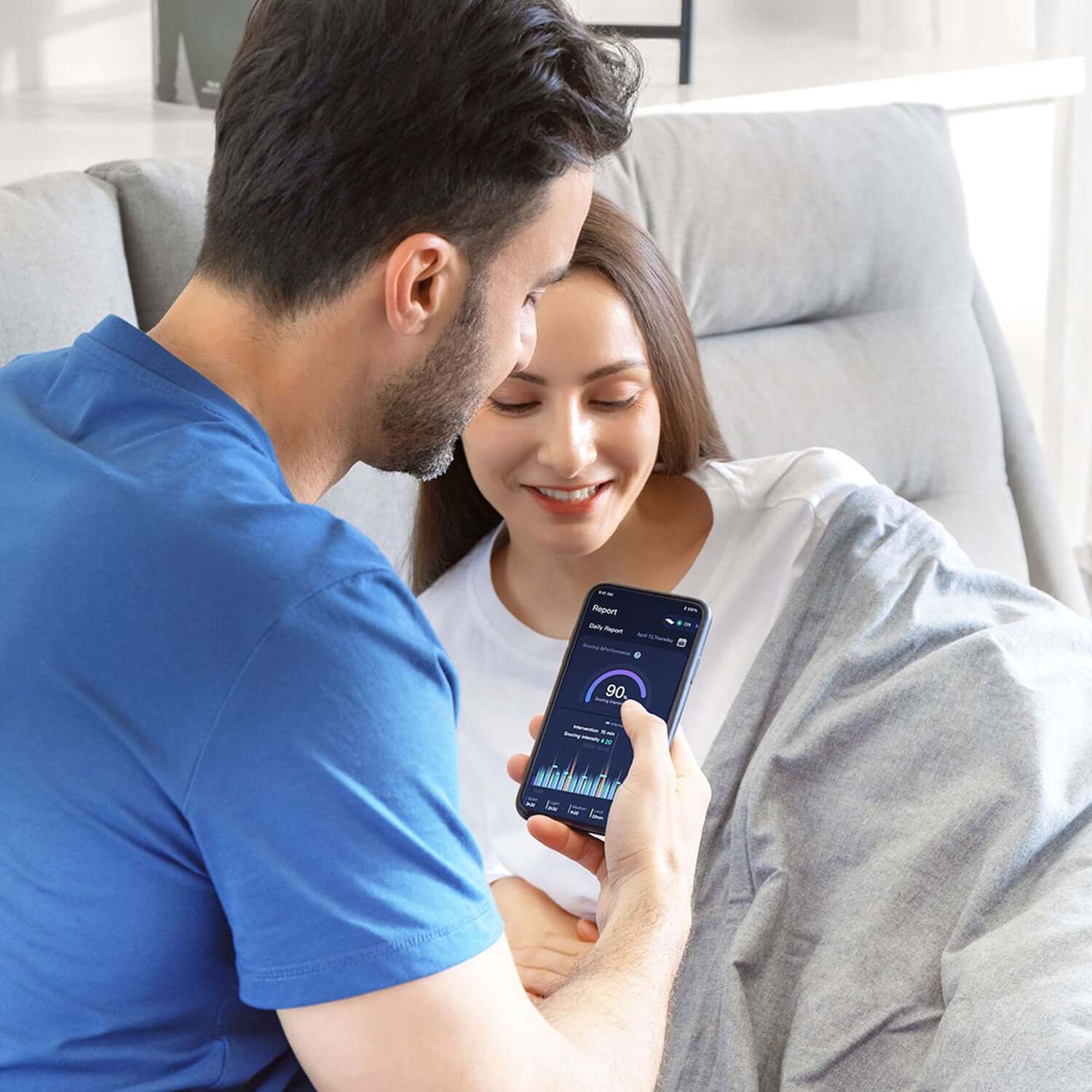
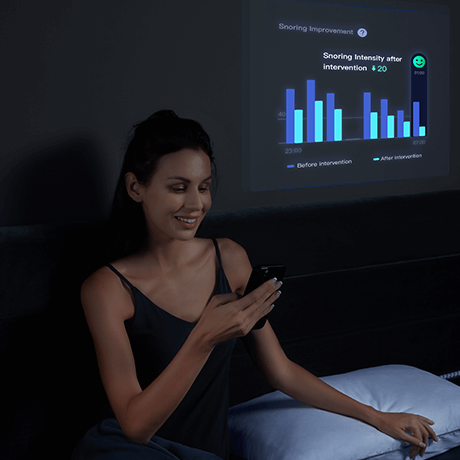
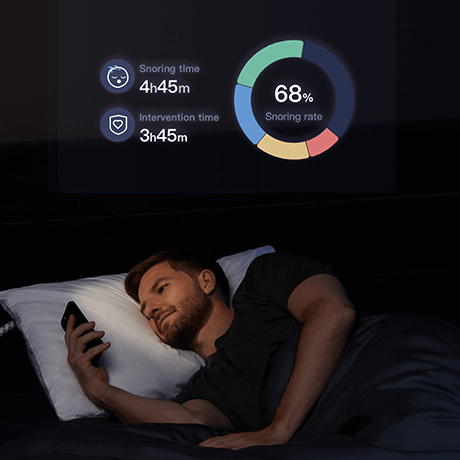
Are you trying to reduce how often snoring occurs, how loud it sounds, or how much it disturbs a partner? These are different outcomes. Write down one or two observations each morning for a week. A partner's note, a consistent recording setup, or an app log may help you compare nights, but none is a medical diagnosis. Avoid judging the pillow by one unusually good or bad night.
Check the pillow's position before changing settings
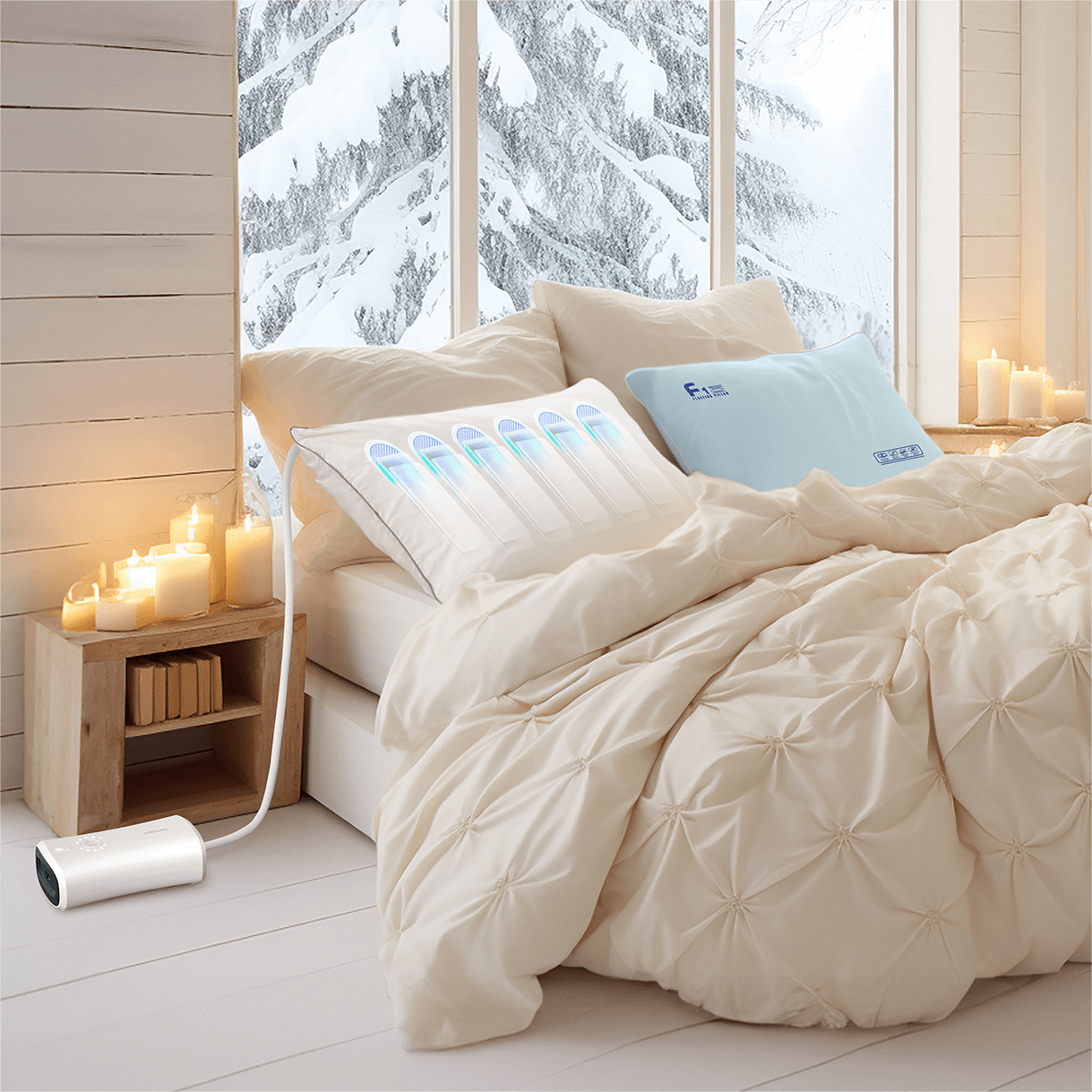
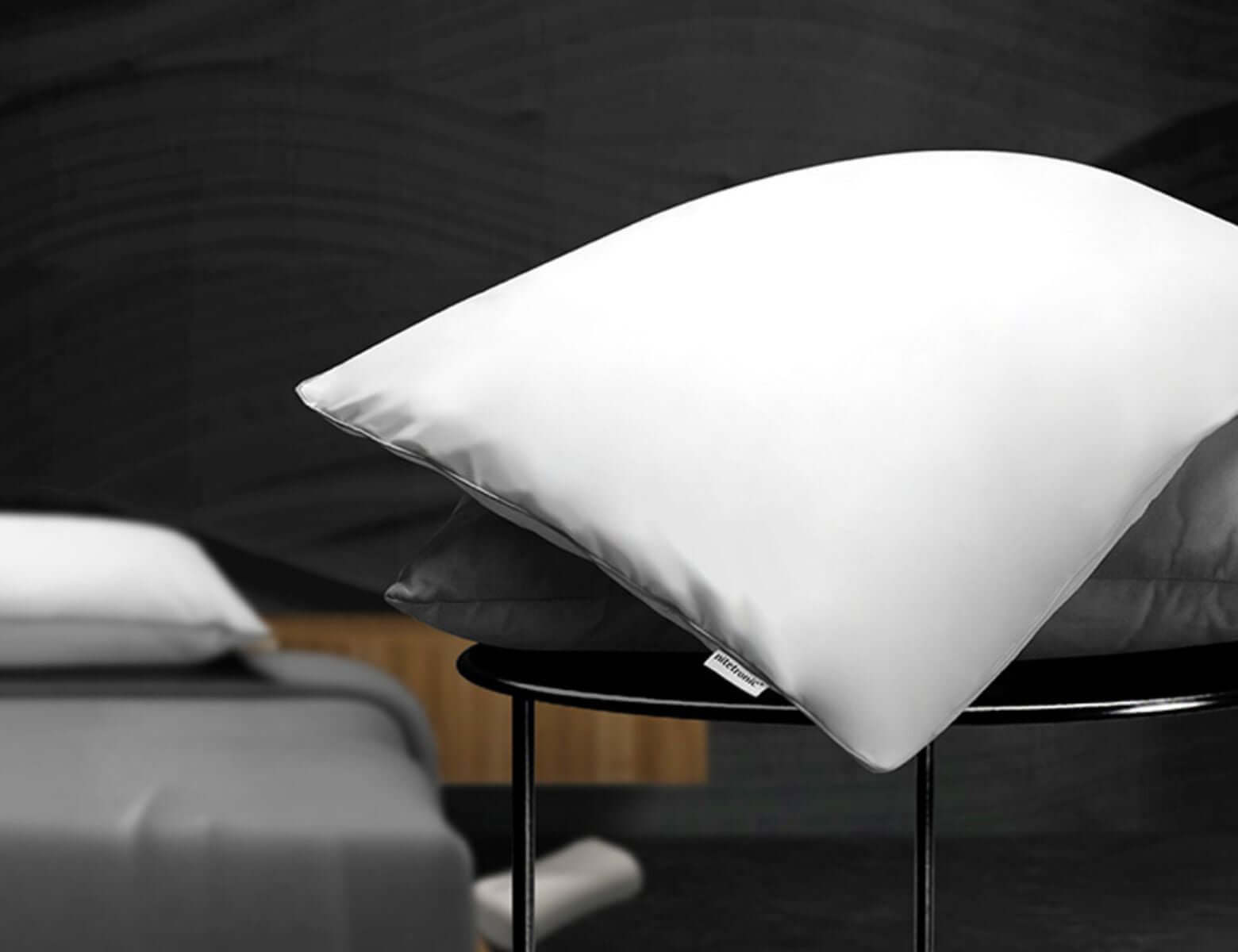
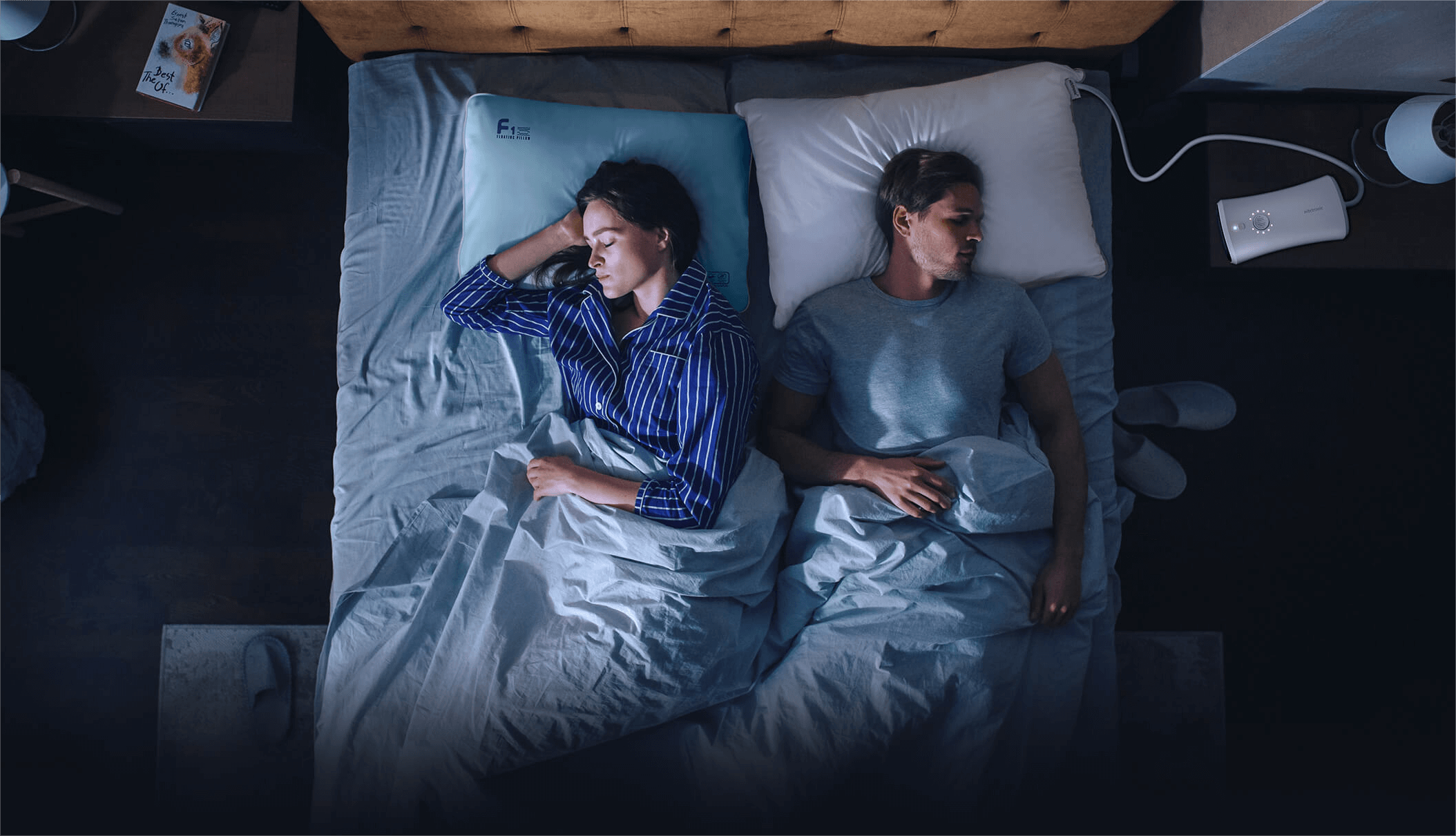
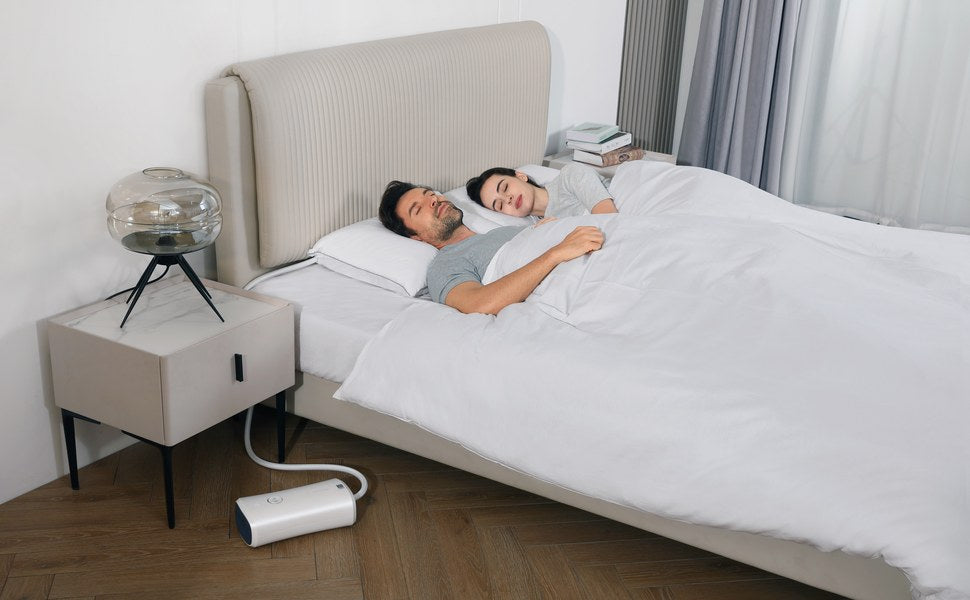
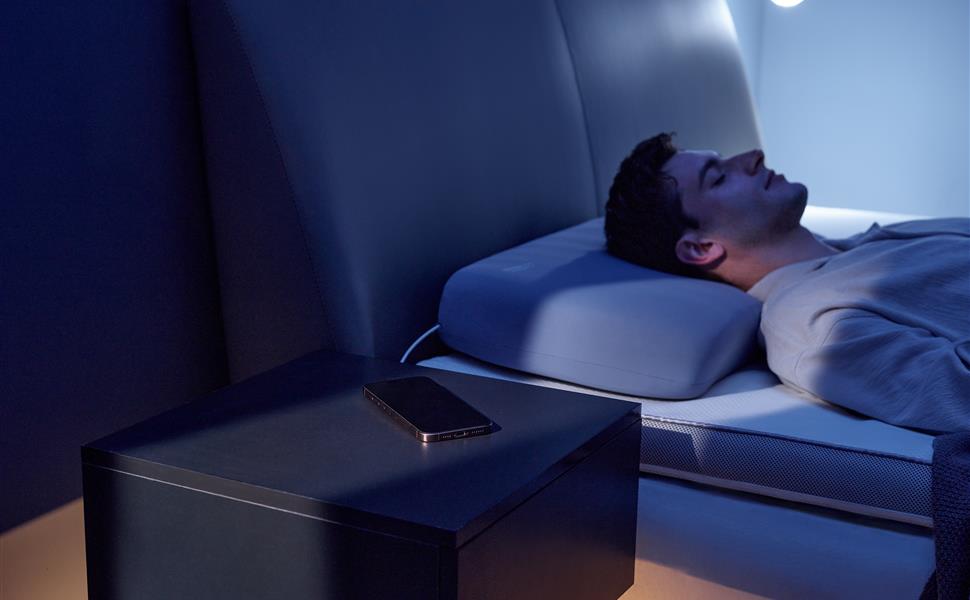
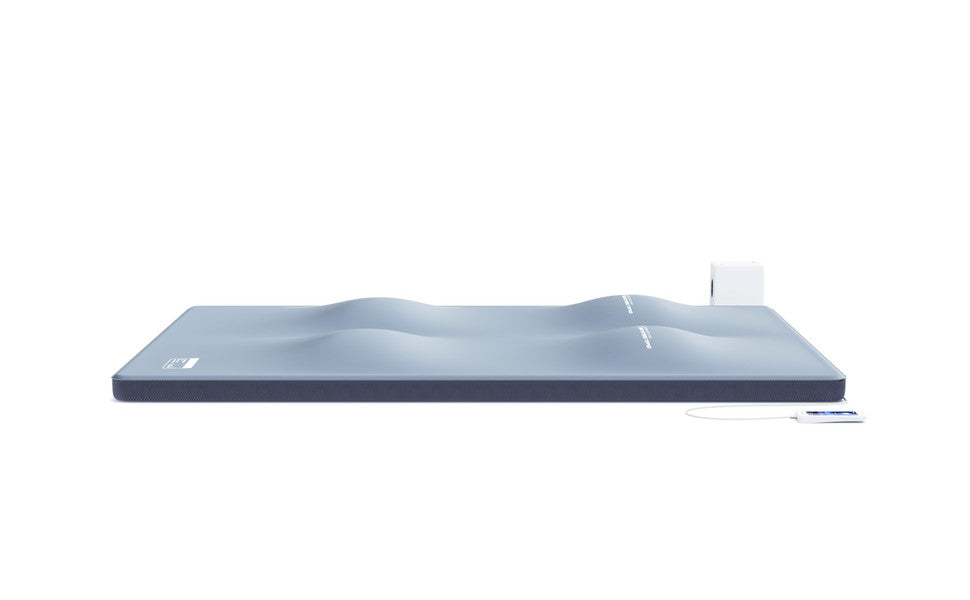
Your head should rest in the intended area, not on an edge or on top of several extra pillows. A shifted pillow or an overly thick pillowcase can change how a smart pillow feels and responds. Make sure the pillow has room to move as designed, any connecting tube is not pinched, and the control unit is on a stable surface. Follow the instructions for your particular model rather than assuming all smart pillows have the same setup.
For a visual reference, see the Nitetronic Z6 Smart Anti-Snore Pillow product page. If you are setting up a smart pillow for the first time, our bedside setup checklist covers the essentials.
Give the fit a few nights
Comfort and pillow height matter. If your neck feels strained or you keep sliding away from the center, that is useful feedback. Adjust only the options the manufacturer provides, then give each change several nights before evaluating it. Changing height, sensitivity, bedtime habits, and bedding all at once makes it hard to tell what helped.
Look at factors outside the pillow
Snoring can vary with congestion, alcohol close to bedtime, sleep position, fatigue, and other factors. Note anything unusual on the nights that seem worse. This does not mean you should self-diagnose the cause; it simply helps you avoid crediting or blaming the pillow for every change. Our guide to why snoring changes from night to night explains how to keep comparisons fair.
Use a one-change-at-a-time test
Try this short checklist for seven nights:
- Keep the same pillowcase and general sleep setup.
- Confirm the pillow and control unit are positioned correctly each night.
- Record whether snoring was noticed, how disruptive it seemed, and whether the pillow felt comfortable.
- Note major changes such as congestion or a later-than-usual bedtime.
- If your model offers an appropriate comfort or sensitivity adjustment, change only one setting and record the date.
The goal is not to produce a clinical score. It is to notice a useful pattern without overinterpreting a single night. For a longer comparison, see our 14-night pillow test guide.
Know when a pillow is not the next step
If someone notices breathing pauses, gasping, choking, marked daytime sleepiness, or persistent loud snoring, speak with a qualified healthcare professional. Sleep apnea cannot be confirmed or ruled out by a pillow, phone recording, or snoring score. A clinician can advise on appropriate evaluation and treatment.
Frequently asked questions
Should I expect an anti-snore pillow to stop snoring completely?
No. Individual results vary, and the pillow should not be treated as a guaranteed cure. Focus on comfort and a consistent, realistic comparison over multiple nights.
How long should I test a smart pillow?
Allow several nights to understand fit and setup. A one- to two-week log is more informative than one night, provided you are comfortable using the pillow. Follow the product's own instructions and return or trial terms.
Can I use a snoring app to prove the pillow works?
An app can help you track trends if your recording conditions are consistent. It does not prove a medical outcome or replace professional assessment.
What if I suspect sleep apnea?
Contact a healthcare professional for advice. Do not rely on an anti-snore pillow as a substitute for diagnosis or prescribed care.

Leave a comment
This site is protected by hCaptcha and the hCaptcha Privacy Policy and Terms of Service apply.