


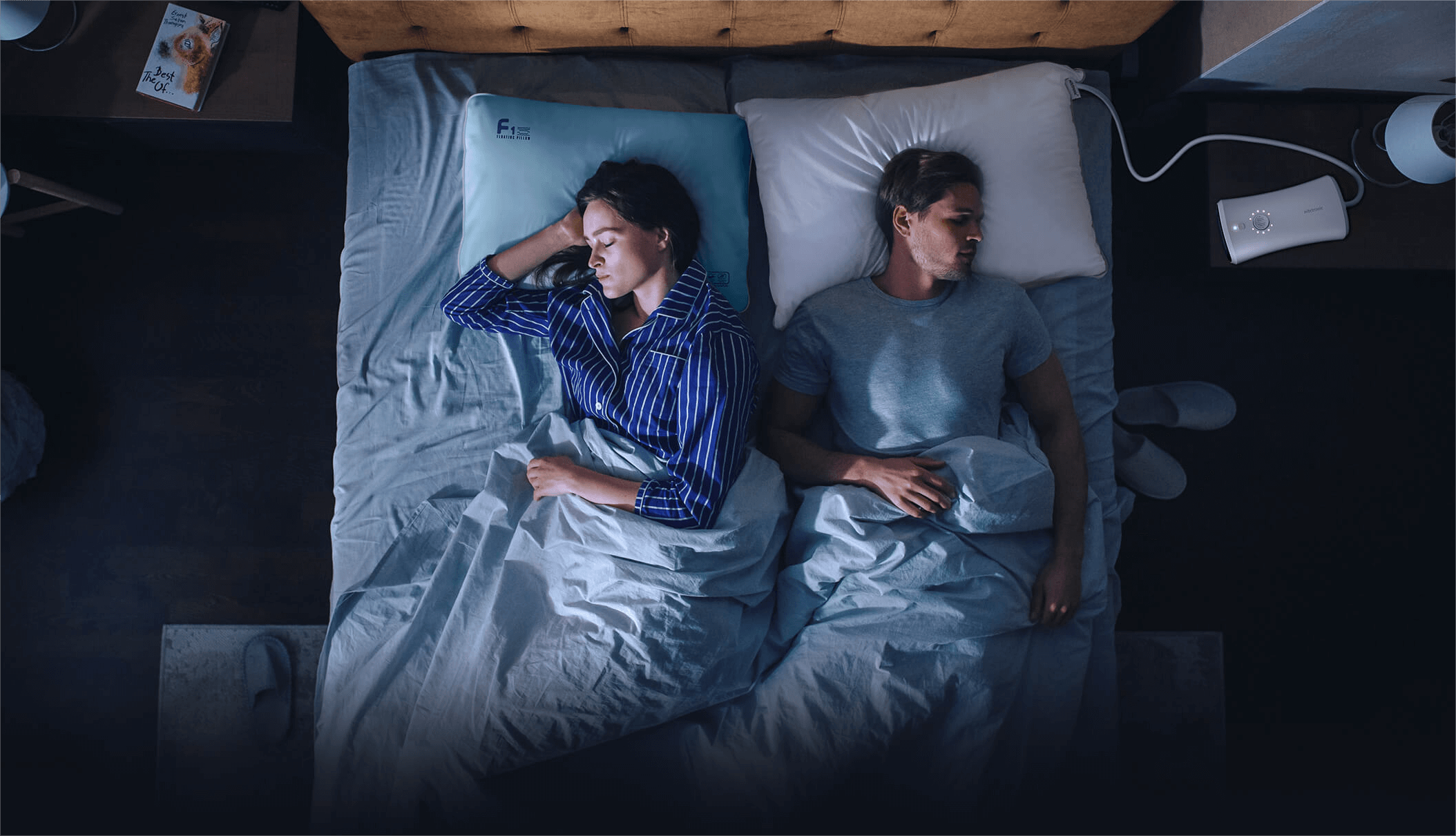
People looking for a “best pillow for sleep apnea without CPAP” are usually asking a practical question: can a change in sleep position or pillow support make the night feel easier? A better pillow may improve comfort for some people, especially if it helps them maintain a preferred position. But it cannot diagnose, treat, or replace prescribed therapy for obstructive sleep apnea.
This distinction matters. Snoring, poor sleep, and sleep apnea can overlap, yet they are not the same thing. Here is a useful way to think about supportive pillows, realistic expectations, and when clinical care is essential.
What CPAP Does That a Pillow Cannot
CPAP—continuous positive airway pressure—uses prescribed pressure to help keep the airway open during sleep. It is a medical treatment selected and adjusted with a clinician’s guidance.
A pillow changes the surface that supports your head, neck, and sometimes shoulder. It may make a side-sleeping position more comfortable or reduce the urge to roll into an uncomfortable posture. It does not provide positive airway pressure, measure the severity of airway obstruction, or replace a sleep study.
If you have been prescribed CPAP, do not stop, skip, or alter treatment based on a pillow, an app, or a single night’s snoring result. Speak with the clinician managing your care if treatment feels uncomfortable or difficult to continue.
Why Position Can Still Matter for Comfort
Some people snore more in certain positions, particularly when lying on their back. That observation is one reason position-support products are popular. The goal of a pillow is not to “cure” snoring; it is to help you find a stable, comfortable position with reasonable head and neck support.
For a side sleeper, the distance between shoulder and head often changes the support needed. For a back sleeper, an overly high or overly low pillow may feel uncomfortable. Personal comfort also depends on body shape, mattress firmness, pain, nasal symptoms, and whether you use a CPAP mask.
Think of position as one part of sleep comfort—not a substitute for an assessment of breathing problems.
Can an Anti-Snore Pillow Help?
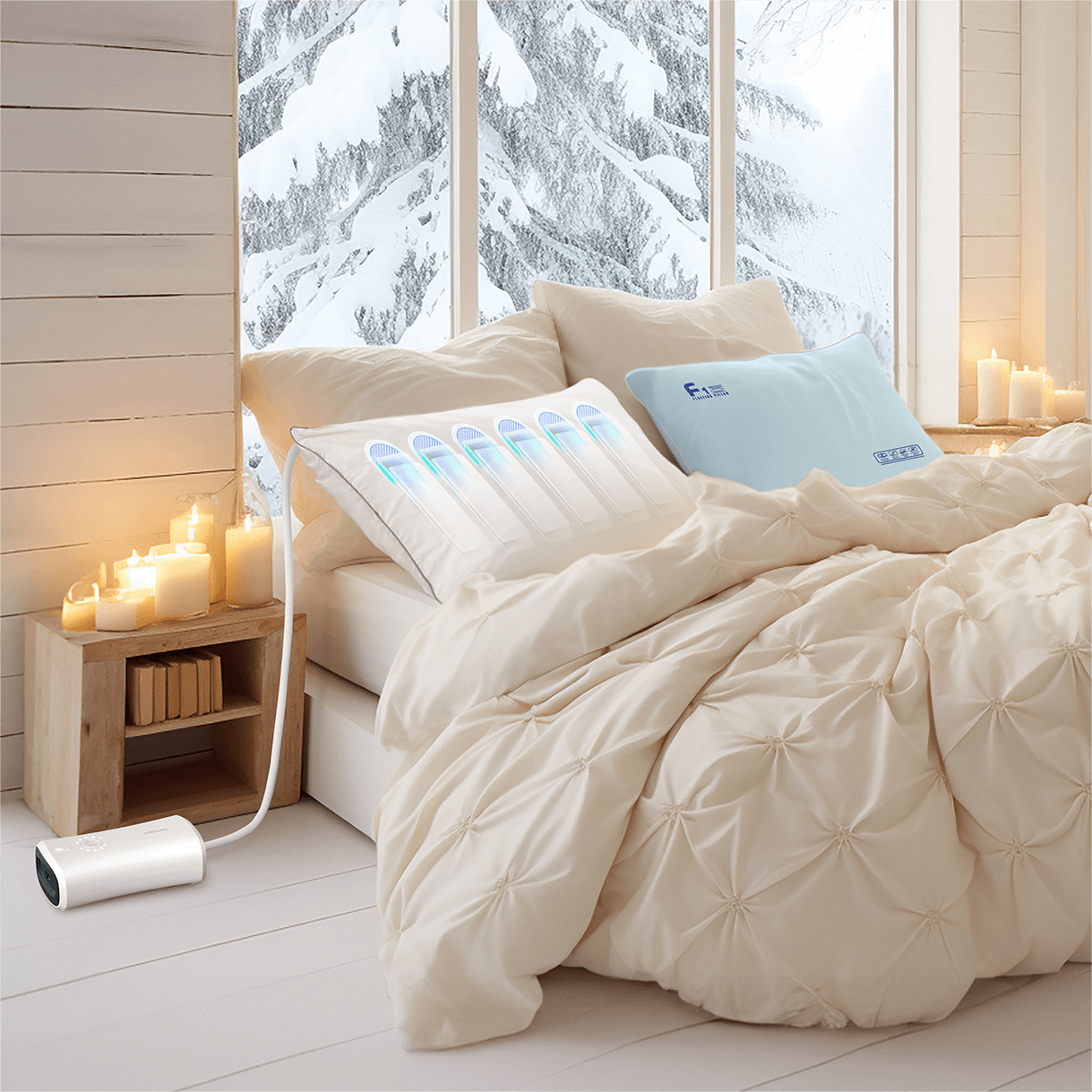
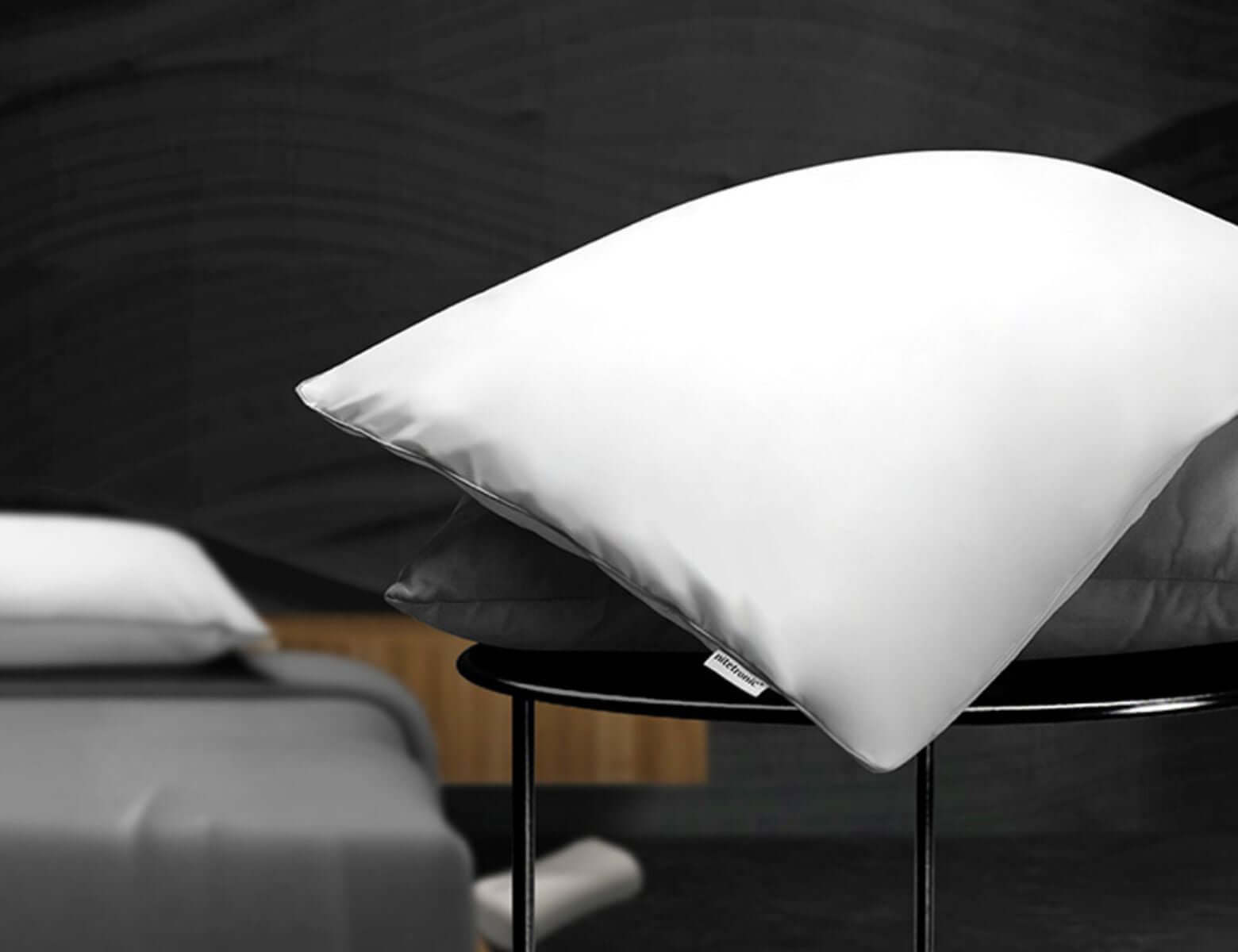
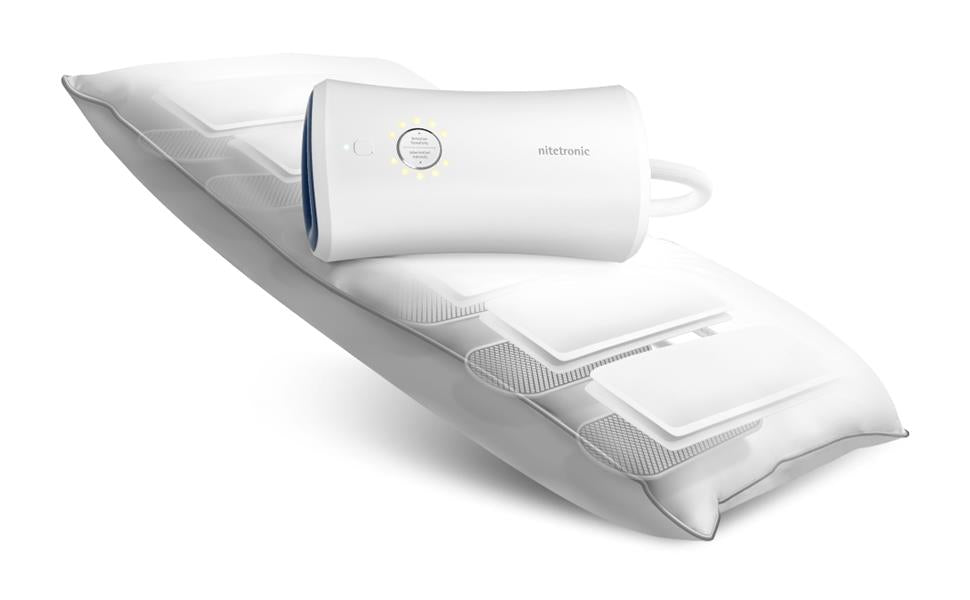
An anti-snore pillow may use contouring, adjustable height, or a sensor-guided support feature intended to encourage a small position change. Results vary widely. A product can be worth considering for comfort if its materials, height, controls, and return policy work for you, but it should not promise a specific health outcome.
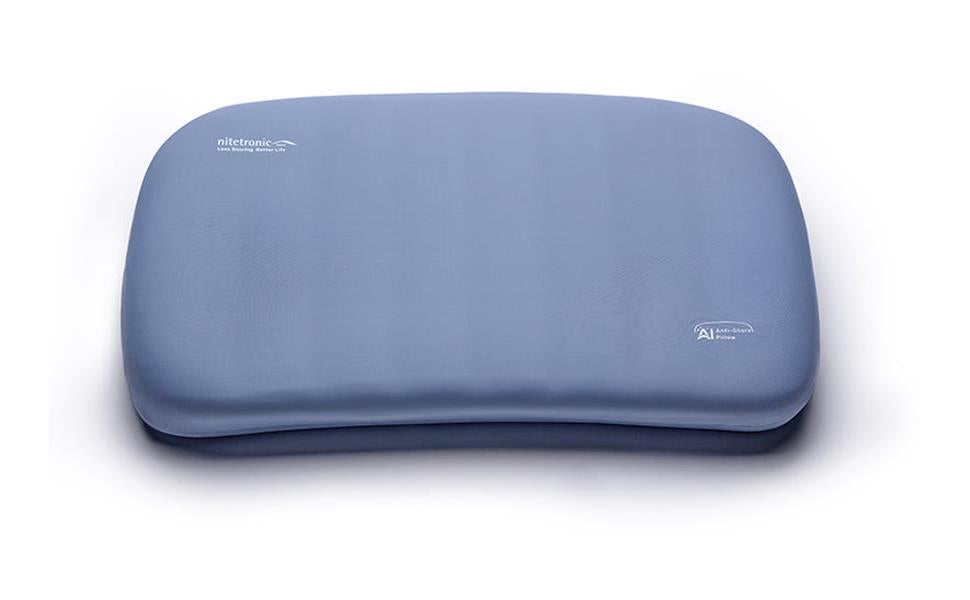
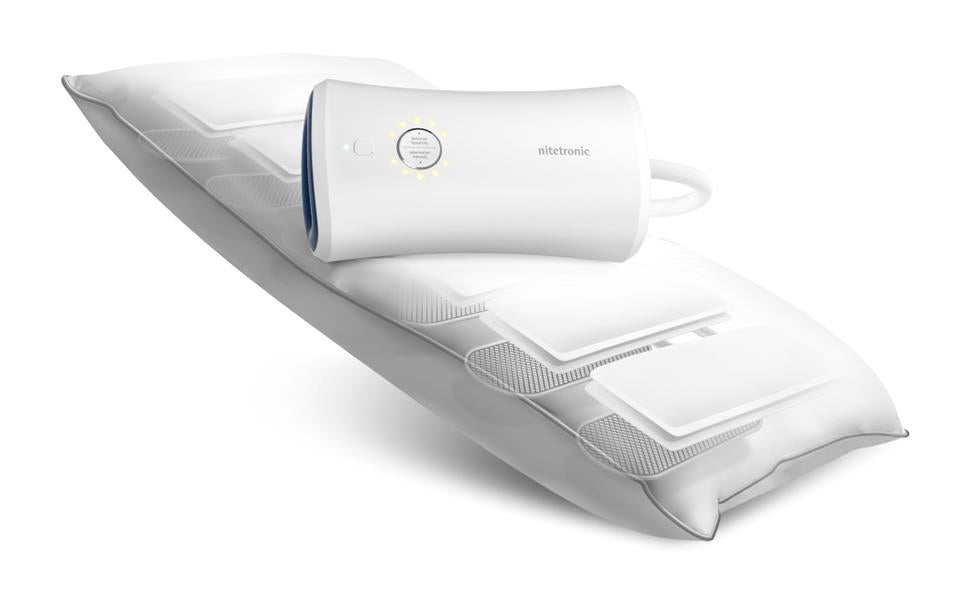
For example, the Nitetronic Z6 Smart Anti-Snore Pillow is designed as an adjustable consumer sleep product. Before buying any electronic pillow, review its dimensions, noise, controls, power requirements, care instructions, app privacy information, warranty, and return terms.
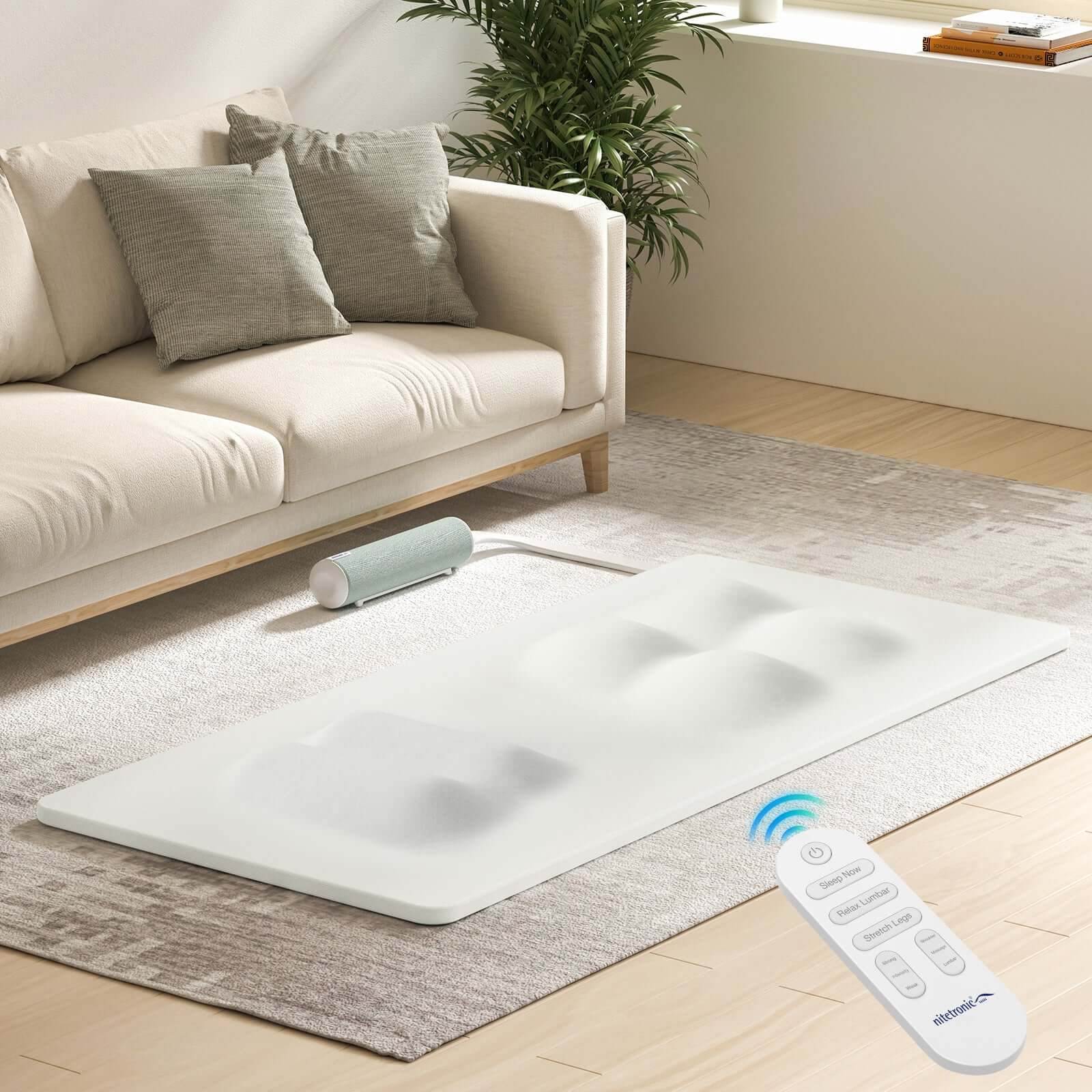
You can also compare different designs in the anti-snore pillow collection. The right choice is usually the one you can use consistently and comfortably—not simply the one with the boldest claim.
A Practical Checklist for CPAP Users
If you use CPAP and want to change your pillow, bring these questions to your sleep clinician or equipment provider:
- Does the pillow leave room for my mask and hose without pushing the mask seal out of place?
- Can I keep a comfortable, neutral neck position?
- Does it support the sleeping position I normally use?
- Will the material make me overheat or feel restricted?
- Can I test the setup while continuing prescribed treatment?
- What should I do if I notice more leaks, discomfort, waking, or daytime sleepiness?
A “CPAP pillow” may have cutouts to accommodate a mask. That can improve mask comfort for some people, but it still does not replace CPAP therapy. Fit is individual, so a trial period and guidance from your care team are valuable.
The Limits of Consumer Sleep Technology
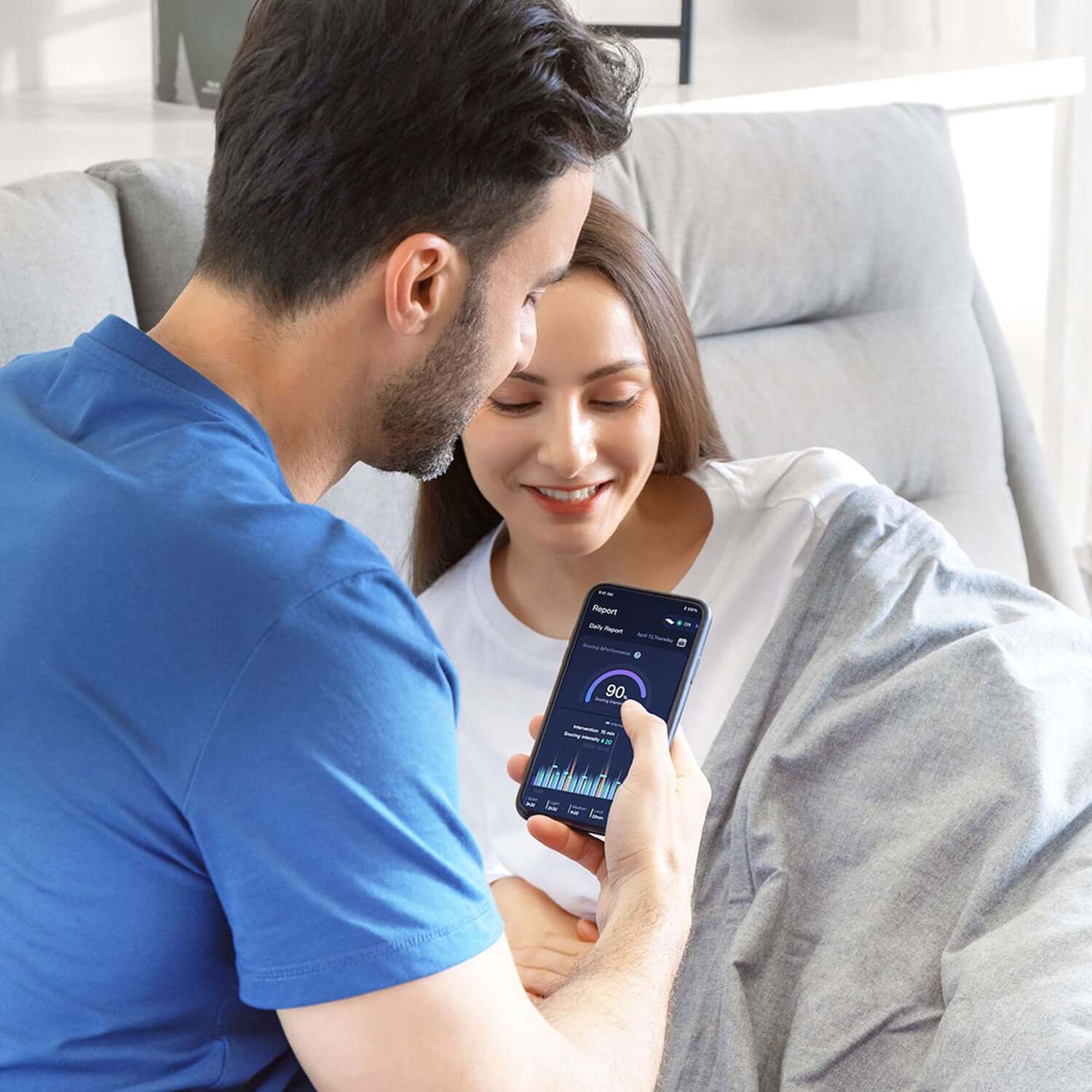
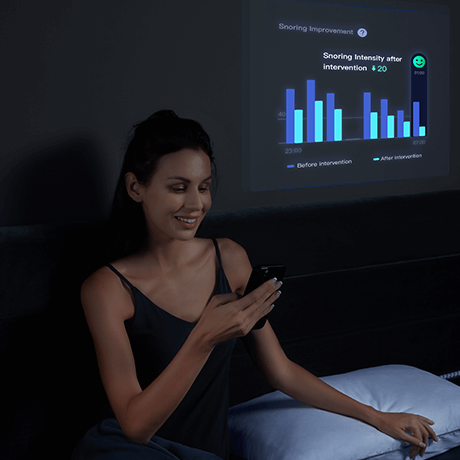
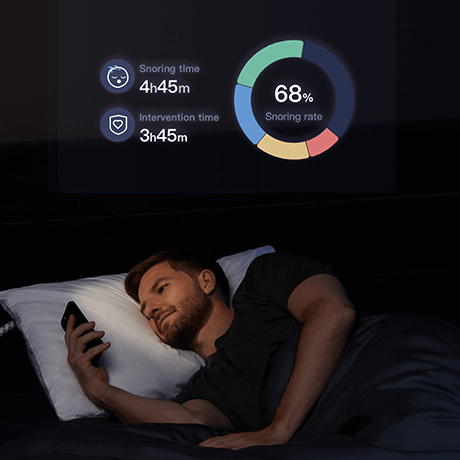
Smart pillows and sleep apps can record sound, motion, or usage trends. These trends may help you notice questions to discuss with a healthcare professional, such as frequent awakenings or persistent loud snoring. They cannot establish a diagnosis from a sound pattern or a score.
The American Academy of Sleep Medicine’s position statement on consumer sleep technology explains that consumer technologies without appropriate validation and regulatory clearance should not be used to diagnose or treat sleep disorders. That is a helpful guardrail when reading product claims.
Use consumer data as context, not as a verdict. It is especially important not to rely on it if symptoms have changed or are affecting safety and daily function.
When to Seek Medical Advice
Talk to a qualified healthcare professional if snoring is accompanied by witnessed breathing pauses, gasping or choking, chest pain, severe daytime sleepiness, morning headaches, trouble concentrating, or drowsy driving. These signs deserve assessment even if a pillow or app appears to show an improvement.
If you already have a sleep-apnea diagnosis, contact your clinician when CPAP is hard to tolerate. Common issues—mask leaks, dryness, pressure discomfort, nasal congestion, and anxiety about the equipment—often have practical solutions. A clinician or durable medical equipment provider can help troubleshoot them safely.
How to Shop Responsibly
When comparing pillows marketed for snoring or sleep comfort, prioritize transparent information over sweeping promises:
- Comfort fit: height, firmness, size, and sleeping-position suitability.
- Return terms: enough time to assess comfort without making health decisions from a short trial.
- Electronic features: pump or motor sound, power source, adjustment controls, and what happens if connectivity is unavailable.
- Privacy: whether audio is stored, how data is processed, and how it can be deleted.
- Claim quality: clearly defined features and limitations rather than claims that imply diagnosis or guaranteed relief.
For a broader buyer’s checklist, see Best Anti-Snore Pillow: 7 Practical Checks Before You Buy. If you want to understand sensor-guided designs, AI Pillow vs Smart Pillow explains the difference between sensing, classification, and physical adjustment.
The Bottom Line
A pillow can support comfort and a preferred sleeping position. It cannot replace CPAP or medical evaluation for sleep apnea. If you are searching for an alternative because CPAP is uncomfortable, that is a reason to ask your care team for help—not a reason to abandon treatment.
Choose a pillow for its comfort, fit, transparent features, and trial terms. Keep medical treatment decisions with the qualified professionals who know your sleep history.
Frequently Asked Questions
Is there a pillow that treats sleep apnea without CPAP?
No. A consumer pillow does not replace CPAP or other treatment prescribed for sleep apnea. A supportive pillow may improve comfort, but it cannot provide prescribed airway pressure or diagnose the condition.
Can side sleeping reduce snoring?
Position can influence snoring for some people, and side sleeping may feel more comfortable. Persistent or severe snoring still warrants medical advice, especially when it occurs with breathing pauses or daytime sleepiness.
Can I use a smart pillow with CPAP?
Possibly, but check whether its height, movement, and shape interfere with mask seal or hose placement. Continue prescribed therapy and ask your sleep clinician if you are unsure.
Can a snoring app tell me I have sleep apnea?
No. An app can show consumer trends but cannot diagnose sleep apnea. Discuss concerning symptoms or recorded patterns with a qualified healthcare professional.

Leave a comment
This site is protected by hCaptcha and the hCaptcha Privacy Policy and Terms of Service apply.