



Searching for the best anti-snoring device can be frustrating because the products work in very different ways. Some are designed to support a sleeping position, some change air flow at the nose, and some are medical treatments prescribed after a sleep assessment. A product that is comfortable for one person may be unsuitable for another.
The most useful place to start is not a promise of “stopping snoring.” It is understanding what each option is intended to do, what evidence supports it, and when persistent snoring needs clinical attention.
First, Separate Snoring From Sleep Apnea
Snoring is a sound created when airflow causes relaxed tissues in the upper airway to vibrate. It can occur on its own, but it can also occur with obstructive sleep apnea. A consumer product cannot determine the cause of snoring from sound alone.
See a qualified healthcare professional if snoring is accompanied by witnessed breathing pauses, gasping or choking, severe daytime sleepiness, morning headaches, chest pain, trouble concentrating, or drowsy driving. These symptoms deserve assessment even if a device seems to make a night quieter.
If you have been prescribed CPAP or another treatment, do not replace or change it based on a consumer device. The American Academy of Sleep Medicine’s position statement explains why consumer sleep technology without appropriate validation and regulatory clearance should not be used to diagnose or treat sleep disorders.
Common Types of Anti-Snoring Devices
Position-support pillows
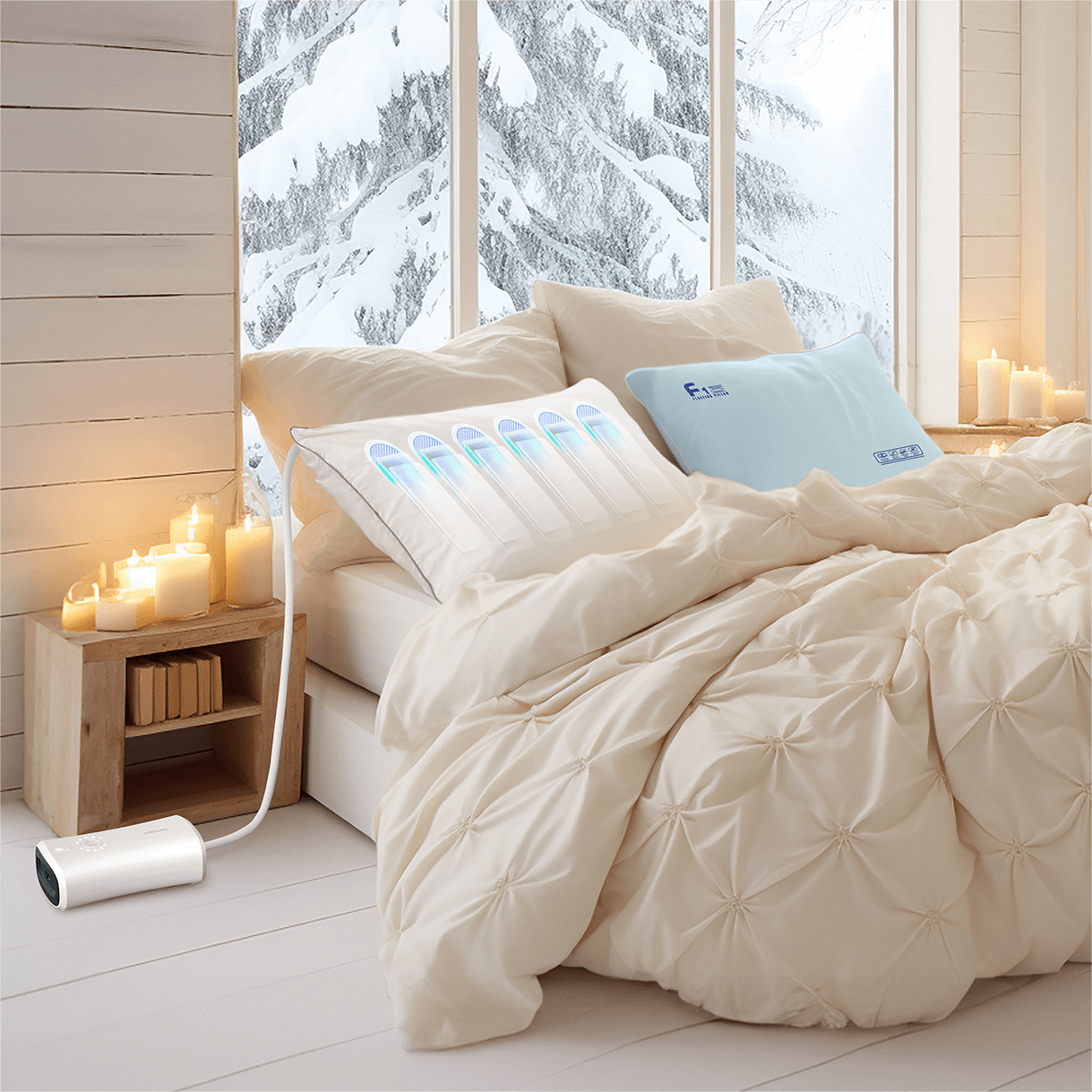
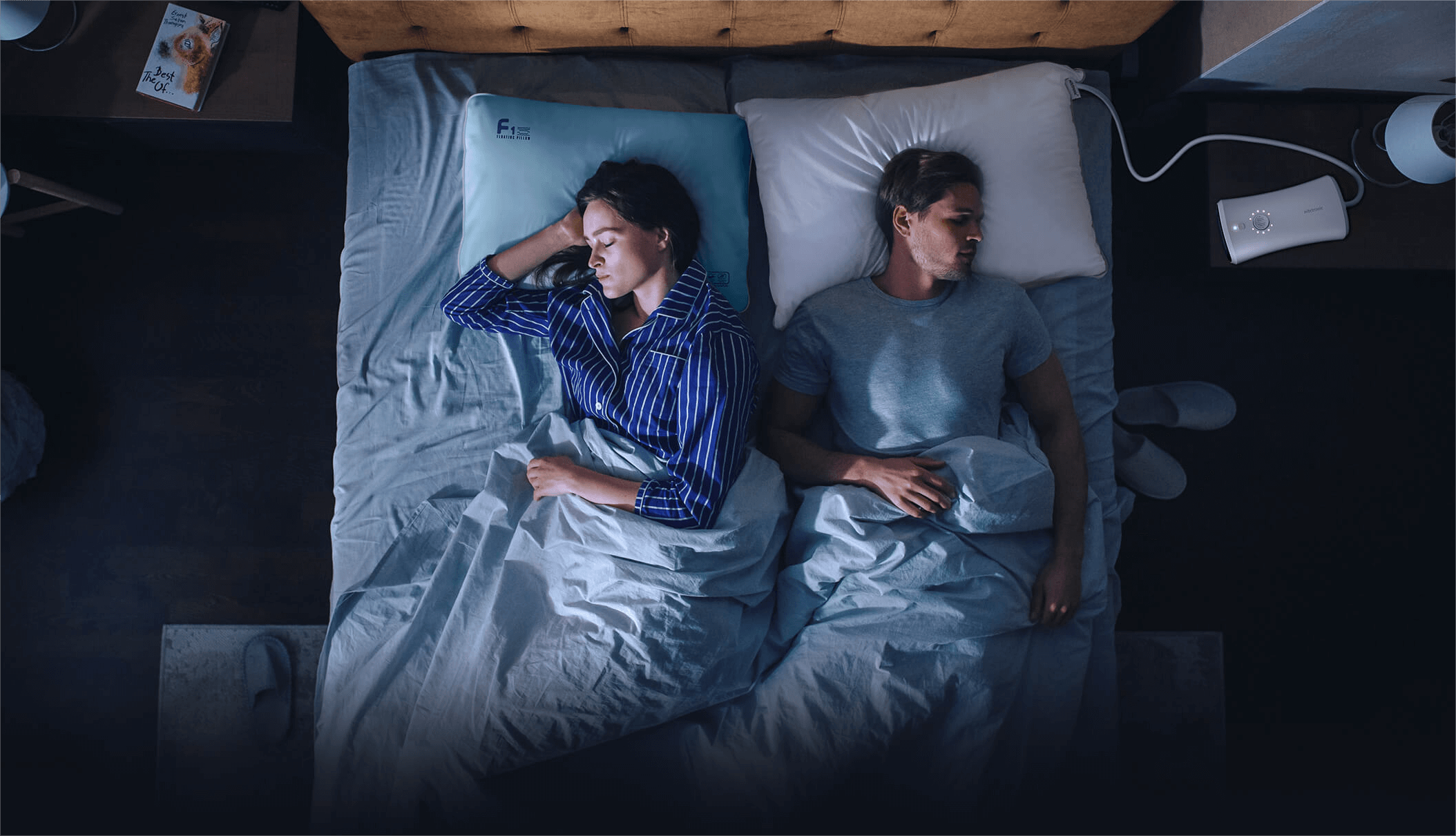
Contoured, adjustable, or sensor-guided pillows are intended to support head and neck comfort or encourage a small position change. They may appeal to people whose snoring seems worse in a particular sleeping position.
The key word is support. A pillow does not deliver airway pressure, diagnose sleep apnea, or guarantee a health outcome. Focus on height, firmness, sleep-position fit, return terms, and whether any motor or pump is quiet enough for your bedroom.
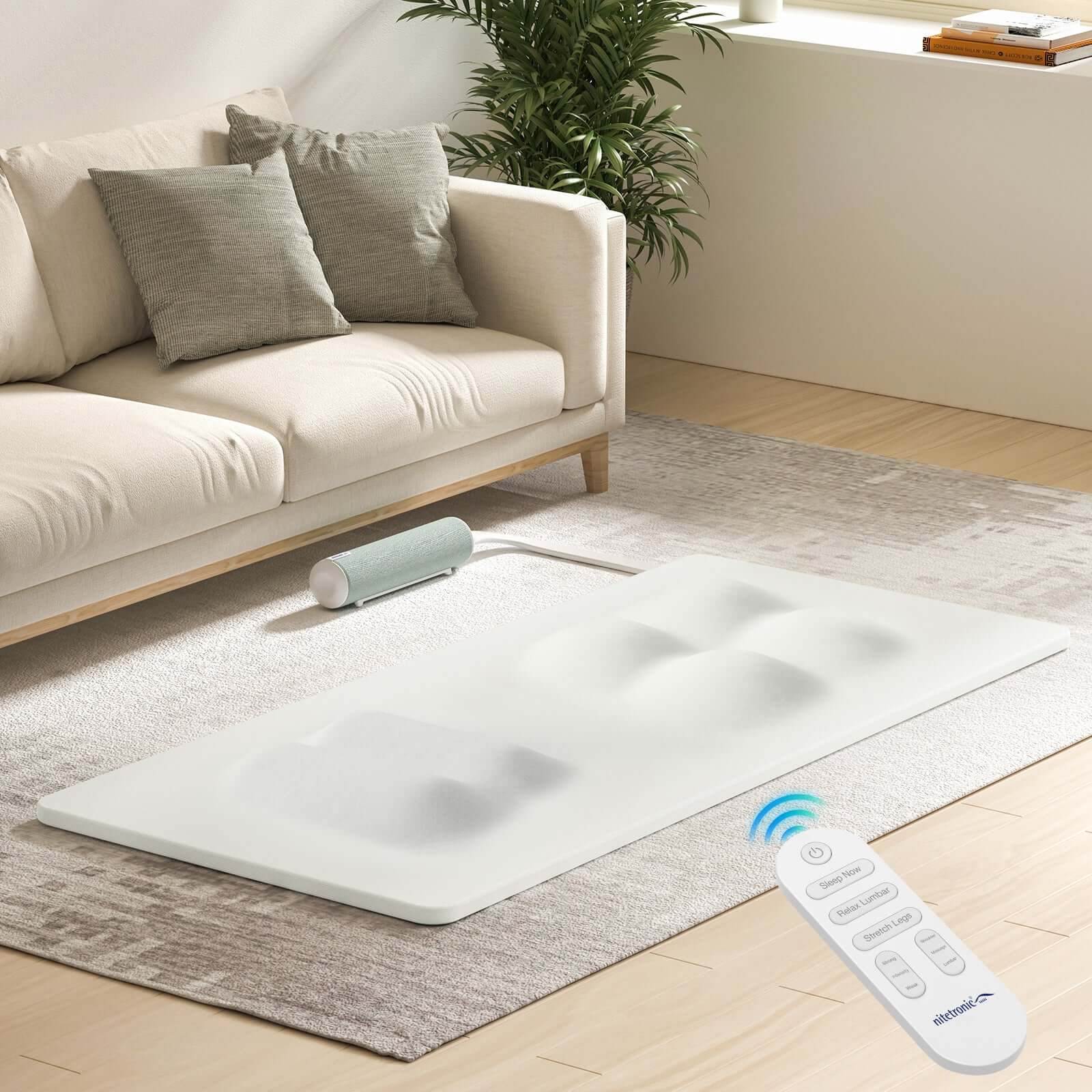
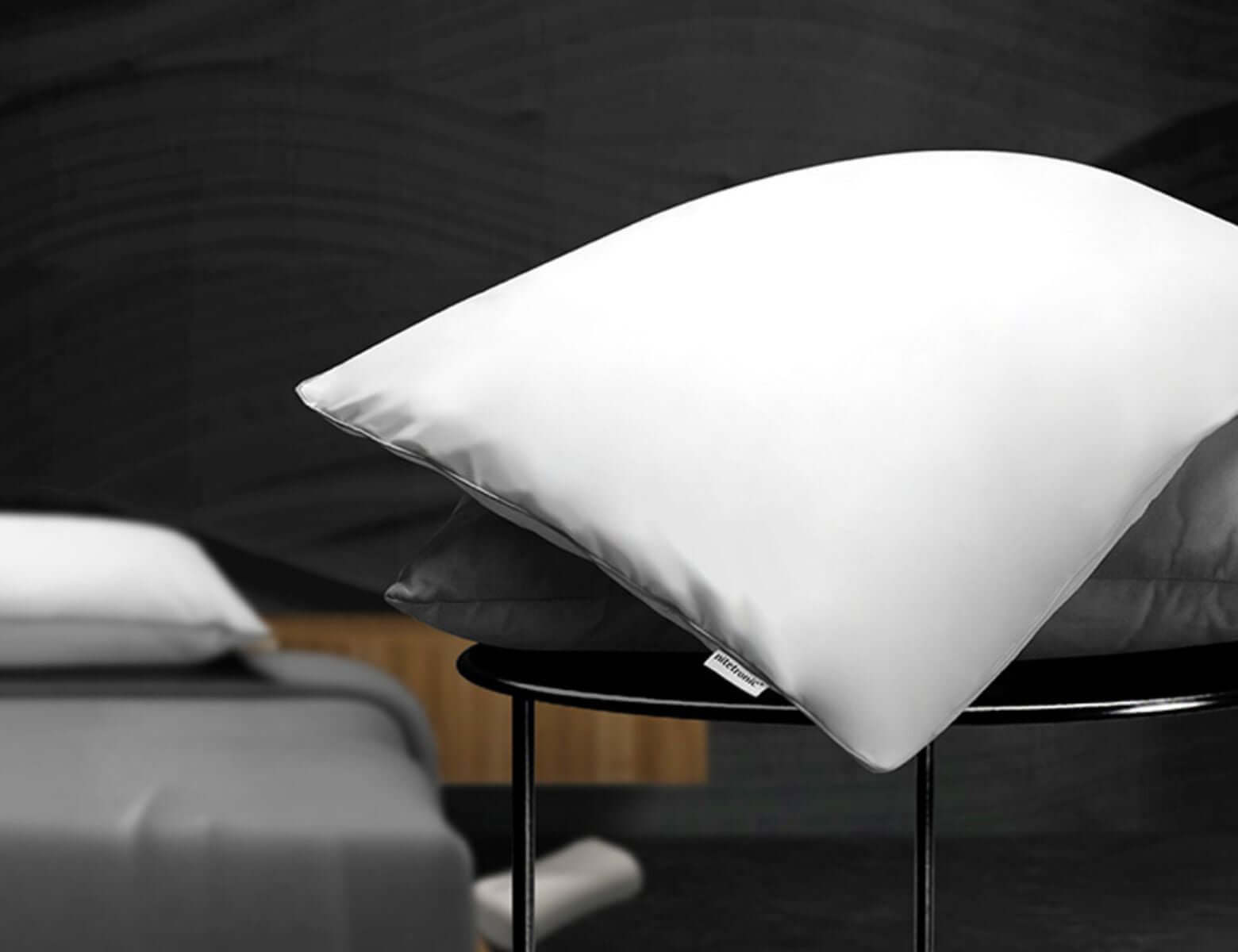
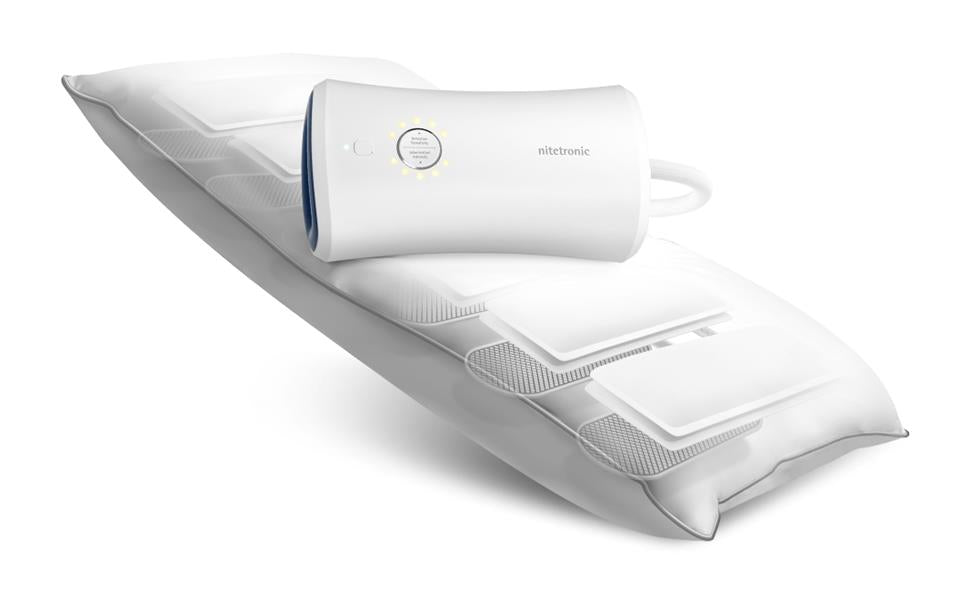
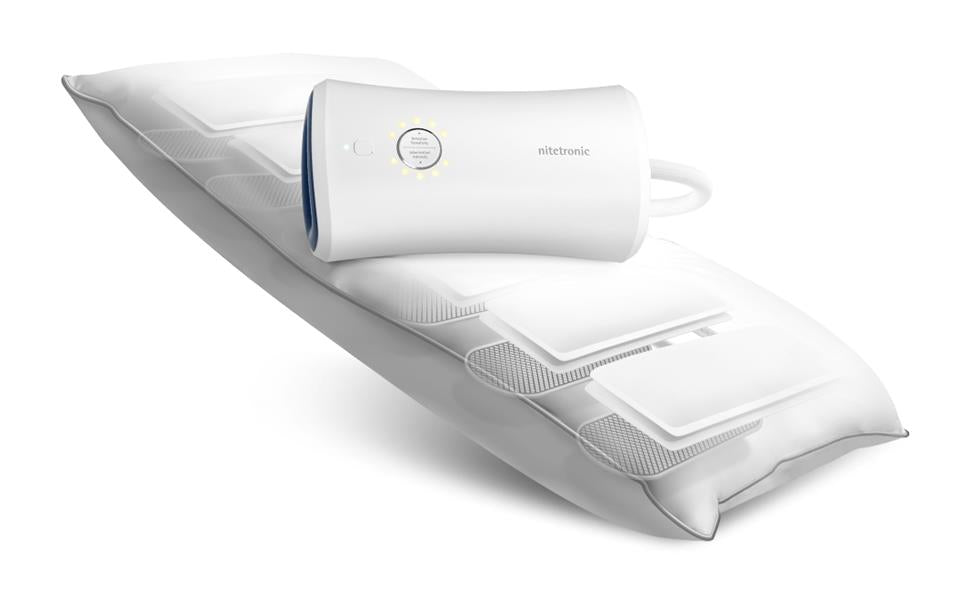
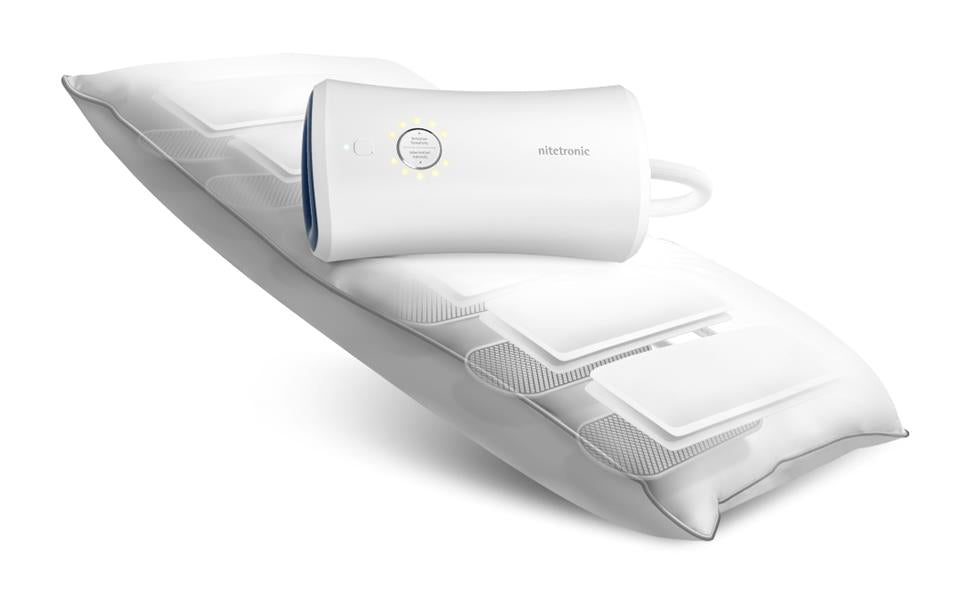
The Nitetronic anti-snore pillow collection includes several consumer sleep-comfort designs. For a sensor-guided example, review the feature details for the Nitetronic Z6 Smart Anti-Snore Pillow before deciding whether its size, controls, and setup suit you.
Nasal strips and external nasal dilators
These products work at the nostrils rather than inside the mouth. They may feel useful when nasal congestion or narrow nasal passages are contributing to a sense of restricted airflow. They do not address every cause of snoring, and they are not a replacement for assessment of suspected sleep apnea.
Check the skin adhesive, fit, and comfort. If congestion is frequent or persistent, ask a healthcare professional about the underlying cause rather than simply increasing product use.
Oral appliances
Some oral appliances are fitted by qualified dental or sleep professionals. Their purpose and suitability depend on the person’s anatomy, dental health, and diagnosis. Over-the-counter mouthpieces can be uncomfortable and may affect the jaw or teeth, so a professional discussion is especially useful before making them a long-term solution.
CPAP and other prescribed therapy
CPAP uses prescribed air pressure to help keep the airway open for people with diagnosed obstructive sleep apnea. It is not comparable to a pillow, strip, or app. If CPAP is difficult to tolerate, tell the clinician or equipment provider managing your care; mask fit, humidity, pressure comfort, and congestion can often be addressed safely.
Read Can a Pillow Replace CPAP? for a more detailed explanation of the boundary between comfort support and prescribed therapy.
A Practical Comparison Checklist
Before purchasing, use these questions to compare options:
- **What is the intended mechanism?** Position support, nasal expansion, oral positioning, or prescribed airway pressure are not interchangeable.
- **What problem are you trying to solve?** Occasional positional snoring, nasal congestion, mask discomfort, and suspected sleep apnea require different next steps.
- **How comfortable is it?** A device only helps if you can use it consistently without disrupting sleep.
- **Can you return it?** A reasonable trial and return policy is useful for consumer comfort products.
- **What claims are being made?** Prefer clear feature descriptions and limitations over guaranteed results or diagnostic language.
- **How is privacy handled?** If an app records sleep trends or audio-related information, check retention, deletion, and account controls.
- **Does it work alongside current treatment?** CPAP users should make sure a pillow or other product does not interfere with mask seal, hose placement, or clinician guidance.
How Smart Pillows Fit Into the Decision
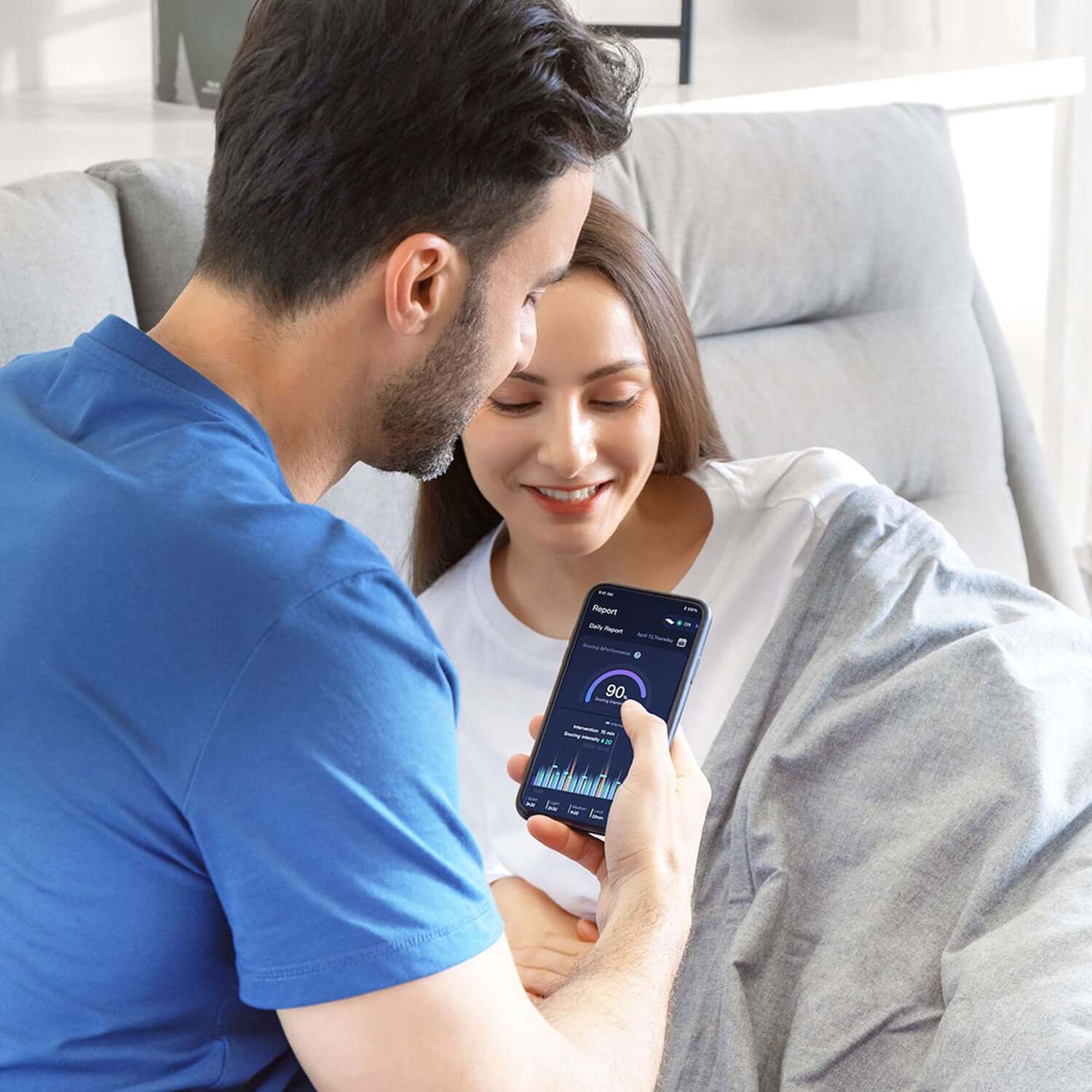
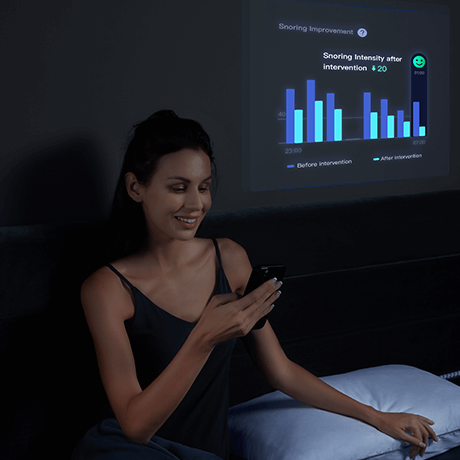
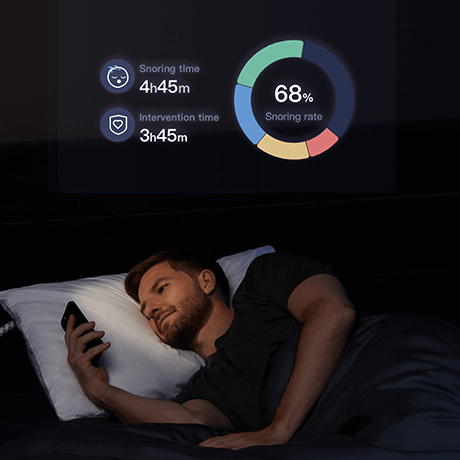
Smart pillows may combine sound or position sensing with a physical response such as adjustable air chambers. Their companion apps can present trends such as detected sound events or device activity. That can be useful context for noticing patterns, but it is not a diagnosis.
To understand the technology, read AI Pillow vs Smart Pillow: What Do the Sensors Actually Do?. When evaluating a model, ask whether it has manual controls, how it behaves if the phone is offline, and how bedroom noise could affect acoustic detection.
For basic product selection, Best Anti-Snore Pillow: 7 Practical Checks Before You Buy covers fit, support, adjustability, and realistic expectations.
The Best Choice Is the Safest Appropriate One
For occasional snoring without concerning symptoms, a comfort-focused change—such as improving pillow fit or managing a short-term nasal issue—may be reasonable to explore. For frequent, loud, or disruptive snoring, especially with breathing symptoms or daytime fatigue, assessment is the more valuable next step.
The best anti-snoring device is not the device with the biggest promise. It is the option that matches the problem you have, fits comfortably, has transparent limitations, and does not delay needed medical care.
Frequently Asked Questions
What is the most effective anti-snoring device?
There is no single best option for everyone. Effectiveness depends on why the person snores and whether a sleep disorder is present. A clinician can help identify the appropriate treatment when symptoms are frequent or concerning.
Do anti-snore pillows work for everyone?
No. A pillow may improve comfort or support a preferred position for some people, but results vary and a pillow cannot diagnose or treat sleep apnea.
Are anti-snoring mouthpieces safe?
Some oral appliances are professionally fitted. Over-the-counter mouthpieces can cause discomfort or affect the jaw and teeth, so seek professional advice before using one long term.
Can a sleep app tell whether I have sleep apnea?
No. Consumer apps may show trends but cannot diagnose sleep apnea. Discuss persistent snoring or concerning symptoms with a qualified healthcare professional.

Leave a comment
This site is protected by hCaptcha and the hCaptcha Privacy Policy and Terms of Service apply.