




title: "How to Clean a Smart Anti-Snore Pillow Without Damaging It"
slug: how-to-clean-smart-anti-snore-pillow
meta_title: "How to Clean a Smart Anti-Snore Pillow Safely"
meta_description: "Learn how to clean a smart anti-snore pillow safely, protect its sensors and air system, wash removable covers, and prevent odors and moisture damage."
summary: "A practical cleaning and maintenance guide for smart pillows with sensors, air chambers, cables and removable covers."
---
# How to Clean a Smart Anti-Snore Pillow Without Damaging It
A smart anti-snore pillow is not cleaned like an ordinary pillow. Inside the sleep surface may be sensors, air chambers, tubing, wiring or a control module. Putting the entire pillow in a washing machine—or soaking it during spot cleaning—can damage those components even when the outer fabric looks washable.
The safest rule is simple: treat the removable cover, foam core and electronic system as separate parts. Always follow the instructions supplied with your exact model, because construction and water resistance vary. This guide explains a conservative routine that can help keep a smart pillow fresh without turning normal care into an expensive mistake.
Before cleaning: identify every component
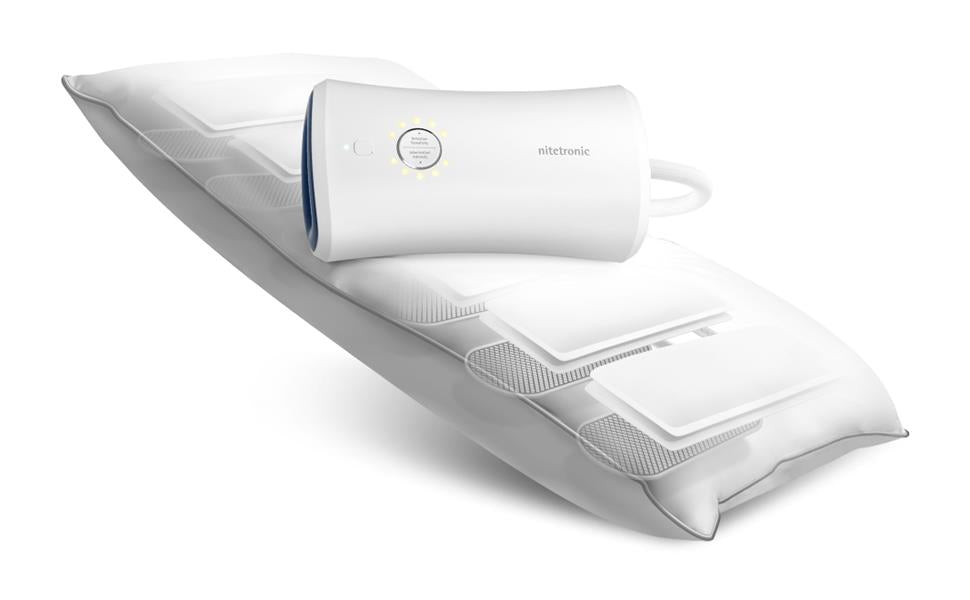
Unplug the pillow and inspect it in good light. Locate the outer pillowcase, any zippered protective cover, foam core, airbag layer, cable, hose, power adapter and controller. Do not pull on a cable or hose to disconnect it; use the connector itself and follow the product manual.
Check the care label on each removable textile. A cotton pillowcase may be machine washable while a fitted technical cover is spot-clean only. “Washable cover” never automatically means the complete pillow can be washed.
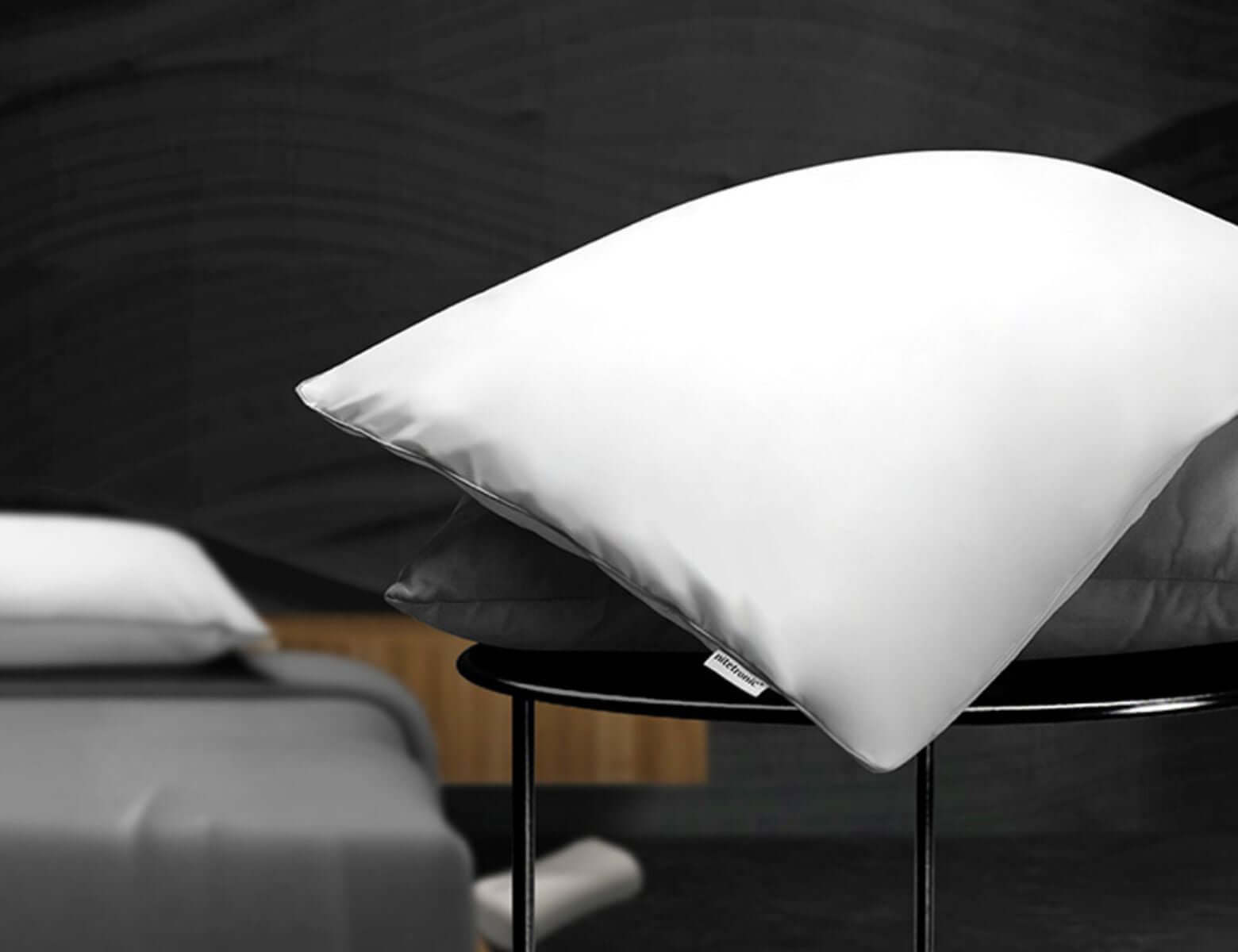
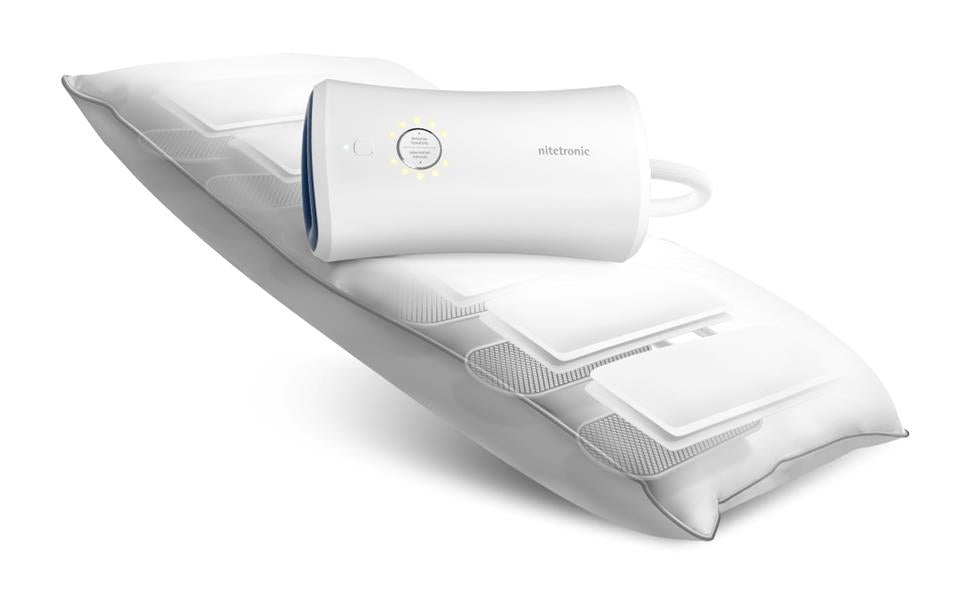
The Nitetronic Z6 Smart Anti-Snore Pillow, for example, combines a cotton-covered memory-foam structure with sensors and six independent airbags. Those active parts are a reason to separate routine fabric care from cleaning the pillow body.
What you need
Prepare a small bowl of lukewarm water, a clean white microfiber cloth, a second dry cloth and a mild, fragrance-free detergent. A soft upholstery brush can help lift dry debris. Keep liquids, sprays and cleaning products away from connectors, vents and electronic modules.
Avoid bleach, strong disinfectants, solvents, essential oils and abrasive powders unless the manufacturer specifically approves them. They may discolor fabric, break down foam or leave residues that are irritating when your face rests close to the surface.
Step 1: disconnect power completely
Turn the pillow off, unplug the power adapter from the wall and disconnect approved detachable components. Allow the system to sit for a few minutes before cleaning. Never clean, reconnect or test a device with wet hands.
Photograph the cable and hose arrangement before disassembly if you are likely to forget the routing. Do not open a sealed controller, sensor module or air system. Internal repair belongs with qualified service support.
Step 2: remove and wash only approved covers
Remove the everyday pillowcase first. Check its sewn-in care label for water temperature, cycle and drying instructions. Close zippers before washing and use a gentle cycle when permitted.
If there is another fitted cover directly over the core, confirm whether it is removable and washable. Some technical covers hold components in position and should not be removed. When the instructions are unclear, leave it attached and spot clean it instead.
Using a spare compatible pillowcase makes regular cleaning easier. Nitetronic lists cotton and cooling pillowcases for specific pillow models; always confirm model compatibility before ordering.
Step 3: remove dust without adding moisture
Use a dry cloth or a very soft brush to remove hair, lint and dust from the exposed surface. Work gently around seams, air channels and cable exits. Do not use a high-powered vacuum directly on flexible air sections or sensors, because suction can distort delicate parts.
This dry step often handles more of the weekly maintenance than expected. It also prevents loose debris from spreading when a damp cloth is introduced.
Step 4: spot clean conservatively
Mix a very small amount of mild detergent into lukewarm water. Dampen a white cloth, then wring it out thoroughly. The cloth should feel barely damp, not wet enough to drip.
Test an inconspicuous area first. Blot the stain from the outside toward the center rather than scrubbing aggressively. Repeat with a second cloth dampened with clean water to lift detergent residue. Keep moisture away from electrical connectors, microphones, vents and control buttons.
Never pour water directly onto the pillow or spray cleaner over the surface. Do not submerge the foam core, airbag assembly, pump, adapter or controller unless the manufacturer explicitly identifies a component as waterproof and washable.
Step 5: dry fully before reassembly
Press the cleaned area with a dry towel, then allow it to air-dry in a well-ventilated indoor space. Keep it away from direct heat, hair dryers, radiators and intense sunlight, which can deform foam or damage bonded materials.
Do not replace the cover or reconnect power while any layer feels damp. Moisture trapped under a cover can create odor, mildew risk and electrical damage. Depending on airflow and the size of the cleaned area, drying may take several hours.
A simple maintenance schedule
Regular light care is safer than occasional deep cleaning:
- **Every few days:** air the pillow and inspect the cover for moisture or spills.
- **Weekly:** change the pillowcase and gently remove surface dust.
- **Monthly:** inspect seams, cables, connectors, hoses and the power adapter for wear.
- **After a spill:** disconnect power immediately and follow the manufacturer’s spill guidance.
- **Before storage:** clean approved textiles, dry every component completely and coil cables loosely.
If the pillow is shared, someone is ill, or perspiration is heavy, wash the removable pillowcase more often according to its care label.
How to prevent odors and stains
Use a compatible, breathable pillowcase and change it regularly. Let hair and skincare products dry before bed, and avoid eating or drinking over the device. Maintain comfortable bedroom humidity and give the pillow time to air after sleep instead of covering it immediately with heavy bedding.
Do not place an unapproved waterproof protector over an active pillow. A thick or tight protector could affect airflow, sound detection, pressure response or surface movement. Ask support whether a protector is compatible with your model.
When to stop using the pillow
Disconnect the device and contact the manufacturer if you notice a damaged power cable, loose connector, liquid inside the controller, unusual heat, burning odor, abnormal motor sound or an air chamber that no longer behaves normally. Do not attempt to dry a wet electronic module with heat or open it for home repair.
Cleaning cannot correct a mechanical or electrical fault. Keep the order details and serial number available when contacting support, and review warranty terms before arranging third-party repairs.
For setup and first-week adjustments, read our smart anti-snore pillow setup checklist. You can also compare models in the anti-snore pillow collection.
Frequently asked questions
Can I put a smart pillow in the washing machine?
Usually, only specifically approved removable textile covers can go in a washing machine. Never machine-wash the complete pillow unless the exact model instructions explicitly permit it.
Can memory foam be soaked in water?
Soaking can be difficult to dry and may damage the foam or embedded components. For a smart pillow, use only the manufacturer-approved cleaning method, typically conservative surface care.
Can I use disinfectant spray?
Do not spray the pillow directly. Strong chemicals and excess mist can affect foam, fabric, sensors or electronics. Use only products and methods approved for the model.
How long should the pillow dry?
Until every cleaned layer is completely dry, not merely dry on the surface. Drying time depends on humidity, airflow and how much moisture was used.
Should I unplug a smart pillow every time I clean the cover?
Yes. Disconnect power before removing covers, handling cables or cleaning near active components. Reconnect only after reassembly is correct and fully dry.
Final takeaway
The best smart-pillow cleaning routine uses frequent pillowcase washing, gentle dry maintenance and minimal-moisture spot cleaning. Separate washable textiles from the electronic pillow body, follow the model-specific manual and give every part enough time to dry. A cautious ten-minute routine is far safer than trying to deep-clean a device designed to contain sensors and moving air components.

Leave a comment
This site is protected by hCaptcha and the hCaptcha Privacy Policy and Terms of Service apply.