





title: "Smart Mattress Topper vs Smart Mattress Pad: What's the Difference?"
slug: smart-mattress-topper-vs-smart-mattress-pad
meta_title: "Smart Mattress Topper vs Smart Mattress Pad"
meta_description: "Compare smart mattress toppers and smart mattress pads by cushioning, sensors, massage, fit, cleaning, power and sleep-data limits before choosing one."
summary: "A practical guide to the confusing topper-versus-pad labels, with a checklist for comparing comfort, smart features, fit, care and long-term use."
---
# Smart Mattress Topper vs Smart Mattress Pad: What's the Difference?
Shopping for a smarter sleep surface can become confusing quickly. One product is called a smart mattress topper, another is described as a smart mattress pad, and a third may use both terms on the same website. Are they different products, or simply different names?
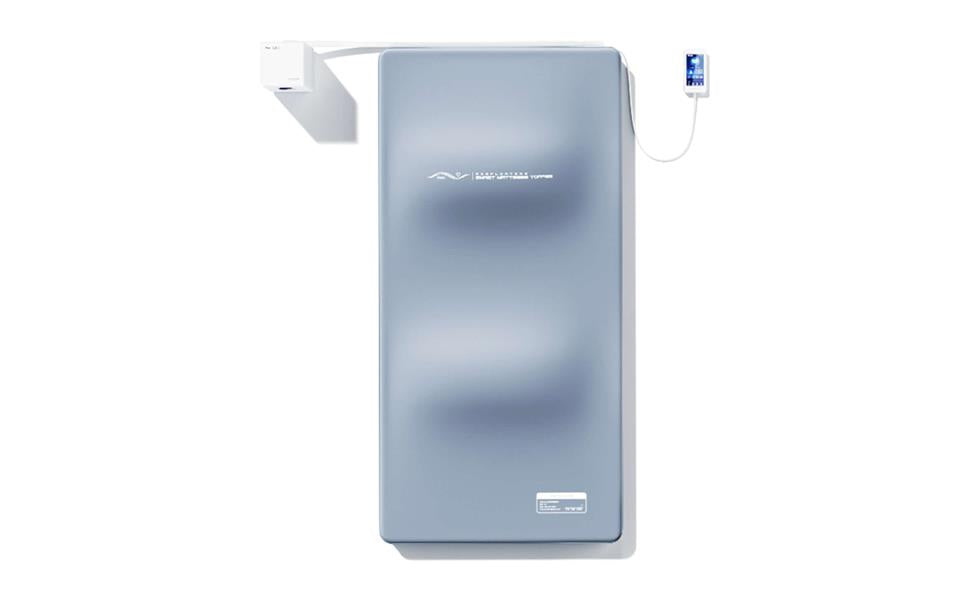
The short answer is that the labels are not standardized. Traditionally, a mattress topper is a relatively thick comfort layer intended to noticeably change how a mattress feels. A mattress pad is usually thinner and is more often associated with light cushioning or surface protection. Once sensors, air chambers, heating, cooling or massage functions are added, however, those old definitions become less reliable.
Instead of choosing by name alone, compare what the product actually does, how it fits your bed and what daily ownership involves.
What a traditional mattress topper usually does
A conventional topper is placed above the mattress to change firmness, pressure distribution or surface feel. Common materials include memory foam, latex, down alternatives and fiberfill. Toppers are often several centimeters thick, so they can also affect fitted-sheet depth and the overall height of the bed.
If your main goal is to make a firm mattress feel softer, or to add a distinct cushioning layer, thickness and material should be your first comparison points. Electronics do not automatically make a thin product behave like a deep foam topper.
What a traditional mattress pad usually does
A conventional mattress pad is generally thinner. It may add a modest amount of softness, protect the mattress surface or provide a washable layer between the sleeper and the mattress. Many use a fitted skirt or elastic straps to stay in place.
In the smart-sleep category, “pad” may also describe an active layer containing air cells, sensors, wiring or control components. That means a smart mattress pad may offer more technology than a thick but non-powered topper, even if it provides less cushioning.
Why smart products blur the distinction
Smart sleep products are categorized by both physical construction and function. A thin layer can still include active massage zones, temperature controls or sleep-related sensors. A thicker layer may focus primarily on cushioning and contain little or no connected technology.
When two listings use different names, check these seven areas before assuming the products serve different needs.
1. Cushioning and change in mattress feel
Start with the basic question: how much will this layer change the feel of your mattress?
- Check total thickness, not just the height of raised air cells or quilted sections.
- Identify the cushioning material and whether it is designed to soften, support or simply house components.
- Confirm whether the product is meant to replace a conventional topper or sit above one.
If your mattress is sagging or structurally worn, neither a smart pad nor a topper is a reliable repair. A surface layer can change comfort, but it cannot restore a failed support core.
2. Active features and control method
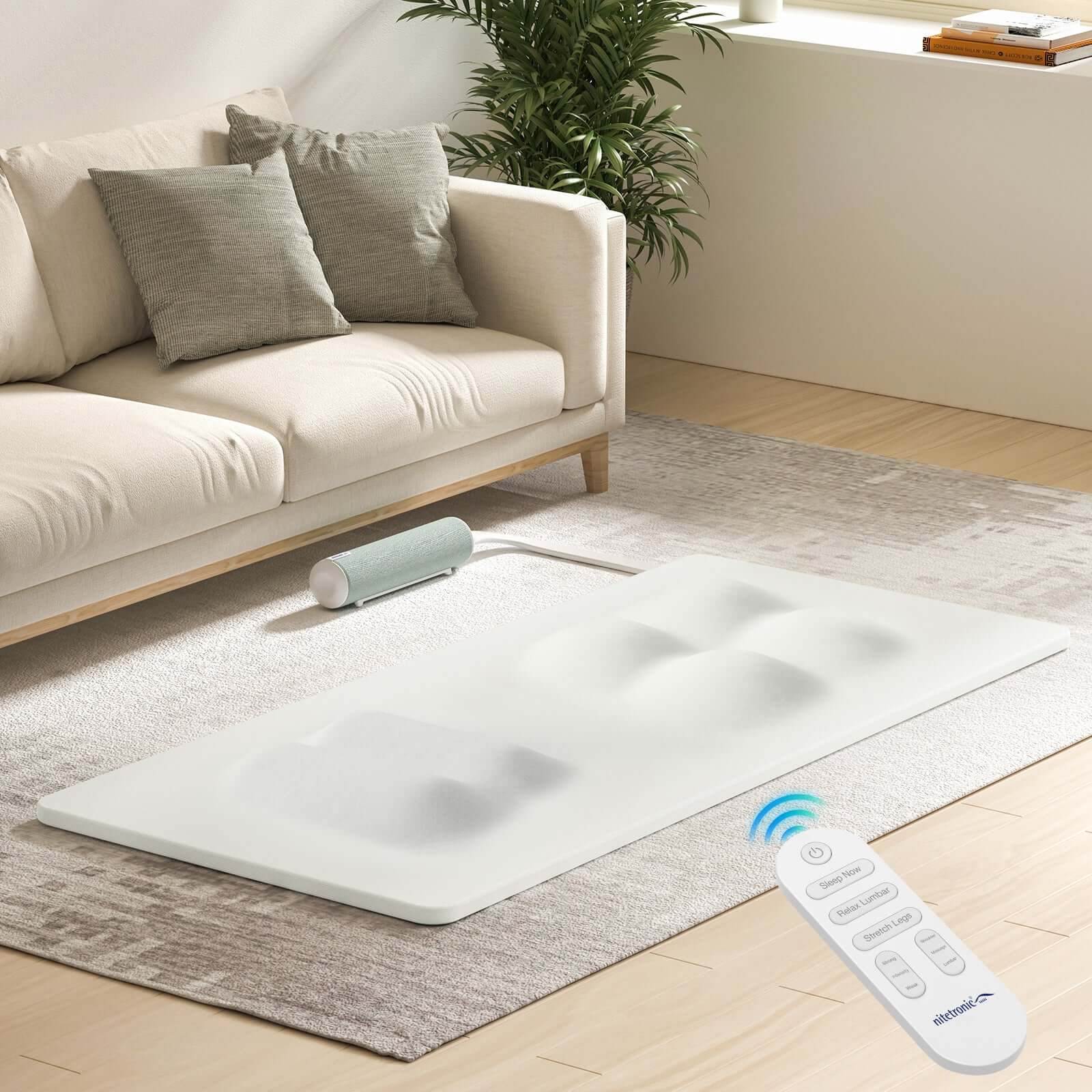
“Smart” can refer to many different things. Look for specific functions rather than relying on the label. These may include air-powered massage, adjustable zones, warming or cooling, automatic routines, app control, timers or sleep-data summaries.
Also ask what happens without the app. Can core functions be controlled with physical buttons? Does the product require an account, Wi-Fi or Bluetooth? Will it still operate if a subscription ends? Clear answers matter more than an impressive feature count.
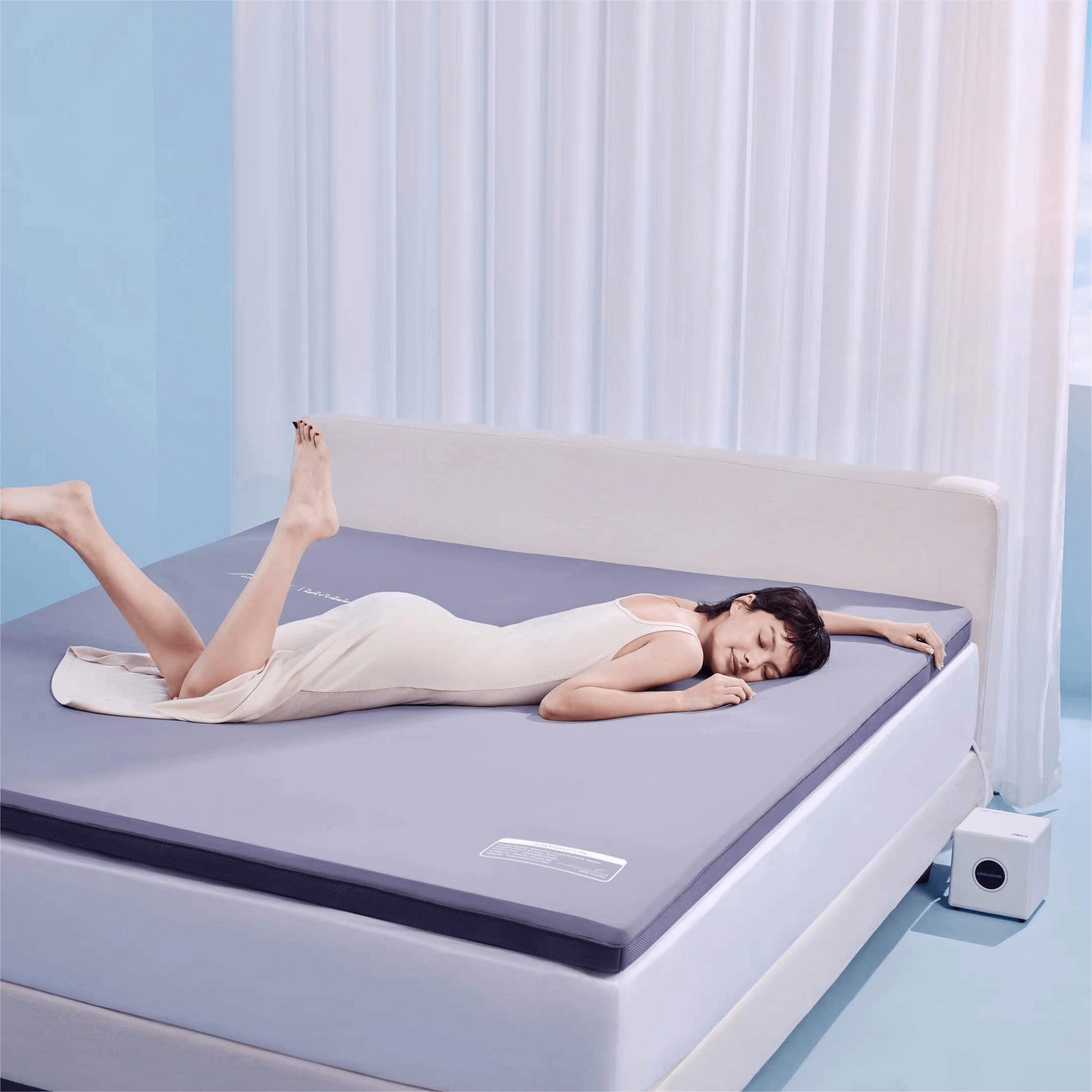
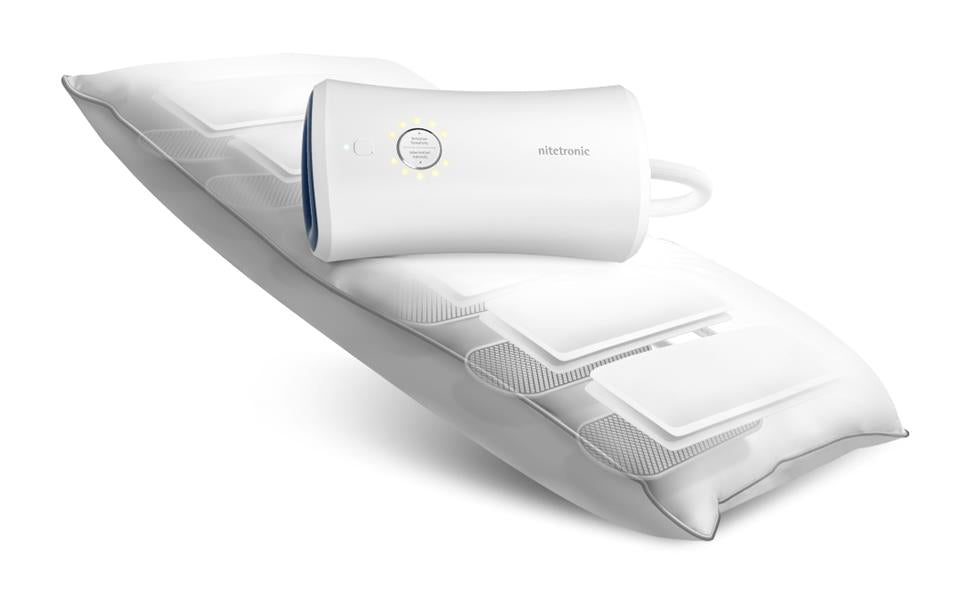
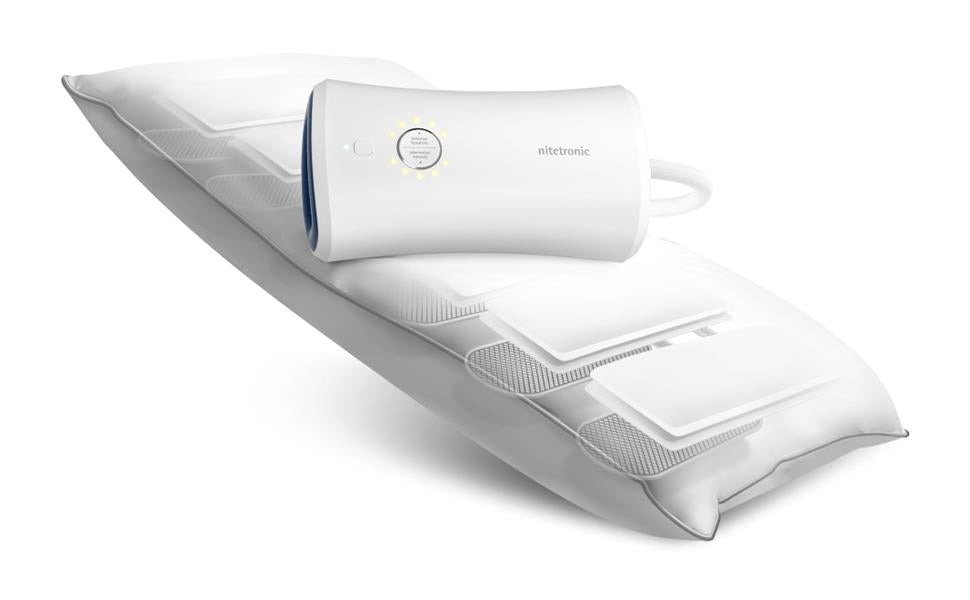
The Nitetronic G1 Smart Massage Mattress Pad, for example, is presented as an active sleep layer with nine airbag zones and five rhythmic modes. Its construction and functions are more informative than whether a shopper calls it a pad or a topper.
3. Bed size, fit and placement
Measure the mattress before ordering. Compare its width, length and height with the product's supported dimensions. Then consider:
- whether the unit covers the full mattress or only the central sleep area;
- whether straps, a fitted skirt or friction keep it in position;
- whether cables and hoses can reach the control unit safely;
- whether your fitted sheet has enough depth for the added layer; and
- whether an adjustable bed base changes compatibility.
Browse the Nitetronic mattress collection to compare the intended formats and specifications rather than relying on category names alone.
4. Power, sound and bedside setup
Powered air or climate systems add practical considerations that passive toppers do not have. Locate a nearby outlet, check cable routing and confirm where the pump or controller should sit. A control unit should have ventilation and should not create a trip hazard.
If you are sensitive to sound, ask whether the motor operates continuously or only during adjustments. Product videos and published sound specifications can help, but personal sensitivity and bedroom background noise vary. Avoid treating a single decibel figure as a universal comfort guarantee.
5. Cleaning and moisture protection
Never assume an electronic sleep layer can be machine washed. Review which covers are removable and which components are spot-clean only. The current G1 care guidance, for instance, specifies spot cleaning with mild detergent and does not recommend machine washing or drying.
If spills are a concern, check whether a compatible protector can be used without blocking sensors, airflow or moving sections. Keep connectors and pumps dry, and follow the manufacturer's disconnection instructions before cleaning.
6. Sleep data, privacy and realistic expectations
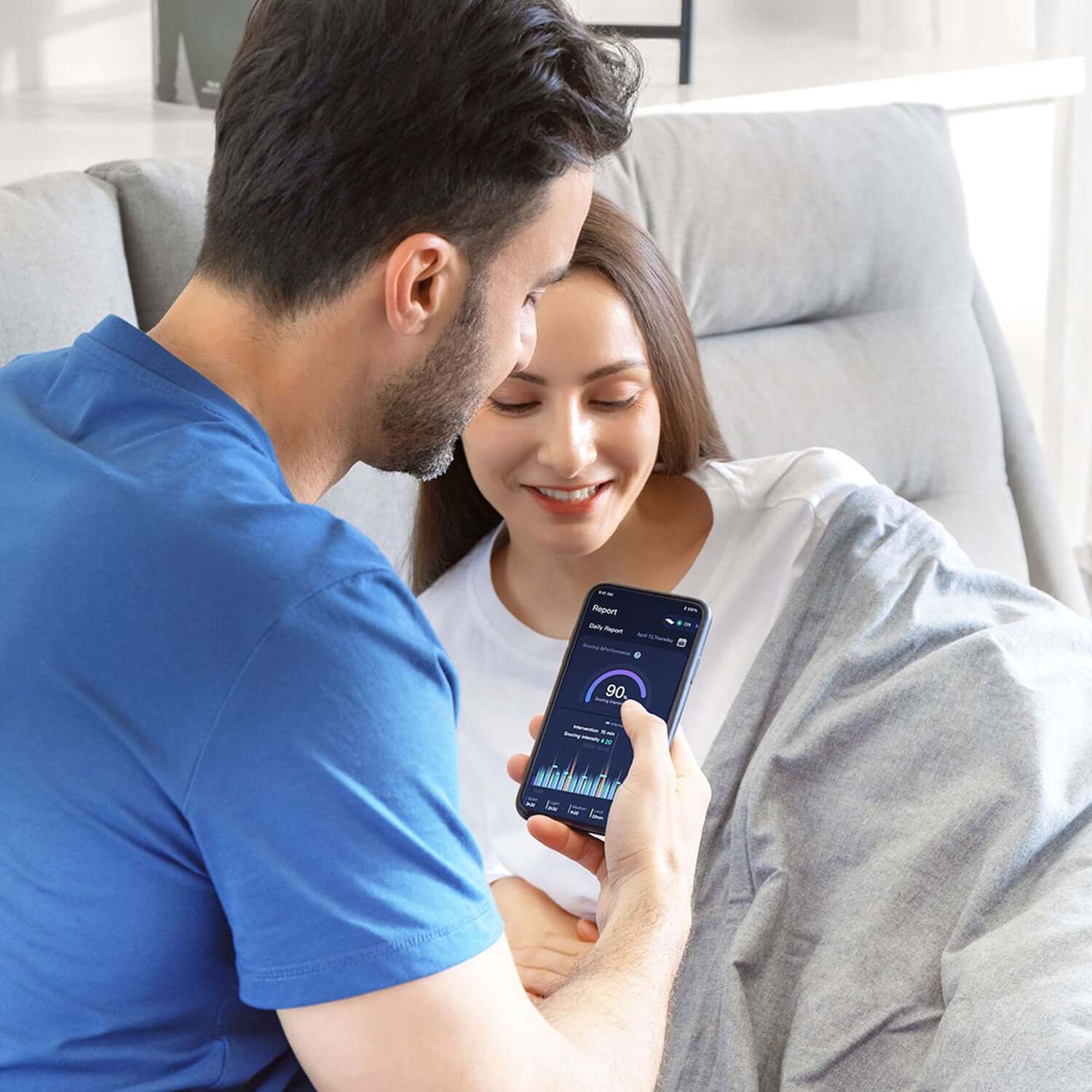
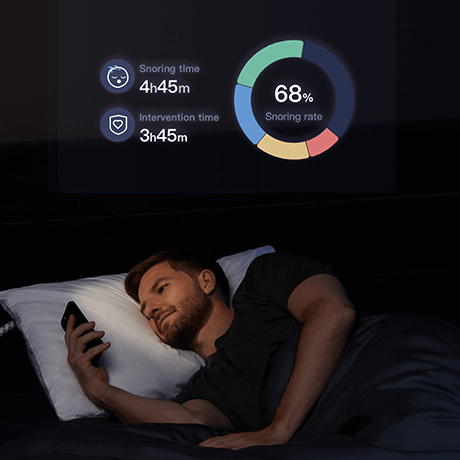
Some smart pads estimate sleep-related patterns using pressure, movement or other signals. These outputs can be useful for observing trends, but consumer sleep technology is not a medical diagnosis. “AI” also does not, by itself, establish accuracy or clinical relevance.
Before enabling data features, review what is collected, where it is stored, how long it is retained and whether it can be deleted. Decide whether the insight is valuable enough to justify account and connectivity requirements. If you have persistent sleep, breathing or pain concerns, discuss them with a qualified healthcare professional rather than relying on a mattress accessory.
7. Returns, warranty and long-term ownership
A powered product has more components than a passive foam layer. Read the warranty coverage for the surface material, air system, electronics and accessories. Confirm the return window, trial conditions, packaging requirements and who pays return shipping.
Replacement availability also matters. Ask whether controllers, pumps, covers or cables can be purchased separately. A lower initial price may not be the better value if a small unavailable component makes the entire product unusable.
A practical buying checklist
Use this checklist before deciding between any smart topper and smart pad:
- Define your main goal: cushioning, massage, temperature control, monitoring or protection.
- Compare actual thickness, materials and active components.
- Verify mattress dimensions, sheet depth and adjustable-base compatibility.
- Check outlet, cable, hose and controller placement.
- Understand normal operating sound and nighttime controls.
- Read the complete cleaning instructions.
- Review app, account, subscription and privacy requirements.
- Separate wellness features from medical claims.
- Confirm trial, return, warranty and replacement-part terms.
- Read the setup guide before discarding packaging.
For a more detailed preparation process, see our smart mattress pad fit and setup checklist.
The bottom line
A smart mattress topper and a smart mattress pad may differ in thickness, cushioning and intended use—but the product name alone cannot tell you which is which. Look beyond the category label and compare construction, active features, fit, maintenance, data practices and ownership costs.
Choose a thicker comfort-focused layer when changing mattress feel is the priority. Consider an active smart pad when massage, climate or monitoring features matter more than deep cushioning. The best choice is the one that solves your specific problem while fitting safely and practically into your bedroom routine.
Frequently asked questions
Is a smart mattress pad the same as a smart mattress topper?
Not always. Topper traditionally suggests a thicker comfort layer, while pad often suggests a thinner layer. Smart products blur this distinction, so compare dimensions, materials and functions.
Can I place a smart mattress pad over a foam topper?
Only if the manufacturer permits it. Extra softness can change sensor readings, airflow, stability or massage performance. Follow the specified layer order and compatibility guidance.
Will a smart topper fix an old mattress?
It may change surface comfort, but it cannot repair sagging, broken support or structural wear. Replace a mattress that no longer provides safe, even support.
Are smart mattress sleep reports medically accurate?
Consumer sleep data is best treated as an estimate or trend, not a diagnosis. Seek professional advice for ongoing sleep or health concerns.
Can a smart mattress pad be machine washed?
Many cannot. Electronics, air channels and connectors may require spot cleaning or a removable washable cover. Always follow the exact care label for your model.

Leave a comment
This site is protected by hCaptcha and the hCaptcha Privacy Policy and Terms of Service apply.