

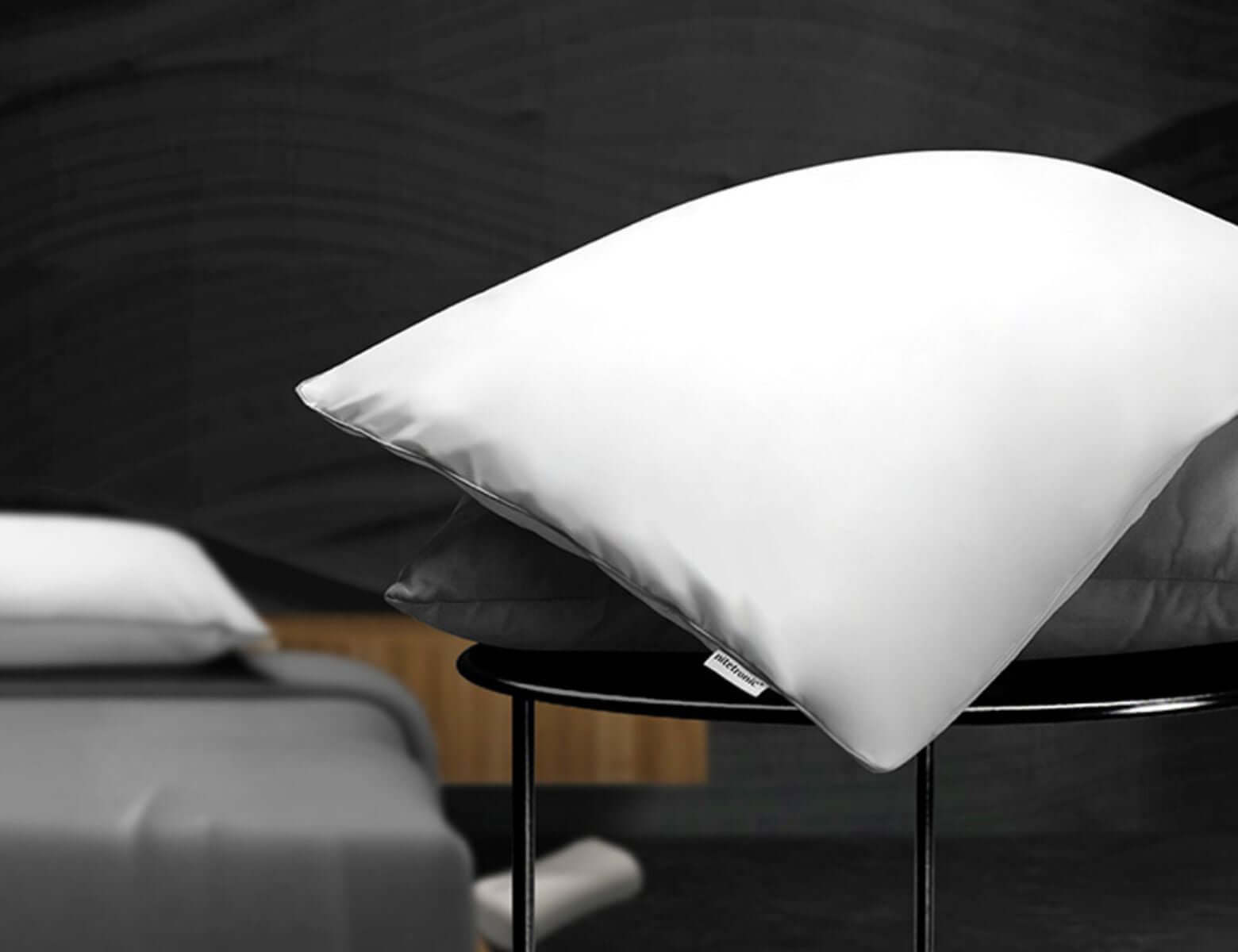



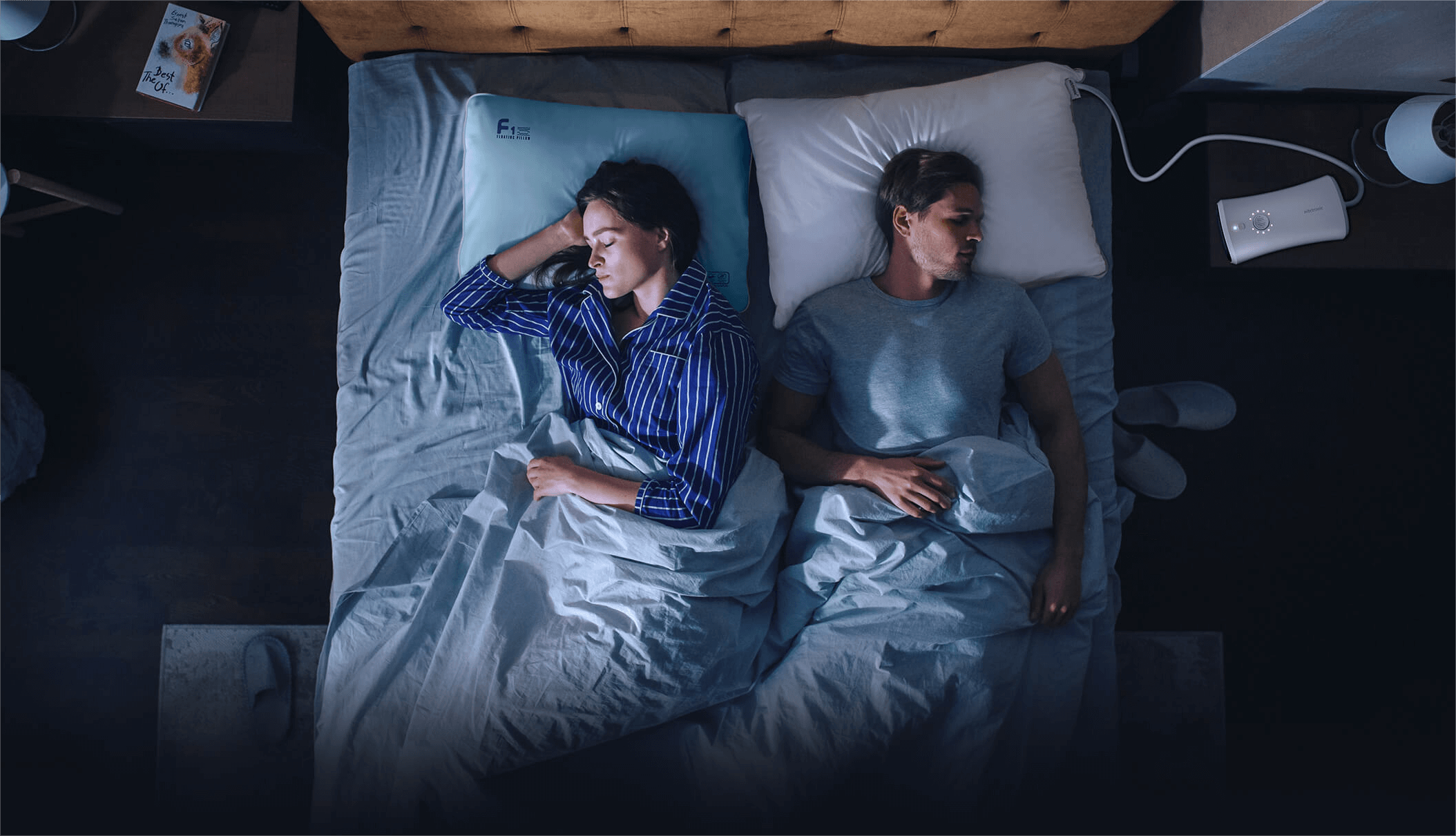
Memory foam and adjustable air are not competing versions of the same feature. Memory foam mainly provides a shaped support surface, while air chambers can change height or pressure. Some smart anti-snore pillows combine both, but the useful question is not which material sounds more advanced—it is how each design behaves under your head during a real night of sleep.
This guide compares comfort, adjustability, noise, care and realistic snoring-related expectations.
What a memory-foam pillow does
Memory foam responds to pressure and warmth, allowing the head and neck to settle into the surface. It may be molded into a fixed contour or cut into removable layers.
Potential advantages include:
- stable, quiet support;
- predictable contour zones;
- reduced need for mechanical parts;
- a familiar feel for many sleepers.
Its biggest limitation is fit. A fixed contour cannot adapt if the height is wrong for your shoulder width, mattress firmness or sleep position. Foam also feels firmer in a cool room and softens as it warms.
What an adjustable air pillow does
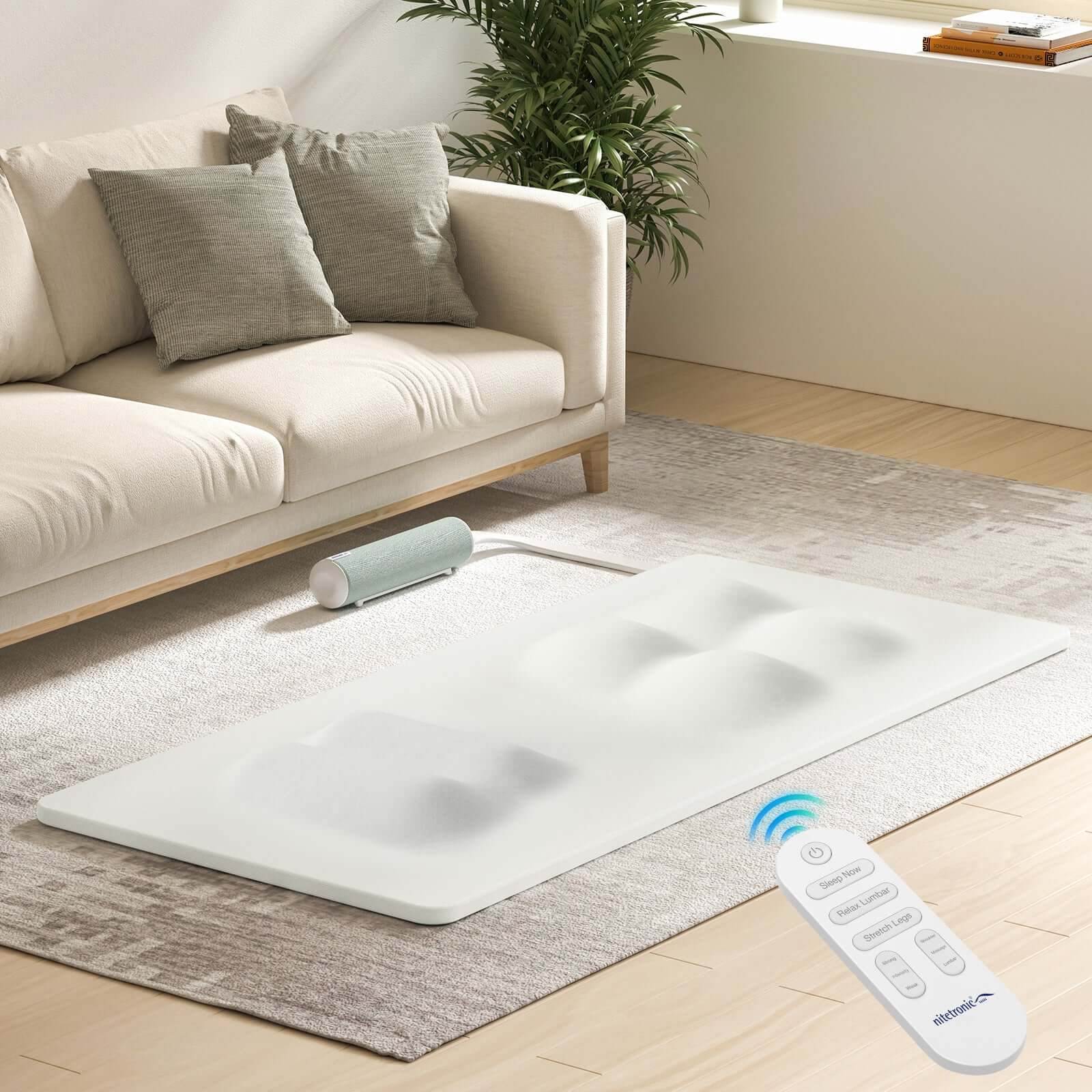
An air-based pillow uses one or more chambers to change support. Adjustment may be manual, controlled by a remote, or triggered by sensors.
Possible benefits include:
- a wider support range than a fixed block of foam;
- the ability to test small height changes;
- different zones for different parts of the pillow;
- responsive movement in sensor-guided models.
Air systems add complexity. Buyers should check pump noise, inflation speed, power access, control method, chamber placement and what happens during a power interruption.
Why some designs combine foam and air
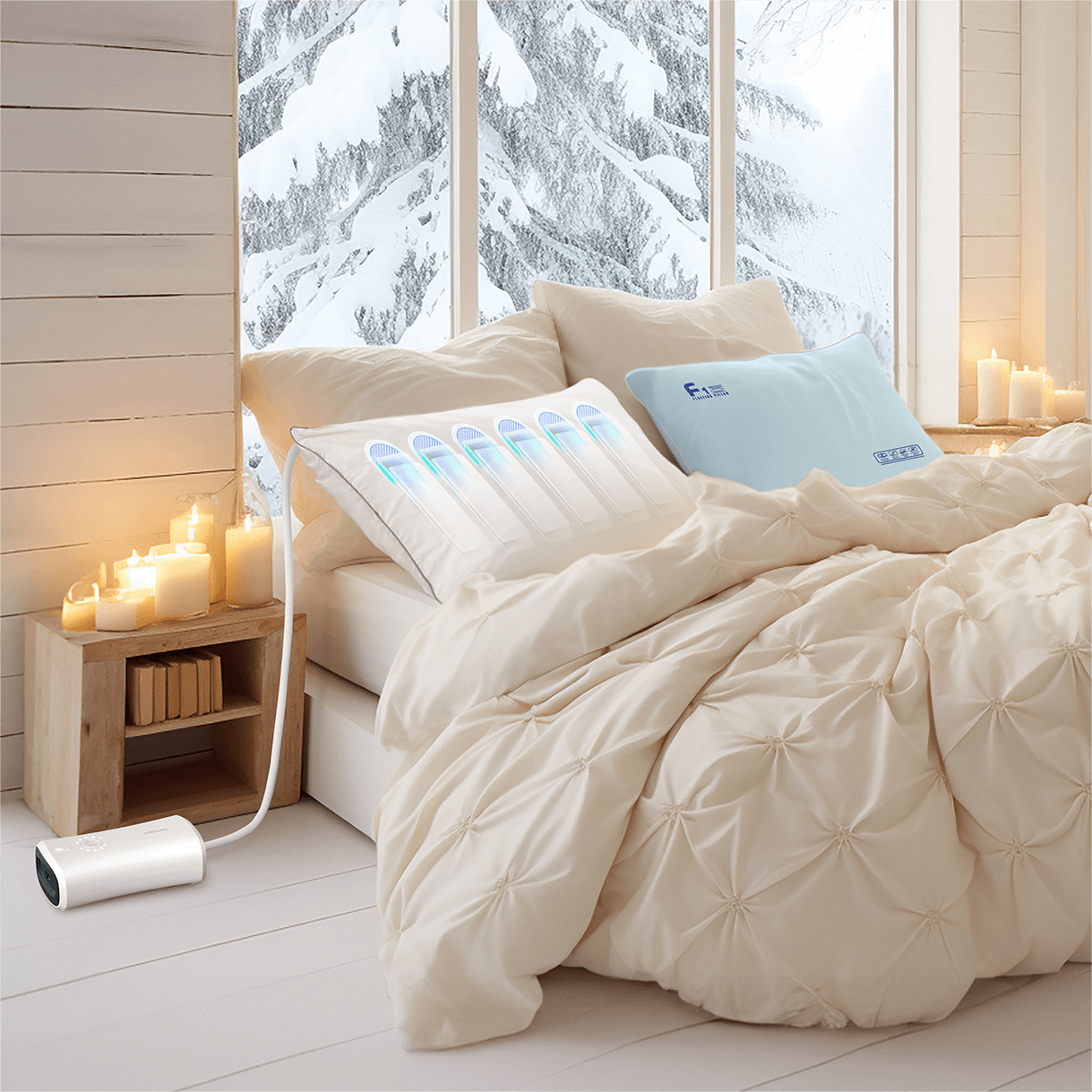
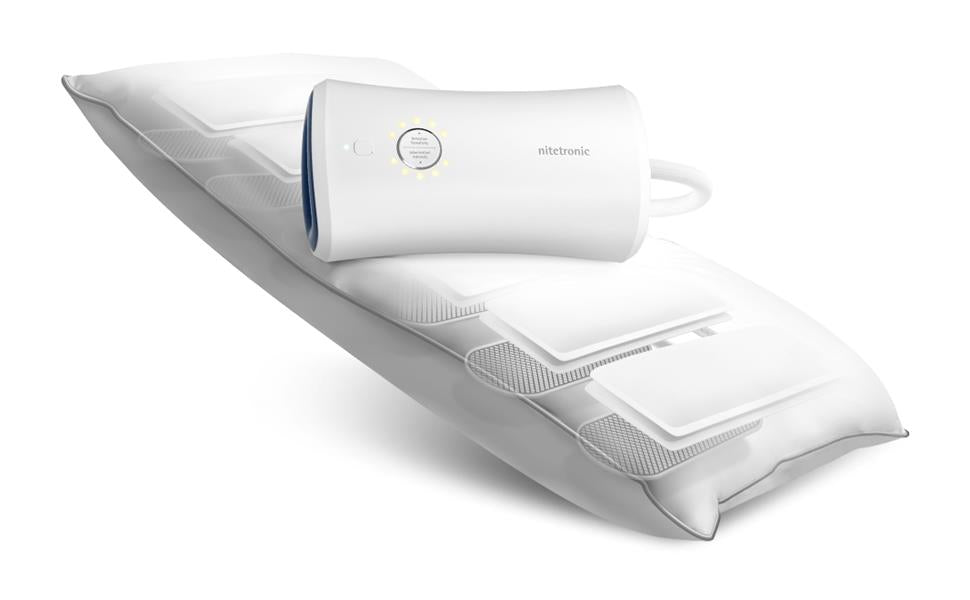
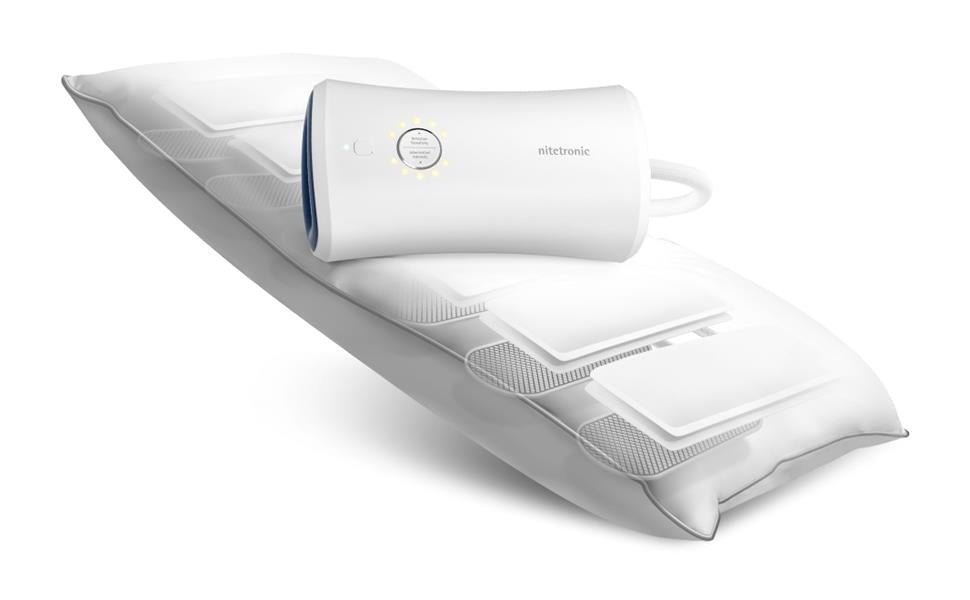
Foam can provide the base comfort while air chambers create movement or fine adjustment. The Nitetronic Z6 Smart Anti-Snore Pillow, for example, combines memory foam, sensors and six independent air chambers.
That combination does not turn a consumer pillow into a medical device. It remains a sleep-support product and should not replace diagnosis, a sleep study or prescribed therapy.
Fixed support versus active adjustment
A fixed memory-foam contour supports the position you choose. It cannot respond if you roll onto your back or if snoring becomes more noticeable.
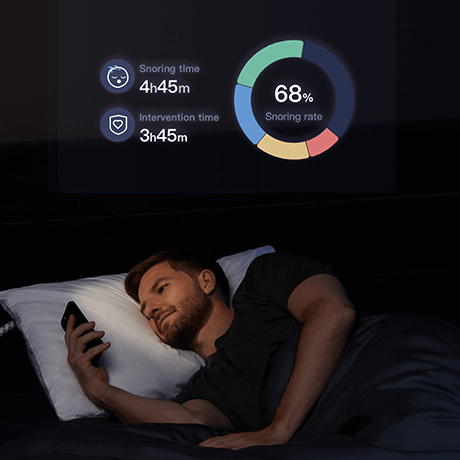
An active pillow may listen for snoring sounds and make a gentle positional change. Its result depends on detection accuracy, bedroom noise, pillow placement, adjustment strength and whether the movement is comfortable enough to avoid waking the sleeper.
Do not judge an active design only by the number of sensors or chambers. Assess the basic pillow shape first. Technology cannot compensate for an unsuitable height or an uncomfortable contour.
Which design is quieter?
Memory foam has no pump and is usually silent. Air-based systems may produce sound while changing pressure. Product specifications rarely describe perceived nighttime noise well, so look for a trial period and test the pillow in a quiet room.
A soft sound may be acceptable to one sleeper and disruptive to another. A partner may also notice it differently.
Which is easier to clean?
For both designs, the removable cover is usually the easiest part to clean. Always follow the instructions for the exact model.
Do not assume that a foam core can be machine washed. Electronic controls, sensors, pumps, hoses and air chambers must generally be kept dry unless the manufacturer explicitly states otherwise. Review our smart anti-snore pillow cleaning guide for a safer care checklist.
How sleep position changes the choice
Side sleepers often need enough compressed height to fill the shoulder-to-head gap. Back sleepers usually need less loft so the chin is not pushed sharply toward the chest. Mattress firmness also changes how far the shoulder sinks.
A fixed memory-foam pillow works best when its contour already matches those variables. Adjustable air can offer more tuning, but more adjustment is not automatically better. Excessive inflation may create pressure or uncomfortable neck angles.
For detailed fit checks, see our guides for side sleepers and back sleepers.
Can either design stop snoring?
Neither material guarantees a result. A pillow may be useful when sleep position or comfort contributes to snoring, but snoring can also relate to congestion, alcohol, anatomy, body weight, medicines or a sleep-related breathing disorder.
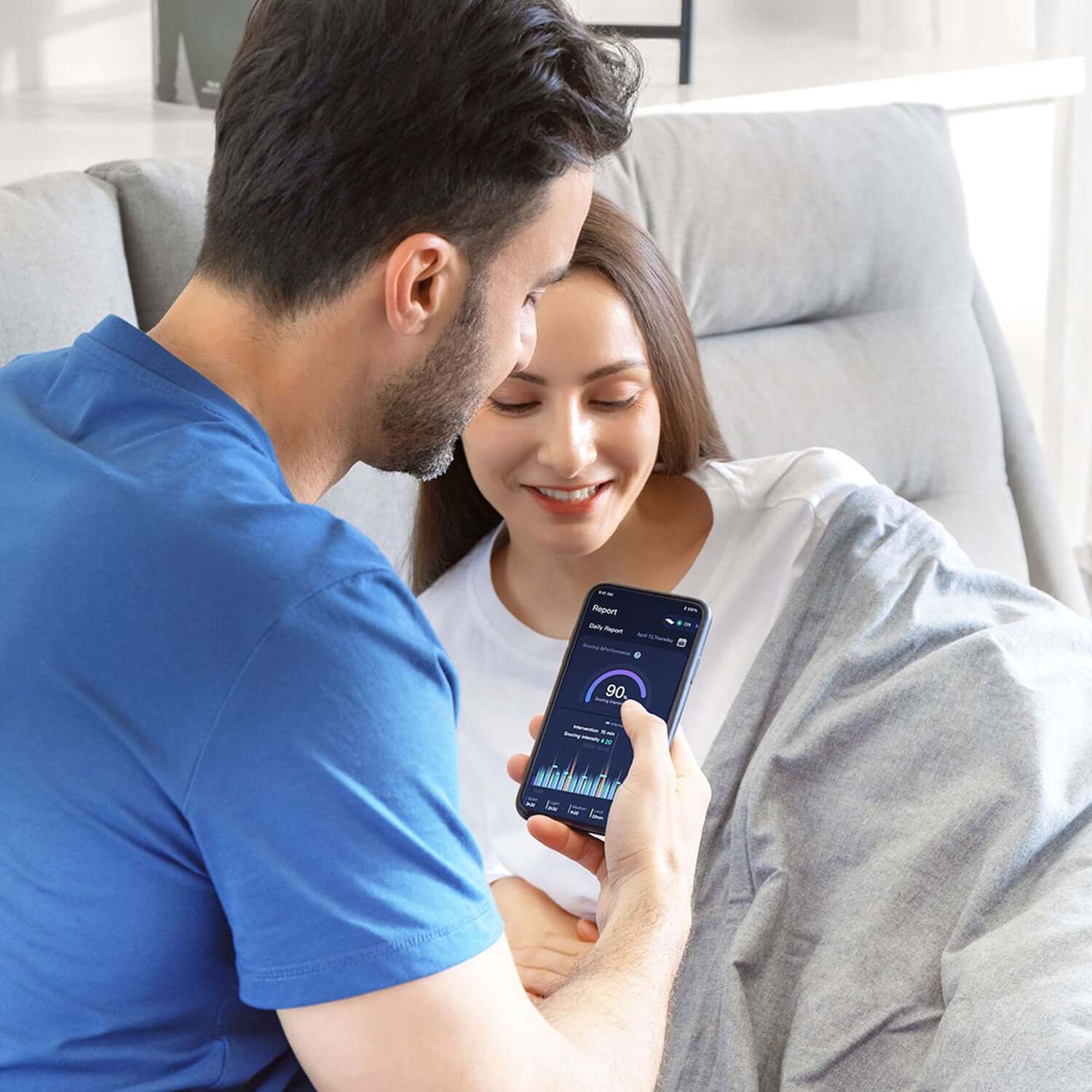
Compare trends across several nights rather than relying on one recording. Consumer apps and sound sensors can be affected by fans, traffic, television, pets and a partner.
A practical comparison checklist
Before choosing, compare:
- compressed height in your normal position;
- contour comfort after ten to fifteen minutes;
- adjustment range and smallest available step;
- operating noise and speed;
- power, cables and bedside placement;
- removable covers and cleaning restrictions;
- warranty, trial period and return terms;
- privacy terms if an app records sleep or sound data.
Browse the Nitetronic anti-snore pillow collection or use our anti-snore pillow buying guide to compare these details.
Warning signs that need medical attention
Seek qualified medical advice when loud or persistent snoring occurs with witnessed breathing pauses, choking, gasping, marked daytime sleepiness, morning headaches or concentration problems. A pillow cannot diagnose obstructive sleep apnea and should never replace CPAP, an oral appliance or other prescribed treatment.
FAQ
Is adjustable air better than memory foam for snoring?
Not universally. Air offers adjustment, while foam offers stable and quiet support. Fit, position, comfort and the cause of snoring matter more than the material label.
Can an air pillow be used without electricity?
It depends on the design. Check whether it retains pressure, offers manual adjustment or requires continuous power.
Does memory foam become softer overnight?
Memory foam commonly softens with warmth and pressure, so its feel after several minutes may differ from the first impression.
Are smart air pillows noisy?
They may produce pump or airflow sound during adjustment. Perceived noise varies, so test under normal bedroom conditions when possible.
Can either pillow treat sleep apnea?
No consumer pillow should replace medical assessment or prescribed sleep-apnea treatment.
The practical takeaway
Choose memory foam for simple, quiet, fixed support when the contour fits. Consider adjustable air when you need tunable or responsive support and accept the added power, noise and care requirements. In either case, prioritize basic comfort and realistic claims over feature count.

Leave a comment
This site is protected by hCaptcha and the hCaptcha Privacy Policy and Terms of Service apply.