







“Anti-snore pillow” and “cervical pillow” are often used as if they describe the same product. They do not. One label focuses on a sleep concern; the other usually describes support for the neck’s natural curve. A pillow may belong to both categories, but the words alone do not tell you how it works—or whether it fits your body and mattress.
This guide explains the practical differences, the features that overlap and the claims you should treat carefully.
What is an anti-snore pillow?
An anti-snore pillow is designed or marketed to support positions that may make snoring less noticeable for some sleepers. Designs vary widely. They may use:
- a fixed contour intended to support side or back sleeping;
- a wedge shape that raises the upper body;
- adjustable fill or inserts;
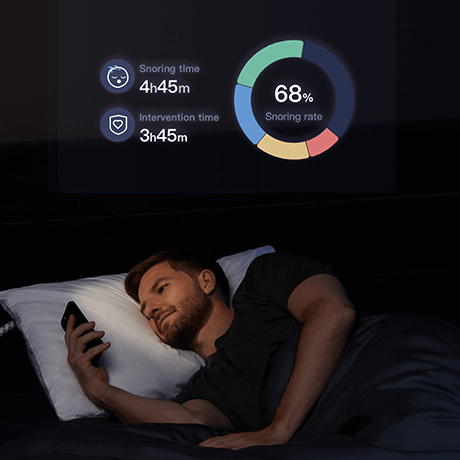
- sound detection and gentle positional adjustment;
- cutouts that accommodate a shoulder or CPAP mask.
The label does not guarantee a particular mechanism or result. Snoring has many possible influences, including sleep position, nasal congestion, alcohol, anatomy, body weight and sleep-related breathing disorders. A pillow is therefore a positioning and comfort product—not a diagnosis or universal treatment.
For an overview of realistic expectations, see Do Anti-Snore Pillows Work?.
What is a cervical pillow?
A cervical pillow is shaped to support the head and the curve of the neck. Common versions include contoured memory foam, neck rolls, water-based designs and adjustable-fill pillows.
The word “cervical” describes the neck region. It does not automatically mean that the product is a medical device, clinically validated or suitable for every person with neck pain. Height, contour depth, firmness and compression still need to match the sleeper.
A cervical pillow can feel supportive when it fills the space beneath the neck without forcing the head sharply forward, backward or sideways. A contour that is too high or too rigid can be just as uncomfortable as a pillow with too little support.
The central difference: intended goal
The simplest distinction is the product’s primary goal:
- **Anti-snore pillow:** emphasizes sleep position or responsive adjustment in relation to snoring.
- **Cervical pillow:** emphasizes head-and-neck support and comfortable alignment.
Those goals can overlap. A contoured pillow may support the neck while also making side sleeping more comfortable. A smart anti-snore pillow may use a shaped memory-foam base. However, neck support does not prove that a pillow will reduce snoring, and an anti-snore design is not necessarily the right contour for a person with neck symptoms.
Compare the actual mechanism, not the label
Before buying, ask what physically happens when you lie on the pillow.
Fixed contour
A molded shape creates higher and lower zones. It is simple and quiet, but the fit cannot be changed. Check both the center height for back sleeping and the side height for shoulder clearance.
Adjustable height or fill
Inserts, removable foam or loose fill let you tune the loft. This is useful when you are uncertain about height, although each configuration should be tested for several nights when practical.
Upper-body elevation
A wedge raises more than the head. That is different from a cervical contour, which usually focuses on the head and neck. Confirm the wedge length, angle and effect on the lower back before assuming that “higher” means “better.”
Active smart adjustment
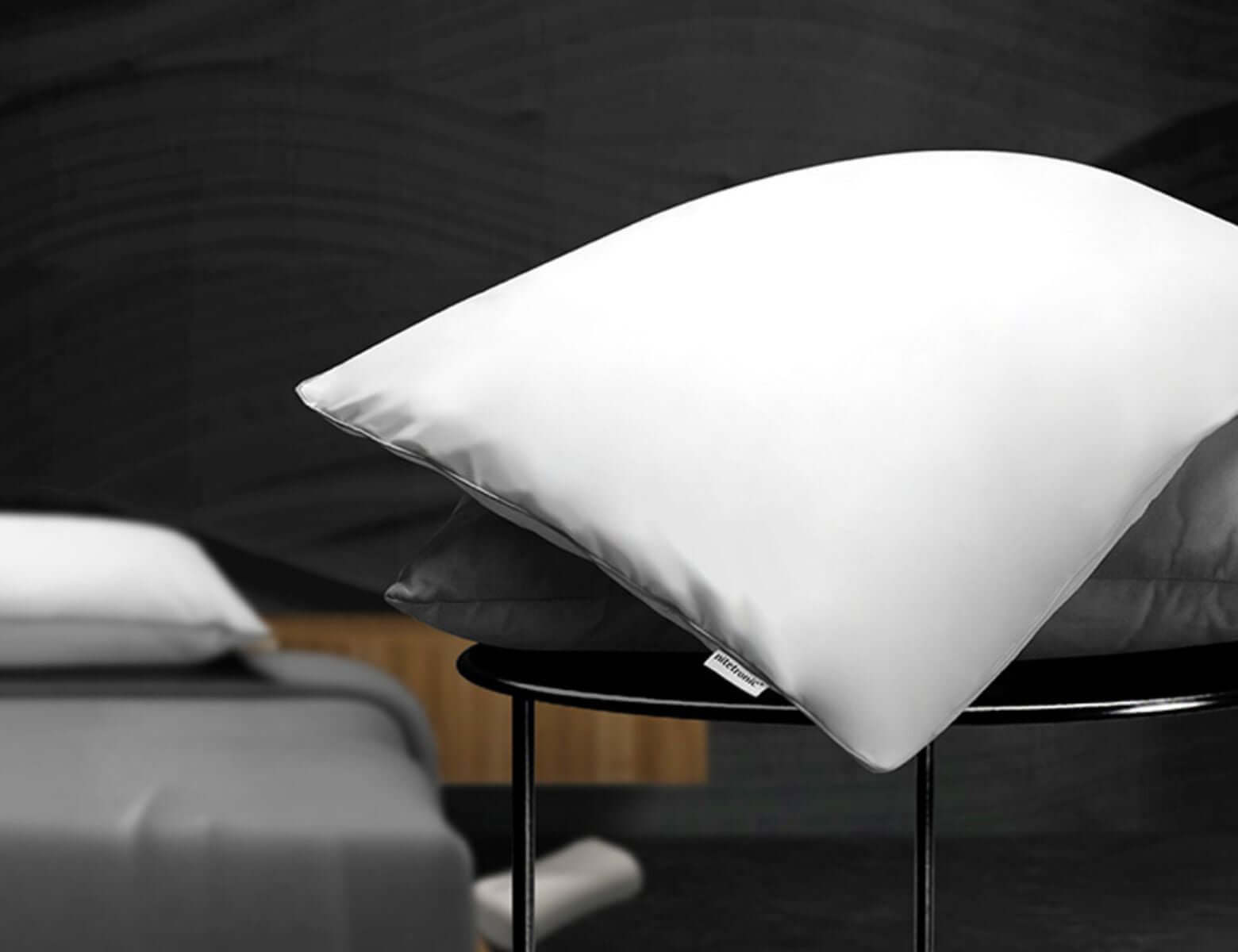
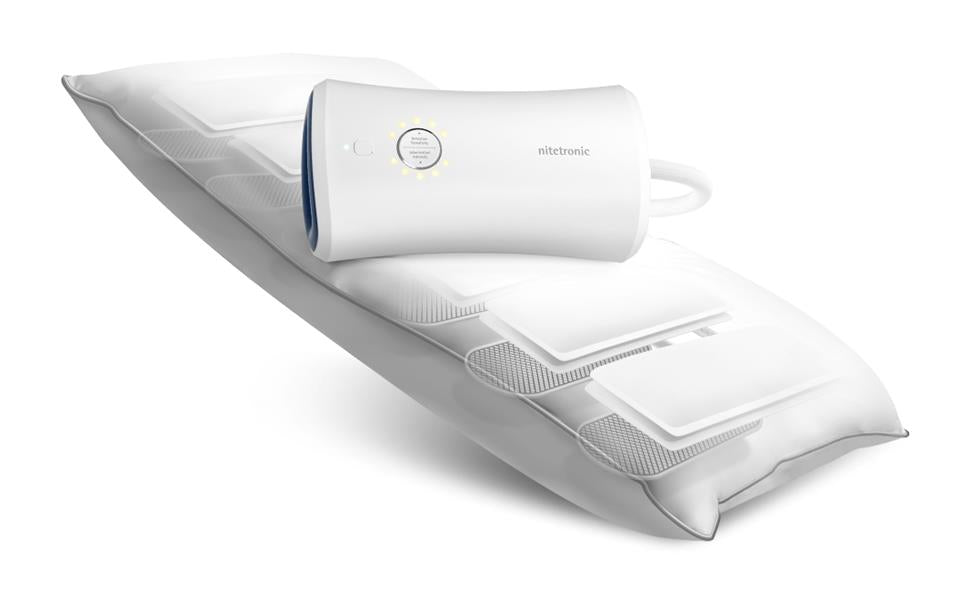
Some pillows use sensors to detect snoring sounds and adjust support during the night. The Nitetronic Z6 Smart Anti-Snore Pillow, for example, combines a memory-foam structure with sensors and six independent air chambers. It is a consumer sleep-support product and should not replace medical evaluation or prescribed therapy.
Height and sleep position still determine fit
A product can have excellent materials and still be the wrong height.
Side sleepers generally need enough compressed loft to fill the space created by the shoulder. Back sleepers often need less height so the chin is not pushed sharply toward the chest. Stomach sleepers usually need a thinner surface, although this position may feel uncomfortable for some necks.
Mattress firmness changes the calculation. A shoulder sinks farther into a soft mattress, reducing the pillow height required for side sleeping. On a firm mattress, the same sleeper may need more loft.
Measure the pillow while it is supporting you, not only while it is uncompressed on a table. Our guides for side sleepers and back sleepers explain these fit checks in more detail.
How to choose based on your main goal
If your main goal is comfortable neck support
Prioritize compressed height, contour depth, pressure distribution and the ability to maintain a neutral-feeling position. If you have persistent pain, numbness, weakness, recent injury or limited movement, seek individualized professional guidance rather than relying on a product label.
If your main concern is position-related snoring
First determine whether snoring appears to change between back and side sleeping. Compare several nights under reasonably similar conditions. A supportive contour, adjustable pillow or responsive design may be worth evaluating when position seems relevant.
If both goals matter
Look for a design whose base shape is comfortable before considering extra features. Sensors, air chambers or an app cannot compensate for an unsuitable basic height or contour.
Seven checks before you buy
- **Compressed height:** Does it suit your usual position and mattress?
- **Contour:** Does it support without forcing the neck?
- **Adjustment range:** Can the loft or support be changed gradually?
- **Materials:** Are the foam, cover and internal components clearly described?
- **Care:** Which covers are removable and which components must remain dry?
- **Trial and returns:** Is there enough time to evaluate comfort across several nights?
- **Claims:** Does the seller distinguish comfort support from medical treatment?
For a broader checklist, visit our anti-snore pillow buying guide or browse the Nitetronic anti-snore pillow collection.
A responsible home test
Keep the first test simple. Lie in your normal position and allow the pillow to compress. Notice whether the chin is pushed forward, the head tilts backward or the neck feels unsupported. Roll into your secondary position and repeat the check.
Over several nights, record:
- comfort at bedtime;
- awakenings and position changes;
- morning neck stiffness;
- congestion, alcohol and unusual sleep loss;
- snoring trends from a partner or consumer recorder.
Change one variable at a time. Consumer recordings are useful for trends, not diagnosis, and bedroom noise can affect them.
When not to rely on a pillow
Seek medical advice when snoring is persistent and loud or occurs with witnessed breathing pauses, choking, gasping, marked daytime sleepiness, morning headaches or difficulty concentrating. A pillow cannot diagnose obstructive sleep apnea and should not replace CPAP, an oral appliance or any treatment recommended by a qualified clinician.
Likewise, persistent or worsening neck pain, arm symptoms, weakness or symptoms following an injury require appropriate assessment.
FAQ
Is a cervical pillow the same as an anti-snore pillow?
No. A cervical pillow focuses on supporting the head and neck, while an anti-snore pillow focuses on positioning or adjustment related to snoring. Some products combine both ideas.
Can a cervical pillow stop snoring?
It may make a comfortable position easier to maintain, but it cannot address every cause of snoring and should not be presented as a guaranteed treatment.
Is a contoured pillow better than a flat pillow?
Only when the contour fits the sleeper. Height, shoulder width, mattress firmness and preferred position determine whether a shape feels supportive.
Can an anti-snore pillow help neck pain?
It is not automatically designed or validated for neck pain. Evaluate its basic contour and seek professional advice for persistent, severe or neurologic symptoms.
Can either pillow treat sleep apnea?
No consumer pillow should replace medical assessment or prescribed sleep-apnea treatment.
The practical takeaway
Choose between an anti-snore pillow and a cervical pillow by comparing mechanisms and fit—not marketing labels. Start with comfortable head-and-neck support, then consider whether position-related features or active adjustment match your observed sleep pattern. If snoring or neck symptoms include warning signs, make professional assessment the priority.

Leave a comment
This site is protected by hCaptcha and the hCaptcha Privacy Policy and Terms of Service apply.