

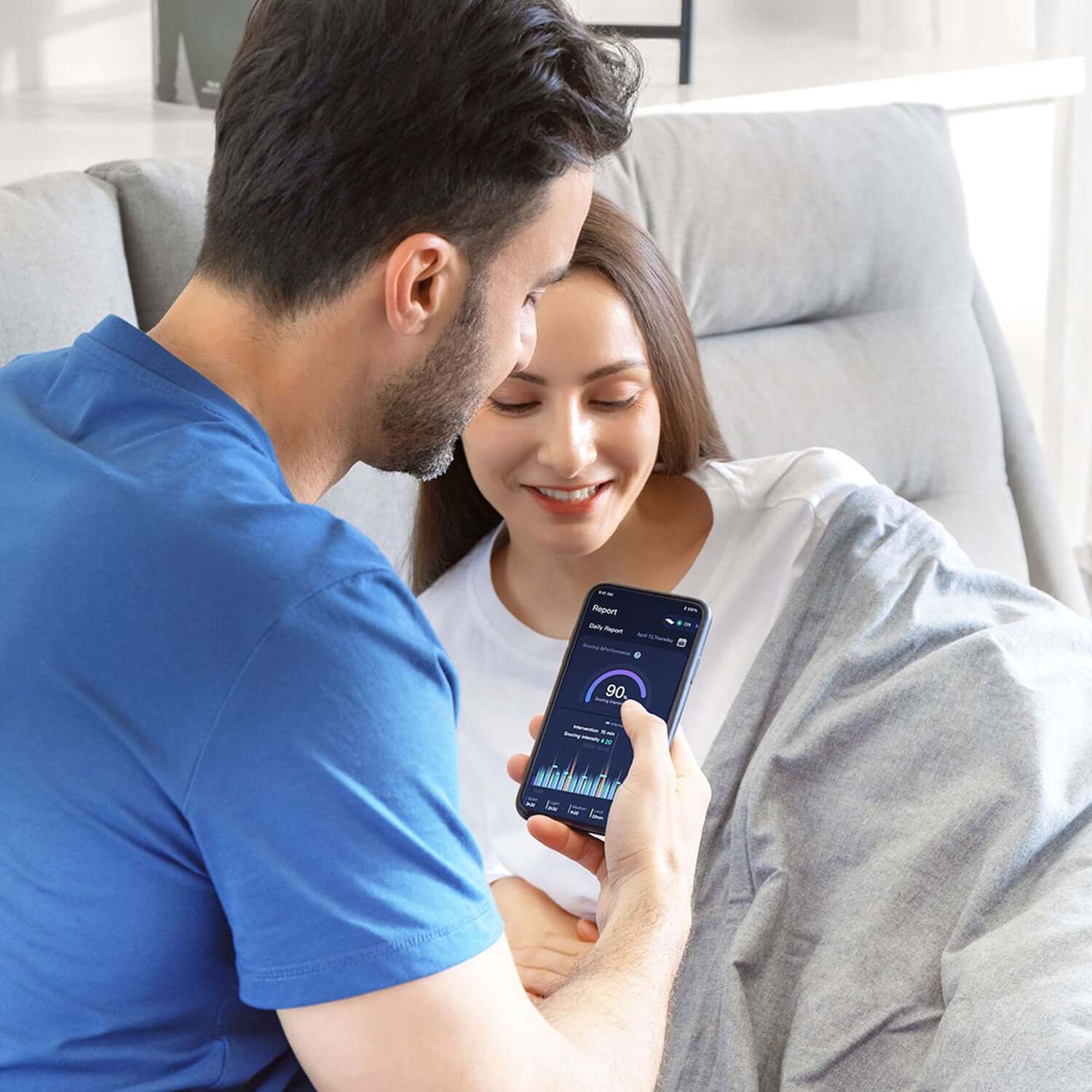

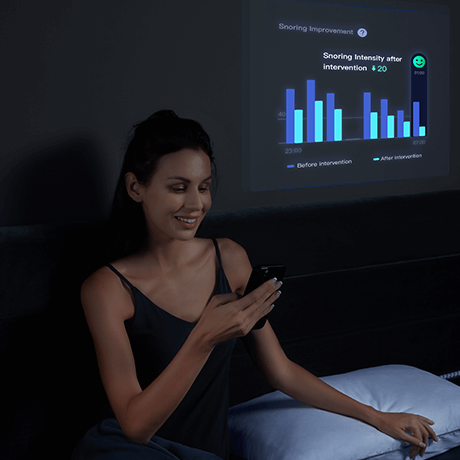
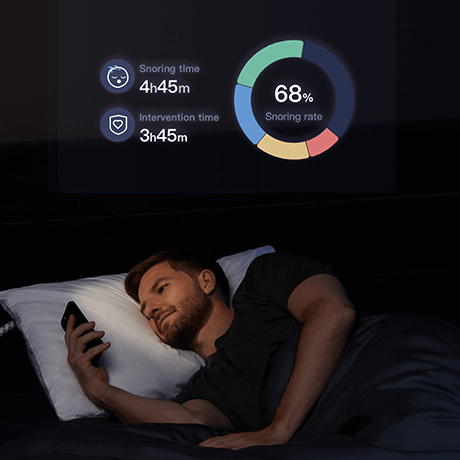
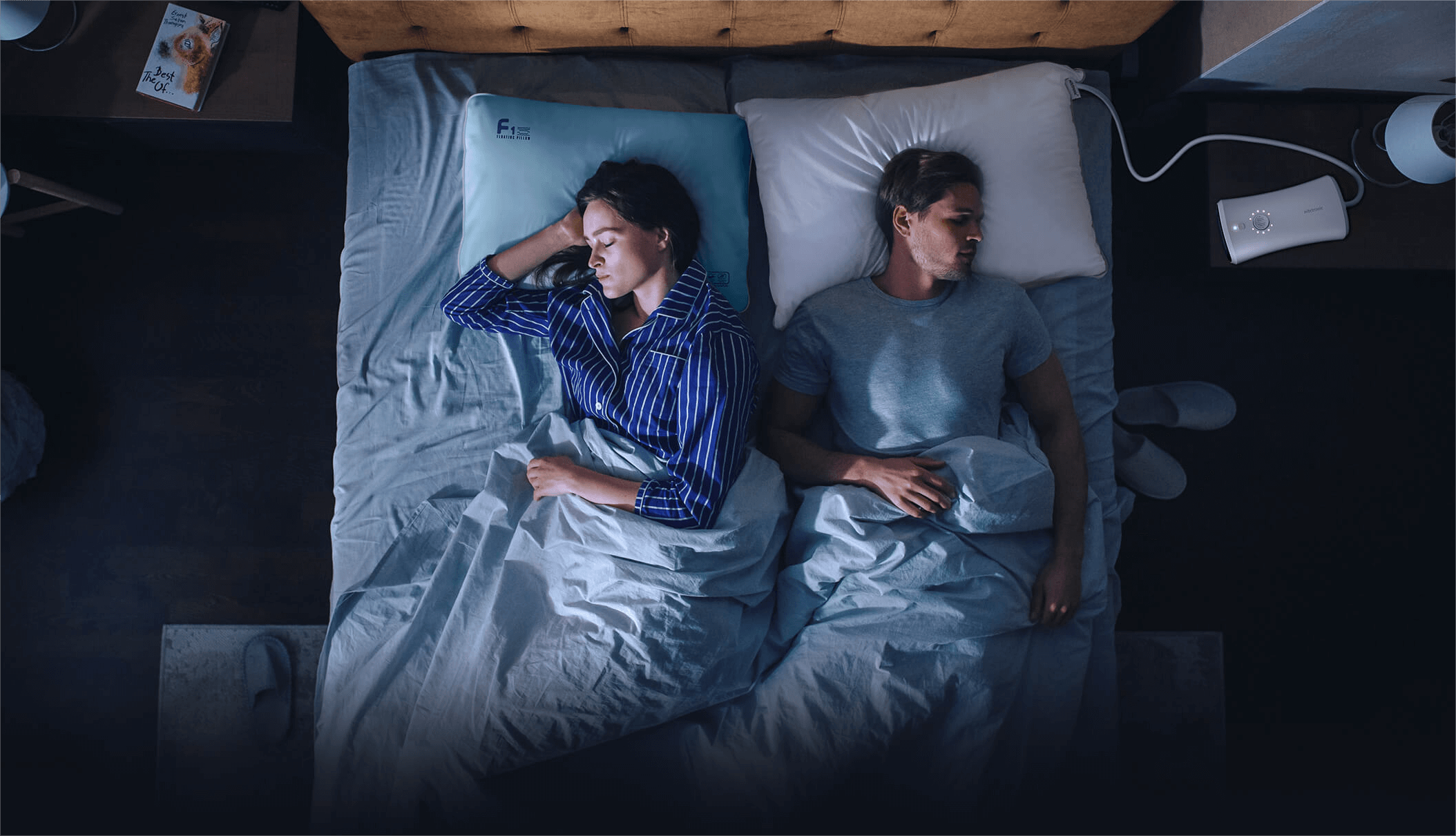
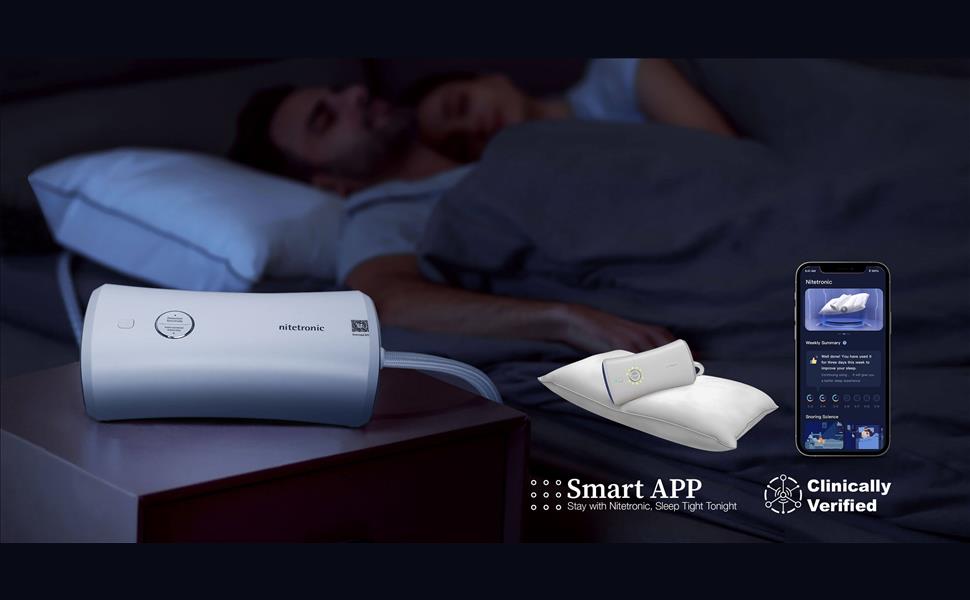
A smart pillow for snoring may show nightly reports, snoring periods and intervention activity. Those numbers can help you notice patterns, but they are easy to overinterpret. Consumer sleep data is most useful when it answers practical questions about setup and trends rather than acting like a medical diagnosis.
This guide explains which signals can be useful, what can distort them and when professional evaluation matters.
What a smart pillow may record
Features vary by model and app, but a connected pillow may report information such as:
- estimated snoring frequency or duration;
- the timing and intensity of detected sounds;
- intervention events;
- head position or movement;
- estimated sleep duration;
- comparisons between nights.
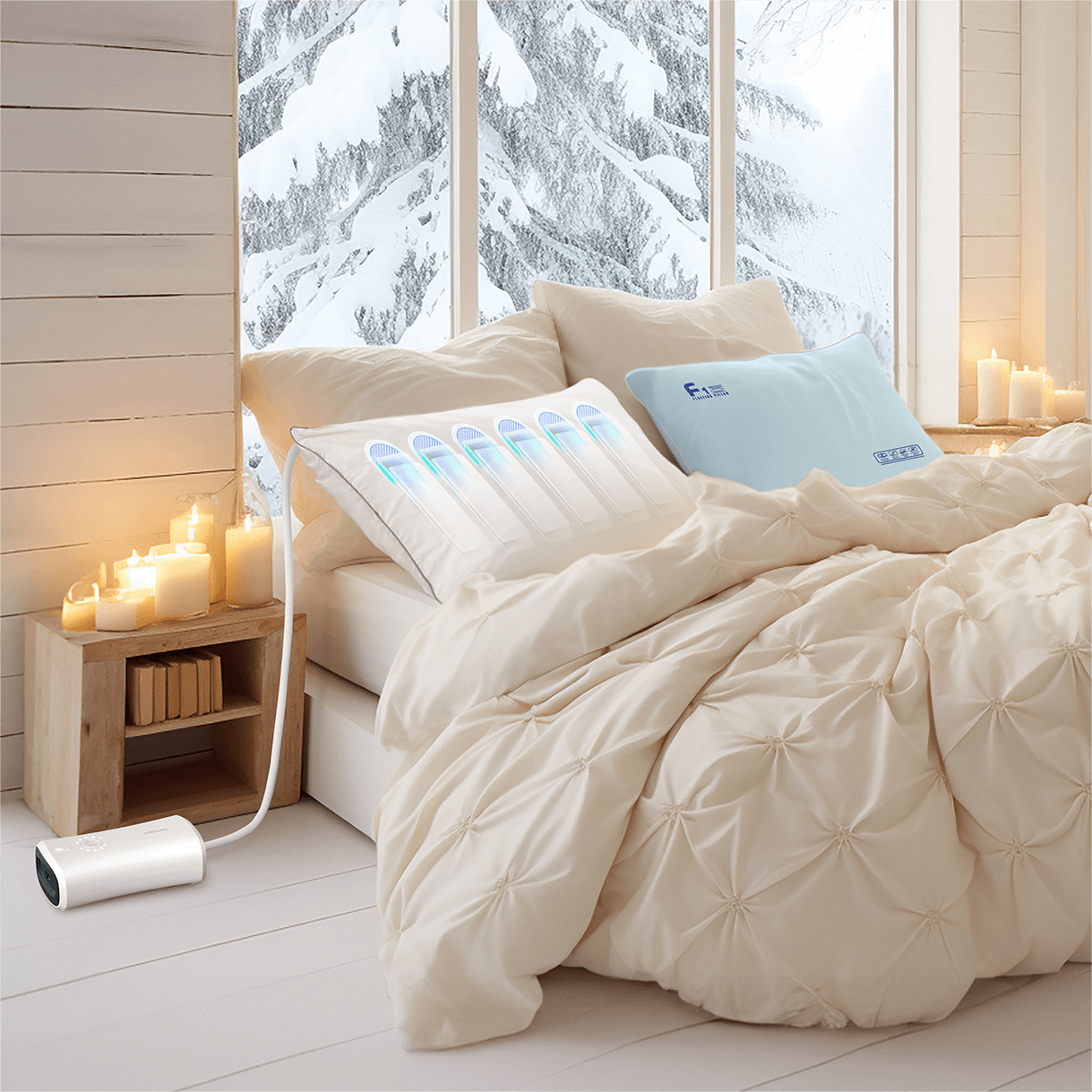
The Nitetronic Z6 Smart Anti-Snore Pillow combines sound and head-position sensing with adjustable air chambers. The Nitetronic A1 AI Anti-Snore Pillow also provides app-based sleep information and responsive pillow adjustments.
These products are consumer sleep aids. Their reports should not be treated as clinical sleep studies.
Useful question 1: Is the setup consistent?
Before comparing scores, check whether the conditions were similar. A report may change because the phone moved, the room became noisier or the user slept in another position.
Use the data to verify practical details:
- Was the pillow powered and connected correctly?
- Did the app record a complete night?
- Did the pillow register intervention activity?
- Was the same sensitivity setting used?
- Was the head within the intended support area?
Our smart anti-snore pillow setup guide and head-placement guide cover these checks.
Useful question 2: Do patterns repeat?
One unusually quiet night is encouraging, but it does not establish a reliable result. Snoring varies with sleep position, congestion, alcohol, fatigue, bedtime and room noise.
Look for a repeated direction across several comparable nights. A weekly median or typical range is usually more useful than the single lowest score. Note nights that were clearly unusual instead of mixing every recording together.
If app data and a partner's observations point in the same direction across multiple nights, the pattern becomes more useful. If they disagree, check the recording conditions before drawing a conclusion.
Useful question 3: Does the pillow disturb sleep?
A lower snoring score does not automatically mean the overall night was better. Comfort, awakenings and morning symptoms also matter.
Track:
- whether you woke during an adjustment;
- whether the neck or shoulders felt comfortable;
- whether the pillow remained in place;
- whether you removed it during the night;
- whether you felt unusually tired in the morning.
If a setting reduces comfort, return to the manufacturer's recommended setup rather than immediately choosing a stronger intervention.
What consumer sleep data cannot prove
A smart pillow report cannot confirm that the airway remained open throughout the night. It cannot diagnose obstructive sleep apnea, determine blood oxygen levels unless a validated sensor specifically measures them, or replace a polysomnography test.
A microphone may classify sounds, but it does not know every cause of the sound. A partner, fan, television, pet or traffic can affect results. Even accurate snoring detection does not equal a medical diagnosis.
Avoid comparing percentages without context
An app might show a reduction percentage, intervention rate or severity score. Before comparing it with another night, ask:
- Was the recording duration similar?
- Was the same person and room involved?
- Did the app definition or setting change?
- Was the sleeper congested?
- Did the sleeper spend more time on the back?
A 50% reduction across a short or interrupted recording may be less meaningful than a smaller but consistent change across full nights.
Keep a simple weekly log
A useful weekly review does not need a complicated spreadsheet. Record the date, bedtime, main sleep position, congestion, alcohol, unusual fatigue, pillow setting, comfort and the app's main snoring measure.
Then compare the typical result with the previous week. Change only one approved setting at a time. Our 14-night pillow test offers a structured method.
Privacy and local data questions
Before using any connected sleep product, review its privacy policy and account settings. Check which data stays on the device, which data reaches the app or cloud, how long it is stored and how to delete it.
Avoid sharing detailed sleep reports publicly when they contain personal information. If another household member is recorded, discuss the setup with them first.
When the report should lead to medical advice
Persistent loud snoring with witnessed breathing pauses, choking, gasping, morning headaches or marked daytime sleepiness deserves professional evaluation. Do not use a favorable app score to dismiss these symptoms.
Anyone already using CPAP or another prescribed treatment should continue it unless a qualified clinician advises otherwise. A smart pillow does not replace prescribed care.
FAQ
Is a smart pillow more accurate than a phone snoring app?
A pillow may combine sound information with head-position or intervention data, which can add useful context. Accuracy still depends on the product, setup and environment. Neither should be treated as a clinical diagnostic test.
What is the most useful number to track?
There is no universal best metric. Choose one consistent snoring measure, then pair it with comfort, awakenings and sleep position. Trends across comparable nights matter more than a single score.
Why does the app show activity when I do not remember snoring?
Environmental sound, movement, sensitivity settings or brief events you did not remember may contribute. Check the setup and compare several nights.
Should I increase sensitivity when the report looks unchanged?
Follow the product instructions. Change only one setting at a time and allow several nights for comparison. Maximum sensitivity is not automatically the best choice.
Can sleep data tell me whether I have sleep apnea?
No. Consumer data may identify patterns worth discussing, but diagnosis requires assessment by a qualified medical professional.
The practical takeaway
Use smart pillow data to check setup, compare repeated patterns and balance snoring trends with comfort. Keep the conditions consistent and treat the report as a consumer wellness tool, not a diagnosis.

Leave a comment
This site is protected by hCaptcha and the hCaptcha Privacy Policy and Terms of Service apply.