

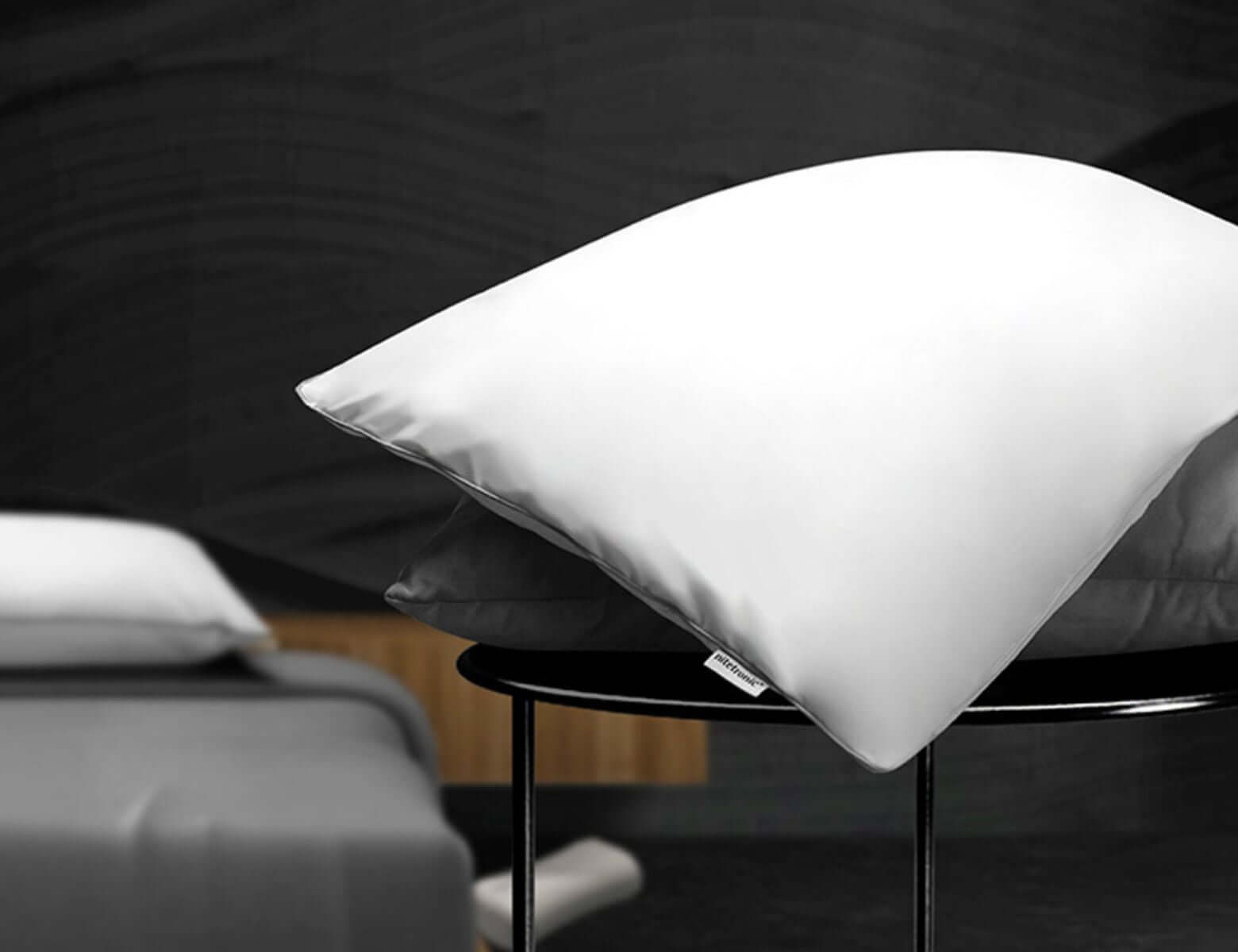


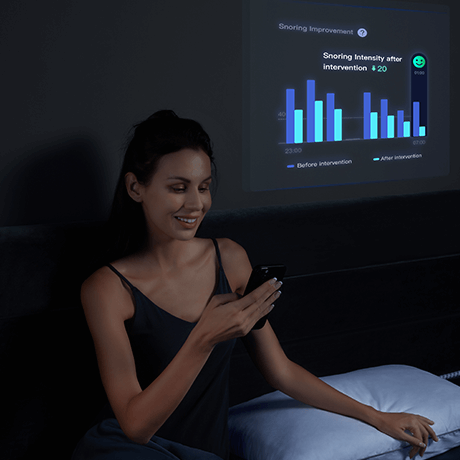
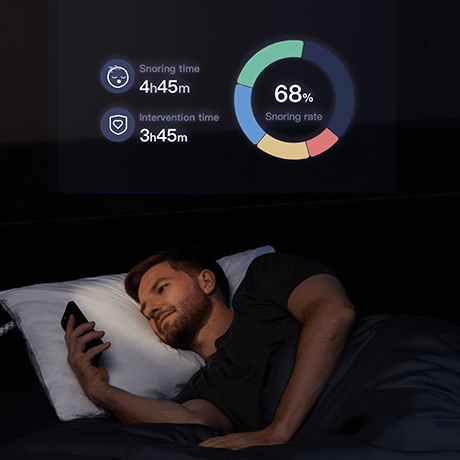
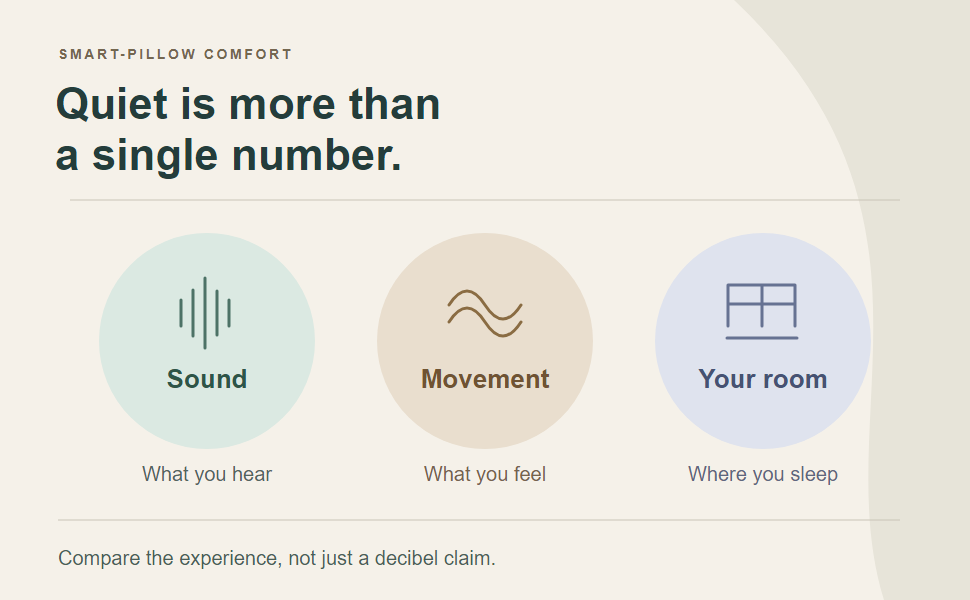
If you are searching for a noise-free pillow, it helps to separate two questions: how much sound does the equipment make, and how noticeable is the pillow while you rest on it? A quiet motor and an adjustment you can feel are different parts of the experience.
With a responsive anti-snore pillow, comfort depends on more than a sound figure in a product listing. This guide explains what to ask about noise, how to compare models fairly, and what to notice during ordinary use. It is not a laboratory ranking or a promise of silent operation.
What does “quiet” mean for a smart pillow?
A fixed pillow has no powered adjustment mechanism, although its cover and filling may still rustle. A responsive pillow adds operating components that change support during use. Describing that equipment as quiet does not tell you whether you will notice its operation in your particular bedroom.
Three observations are useful:
- Sound: what you can hear from the equipment or pillow.
- Movement: what you feel as the support changes.
- Disturbance: whether either sensation bothers you or your partner.
Record these separately. Hearing a brief adjustment is not the same as waking repeatedly, and feeling movement does not establish that the motor is loud. Likewise, a partner across the bed may describe a different experience from the person whose head rests on the pillow.
Ask what sits behind a decibel figure
Sound numbers are meaningful only with enough context to understand the comparison. The National Institute on Deafness and Other Communication Disorders explains that perceived loudness depends on factors including duration, frequency, and the surrounding environment. It also distinguishes ordinary decibel notation from A-weighted measurements.
If a seller supplies a noise figure, ask:
- Which exact model and operating mode did the test cover?
- Where was the microphone relative to the equipment?
- Was the product adjusting, idle, or running another function?
- What measurement unit and background conditions applied?
These are comparison questions, not evidence that a particular claim is wrong. If the answers are unavailable, avoid declaring one pillow quieter than another just because the listed numbers differ. A sound measurement also does not measure whether an adjustment feels comfortable under your head.
Integrated and external pumps need separate evaluation
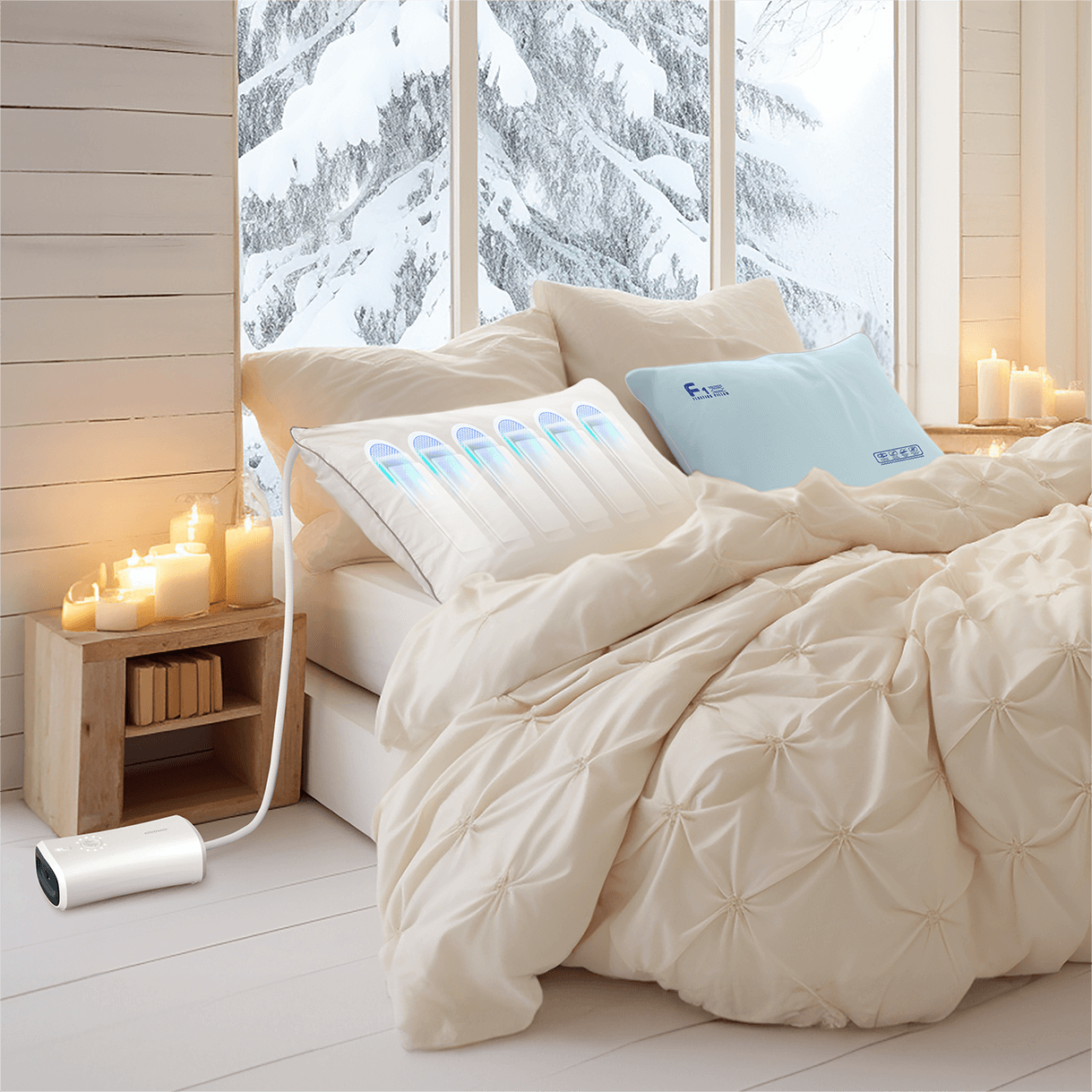
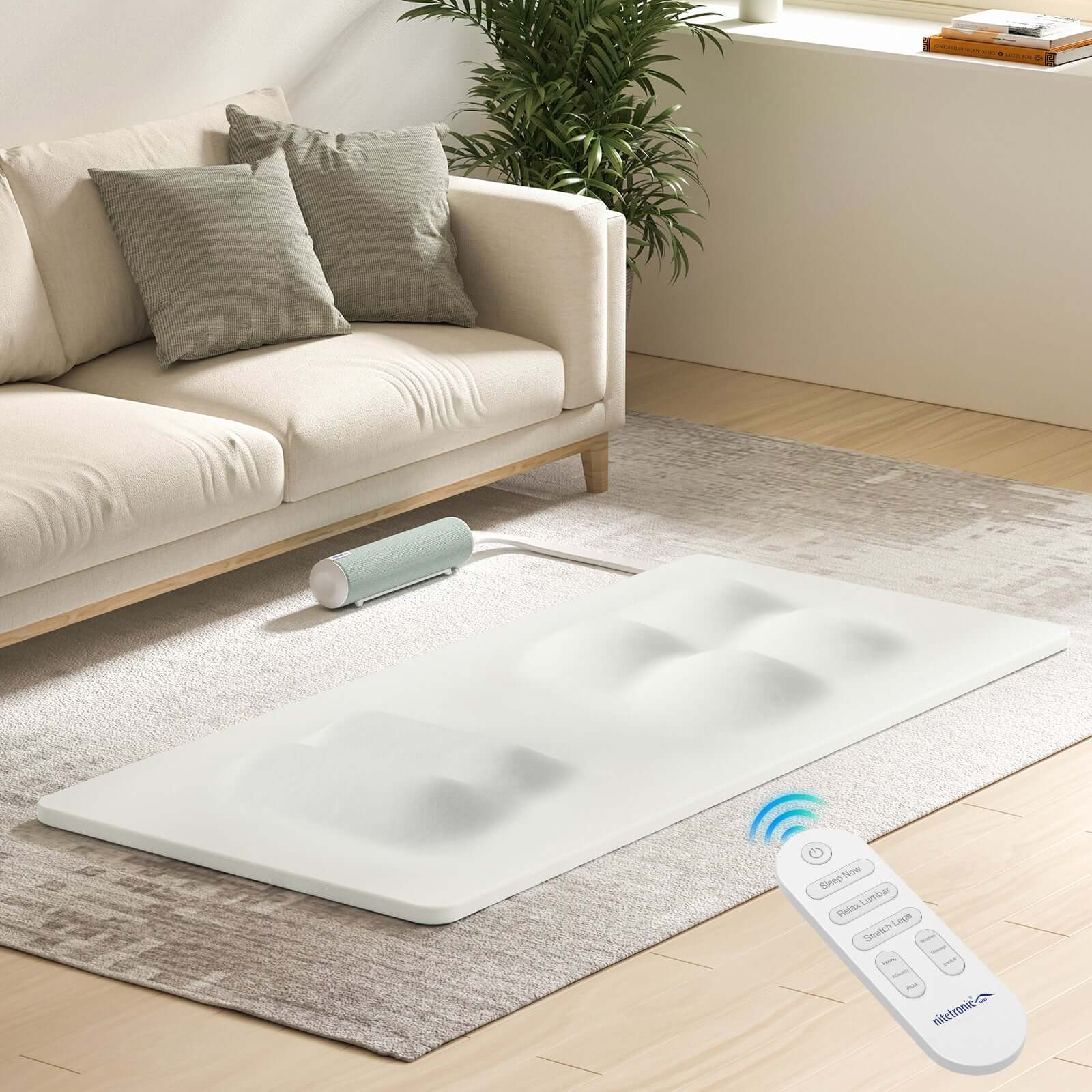
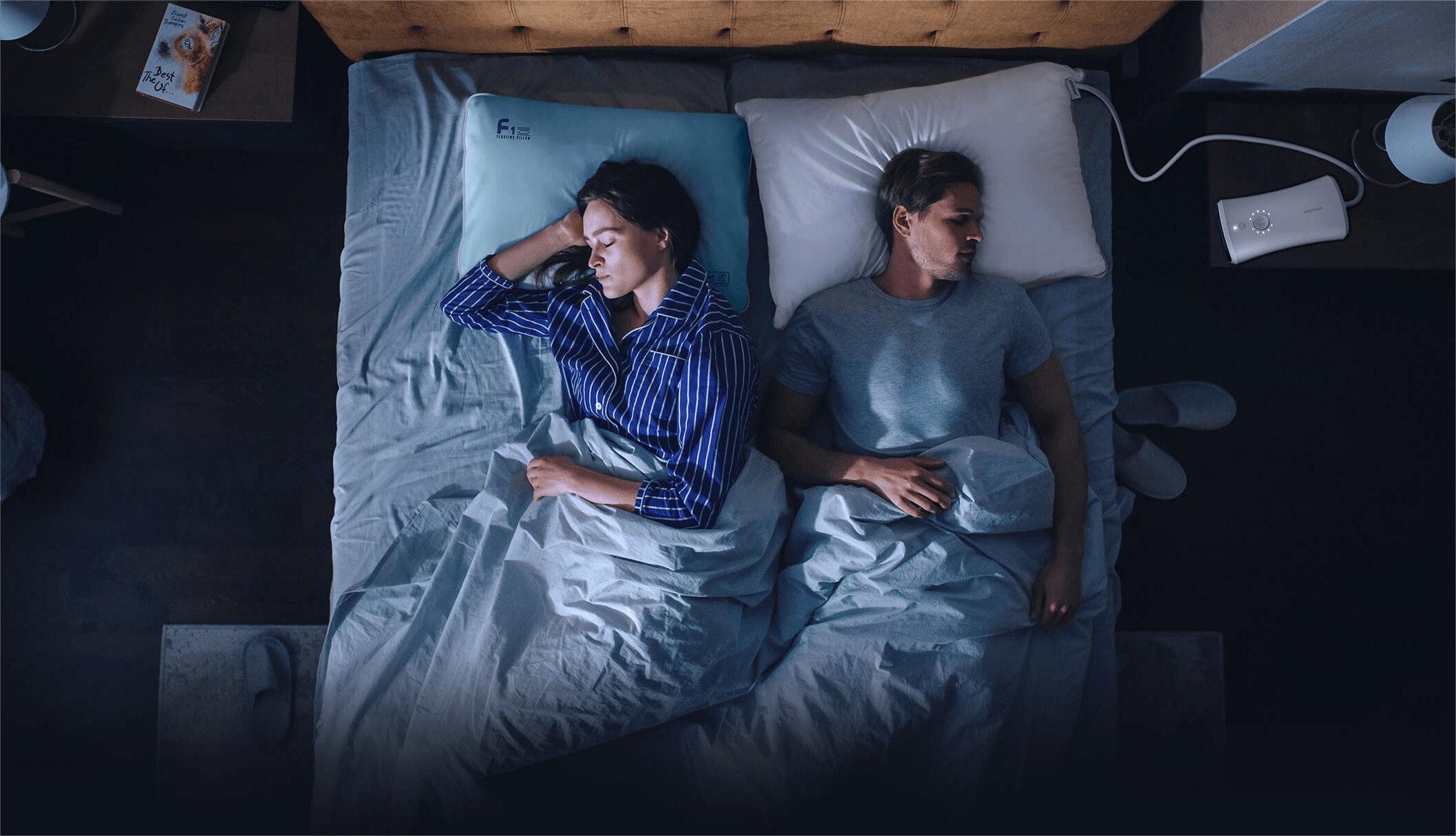
The Nitetronic A1 has an all-in-one arrangement without an external air-pump housing. The Nitetronic Z6 uses a separate unit connected to the pillow. Those layouts describe where the components sit, not a universal winner for quietness.
The Z6 product FAQ also notes that inflation can be noticeable to someone resting on the pillow. That is a reason to consider the user's experience as well as sound from the separate box. It is not a measured comparison with the A1, and it does not mean everyone will notice the same sensation.
Use the integrated versus external-pump guide for the equipment-layout differences. Do not assume that fewer visible components mean zero operating sound or zero movement.
Make the comfort check specific
Start with the correct setup from the current model instructions. If the instructions allow a brief function check while awake, notice what happens during normal operation. Do not open the equipment, force an adjustment, or change installation requirements to create a comparison.
Describe what you notice in ordinary language: a brief hum from the unit, a rustle near the cover, or a change in support under one side of the head. Then note whether it is simply noticeable or actually uncomfortable. A short description gives support more useful information than “the whole system is noisy.”
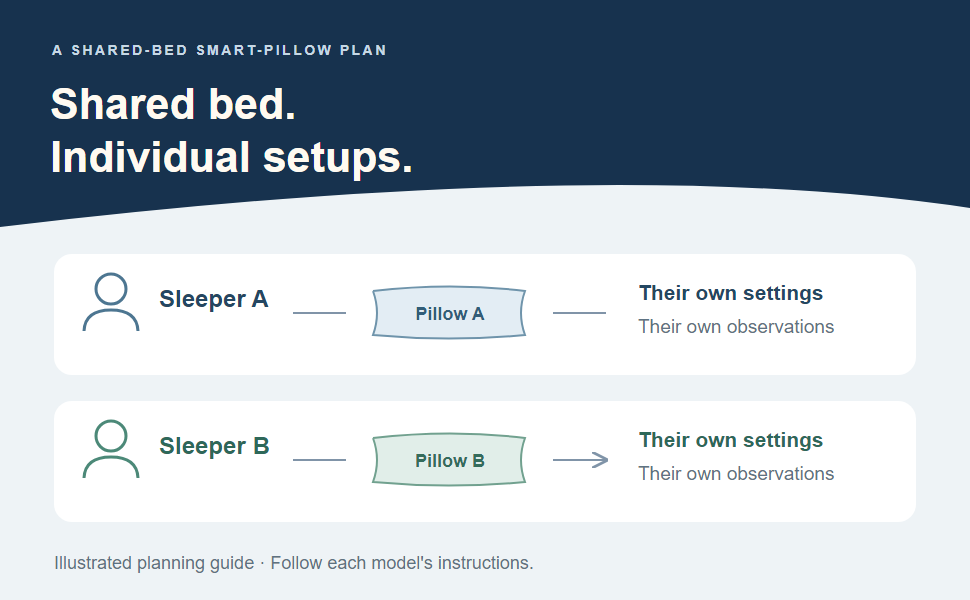
If another person shares the bed, ask what they hear without assuming their answer must match yours. Keep the distinction between device sound and surrounding noise. Our guide to other sounds and smart-pillow detection addresses that separate question.
Do not muffle equipment with bedding, block openings, or put it in an improvised enclosure. A comfort concern is a reason to check the instructions or contact support, not to alter the hardware. If operation seems abnormal, stop using it and ask for model-specific help.
A phone reading is not a product certification
The NIOSH Sound Level Meter app is intended to assess workplace noise and has specific technical and calibration conditions. That does not make every phone recording or sound-meter app equivalent to a standardized product test.
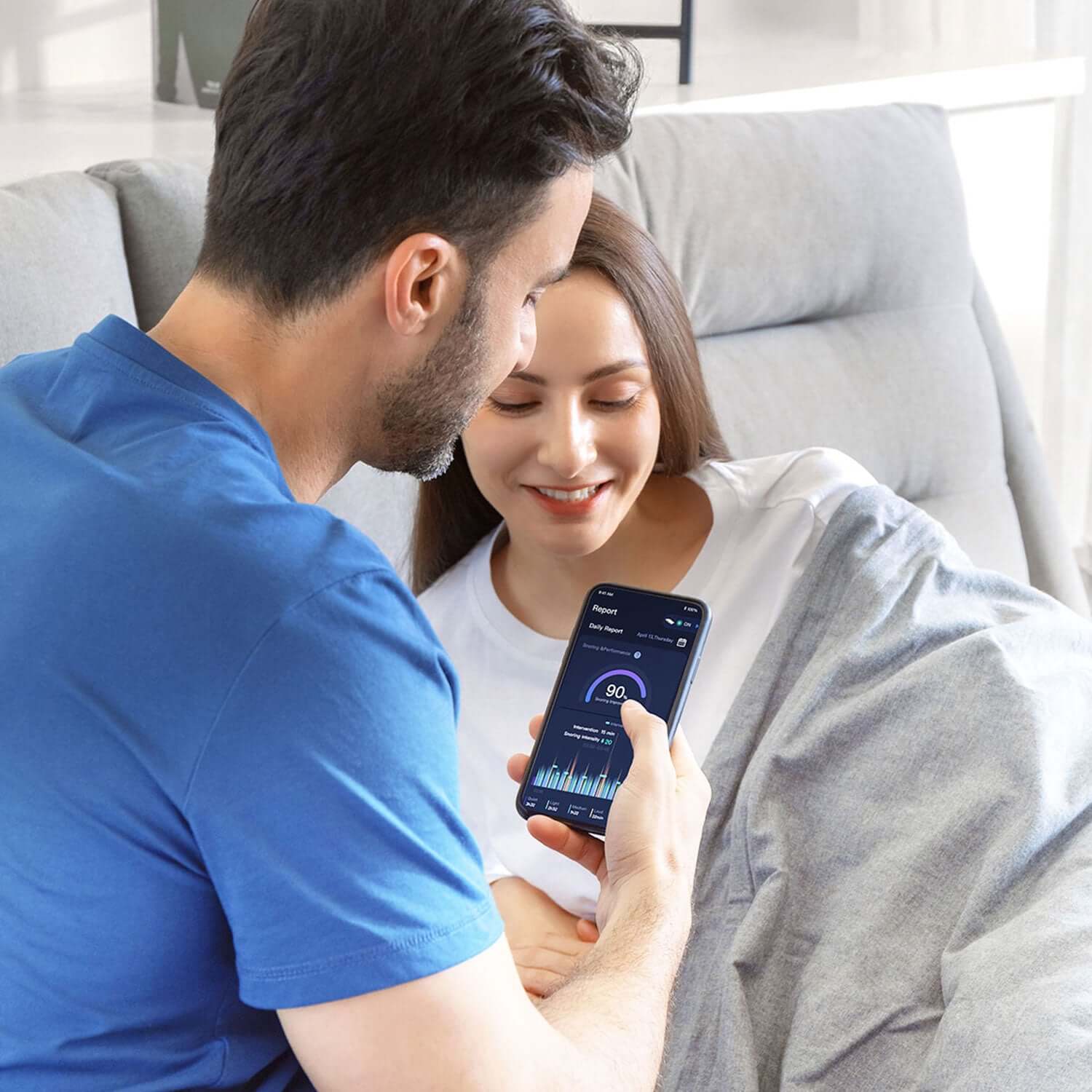
A phone may help you describe a situation, but a single reading does not establish that your bedroom reproduces a manufacturer's measurement. Nor does it measure felt movement, sleep quality, or snoring reduction. If you share a recording with support, obtain your partner's permission and avoid including private conversations.
Keep comfort and health claims separate
A quieter bedroom can be a comfort goal. It does not, by itself, establish that breathing is normal or blood oxygen has improved. A smart anti-snore pillow is a consumer sleep aid, not a substitute for sleep-apnea diagnosis or prescribed treatment.
Breathing pauses, gasping, and daytime sleepiness deserve a conversation with a healthcare professional. The NHLBI's sleep-apnea symptom guidance explains why symptoms may need assessment, even when a person is not aware of them overnight.
Frequently asked questions
Is a quiet anti-snore pillow completely silent?
Do not treat quiet and completely silent as interchangeable. Ask how the exact model operates and evaluate sound and felt adjustment separately. Individual sensitivity and the room setup can affect the experience.
Is an integrated pump always quieter than an external one?
The component location alone cannot establish that. A fair comparison needs model-specific evidence under comparable conditions, plus an assessment of how the pillow feels in use.
Can a phone app confirm the published noise specification?
Not from one bedroom reading alone. The device, measurement method, operating state, and test conditions all need consideration. An informal recording is better treated as context for a support question than as a certification.
Does noticeable inflation mean the pillow is not helping with snoring?
An audible or felt adjustment does not settle whether snoring has changed. Keep comfort observations separate from any assessment of snoring, and seek help if operation seems abnormal or uncomfortable. Neither observation can rule out sleep apnea.

Leave a comment
This site is protected by hCaptcha and the hCaptcha Privacy Policy and Terms of Service apply.