



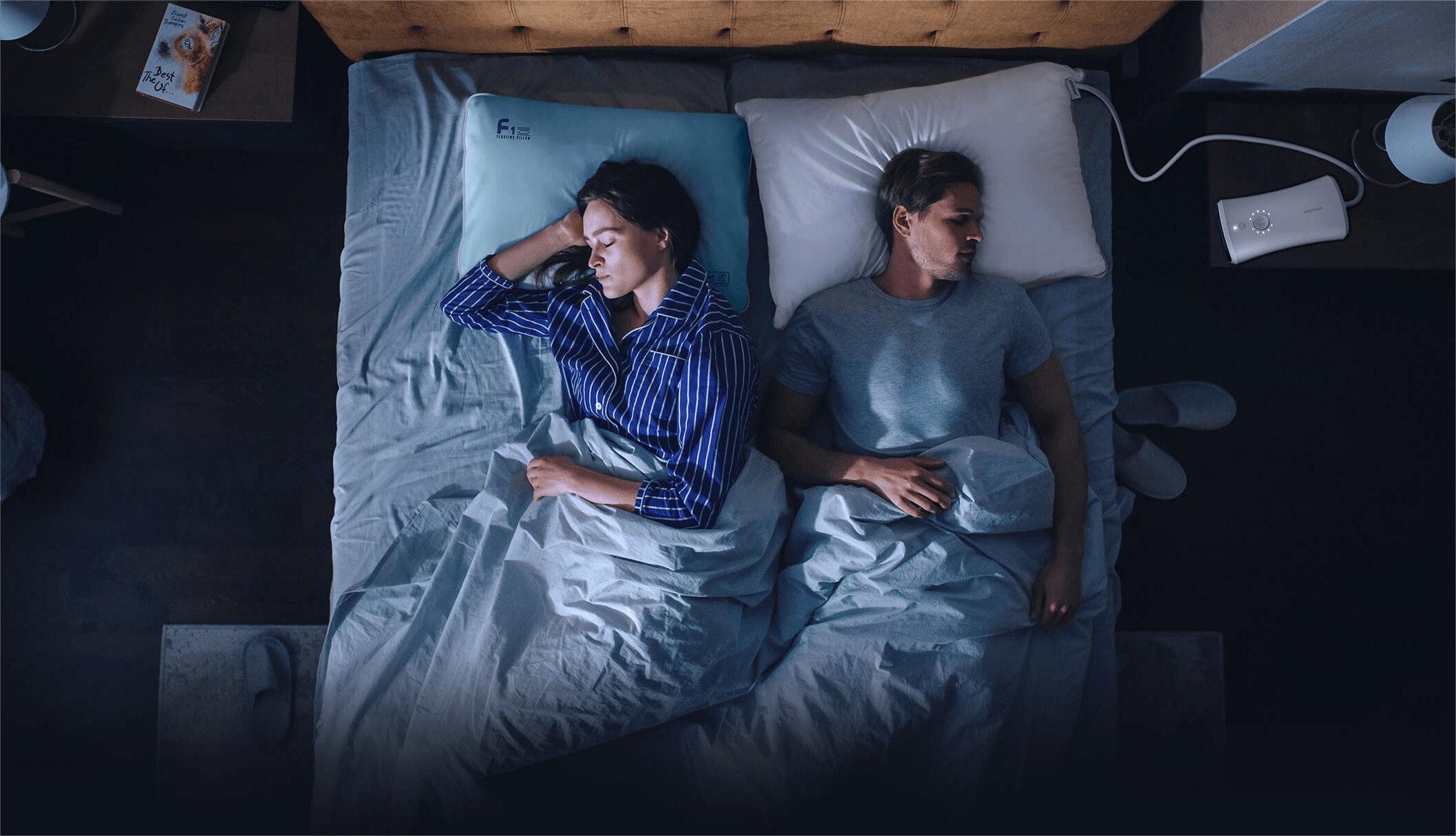
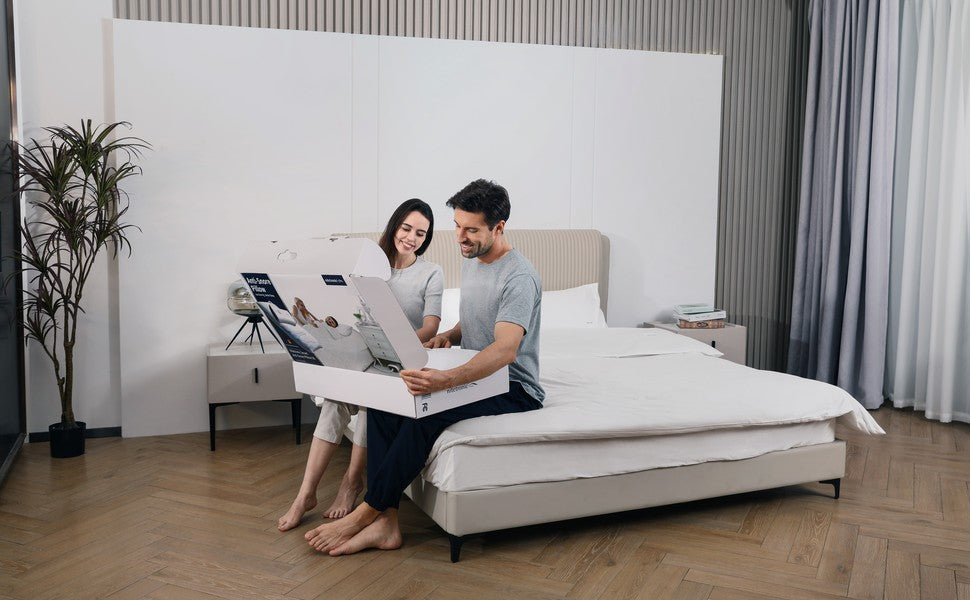
Snoring is often discussed at the worst possible moment: someone has just been woken up, and both people are tired. If you are considering an anti-snore pillow for yourself or a partner, start with a daytime conversation instead of a midnight verdict. The goal is to understand what is happening, agree on a fair experiment, and know when a pillow is not enough.
Lead with the sleep problem, not blame
Try a concrete observation: “I woke up twice this week because of loud snoring, and I would like us both to sleep better.” Avoid labels such as “you always snore” or “you have sleep apnea.” A partner can report what they heard, but cannot diagnose the cause of the sound. The sleeper may not remember making any noise at all.
Ask what each person wants to improve. One may want fewer awakenings; the other may care most about neck comfort or not feeling pushed into an uncomfortable position. These goals are related but not identical. A product choice should not be made solely by the person who hears the snoring.
Decide what kind of pillow is worth testing
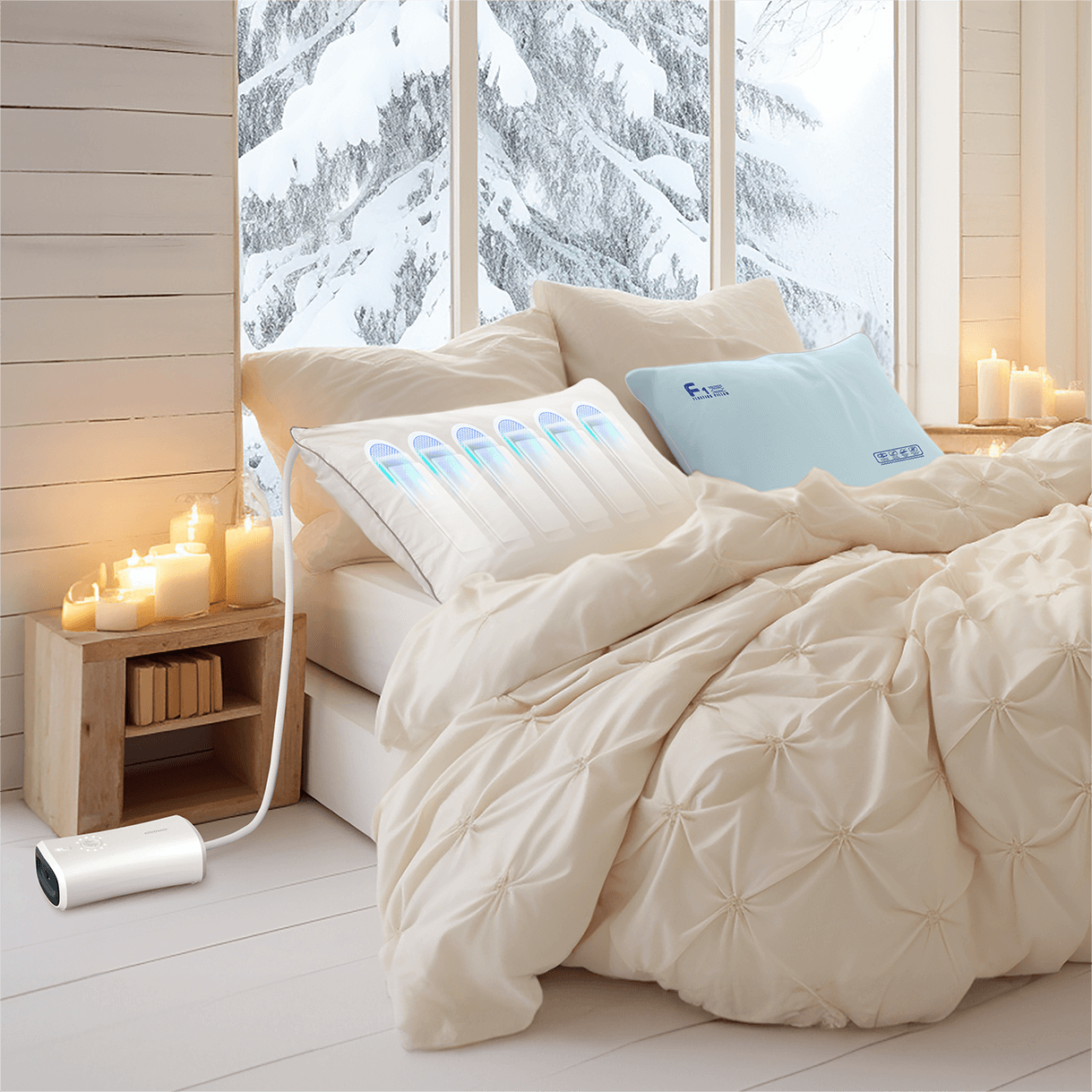
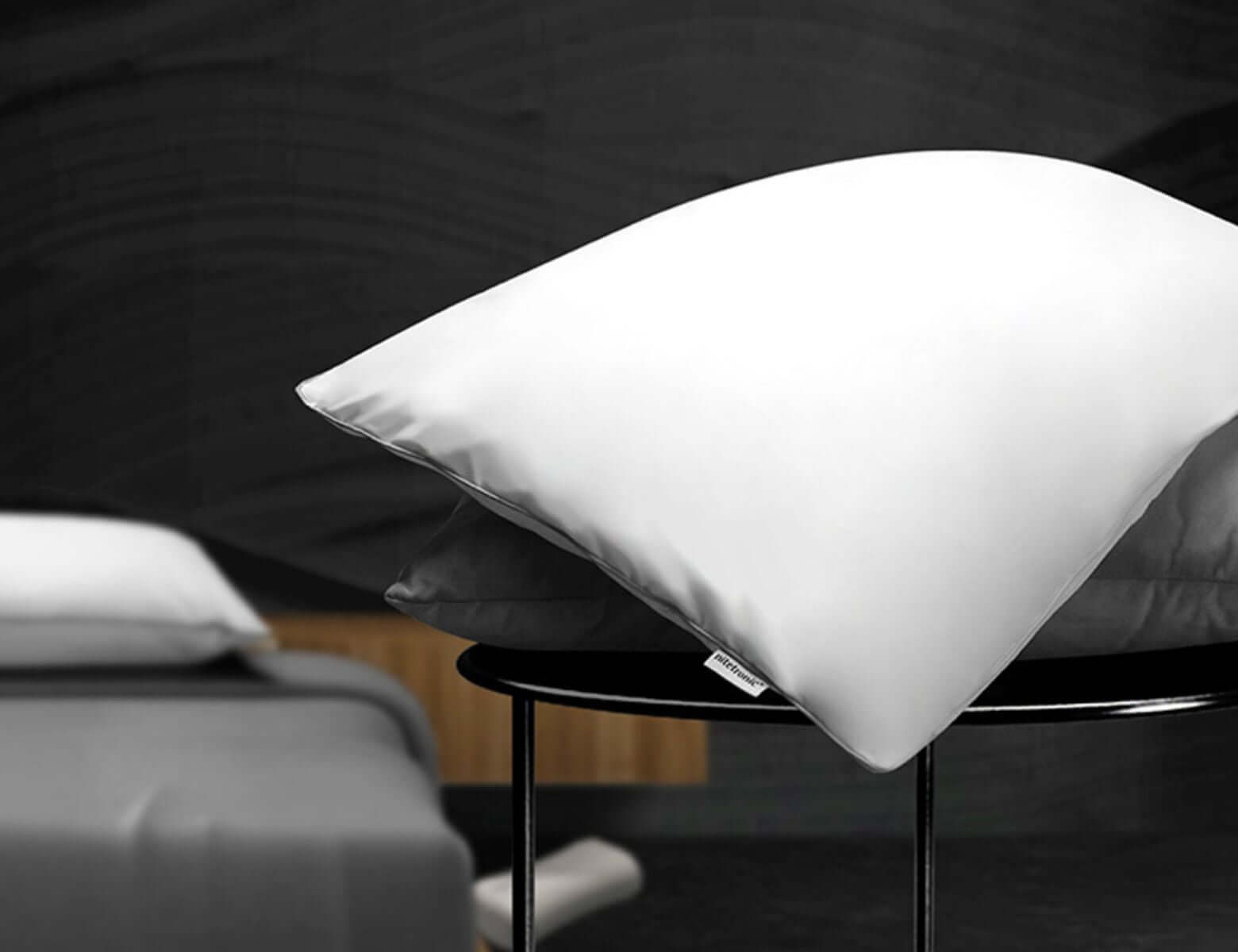
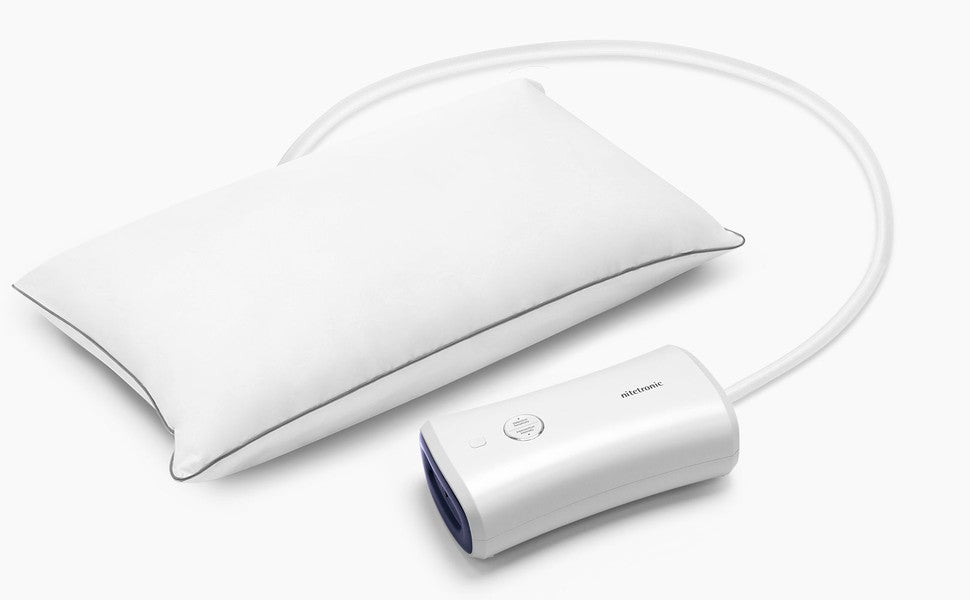
A fixed contour pillow provides the same support all night. A responsive smart pillow adds sensing and a physical adjustment when it detects a relevant snoring pattern. The Nitetronic Z6 Smart Anti-Snore Pillow is a consumer sleep-support option with a separate controller and adjustable air chambers. That does not mean it will suit every sleeper or eliminate every cause of snoring.
Discuss practical fit before buying: usual sleep position, preferred pillow height, mattress firmness, sensitivity to sound or movement, and whether the person is willing to use a powered product. Our guide to choosing an anti-snore pillow for couples goes deeper into those tradeoffs.
Agree on a fair home trial
Before changing pillows, record a few ordinary nights: whether the partner was woken, approximate timing, the sleeper's morning comfort, and any unusual congestion or late bedtime. Then try the new pillow according to its model instructions. Keep the rest of the routine as consistent as practical and change only one approved setting at a time.
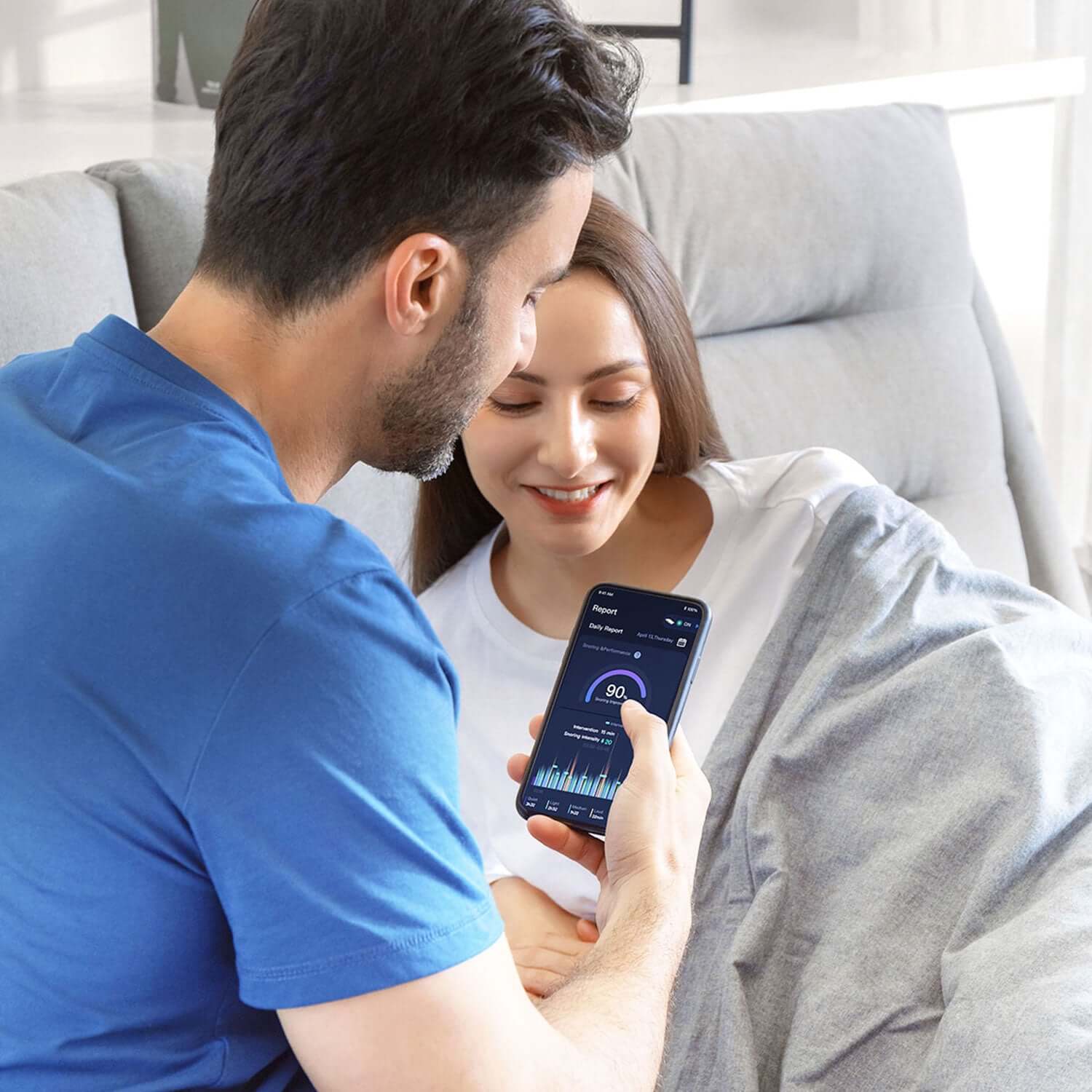
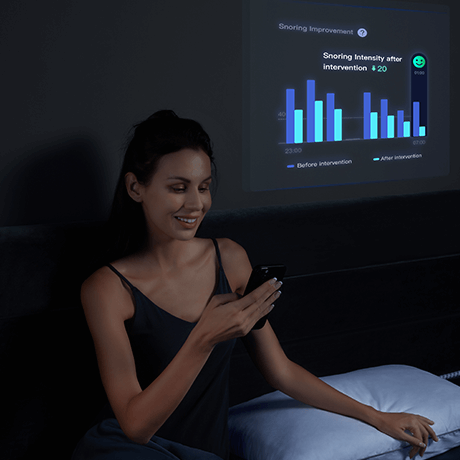
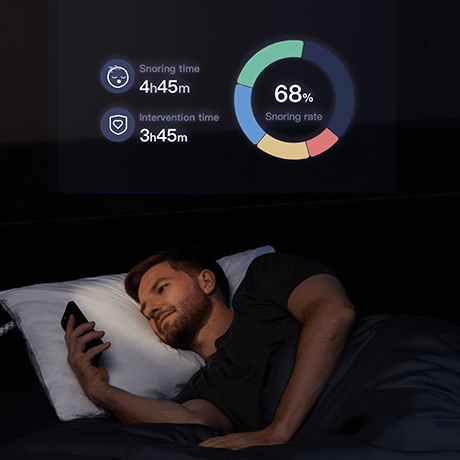
Both people should keep a short record. The partner can note disturbance; the sleeper can note comfort and awakenings. A consumer app can add a trend, but it should not overrule either person's experience or be treated as a medical test. The 14-night pillow testing guide offers a simple comparison plan.
Agree in advance what would count as useful: for example, fewer partner awakenings without worse neck comfort. “One perfectly silent night” is a poor standard because snoring and sleep conditions vary from night to night. If the pillow creates discomfort or repeated awakenings, pause the experiment rather than insisting on a stronger setting.
Know when to change the conversation
An anti-snore pillow is not a substitute for sleep-apnea diagnosis or prescribed treatment. If either person notices breathing pauses, gasping, choking, or significant daytime sleepiness, the next step is medical advice—not a debate about whose observation is correct. The National Heart, Lung, and Blood Institute lists symptoms worth discussing with a healthcare professional.
FAQ
Should I buy an anti-snore pillow as a surprise for my partner?
It is better to ask first. Pillow height, feel, and willingness to use a powered device are personal. A shared decision makes a consistent home test more likely.
What if my partner says they do not snore?
Describe a specific time and how it affected your sleep without making a diagnosis. If both people agree, a simple log over several nights can help clarify the pattern.
Can a pillow guarantee that we both sleep better?
No. A well-matched pillow may help some people, particularly when head position contributes to snoring, but comfort and results vary. Review several nights rather than relying on a single score.
What if breathing pauses or gasping occur?
Seek qualified medical evaluation. A consumer pillow or app cannot rule out sleep apnea or replace prescribed care.

Leave a comment
This site is protected by hCaptcha and the hCaptcha Privacy Policy and Terms of Service apply.