








The same pillow can feel perfectly balanced on one mattress and noticeably wrong on another. That is because pillow height is not measured in isolation: the mattress determines how far the shoulders and upper body sink, which changes the distance between the head and the sleep surface.
For anyone comparing an anti-snore pillow, mattress firmness is therefore part of the fit—not a separate bedroom detail.
Why mattress sink changes effective pillow height
Product pages usually list the pillow’s uncompressed dimensions. Your neck experiences the compressed height after both the pillow and mattress respond to body weight.
On a soft mattress, the shoulder and torso may sink more deeply. For a side sleeper, that can reduce the gap the pillow needs to fill. On a firm mattress, the shoulder stays higher above the surface, so the same sleeper may need more loft.
Back sleepers are affected too. If the upper body sinks but the head remains high on a thick pillow, the chin may be pushed toward the chest. If the pillow is too low, the head may tilt backward or feel unsupported.
Firm does not mean supportive for everyone
“Firm” describes resistance, not correct alignment. A firm mattress with a poorly matched pillow can still feel uncomfortable. A soft mattress can also provide suitable support when the pillow height accounts for the extra sink.
The useful question is: after settling into your normal position, does the pillow support your head and neck without forcing them sharply upward, downward or sideways?
Side sleepers: measure the shoulder gap
Side sleepers generally need enough compressed pillow height to fill the distance created by the shoulder. Shoulder width matters, but so does how far that shoulder enters the mattress.
- **Softer mattress:** more shoulder sink may mean less pillow loft is needed.
- **Firmer mattress:** less shoulder sink may mean more loft is needed.
- **Very high pillow:** may tilt the head away from the mattress.
- **Very low pillow:** may allow the head to drop toward the mattress.
For more detail, see our anti-snore pillow guide for side sleepers.
Back sleepers: watch the chin angle
Back sleepers often need a lower profile than side sleepers. The pillow should support the head and neck without sharply flexing the neck.
When testing, allow the mattress and pillow to compress for several minutes. Notice whether the chin feels pushed toward the chest, the head feels tipped backward or pressure develops beneath the skull.
Our back-sleeper pillow-height guide includes a practical fit check.
What this means for anti-snore pillows
An anti-snore pillow may use a fixed contour, adjustable inserts, a wedge or active air chambers. None of those mechanisms removes the need for a correct basic fit.
Snoring has many possible influences, including sleep position, congestion, alcohol, anatomy, body weight and sleep-related breathing disorders. A pillow may support a comfortable position for some sleepers, but it cannot diagnose the cause or guarantee a result.
Fixed versus adjustable designs
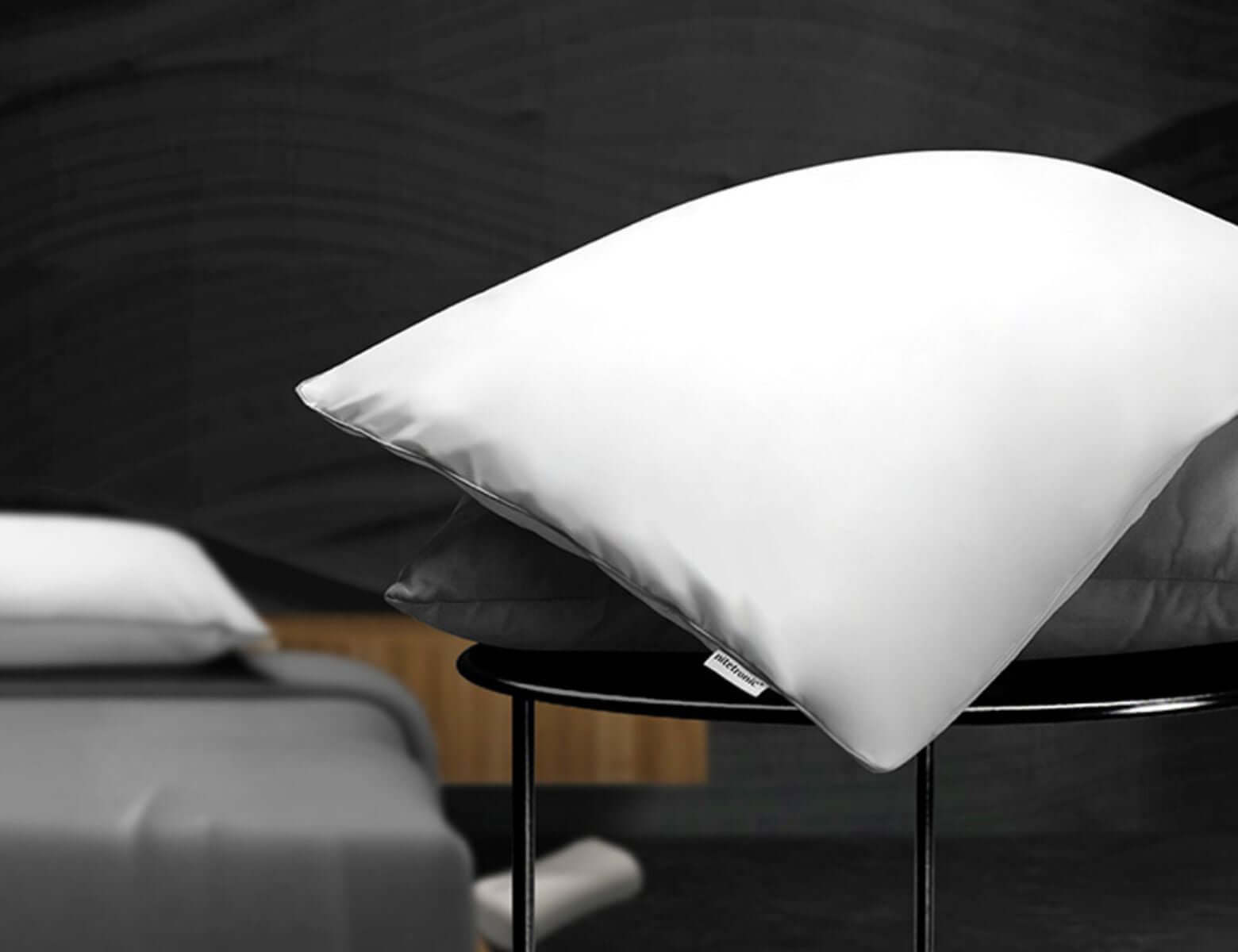
A fixed memory-foam contour works best when its height already matches the sleeper and mattress. It is simple and quiet, but offers little room for correction.
Adjustable designs can be more forgiving when mattress sink is difficult to predict. Removable layers, fill or air support allow smaller changes after testing.
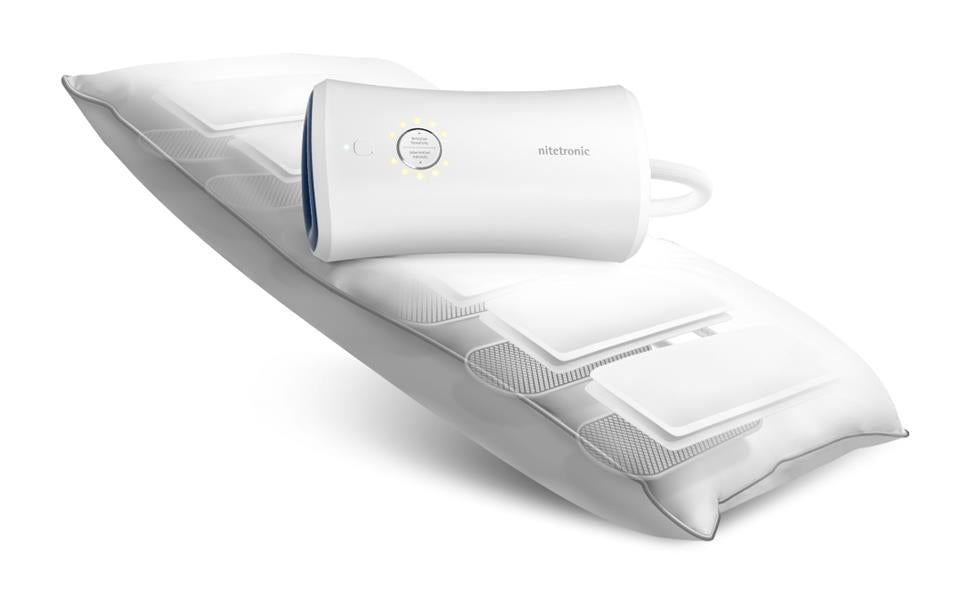
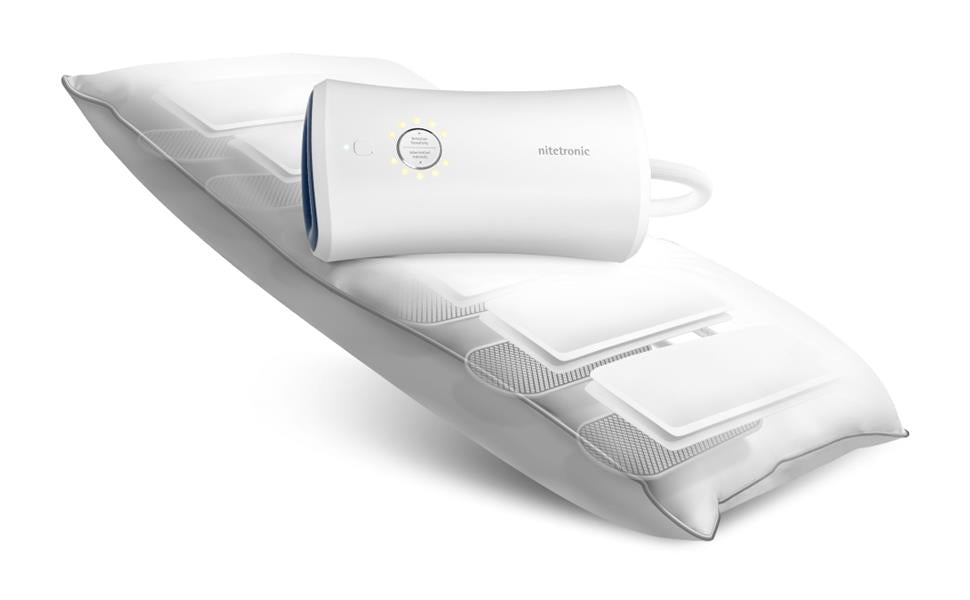
The Nitetronic Z6 Smart Anti-Snore Pillow, for example, combines memory foam with sensors and six independent air chambers. Its technology does not make mattress compatibility irrelevant; the base shape and resting comfort still matter.
A five-minute mattress-and-pillow test
Use your normal mattress whenever possible:
- Place the pillow in its intended orientation.
- Lie in your usual position for at least five minutes.
- Allow foam, fill and mattress layers to settle.
- Check for neck bending, pressure and shoulder tension.
- Roll into your secondary position and repeat.
Ask another person to look from behind if comfortable. For side sleeping, the head should not appear dramatically tilted toward or away from the mattress. For back sleeping, avoid a sharply tucked chin.
This is a comfort check, not a medical assessment.
Testing after changing mattresses
Do not assume that a familiar pillow will fit a new mattress exactly as before. When moving from firm to soft—or soft to firm—reassess:
- compressed pillow height;
- shoulder pressure;
- neck comfort in the morning;
- frequency of position changes;
- whether removable inserts or settings need adjustment.
Change one setting at a time and test it across several nights when practical. Foam and a new mattress may also change slightly during their break-in periods.
Avoid using snoring data as a fit measurement
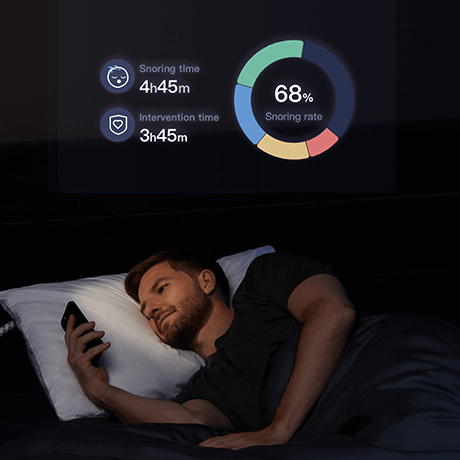
A lower snoring score on one night does not prove that the pillow height is correct. Consumer apps and sound sensors can be affected by congestion, alcohol, room noise, a partner, fans, pets and device placement.
Track comfort, position and snoring trends together. For a broader evaluation plan, read How to Tell if Snoring Is Position-Related.
When a pillow is not enough
Seek qualified medical advice when persistent loud snoring occurs with witnessed breathing pauses, choking, gasping, marked daytime sleepiness, morning headaches or concentration problems. An anti-snore pillow is not a treatment for obstructive sleep apnea and should not replace CPAP or other prescribed care.
FAQ
Do I need a higher pillow on a firm mattress?
Sometimes, especially for side sleeping, because the shoulder may sink less. The correct height still depends on body shape, pillow compression and sleeping position.
Should I use a lower pillow on a soft mattress?
Possibly. Greater shoulder and torso sink can reduce the required loft, but the only useful answer comes from testing the compressed setup.
Can a mattress topper change pillow fit?
Yes. A topper can change shoulder and torso sink, effectively changing the pillow height needed.
Is an adjustable pillow better when changing mattresses?
It can make fine-tuning easier, but adjustment range does not guarantee comfort. The basic shape and materials must still suit the sleeper.
Can the right mattress and pillow cure snoring?
No. They may support comfortable positioning, but snoring has multiple causes and warning signs require professional evaluation.
The practical takeaway
Do not choose pillow height from a dimension chart alone. Evaluate the pillow and mattress as one support system, measure the feel after compression and retest whenever the mattress changes. Comfort and repeatable fit matter more than the tallest contour or most advanced feature list.


Leave a comment
This site is protected by hCaptcha and the hCaptcha Privacy Policy and Terms of Service apply.