








Pillow height and pillow firmness are often treated as interchangeable. They are not. Height describes how much space the pillow fills; firmness describes how strongly it resists compression. A tall, soft pillow may compress lower than a short, firm one, which is why choosing only by the number on a product page can be misleading.
For people comparing an anti-snore pillow, the practical target is comfortable **compressed support**, not maximum height or hardness.
What pillow height actually means
Pillow height—also called loft—is usually measured before anyone lies on it. The effective height is what remains after the head, neck and sometimes shoulder compress the materials.
Side sleepers often need enough loft to fill the shoulder-to-head gap. Back sleepers usually need less so the chin is not pushed sharply toward the chest. Stomach sleepers commonly prefer a thinner surface, although that position can feel uncomfortable for some necks.
Mattress firmness also changes the required height. A shoulder sinks farther into a soft mattress than a firm one. Our guide to mattress firmness and anti-snore pillow height explains that interaction.
What firmness changes
Firmness affects how quickly and how far the pillow compresses. It also changes pressure distribution and how easy it is to move.
A very soft pillow may feel comfortable at first but collapse too far for some sleepers. A very firm pillow may hold its shape but create pressure beneath the head or neck. Neither extreme is automatically better for snoring.
Materials behave differently. Memory foam responds to heat and pressure, fiber shifts within the cover, latex tends to rebound, and air chambers change resistance according to inflation.
Which matters more?
Height usually determines whether the pillow fills the required space, while firmness determines how consistently it maintains that space. Both matter because the sleeper experiences them together.
Imagine two pillows that are both 12 cm high:
- Pillow A compresses to 6 cm under the head.
- Pillow B compresses to 10 cm.
Their listed height is identical, but their effective support is not. This is why a brief in-store squeeze cannot fully predict overnight fit.
How this relates to snoring
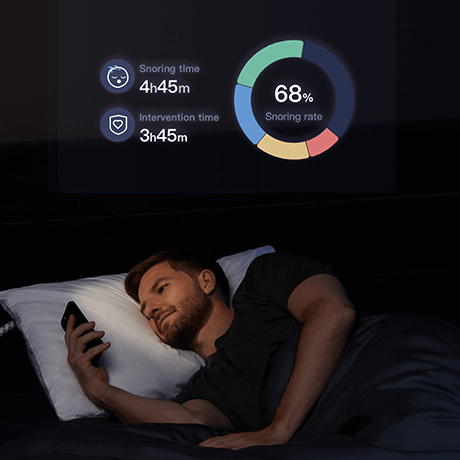
Some people notice more snoring when sleeping on their back. A pillow may help make a different position more comfortable or provide gentle positional adjustment. However, snoring can also relate to congestion, alcohol, anatomy, body weight, medicines or a sleep-related breathing disorder.
No height or firmness can guarantee a quieter night, and a consumer pillow cannot diagnose the cause of snoring.
Side sleepers: prioritize compressed loft
For side sleeping, the pillow should fill the space between the head and mattress without tilting the head dramatically upward or downward.
A broad-shouldered sleeper on a firm mattress may need more compressed height. A narrow-shouldered sleeper on a soft mattress may need less. Firmness matters because a tall pillow that collapses may provide less support than expected.
See our dedicated anti-snore pillow guide for side sleepers for a fuller fit test.
Back sleepers: avoid excessive height
Back sleepers should watch for a sharply tucked chin or pressure under the skull. A firm, high pillow can push the head forward, while a very soft, low pillow may allow the head to tilt backward.
The better goal is a neutral-feeling, comfortable position after the materials have settled. Read our back-sleeper height guide for practical checks.
Fixed and adjustable pillows
A fixed contour offers predictable shape and quiet operation. It works best when the height and firmness already match the sleeper.
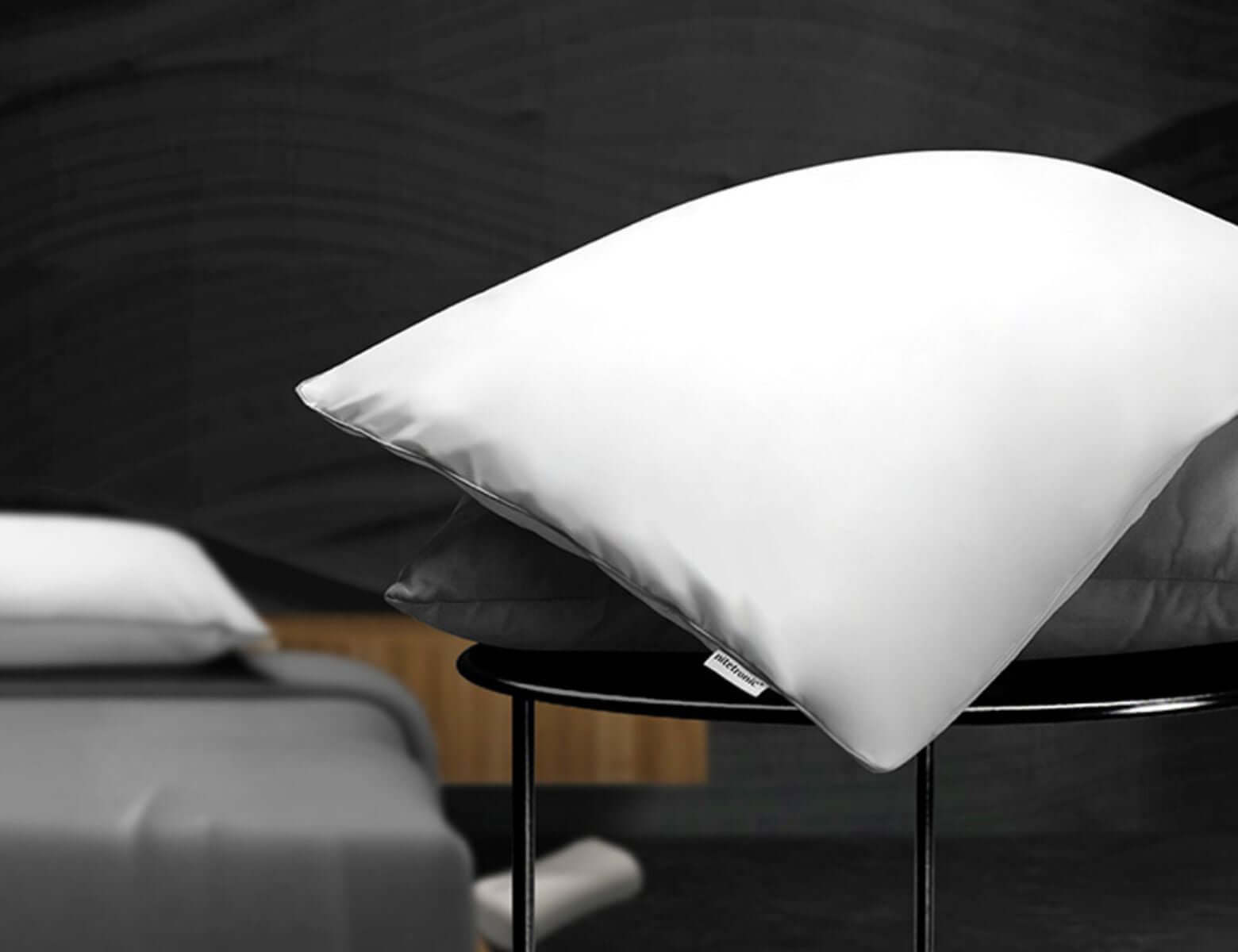
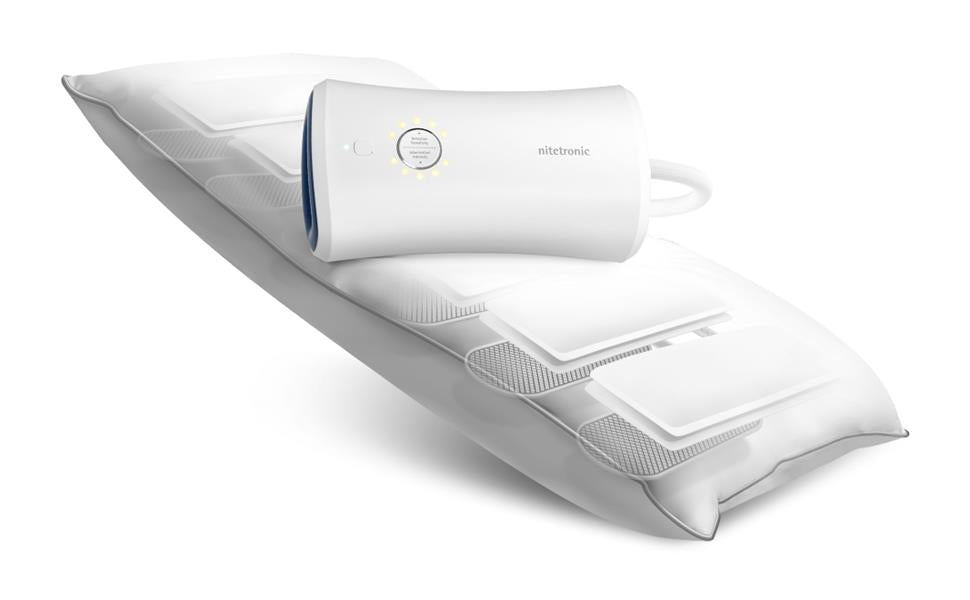
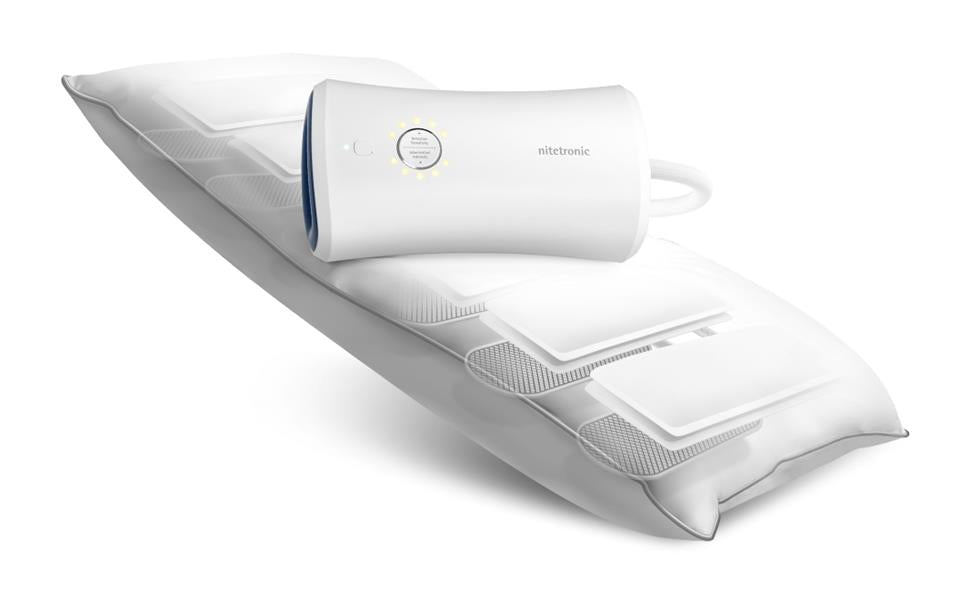
Adjustable fill, removable layers or air support can make tuning easier. The Nitetronic Z6 Smart Anti-Snore Pillow, for example, combines memory foam with sensors and six independent air chambers. Its active features do not remove the need for a comfortable base contour and appropriate resting height.
When comparing adjustable products, look at the smallest adjustment step, operating noise, power requirements, care instructions and trial policy.
A practical compressed-fit test
- Place the pillow in the intended orientation.
- Lie on your normal mattress in your usual position.
- Wait five to ten minutes for the materials to settle.
- Notice head tilt, chin position, pressure and shoulder tension.
- Roll into your secondary position and reassess.
- Test small changes across several nights when practical.
Do not change pillow settings, alcohol intake, bedtime and recording setup all at once. Keeping variables reasonably stable makes trends easier to interpret.
How to compare product specifications
Look beyond labels such as “medium firm” because firmness scales are not standardized across brands. Useful details include:
- total and compressed height range;
- removable layers or fill weight;
- foam density where disclosed;
- contour dimensions;
- supported sleep positions;
- trial and return terms;
- replacement-cover availability;
- adjustment and cleaning instructions.
For a complete shopping checklist, see Best Anti-Snore Pillow: 7 Practical Checks or browse the Nitetronic anti-snore pillow collection.
When pillow adjustment is not enough
Seek qualified medical advice when persistent loud snoring occurs with witnessed breathing pauses, choking, gasping, marked daytime sleepiness, morning headaches or difficulty concentrating. A pillow cannot diagnose obstructive sleep apnea and should not replace CPAP or other prescribed care.
FAQ
Is a firm pillow better for snoring?
Not automatically. Firmness only describes compression resistance. The pillow must also have an appropriate compressed height and comfortable contour.
Is a higher pillow better for snoring?
No. Excessive height can force an uncomfortable neck angle. Height should match sleeping position, body shape and mattress sink.
How can I measure compressed pillow height?
Exact home measurement is difficult, but you can assess head tilt, chin position and comfort after lying on the pillow for several minutes. Compare small adjustments rather than chasing one exact number.
Does memory foam firmness change overnight?
Memory foam commonly softens with warmth and pressure, so the initial feel may differ from its settled feel.
Can the right firmness treat sleep apnea?
No. Consumer pillows cannot diagnose or treat sleep apnea and should not replace professional assessment or prescribed therapy.
The practical takeaway
Height sets the available support space; firmness determines how much of that space remains under load. Choose them together, test them on your own mattress and prioritize comfortable compressed fit over marketing labels.

Leave a comment
This site is protected by hCaptcha and the hCaptcha Privacy Policy and Terms of Service apply.